📖This article is part of the complete guide to Ultimate Guide to Cafe Equipment Supply for Businesses.
If you run a busy cafe, restaurant, or hotel, you know that coffee equipment can make or break your operation. A machine that jams mid-service or produces inconsistent shots? That's lost revenue. After years in the foodservice industry, I've seen operators wrestle with bulky machines, hidden repair costs, and confusing contracts. That's why the Sensa Duo coffee machine stands out. It's designed specifically for high-volume environments where reliability, ease of use, and cost predictability matter. For a comprehensive overview of equipment options, check out our Ultimate Guide to Cafe Equipment Supply for Businesses.
What Is the Sensa Duo Coffee Machine?
📚
Definition
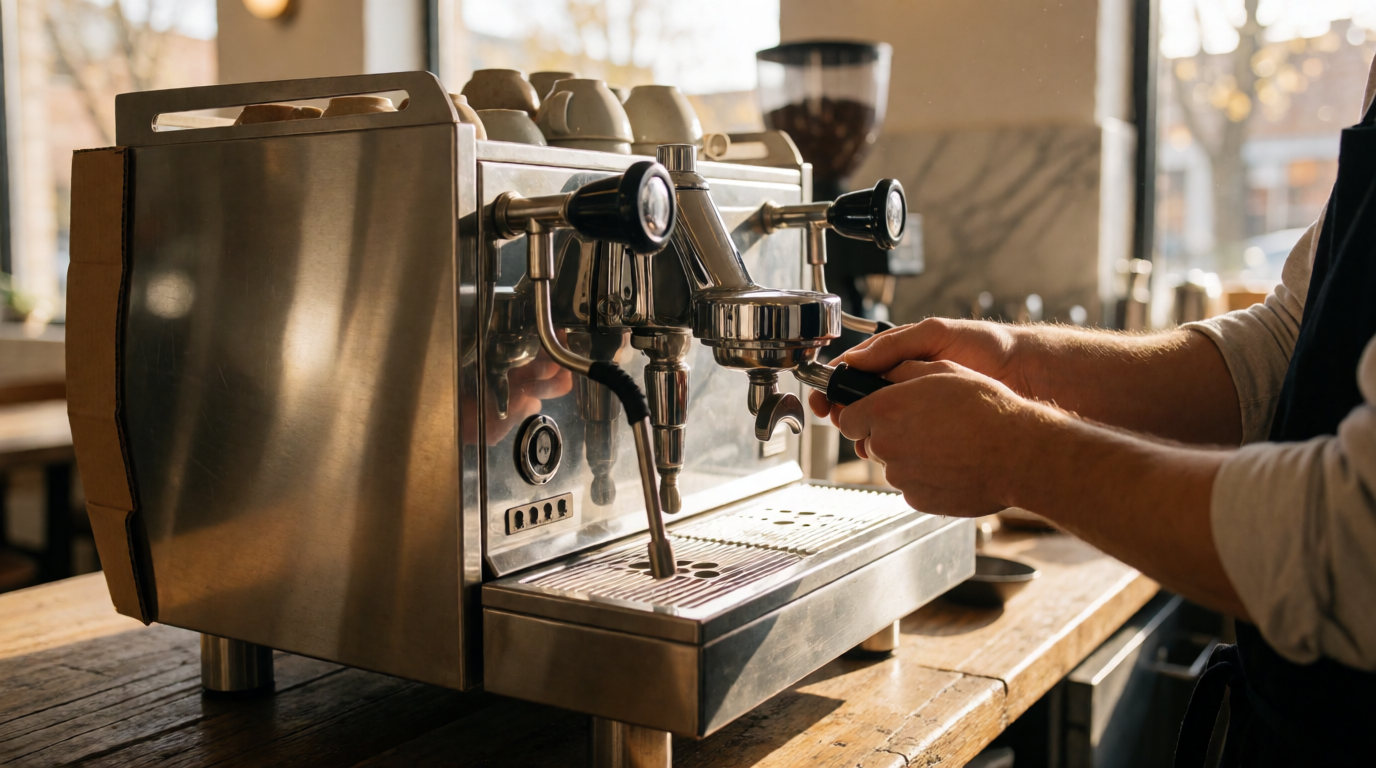
The Sensa Duo is a dual-group, bean-to-cup espresso machine designed for commercial foodservice use. It combines two independent brewing units, a built-in burr grinder, and intuitive touch controls to deliver consistent espresso-based drinks at high volume.
The Sensa Duo isn't just another espresso machine. It's a complete system engineered around the needs of busy cafes, restaurants, and hotel breakfast services. With two separate brewing heads, it can produce two drinks simultaneously without sacrificing quality. The built-in grinder adjusts to your preferred fineness level, and the integrated steam wand delivers microfoam for lattes and cappuccinos. According to the Specialty Coffee Association, consistent grind size and water temperature are critical for extraction quality, and the Sensa Duo maintains both within precise parameters.
Unlike traditional commercial machines that require extensive plumbing and electrical work, the Sensa Duo is designed for plug-and-play installation. It connects to standard water lines and comes with pre-calibrated settings that your staff can learn in minutes. This reduces downtime and training costs. For businesses looking to streamline equipment acquisition, our guide on No Capex Coffee Equipment Solutions for Foodservice explains how you can avoid upfront capital expenditures.
Why Does the Sensa Duo Matter for Your Business?
The coffee market is more competitive than ever. According to a 2024 report by Mordor Intelligence, the global commercial coffee machine market is projected to grow at 6.2% CAGR through 2030, driven by demand for specialty drinks. The Sensa Duo addresses three pain points that directly affect your bottom line: consistency, speed, and cost control.
Consistency — Every cup tastes the same, even when different baristas operate the machine. The Sensa Duo's PID temperature control keeps water within +/- 1°F, and its dose adjustment ensures each shot uses the exact same amount of coffee. According to research from the University of California, Davis Coffee Center, temperature stability is the single most important factor in espresso quality. This means your customers will return because they know each latte will be just as good as the last one.
Speed — With two independent groups, you can produce up to 200 cups per hour. During morning rushes, that throughput keeps lines moving. In my experience working with hotels, breakfast service is the highest-pressure period. A machine that stalls because it overheats or jams can ruin the guest experience. The Sensa Duo's dual-boiler system maintains steam and brew temperatures simultaneously, so you're never waiting for recovery.
Cost Control — The Sensa Duo is available through an all-inclusive managed service plan that bundles equipment, maintenance, and supplies into a single monthly fee. This eliminates surprise repair bills and reduces operational risk. For a deeper look at how managed service simplifies operations, read our article on Benefits of Managed Coffee Service for Restaurants.
How to Implement the Sensa Duo in Your Operation
Transitioning to a new espresso machine doesn't have to be disruptive. Here's a practical step‑by‑step approach based on dozens of installations I've overseen.
Step 1: Evaluate Your Volume and Drink Mix
The Sensa Duo is best suited for locations serving 80–200 espresso‑based drinks per day. If your volume is lower, a single‑group model might suffice, but the Duo's speed and redundancy make it a wise choice if you expect growth. For hotels catering to breakfast crowds, the dual groups allow you to handle simultaneous orders without backup.
Step 2: Prepare Your Counter and Utilities
The machine requires a 15‑amp electrical outlet and a 3/8" water line with a pressure regulator. A drainage line is needed for the drip tray. Most installations can be completed in under two hours when prepped correctly. Our White Glove Installation for Cafe Coffee Equipment service covers everything from site survey to final calibration, so your team doesn't have to touch a tool.
Step 3: Train Your Staff
One of the biggest hidden costs in coffee equipment is retraining. The Sensa Duo's interface uses icon‑driven touch controls with guided brewing recipes. In my experience, most baristas are productive after a single 30‑minute session. The machine's auto‑flush and cleaning cycles also reduce the need for manual descaling. We recommend scheduling a training session during your launch week to handle any questions.
Step 4: Set Up Supplies and Grinder Adjustment
The built‑in grinder should be calibrated to your specific roast. Lighter roasts typically require a finer grind; darker roasts coarser. The menu allows you to save up to four grind profiles, making it easy to switch between beans for different drink types. For businesses that serve both regular and decaf, this is a game‑changer.
Common Mistakes When Choosing a Coffee Machine
Even with a machine as capable as the Sensa Duo, operators sometimes stumble. Avoiding these mistakes will save you time, money, and headaches.
Mistake #1: Ignoring Water Quality — Hard water can scale the boiler in weeks. According to the Water Quality Association, espresso machines need filtered water with total dissolved solids below 150 ppm. Always install a water softener or reverse osmosis system. The Sensa Duo's built‑in filter indicator alerts you when it's time to change cartridges.
Mistake #2: Underestimating Maintenance Requirements — Many cafes think they can clean the machine with a weekly backflush. In reality, commercial machines need daily rinse, weekly backflush with detergent, and monthly deep descaling. Our managed service covers all of this, but if you purchase outright, build a maintenance schedule into your operations manual.
Mistake #3: Choosing Based on Price Alone — A cheap machine may cost less upfront but break down frequently. According to a survey by the National Coffee Association, the average service call for a commercial espresso machine costs $350–$750. Over three years, a cheap machine can actually cost more than a premium one with a service contract. The Sensa Duo, when purchased under our all‑inclusive plan, has zero service fees.
Mistake #4: Not Planning for Backup — If your machine goes down mid‑shift, do you have a backup plan? Some hotels keep a single‑group model for emergencies. The Sensa Duo's dual groups provide built‑in redundancy — if one group needs service, the other keeps running. But for high‑volume cafes, we recommend keeping a spare brewer head on hand.
Mistake #5: Forgetting About Training Turnover — High staff turnover is reality in foodservice. The Sensa Duo's simplicity helps, but you should have documented standard operating procedures and a quick‑start guide posted near the machine. This reduces errors and ensures consistency no matter who is behind the bar.
💡
Key Takeaway
Avoid these common pitfalls by investing in quality equipment, planning for maintenance, and using a service partner that provides ongoing support.
Frequently Asked Questions
What is the Sensa Duo coffee machine's capacity per hour?
The Sensa Duo can produce up to 200 espresso‑based drinks per hour when both groups are operating. This makes it ideal for medium to high‑volume settings like hotels during breakfast buffet service or busy urban cafes. Actual throughput depends on drink complexity and barista skill, but the machine's dual boilers and rapid heat recovery ensure you can maintain pace during peak periods.
Does the Sensa Duo require a plumbed water line?
Yes, the Sensa Duo requires a direct water connection with a 3/8" line and a pressure regulation valve. It does not have a water reservoir. Professional installation is recommended to ensure proper water pressure and drainage. Our white‑glove installation service includes all plumbing and electrical work, so you don't need to hire additional contractors.
Can you use the Sensa Duo for drinks other than espresso?
Absolutely. The integrated steam wand produces microfoam for lattes, cappuccinos, and flat whites. The hot water dispenser allows you to make Americanos and tea. The machine also has a programmable bypass doser for pre‑ground decaf or specialty blends. So while it's primarily an espresso machine, it serves as a full beverage center.
How often does the Sensa Duo need to be serviced?
With daily rinsing and weekly backflushing, the Sensa Duo runs reliably for months between professional service visits. Our managed service includes quarterly preventive maintenance — cleaning, calibration, and part inspection. The machine alerts you when the grinder needs adjustment or the filter needs changing. Most issues can be diagnosed remotely via the machine's telemetry.
What is the warranty on the Sensa Duo?
When purchased outright, the Sensa Duo comes with a one‑year parts and labor warranty. However, when you choose our all‑inclusive managed service, the warranty extends for the life of the contract. This means any repair or replacement is covered — no extra charges. It's one of the most cost‑effective ways to protect your investment.
Conclusion
The Sensa Duo coffee machine is a powerful tool for any foodservice business serious about coffee quality and operational efficiency. Its dual‑group design, consistent temperature control, and low‑maintenance requirements make it a standout choice. Whether you run a bustling cafe, a hotel breakfast service, or a restaurant seeking to expand your beverage program, the Sensa Duo delivers value from day one.
To explore how the Sensa Duo fits into your broader equipment strategy, revisit our Ultimate Guide to Cafe Equipment Supply for Businesses. And if you're ready to see the machine in action, visit Busy Bean Coffee or contact our team for a live demo. We'll help you compare it against other top models like those covered in Best Commercial Coffee Machines for Cafe Owners and Specialty Coffee Dispensers for Hotels and Resorts.
About the Author
Travis Estes is the CEO & Founder of Busy Bean Coffee. With over a decade in the coffee equipment industry, he has helped hundreds of hotels, restaurants, and cafes streamline their coffee programs with reliable, cost‑effective solutions.
Free Coffee Pairing Guide & Specialty Roast Cheat Sheet
Unlock the secrets of perfect brewing ratios, water temperatures, and specialty roast profiles. Download the guide.