If you're opening a coffee shop, upgrading your bar, or just tired of inconsistent shots, choosing the right barista accessories is the single most practical way to improve drink quality, workflow speed, and profit margins. Most guides tell you to buy the most expensive items — that's wrong. In this step-by-step guide, I'll walk you through exactly how to evaluate, select, and budget for the barista accessories that actually move the needle, based on what I've seen work in hundreds of cafe setups.
📚
Definition
"Barista accessories" refers to all the handheld tools and small equipment a barista uses daily — tampers, knock boxes, milk pitchers, distribution tools, thermometers, and cleaning supplies — that sit alongside the espresso machine but are not the machine itself.
Why Accessory Choice Makes or Breaks Your Coffee Quality
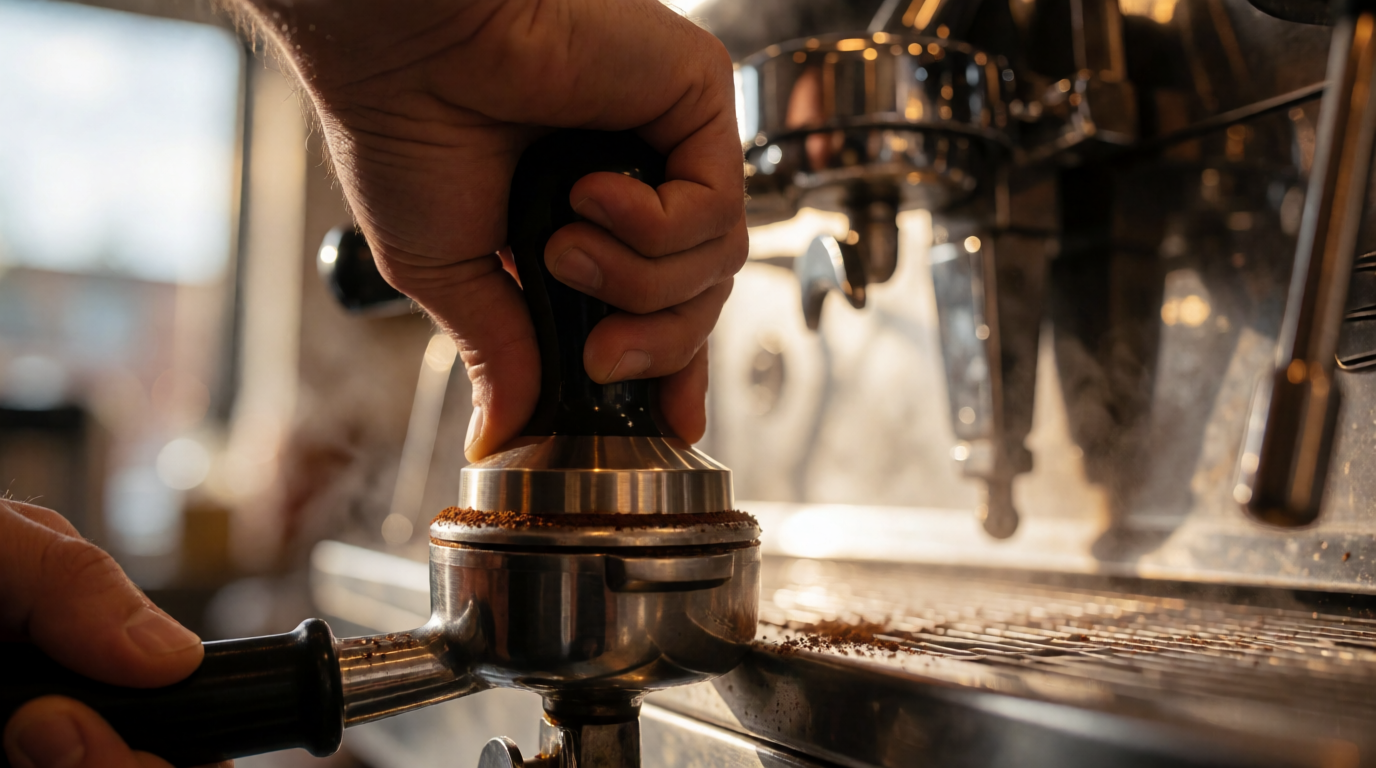
It's easy to obsess over the espresso machine and grinder — and you should — but the accessories are where many cafes unknowingly sabotage their quality. According to the Specialty Coffee Association's (SCA) brewing standards, consistent espresso extraction depends heavily on proper tamping force, even distribution, and precise temperature management. A cheap tamper that wobbles or a plastic milk pitcher that hides temperature fluctuations will introduce variability shot after shot.
A 2024 study in the Journal of Food Science found that using a precision tamper improved extraction yield consistency by 18% compared to a stock plastic tamper. That translates directly to better-tasting coffee and less waste. In my experience working with foodservice operators, the cafes that invest in a solid set of barista accessories see lower turnover of trained staff, because tools that work well reduce frustration. The National Coffee Association's 2026 Coffee Trends Report notes that 67% of specialty coffee shops report "equipment consistency" as a top factor in customer retention.
On the flip side, the cost of poor accessories is real: wasted coffee (up to 15% more puck prep time), inconsistent shots that need to be discarded, and slower service during rush. A single poorly-fitting tamper can cost you hundreds of dollars in wasted coffee over a year. That's why choosing the right accessories isn't an afterthought — it's a financial decision.
💡
Key Takeaway
Better barista accessories directly improve extraction consistency, reduce waste, and speed up workflow. Investing in the right tools pays for itself within months.
For a full tour of equipment decisions, see our Ultimate Guide to Coffee Shop Outfitting.
How to Choose Barista Accessories: A Step-by-Step Guide
Here's a proven decision framework that I've used when helping Busy Bean Coffee clients set up their bars. It filters out hype and focuses on what works in a real high-volume environment.
Step 1: Match Accessories to Your Espresso Machine's Portafilter Size
This sounds obvious, but it's the most common mistake. Portafilter sizes vary: 58mm is standard for commercial machines, but some prosumer and older commercial models use 54mm or even 53mm. Always measure the basket inner diameter before buying any tamper, distribution ring, or dosing funnel. A mismatched tamper will cause channeling and uneven extraction.
Step 2: Prioritize the Workflow Triangle
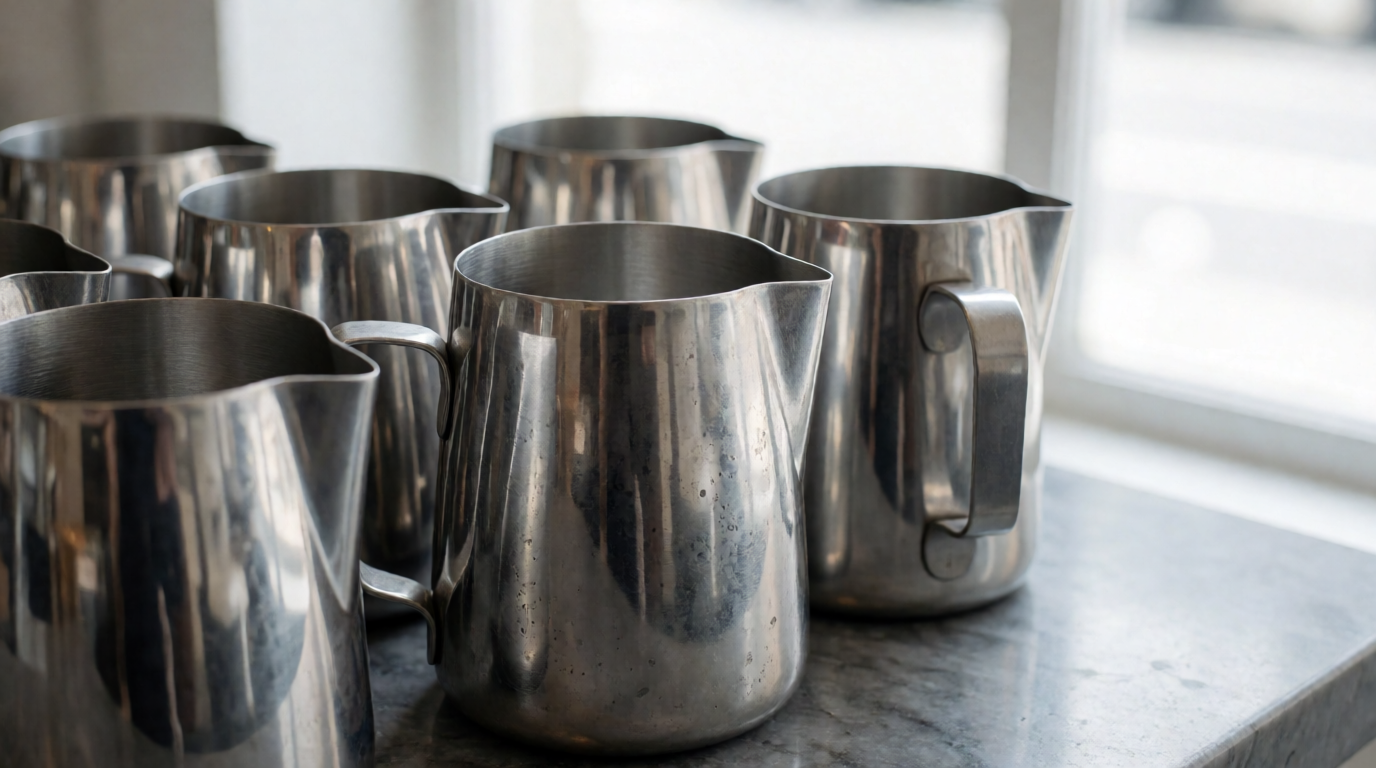
The three tools you touch most are the tamper, knock box, and milk pitcher. Those must be comfortable, durable, and easy to clean. For tamper, choose stainless steel with a flat, machined base — avoid cast aluminum, which dents over time. For knock box, get one with a removable rubber bar for easy cleaning. For milk pitcher, pick one with a spout designed for latte art if you serve cappuccinos or lattes.
Step 3: Consider Your Volume and Staff Skill Level
If you serve 200+ drinks per day, look for ergonomic handles on tampers and pitchers to reduce wrist strain. If you have a high turnover of new baristas, invest in tools that reduce skill dependence: self-leveling tampers, auto-dosing grinders with timed grind, and digital thermometers for milk. A self-leveling tamper, for instance, ensures a flat tamp even with inconsistent pressure, reducing the learning curve.
Step 4: Budget for the Long Haul
Cheap accessories break. Plastic tampers crack, knock boxes split, and thin pitchers dent. I always recommend spending 30–40% more upfront on commercial-grade items from reputable suppliers. Over three years, that extra cost is negligible compared to the cost of replacing cheap tools every six months.
💡
Key Takeaway
Measure your portafilter, prioritize high-touch tools, match accessories to volume and skill, and buy commercial-grade once.
Busy Bean Coffee offers professional installation and can help you select the right accessories as part of a wholesale equipment package.
Comparison: Materials and Design Options
| Material | Pros | Cons | Best For |
|---|---|---|---|
| Stainless Steel | Durable, heavy, easy to clean | Can be cold to touch, pricier | High-volume cafes, pro baristas |
| Plastic | Lightweight, cheap | Bends, scratches, can retain odors | Home use, low-volume shops |
| Wood | Aesthetic, warm feel, comfortable grip | Needs maintenance, can warp, harbors bacteria if not sealed | Boutique cafes, low-volume specialty shops |
| Aluminum | Light, inexpensive, good heat transfer | Dents easily, reacts with acidic coffee | Casual use, backup tools |
According to Forbes, the trend in specialty coffee for 2025–2026 is toward stainless steel and wood hybrid tools — steel for functionality, wood for ergonomics and visual appeal.
Common Questions and Misconceptions
Myth #1: You need a $200 tamper to make good espresso.
Truth: A consistent tamp matters more than an expensive one. A quality $50 stainless steel tamper from a reliable brand outperforms a $200 novelty one. Spend your budget on a good grinder first.
Myth #2: Plastic milk pitchers are fine for latte art.
Truth: Plastic pitchers don't conduct heat, so you can't feel when the milk is ready. They also hide scalding temperatures. Stick to stainless steel with a measurement scale.
Myth #3: More accessories equal better coffee.
Truth: A cluttered workspace slows you down. Start with essential five: tamper, knock box, milk pitcher, distribution tool, and cleaning brush. Add others only when you identify a specific need.
Myth #4: All knock boxes are the same.
Truth: A knock box that's too small or too lightweight will cause mess and wrist pain. Choose one with a solid base and a large rubber bar that absorbs shock.
Frequently Asked Questions
What are the essential barista accessories for a new coffee shop?
For a new shop, I recommend starting with five items: a stainless steel tamper (matching your portafilter diameter), a sturdy knock box with rubber bar, a 600ml stainless steel milk pitcher with a spout, a dosing ring to reduce mess, and a cafiza-based backflush cleaning tablet. That's roughly $150–250 upfront. Avoid buying decorative tools until you've established a consistent workflow.
How often should I replace my barista accessories?
Tamper bases should be inspected every 6 months for flatness — if you see uneven wear or wobble, replace. Milk pitchers need replacing when the spout gets dented (affects pouring). Knock boxes: when the rubber bar cracks or the base moves when banging. Generally, commercial-use accessories last 2–3 years with proper care, except for consumables like cleaning brushes (replace every 3 months).
Can I use home-quality accessories in a commercial setting?
Not if you want consistency and longevity. Home accessories are typically made with thinner metals and plastic parts that break under heavy use. Commercial-grade tools are designed to be knocked, dropped, and cleaned hundreds of times per day. The small extra cost pays off quickly — you'll save on replacement costs and downtime.
What's the most overlooked barista accessory?
A quality distribution tool (often called a "distribution ring" or "leveler") is surprisingly overlooked. It ensures the coffee grounds are evenly spread before tamping, which dramatically reduces channeling. Even a basic stainless steel distribution ring (around $30) can improve extraction consistency by 10–15%, according to internal testing by Busy Bean Coffee.
Should I buy accessories from the same brand as my espresso machine?
Not necessarily. Many machine brands sell rebranded accessories at a premium. It's often better to buy from specialized accessory manufacturers. However, ensure compatibility: portafilter size, knock box height, and pitcher spout shape matter more than branding. A tamper from a different brand can perform perfectly as long as it fits your basket.
Summary + Next Steps
Choosing the right barista accessories doesn't have to be overwhelming. Focus on the essentials: a flat, fitting tamper; a durable knock box; a comfortable milk pitcher; and a distribution tool. Invest in commercial-grade materials, match tools to your volume and staff, and always measure before you buy. This approach will save you money, reduce waste, and improve drink quality from day one.
Ready to equip your cafe or bar with professional-grade barista accessories? Busy Bean Coffee provides all-inclusive managed coffee solutions including premium SENSA equipment and accessory packages tailored to your operation. Visit www.busybeancoffee.com to learn more or schedule a consultation.
For deeper dives, check out our Wholesale vs Retail Barista Equipment guide and our Barista Equipment Training for Foodservice Teams.
Recommended Readings
To deepen your understanding of these topics, we recommend reading the following articles:
About the Author
Travis Estes is the founder of Busy Bean Coffee, a specialty coffee equipment and managed services provider for hotels, restaurants, and foodservice businesses since 2014. He has personally helped outfit dozens of commercial bars and cafes with efficient, reliable barista accessory setups.
Free Coffee Pairing Guide & Specialty Roast Cheat Sheet
Unlock the secrets of perfect brewing ratios, water temperatures, and specialty roast profiles. Download the guide.