📖This article is part of the complete guide to Ultimate Guide to Outfitting a Coffee Shop with Equipment.
I once watched a cafe owner in Mount Pleasant, SC, spend $15,000 on a top-tier espresso machine only to realize their electrical panel couldn't handle the peak load, resulting in a blown fuse every time the steam wand and pump ran simultaneously. This is a nightmare I see far too often; the gap between purchasing a machine and actually having it produce a shot of specialty coffee is where most new business owners fail. Proper coffee equipment installation is not just about plugging in a machine; it is about the precise integration of hydraulic pressure, electrical stability, and ergonomic workflow. For a comprehensive overview of the entire process, explore our Ultimate Guide to Outfitting a Coffee Shop with Equipment.
What is Professional Coffee Equipment Installation?
📚
Definition
Coffee equipment installation is the technical process of integrating commercial brewing, grinding, and filtration hardware into a physical space, ensuring all utility requirements (water, power, drainage) meet industrial safety and performance standards.
Professional coffee equipment installation is the critical bridge between a floor plan and a functioning business. It involves the strategic placement of hardware to minimize barista movement while ensuring that the infrastructure—such as dedicated 220V circuits and calibrated water filtration—can support the rigors of high-volume service. In 2026, this process has evolved beyond simple plumbing; it now includes the integration of smart monitoring systems and precision water chemistry management to protect the longevity of the machinery.
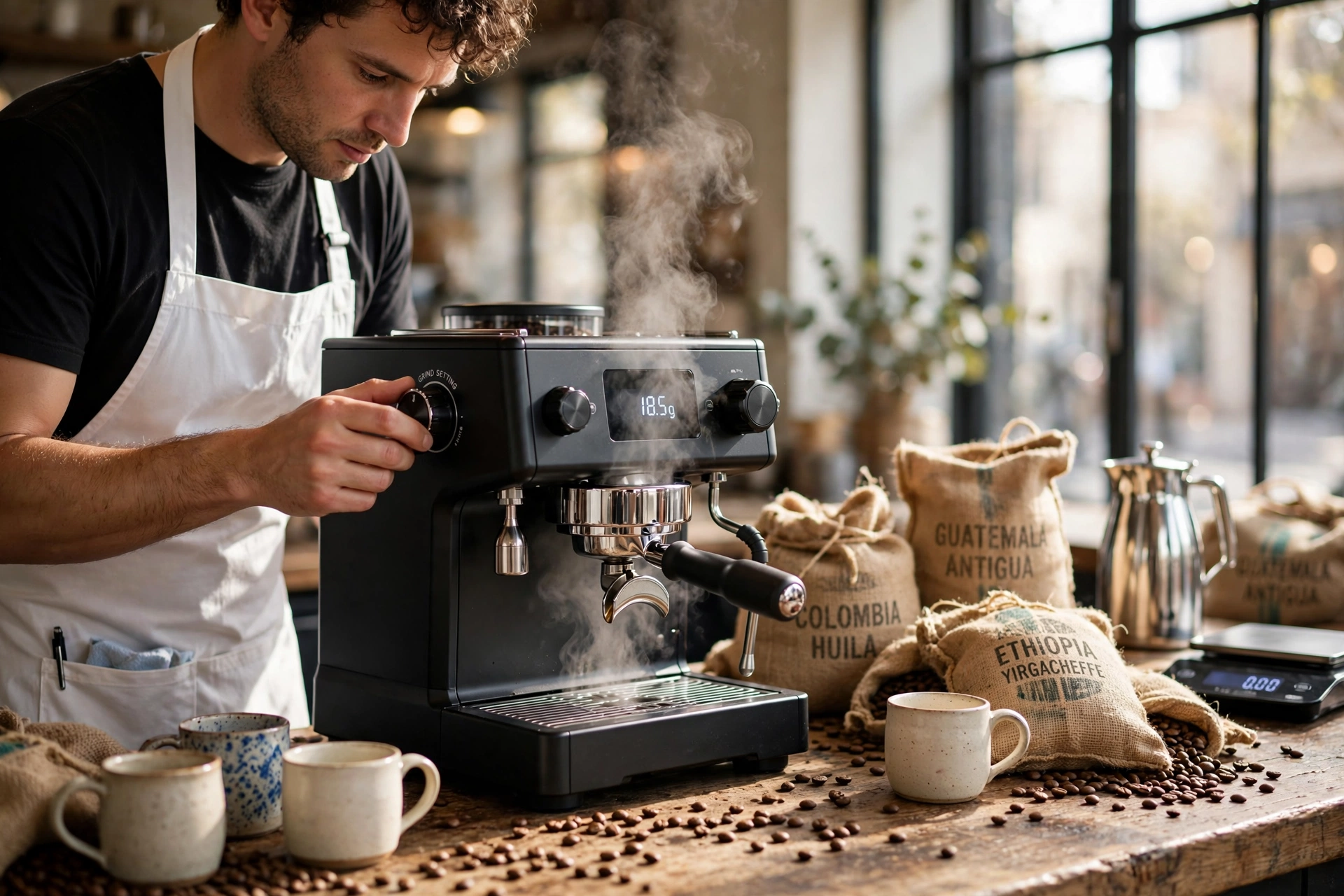
When we handle installations at Busy Bean Coffee, we don't just look at where the machine sits; we analyze the "flow of the bean." This means calculating the distance from the coffee bean storage to the grinder, and from the grinder to the espresso machine, ensuring that the barista never has to take more than two steps to complete a drink. An installation that ignores ergonomics leads to slower ticket times and increased employee fatigue, which directly impacts your bottom line.

Why Does Precision Installation Matter for Your Business?
Precision in coffee equipment installation directly dictates the consistency of your beverage quality and the operational lifespan of your assets. A machine that is installed without proper water filtration will succumb to limescale buildup within months, leading to heating element failure and inconsistent temperature stability. According to the Specialty Coffee Association (SCA), water chemistry is one of the most significant variables in coffee extraction; if your installation doesn't include a calibrated filtration system, you are essentially compromising the flavor profile of your specialty coffee before the bean even hits the water.
Furthermore, improper electrical installation creates a liability and a financial risk. Commercial machines, especially high-end espresso machines and professional coffee roasters, have immense power draws. Using an underrated circuit or an improper ground can lead to voltage drops, which cause the pumps to struggle and the PID controllers to malfunction. As noted by NSF International, adhering to strict sanitary and electrical standards (such as NSF/ANSI 4) is essential not only for safety but for passing municipal health inspections without costly rework.
Beyond the technical, the layout determines your labor cost. If your installation forces a barista to cross paths with a colleague, you create a bottleneck. In my experience working with high-volume cafes, a layout optimized during the installation phase can increase drink output by up to 25% without adding a single additional staff member. This is the difference between a shop that thrives during the morning rush and one that collapses under the pressure of a ten-drink queue.
How to Execute a Flawless Coffee Equipment Installation
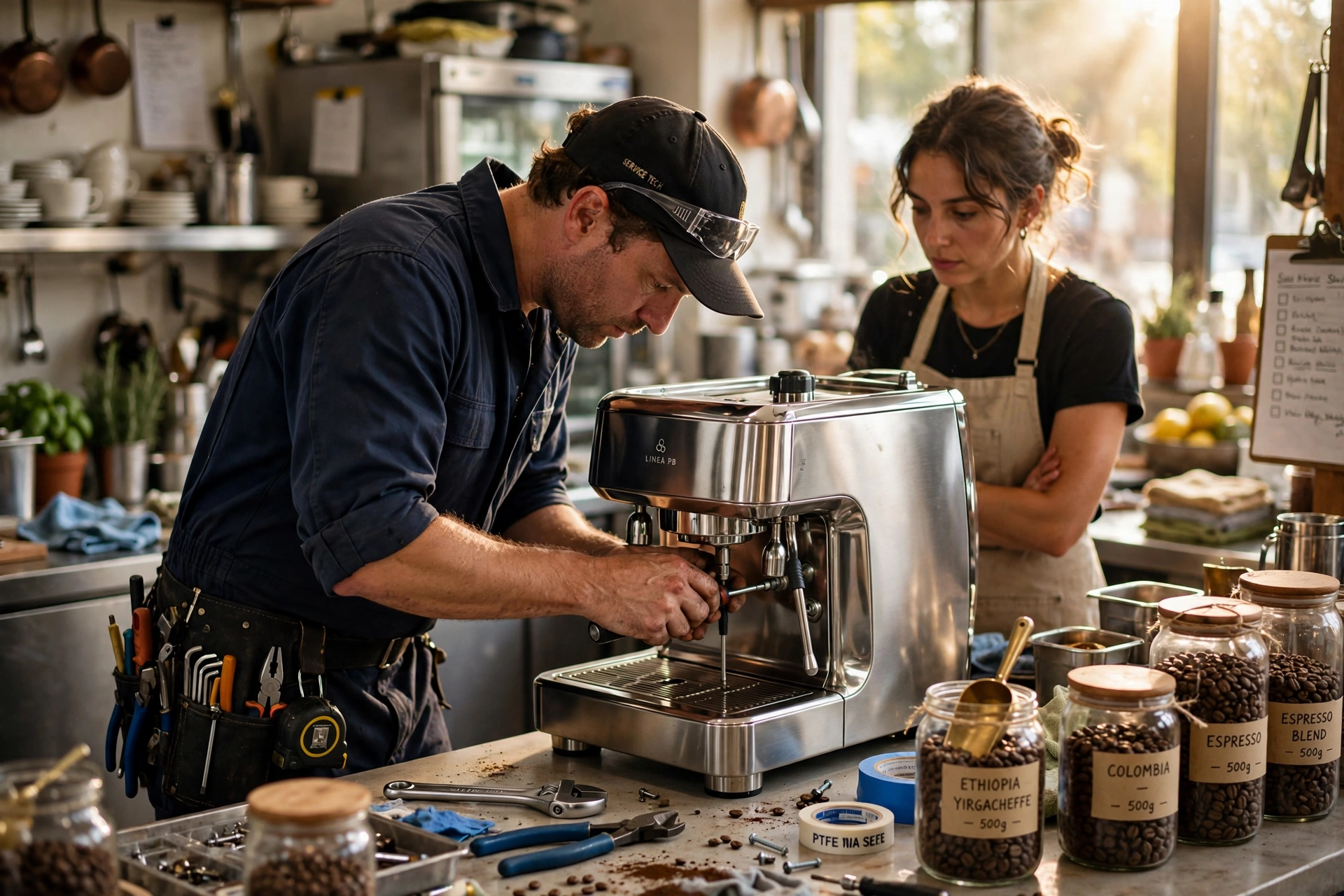
Executing a professional installation requires a phased approach that begins long before the equipment arrives at your door. The first step is a comprehensive utility audit. You must verify that your electrical panel can handle the specific amperage of your machines. For example, most professional espresso machines require a dedicated 20-amp or 30-amp circuit to avoid tripping breakers during peak steam usage. If you are installing Best Commercial Espresso Machines for Coffee Shops, this step is non-negotiable.
Step two is the hydraulic setup. This involves installing a high-capacity water filtration system and a dedicated water line. You cannot rely on standard tap water. You must implement a multi-stage filtration system that removes chlorine and adjusts mineral content to prevent scale. If you are also installing Essential Commercial Drip Coffee Brewers, ensure your water line has sufficient pressure to feed multiple machines simultaneously without a drop in flow rate.
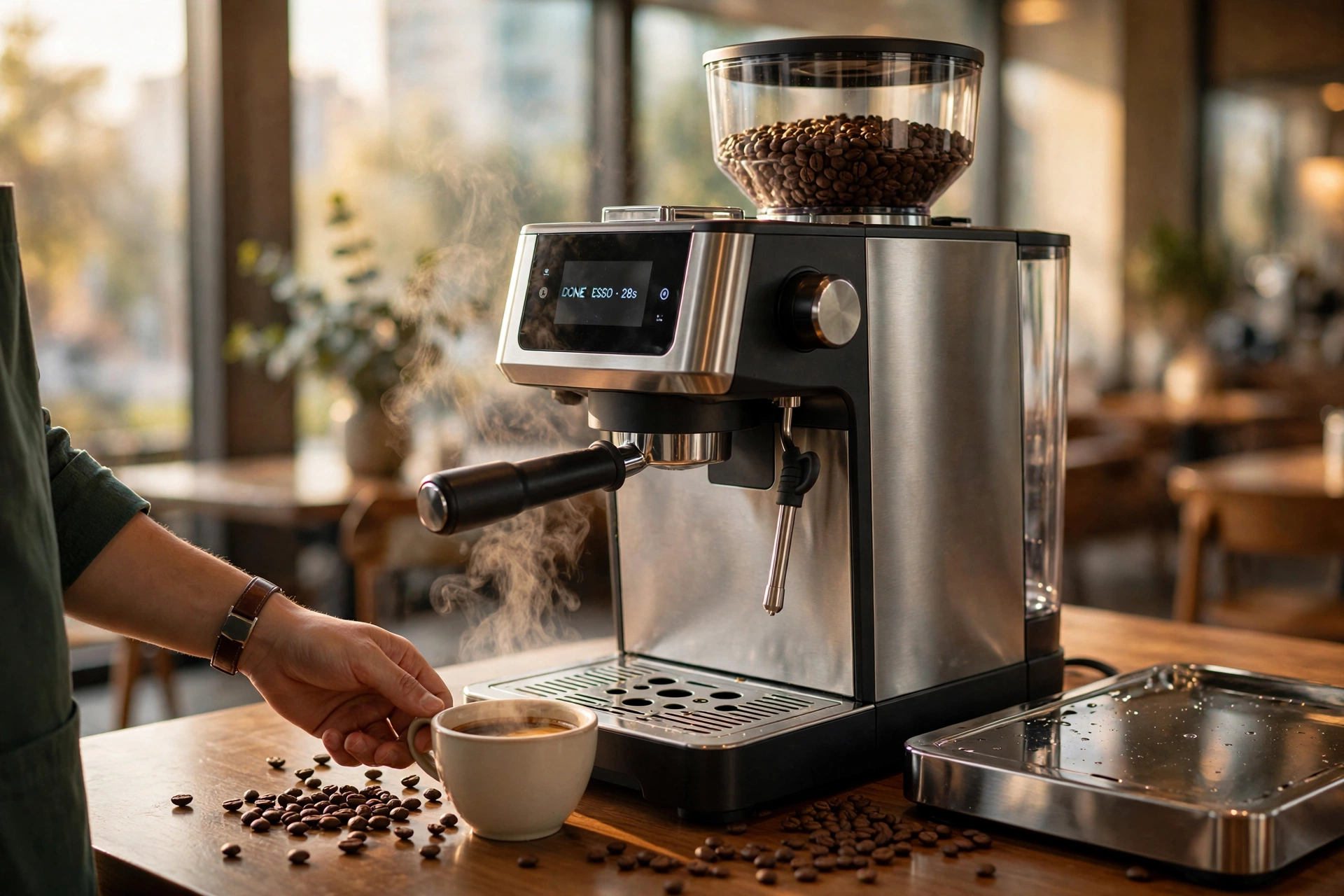
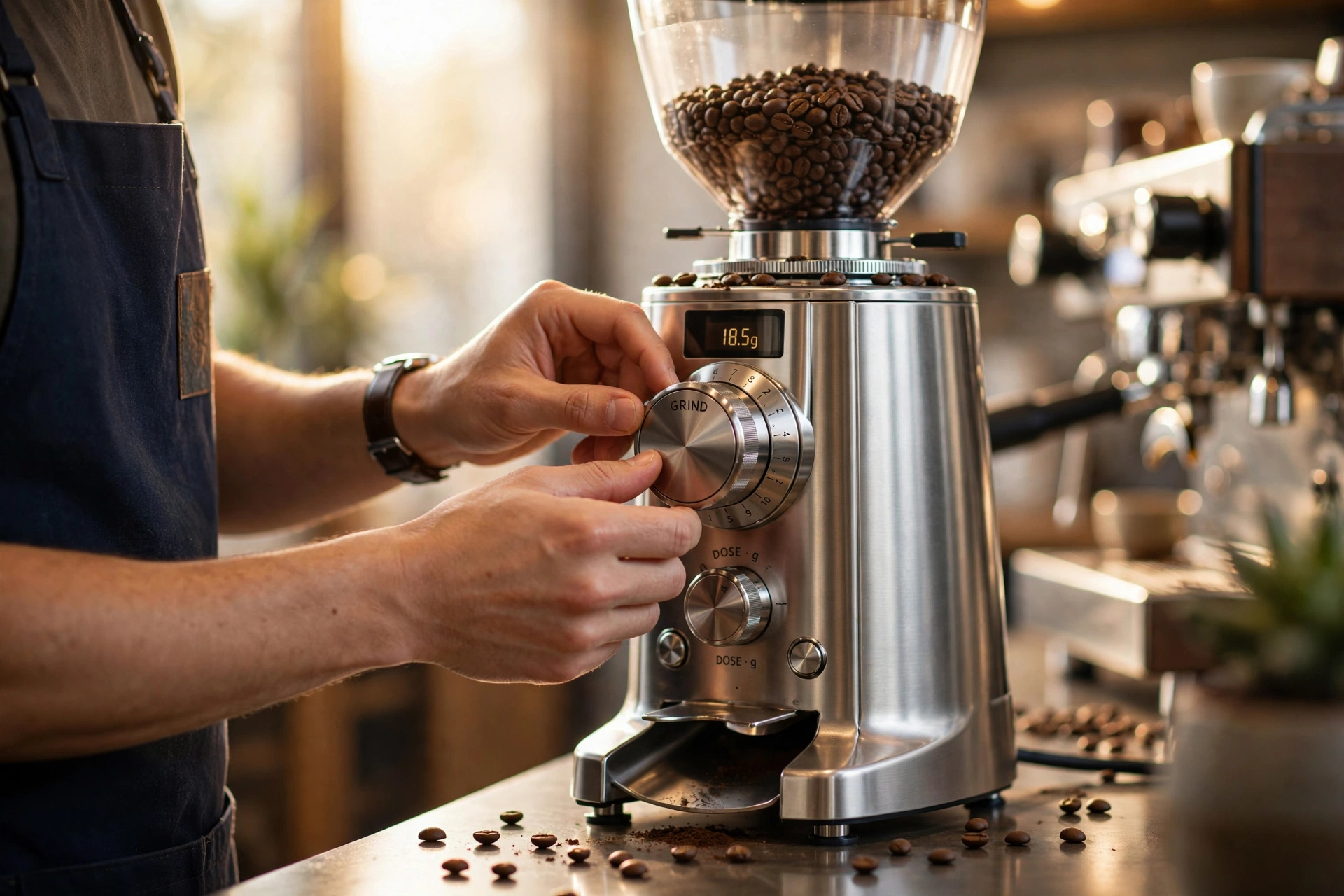
Step three is the ergonomic placement of the grinding station. The grinder should be positioned immediately adjacent to the group head of the espresso machine. When choosing How to Choose Coffee Grinders for Coffee Shops, consider the footprint of the machine; if the grinder is too far, the barista will spill more coffee grounds, increasing waste and cleaning time.
Finally, the calibration phase. Once the machines are powered and plumbed, the technician must calibrate the grind size and pump pressure. This is where the expertise of a Q-Grader becomes essential, as the technical installation must be aligned with the sensory requirements of the coffee bean. At Busy Bean Coffee, we ensure that the final step of installation is a "stress test," running the machines at full capacity for two hours to ensure no leaks occur under pressure and no breakers trip under load.
Traditional Setup vs. Cheap AI-Driven Planning vs. The Busy Bean Approach
Many owners try to save money by using generic layout software or "AI-generated" floor plans. While these tools can suggest a general arrangement, they lack the physical intuition of a technician who has installed hundreds of machines. They don't account for the "steam zone" or the heat dissipation requirements of a commercial boiler.
| Feature | Traditional/DIY Setup | Generic AI Layouts | Busy Bean Professional Installation |
|---|---|---|---|
| Utility Planning | Guesswork based on manuals | Theoretical spacing | Load-calculated electrical & hydraulic audit |
| Water Quality | Basic carbon filter | Generic recommendation | Calibrated mineral-balanced filtration |
| Ergonomics | "Where it fits" | Mathematical symmetry | Barista-centric flow optimization |
| Risk Level | High (leaks, power trips) | Medium (functional but inefficient) | Low (guaranteed performance & safety) |
Common Installation Mistakes to Avoid
One of the most frequent mistakes I see is the "under-filtration error." Owners often buy a cheap filter thinking it's enough. However, the International Coffee Organization (ICO) emphasizes that the quality of the final product is inextricably linked to the raw inputs, and water is 98% of your drink. Using an incorrect filter leads to "tasting the pipes," where metallic or chlorinated notes ruin a high-grade Arabica coffee bean.
Another common blunder is ignoring the drainage slope. Commercial equipment generates a lot of wastewater. If your drain lines aren't sloped correctly or if you use an inadequate drip tray system, you will deal with standing water, which is a breeding ground for bacteria and a primary cause of failed health inspections. According to FDA food safety guidelines, any area with standing water in a food preparation zone is a critical violation.
Finally, avoid the "overcrowding trap." In an attempt to fit every gadget—from Automatic Milk Frothers for Coffee Shops to Top Bean-to-Cup Coffee Machines for Businesses—into a small space, owners often block the ventilation ports of their machines. Commercial espresso machines generate significant heat; if they cannot breathe, the internal electronics will overheat, leading to premature component failure and expensive out-of-warranty repairs.

Best Practices for Long-Term Equipment Health
Installation isn't just about Day One; it's about Day 1,000. To ensure your equipment lasts, you must implement a rigorous maintenance schedule immediately following installation. This starts with a weekly backflush of the espresso machine and a daily cleaning of the grinder burrs. If you ignore these steps, the precision of your installation is wasted because the hardware will degrade.
💡
Key Takeaway
A professional installation is a waste of money if it isn't paired with a daily maintenance protocol. Calibration must happen every morning, not every month.
I recommend establishing a "Station Log" where baristas record the water pressure and temperature every morning. This allows you to spot a failing pump or a scaling boiler before the machine actually breaks down during a rush. When we provide managed solutions at Busy Bean Coffee, we automate this process, removing the human error factor and ensuring the machine always operates within its peak technical specifications.
Frequently Asked Questions
How much electrical power do I need for a commercial coffee setup?
Commercial setups vary, but a standard two-group espresso machine typically requires a dedicated 220V circuit. Depending on the boiler size and heating element, you may need a 20-amp or 30-amp breaker. It is essential to have a licensed electrician verify your panel's capacity to prevent voltage drops. If you are adding high-wattage items like commercial toasters or rapid-cook ovens, these must be on separate circuits to avoid overloading the system during peak hours.
What is the best water filtration for a coffee shop?
The best filtration is a multi-stage system that includes a sediment filter, a carbon block for chlorine removal, and an ion-exchange or reverse osmosis system for mineral control. You want to target a specific hardness level (typically 50-100 ppm) to ensure a balanced extraction of the coffee bean without causing scale buildup in the boiler. Always test your water chemistry before and after installation to ensure the filter is performing as expected.
Where should I place my coffee grinder relative to the espresso machine?
The grinder should be placed within an arm's reach of the portafilter lock. Ideally, the grinder should be to the right of the machine for right-handed baristas, allowing for a seamless transition from grinding to tamping to brewing. This minimizes the movement of the barista and reduces the likelihood of coffee grounds spilling on the counter, which maintains a cleaner environment and speeds up the production of each beverage.
Do I need a dedicated drain for my espresso machine?
Yes, professional espresso machines produce a significant amount of waste water from the drip tray and the group head cleaning process. A direct-plumbed drain is highly recommended over a manual drip tray that requires emptying. Direct drainage prevents overflows and reduces the risk of water damage to your cabinetry. Ensure the drain is installed with a proper P-trap to prevent sewer gases from entering the food preparation area.
How long does a professional installation typically take?
For a standard small-to-medium cafe, the physical installation of equipment usually takes 1 to 3 days, provided the electrical and plumbing rough-ins are already complete. This timeframe includes the physical placement of machines, plumbing connections, electrical wiring, and initial calibration. However, the calibration and staff training phase can take an additional week to ensure that the baristas can operate the equipment at peak efficiency while maintaining quality standards.
Conclusion
Successful coffee equipment installation is the difference between a seamless opening day and a logistical disaster. By focusing on electrical stability, precision water chemistry, and ergonomic barista flow, you protect your investment and ensure that every cup of specialty coffee meets the highest standards. Remember that the cheapest installation is often the most expensive in the long run due to repairs, downtime, and lost productivity.
If you are still in the planning stages of your build-out, don't leave your infrastructure to chance. Whether you are deciding on the right machinery or planning your floor layout, our Ultimate Guide to Outfitting a Coffee Shop with Equipment provides the complete roadmap for a successful launch. For a truly hassle-free experience, consider the all-inclusive managed coffee solutions at Busy Bean Coffee, where we handle the installation, maintenance, and premium roasts for you.
Visit www.busybeancoffee.com to learn how we can streamline your coffee operations.
Free Coffee Pairing Guide & Specialty Roast Cheat Sheet
Unlock the secrets of perfect brewing ratios, water temperatures, and specialty roast profiles. Download the guide.