📖This article is part of the complete guide to Ultimate Guide to Outfitting a Coffee Shop with Equipment.
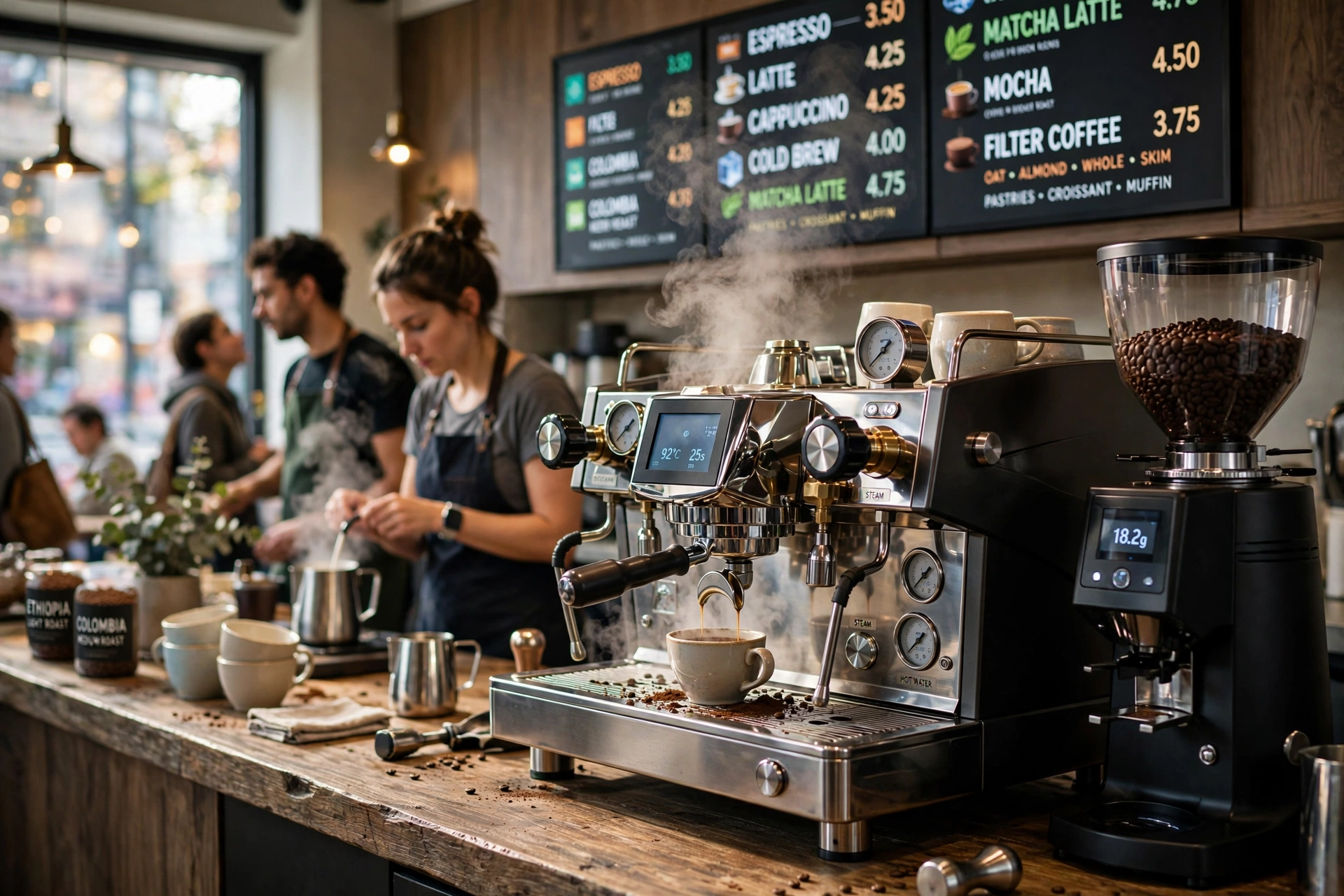
I once consulted for a mid-sized cafe in Mount Pleasant, SC, that had a twenty-page beverage menu but only one group-head espresso machine. They were losing nearly 20% of their morning revenue simply because the equipment couldn't keep up with the complexity of the menu. When your beverage offerings outpace your hardware's capacity, you aren't offering variety; you are offering a bottleneck. To scale effectively, your menu must be a reflection of your equipment's capabilities, not a wish list that ignores them.
For a comprehensive overview of how to build your foundation, explore our Ultimate Guide to Outfitting a Coffee Shop with Equipment.
What is Coffee Shop Menu Equipment Integration?
📚
Definition
Coffee shop menu equipment integration is the strategic alignment between the beverages listed on a customer-facing menu and the technical specifications, throughput, and functional capabilities of the brewing hardware installed in the shop.
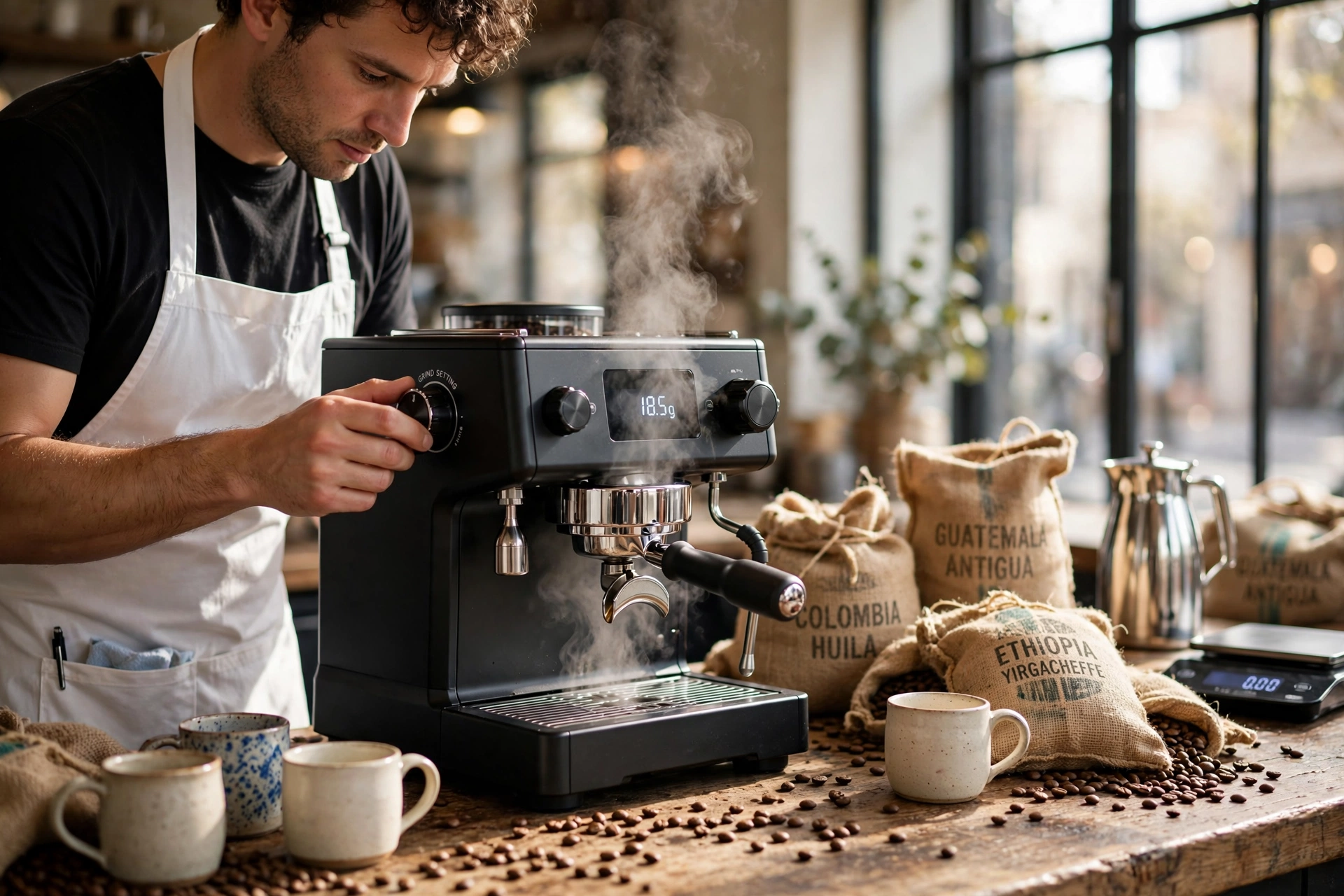
When we talk about coffee shop menu equipment, we aren't just discussing the machines themselves, but the relationship between the recipe and the tool. In my experience working with high-volume foodservice operators, the most successful businesses treat their equipment as the primary constraint of their menu design. If you want to offer a complex array of specialty lattes, flight tastings, and pour-overs, you cannot rely on a single-boiler system. You need a synchronized ecosystem of grinders, brewers, and milk stations.
Aligning your menu with your equipment means ensuring that every single item can be produced consistently within a target time window—usually under three minutes for a standard drink. If a specific drink requires a manual process that takes six minutes and stalls the queue, that item is a liability, regardless of how well it tastes. This is why choosing the right Best Commercial Espresso Machines for Coffee Shops is the first step in determining what you can actually sell without compromising quality.
Why Does the Right Equipment Matter for Your Menu Margins?
Using the correct coffee shop menu equipment directly impacts your bottom line by reducing waste and increasing throughput. When equipment is mismatched to the menu, you see a spike in "remakes" because the machine cannot maintain the temperature stability required for complex recipes. According to the Specialty Coffee Association (SCA), maintaining precise temperature control is fundamental to extracting the nuanced flavors of specialty coffee, and this precision is only possible when the equipment is rated for the volume and type of drinks being served.
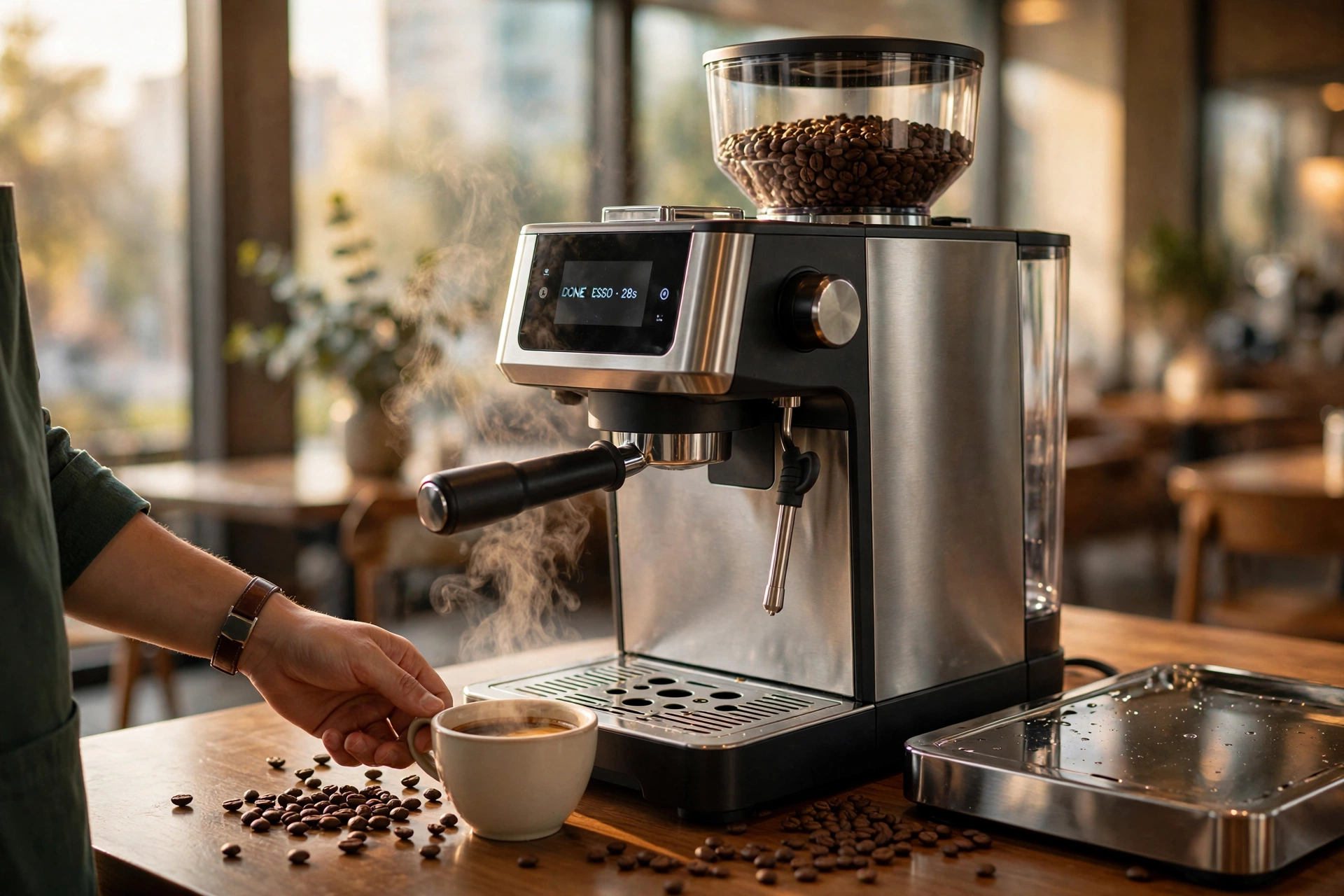
From a financial perspective, the equipment dictates your labor cost. A menu that requires a highly skilled barista to manually steam milk for every single drink increases your payroll burden. Conversely, integrating Automatic Milk Frothers for Coffee Shops allows you to offer a wide variety of milk-based beverages while maintaining consistency and reducing the training time for new staff. This shift allows you to scale your menu without linearly scaling your labor costs.
Furthermore, the National Coffee Association USA (NCA) has highlighted that consumer demand for specialty coffee is continuing to grow in 2026, with a specific trend toward customized, personalized beverage experiences. If your equipment doesn't support rapid customization—such as having multiple hoppers for different roast profiles—you lose the ability to capture the "premium" segment of the market.
💡
Key Takeaway
Equipment is the engine of your menu; if the engine is too small, the menu will stall your growth and erode your profit margins.
How to Customize Your Coffee Menu Based on Your Equipment
To build a menu that actually works, you must work backward from your hardware. The process begins by auditing your total capacity. If you have an automated system, your menu should lean into consistency and speed. If you have a manual, high-end setup, your menu should highlight the craft and the origin of the coffee bean.
Step 1: Map Your Throughput Capacity
Calculate the maximum number of drinks your current setup can produce per hour. If you are using Top Bean-to-Cup Coffee Machines for Businesses, your throughput is high and consistent, meaning you can offer a large variety of automated drinks without increasing stress on the staff. If you are relying on manual pour-overs, your menu should limit these to a "slow bar" section to manage customer expectations.
Step 2: Align Grinder Capability with Bean Variety
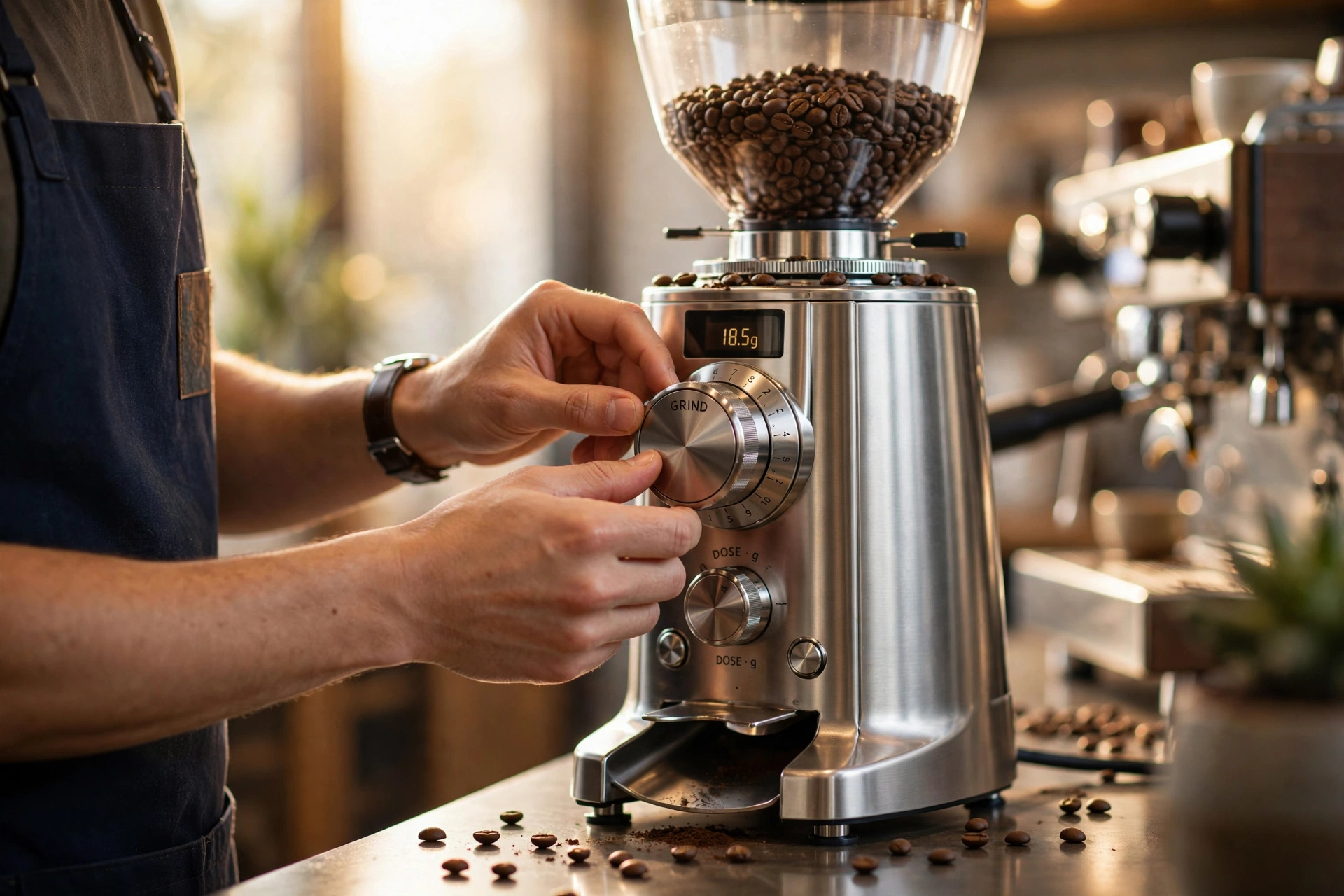
One of the biggest mistakes I see is a menu offering five different single-origin coffees while the shop only has one grinder. This leads to constant dial-in delays and wasted coffee. To properly customize your menu, you need to match the number of offerings to your How to Choose Coffee Grinders for Coffee Shops strategy. For instance, a dual-hopper grinder allows you to offer a decaf and a regular option without the downtime of switching beans.
Step 3: Balance Batch vs. Single-Cup Production
For high-volume mornings, your menu should lead with items that can be produced in batches. Integrating Essential Commercial Drip Coffee Brewers allows you to serve a significant portion of your customer base quickly, freeing up the espresso machine for the more complex, customized drinks. This hybrid approach ensures that the "quick coffee" customer doesn't get stuck behind a "complex latte" customer.
Step 4: Standardize the "Add-On" Workflow
Customize your menu by offering a set of standard modifiers (syrups, alternative milks, extra shots) that are physically positioned within arm's reach of the equipment. If the barista has to walk three steps to reach the oat milk, your menu is inefficient. The equipment layout must mirror the menu flow to maintain speed.
Comparing Menu Approaches
Depending on your business model, the way you utilize your coffee shop menu equipment will vary. Below is a comparison of how different operational strategies affect the menu and the resulting efficiency.
| Feature | Traditional Manual Approach | Generic/Cheap AI/Auto Approach | Modern Integrated Approach |
|---|---|---|---|
| Menu Flexibility | Very High (Craft-based) | Low (Fixed options) | High (Scalable & Consistent) |
| Production Speed | Slow (High friction) | Fast (Low quality) | Optimized (Professional grade) |
| Waste Levels | High (Human error) | Medium (Inconsistent) | Low (Precise dosing) |
| Labor Requirement | Expert Baristas Only | Minimum Skill | Versatile Team |
| Customer Experience | Variable / Slow | Generic / Fast | Premium / Efficient |
Common Mistakes to Avoid When Matching Equipment to Menus
In my years of roasting and consulting, I've noticed that most operators make the same three mistakes. First, they design the menu for the "ideal" day rather than the "rush" hour. A menu that looks great on a Tuesday afternoon may completely collapse on a Saturday morning if the equipment cannot handle the peak volume. Always stress-test your menu against your equipment's maximum capacity.
Second, many shops ignore the importance of water quality and filtration. You can have the most expensive espresso machine in the world, but if your water is hard, your menu will taste inconsistent. This isn't just a flavor issue; it's a maintenance issue. According to NSF International, proper equipment standards including filtration are essential for the longevity of commercial food equipment and the safety of the end product.
Third, there is the "Feature Creep" problem. This happens when a shop adds a new seasonal drink to the menu without checking if the current equipment can handle the new ingredient or process. For example, adding a thick-style frappe to a menu without a high-performance blender leads to uneven textures and slower service.
💡
Key Takeaway
Never add a menu item that requires a new technical skill or tool without first auditing how that addition affects the total drink production time.

Implementation Deep Dive: The "Golden Triangle" Workflow
To maximize the efficiency of your coffee shop menu equipment, I recommend implementing the "Golden Triangle" workflow. This is a layout strategy where the grinder, the espresso machine, and the milk station form a tight triangle. This minimizes movement and allows the barista to execute the menu with minimal physical exertion.
When you implement this, you should analyze your menu's most popular items. If 70% of your sales are milk-based drinks, your milk station becomes the apex of the triangle. If you are a specialty house focusing on black coffee and pour-overs, the drip brewers and precision scales take priority.
For businesses in high-growth areas, like those utilizing a Sensa Coffee Service in Charlotte, NC, the ability to pivot the menu based on real-time data is essential. By tracking which menu items are slowing down the line, you can either upgrade the specific piece of equipment causing the bottleneck or refine the recipe to better suit the hardware you have.
Frequently Asked Questions
How do I know if my equipment is limiting my menu?
If you notice a significant increase in customer wait times during peak hours despite having a full staff, your equipment is likely the bottleneck. Another sign is inconsistent taste; if the same drink tastes different at 8 AM and 11 AM, your equipment may be struggling with thermal stability or dosing precision. I recommend timing your most complex menu items during a rush to see if they are causing a backlog in the production line.
Can I offer a large variety of coffees with only one grinder?
Technically yes, but it is inefficient for a professional setting. Switching beans requires purging the grinder and re-dialing the grind size, which can waste significant amounts of coffee and time. To offer a diverse menu of specialty coffees, you should invest in at least two grinders—one for your house blend and one for rotating single-origins—to ensure that the quality of the Coffea arabica is preserved without interrupting the workflow.
Is it better to have more machines or a more capable machine?
It is almost always better to have one high-capacity, professional-grade machine than several smaller, consumer-grade or low-end commercial units. A single high-end espresso machine with multiple group heads provides better temperature stability and steam power, allowing one barista to handle multiple orders simultaneously. This reduces the footprint in your shop and simplifies maintenance while increasing the quality of the output.
How does automated equipment affect the "craft" feel of my menu?
Modern automated equipment, such as the SENSA systems provided by Busy Bean Coffee, allows you to maintain the quality of specialty coffee while removing the variability of human error. You can still market your menu as "specialty" because the automation ensures the precision of the extraction. The "craft" comes from the selection of the bean and the roast profile, not necessarily from the manual struggle of the barista.
What equipment is essential for a seasonal menu update?
If you are introducing seasonal drinks that require specific textures (like thick creams or blended ice), you will need a high-performance blender and perhaps a dedicated milk frother for alternative dairy. If your seasonal update involves different bean profiles, ensure your grinder can handle the change in density. I always suggest testing new seasonal recipes on your equipment for a full week before adding them to the public menu.
Conclusion
Customizing your coffee menu is not an exercise in creativity, but an exercise in engineering. When your menu is perfectly aligned with your coffee shop menu equipment, you eliminate friction, reduce waste, and create a seamless experience for both your baristas and your customers. Whether you are operating a boutique cafe or a high-volume foodservice operation, the goal is to ensure that your hardware empowers your vision rather than restricting it.
If you are still undecided on the best hardware for your specific business model, start with our Ultimate Guide to Outfitting a Coffee Shop with Equipment to ensure you have a rock-solid foundation. For those seeking a completely managed, hassle-free solution, visit Busy Bean Coffee to discover how our all-inclusive memberships can take the guesswork out of your equipment strategy.
Free Coffee Pairing Guide & Specialty Roast Cheat Sheet
Unlock the secrets of perfect brewing ratios, water temperatures, and specialty roast profiles. Download the guide.