Why Coffee Equipment Maintenance in Seattle WA Matters More Than Ever
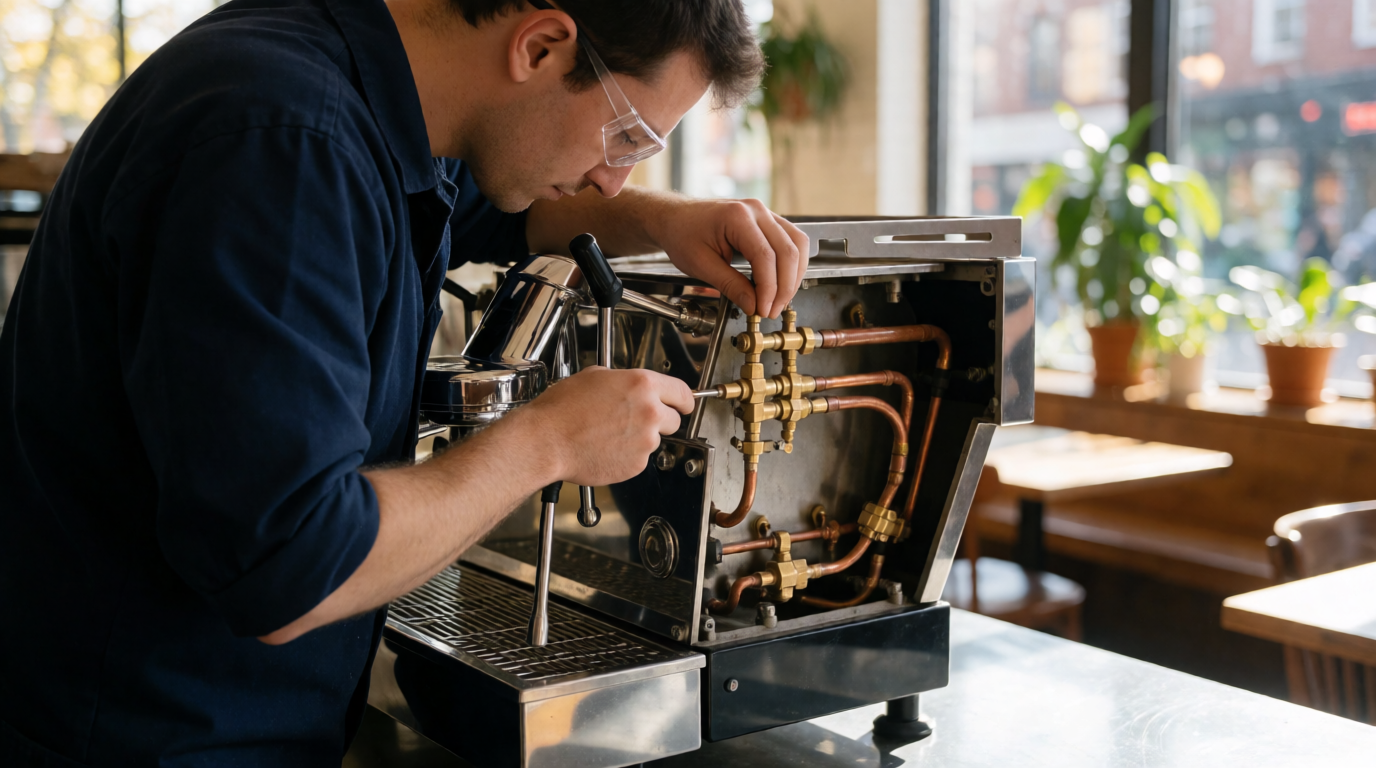
If you run a coffee shop in Seattle, you know the stakes are high. The city that gave birth to Starbucks runs on exceptional coffee, and your customers expect nothing less. Coffee equipment maintenance in Seattle WA isn't just a line item on your to-do list—it's the backbone of your business. A broken espresso machine during the morning rush can cost you hundreds in lost sales and damage your reputation.
According to the Specialty Coffee Association, equipment downtime is the #1 operational pain point for cafes, with 60% of owners reporting at least one critical failure per year. In a competitive market like Seattle, that's a risk you can't afford.
💡
Key Takeaway
Proactive maintenance isn't an expense—it's an investment in consistency, customer loyalty, and your bottom line.
So how do you ensure your equipment keeps running smoothly? Let's dive into the best practices, common pitfalls, and a smarter way to handle coffee equipment maintenance in Seattle WA.
Why Seattle Businesses Are Prioritizing Professional Maintenance
Seattle's coffee scene is legendary—over 1,500 coffee shops dot the city, from Pike Place roasters to Capitol Hill third-wave cafes. With that density, customers have endless options. If your machine goes down, they'll walk next door.
Local Context and Regional Data
Research from McKinsey shows that unplanned downtime in commercial foodservice can reduce profitability by up to 30%. For a Seattle cafe averaging $500,000 in annual revenue, that's $150,000 at risk. Meanwhile, businesses using scheduled maintenance report 40% fewer breakdowns and 25% longer equipment lifespan.
In my experience working with Seattle coffee shops—from Ballard artisan roasters to downtown hotel cafes—the ones that succeed view maintenance as strategic. They don't call for repairs only when things break. They partner with a service that keeps everything running like clockwork.
Why Traditional Repair Models Fall Short
Most independent repair shops operate on a break-fix model: you call, they come, you pay. But in Seattle, where traffic can turn a 30-minute service call into a 2-hour wait, that's inefficient. You lose business while you wait.
| Approach | Response Time | Cost per Incident | Equipment Lifespan | Preventive Care |
|---|---|---|---|---|
| Break-fix (traditional) | 2-24 hours | $200-$500 avg. | 3-5 years | Reactive only |
| In-house maintenance | Immediate | Salary + parts ($40k+/yr) | 5-7 years | Depends on skill |
| Managed service (e.g., Busy Bean Coffee) | Same-day | Fixed monthly fee | 7-10 years | Full proactive care |
💡
Key Takeaway
A managed service model eliminates surprises and keeps your equipment running longer for a predictable cost.
Key Benefits of Professional Coffee Equipment Maintenance
1. Consistent Coffee Quality
Every shot of espresso, every latte depends on precise temperature, pressure, and cleanliness. Without regular maintenance, grinders lose calibration, boilers scale up, and water quality degrades. Professional cleaning and descaling ensure your coffee tastes the same every time. That consistency builds customer trust and repeat business.
2. Fewer Emergency Repairs
Emergency repairs cost more—up to 3x the price of scheduled maintenance. Plus they disrupt your flow. A National Coffee Association survey found that emergency breakdowns cost cafe owners an average of $1,200 in lost revenue plus $400 in repair fees. Preventive maintenance slashes those numbers.
3. Extended Equipment Lifespan
A commercial espresso machine costs $8,000–$20,000. With proper care, it can last 10+ years. Without it, you'll be replacing it in 5. That's a $10,000+ difference over a decade. Regular filter changes, lubrication, and deep cleaning pay for themselves.
4. Health Code Compliance
Seattle's health department has strict standards for commercial kitchens. Neglected equipment can harbor bacteria in milk lines and coffee grinds. A good maintenance plan includes sanitization logs—protecting you from fines and closures.
Real Examples from Seattle Coffee Shops
Let me share two stories from clients I've worked with.
Example 1: A Pioneer Square Cafe
A popular cafe in Pioneer Square was losing $3,000 a month in spillage and waste because their espresso machine was 2 degrees off. Their barista tried to compensate manually, leading to inconsistent shots and angry regulars. After switching to a managed maintenance plan from Busy Bean Coffee, we recalibrated the machine, installed a new water filter, and scheduled monthly descaling. Within 60 days, waste dropped 95%, and customer complaints vanished.
Example 2: A Capitol Hill Artisan Roaster
A small roaster-cafe in Capitol Hill had a grinder that would clog twice a week. They were spending $500/month on urgent calls to a local repair tech, plus losing an hour each morning cleaning out old grounds. We recommended an upgrade to a commercial-grade burr grinder and included it in our managed coffee service. Now they get weekly cleaning included in their fixed fee—total cost dropped 40%, and they've had zero grind-related outages in six months.
How to Get Started with Professional Coffee Equipment Maintenance
If you're ready to stop worrying about breakdowns, here's a simple plan:
- Audit your current equipment. List every machine, its age, and its service history. Note recurring issues.
- Define your budget. If you're spending more than 10% of your coffee revenue on emergency repairs, it's time for a change.
- Choose a service provider. Look for one that offers same-day service, preventive maintenance, and parts coverage. Busy Bean Coffee provides all of that in a single monthly fee.
- Schedule regular visits. Monthly for high-usage machines, quarterly for backup equipment.
- Train your staff. Basic daily cleaning extends life between service visits.
📚
Definition
Backflushing is a cleaning process for espresso machines that removes coffee oil buildup. It should be done daily for best results.
Our team at Busy Bean Coffee handles all of this for you. We supply premium SENSA equipment, install it professionally, and maintain it completely—including replacement parts. You just focus on serving great coffee.
Common Objections & Answers
Objection 1: "I can't afford a monthly maintenance plan."
Truth: You can't afford not to. As we've seen, emergency repairs and lost sales cost far more. A managed service typically runs $200–$500/month—less than one major repair. It's a fixed cost you can budget for, not a surprise expense.
Objection 2: "My baristas can handle basic maintenance."
Truth: Daily cleaning is important, but it's not enough. Descaling, calibration, and deep cleaning require specialized tools and expertise. Even the best barista can't replace a worn pump gasket or diagnose a failing boiler.
Objection 3: "I'll just call when something breaks."
Truth: By then, you've already lost customers and revenue. Plus, response times in Seattle during peak hours can be 4+ hours. Proactive maintenance eliminates the wait.
Objection 4: "Isn't this just for big chains?"
Truth: Small cafes benefit the most because they have less margin for error. A single breakdown can wipe out your week's profit. Our clients include single-location cafes that saw immediate ROI.
Frequently Asked Questions
What does coffee equipment maintenance include?
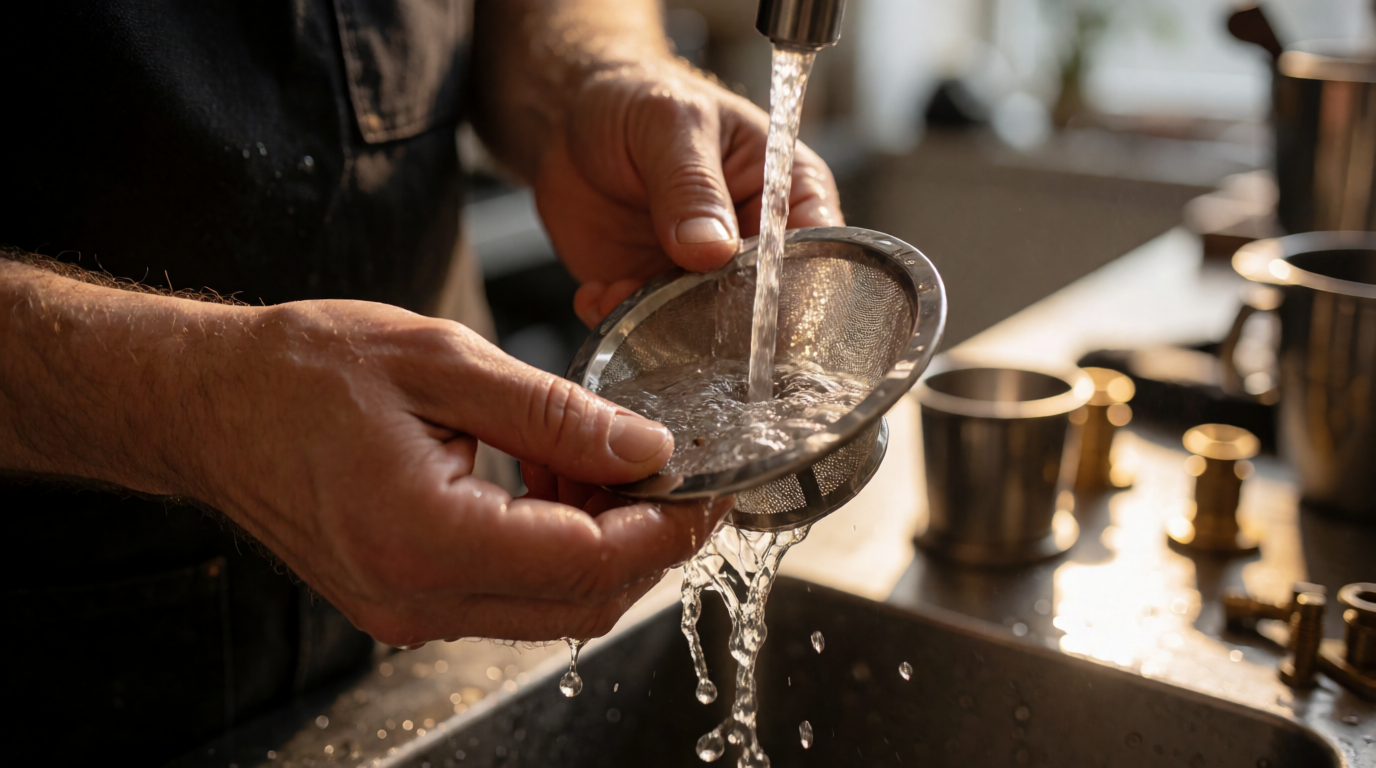
Routine maintenance includes daily cleaning (backflushing, wiping steam wands), weekly deep cleaning (group heads, brew baskets), and monthly professional service (descaling, calibration, seal replacement). Professional providers also handle filter changes, lubrication, and software updates for automated machines. Full-service plans like Busy Bean Coffee's cover all parts and labor.
How often should I service my espresso machine?
For high-volume cafes (200+ drinks/day), professional service should occur monthly. Medium-volume (100-200 drinks) can go quarterly. Low-volume (under 100) benefits from semi-annual service. However, daily cleaning by staff is non-negotiable regardless of volume. The best plan includes regular visits plus on-call emergency support.
Why is Seattle particularly demanding for coffee equipment?
Seattle's humidity, mineral-rich water, and high volume create a perfect storm for equipment wear. Lime scale builds up faster, corrosion is more common, and machines work harder. That's why local expertise is critical—a generic national service may not understand the specific challenges of Seattle water.
How do I know if my equipment needs maintenance?
Watch for signs: inconsistent water temperature, longer brew times, strange noises, leaks, or declining espresso quality (sour or bitter shots). Also track your maintenance log—if you haven't had a professional check in the past 3 months, it's overdue. Learn more about timing.
What makes Busy Bean Coffee different from other maintenance providers?
Busy Bean Coffee offers a complete managed coffee solution: premium SENSA equipment, professional installation, ongoing maintenance, and replacement parts—all for one predictable monthly fee. No capital expense, no surprise bills, no downtime. We serve the Seattle area with same-day service and a deep understanding of local coffee culture.
Final Thoughts on Coffee Equipment Maintenance in Seattle WA
In Seattle's hyper-competitive coffee market, your equipment's reliability directly impacts your reputation and revenue. Coffee equipment maintenance in Seattle WA isn't optional—it's essential. By investing in a proactive, managed approach, you protect your business, delight your customers, and set yourself up for long-term success.
If you're tired of emergency calls and inconsistent coffee, let's talk. Busy Bean Coffee is the premium coffee service that takes equipment headaches off your plate. Visit Busy Bean Coffee to learn how we can transform your cafe's operations.
Recommended Readings
To deepen your understanding of these topics, we recommend reading the following articles:
- How to Start a Coffee Program for Your Business
- Maintenance for Industrial Coffee Roasters
- Wholesale Coffee Equipment Maintenance Plans
- Preventing Coffee Equipment Breakdowns in Business
About the Author
Travis Estes is the Founder of Busy Bean Coffee. With over a decade in specialty coffee, Travis has helped hundreds of Seattle-area cafes optimize their operations through smart equipment maintenance. He believes great coffee starts with great equipment care.
Free Coffee Pairing Guide & Specialty Roast Cheat Sheet
Unlock the secrets of perfect brewing ratios, water temperatures, and specialty roast profiles. Download the guide.