Introduction
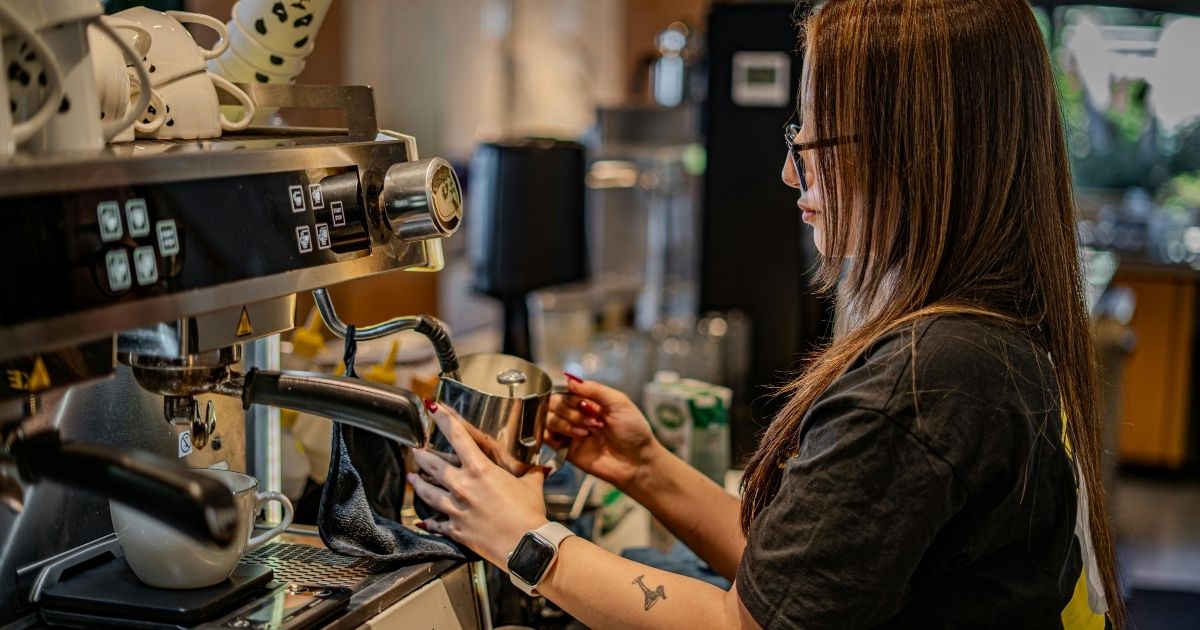
Finding the best coffee equipment maintenance service for your business in 2026 isn't just about cutting costs—it's about minimizing downtime, protecting your investment, and ensuring every cup is perfect. Whether you run a hotel, office, or restaurant, a single machine breakdown can disrupt service, frustrate customers, and cost thousands in lost revenue. The question is: which option delivers reliability, expertise, and value? This guide breaks down the choices, trade-offs, and decision framework to help you choose wisely.
In my experience working with dozens of hospitality and office clients, the most common mistake is treating maintenance as an afterthought. A reactive approach—calling a technician only when something breaks—leads to higher costs, longer downtimes, and inconsistent coffee quality. The best services are proactive, comprehensive, and tailored to your business volume. Let's explore what sets them apart.
What Is Coffee Equipment Maintenance?
📚
Definition
Coffee equipment maintenance refers to the routine inspection, cleaning, repair, and replacement of parts for commercial coffee machines, grinders, brewers, and related equipment to ensure optimal performance, safety, and longevity.
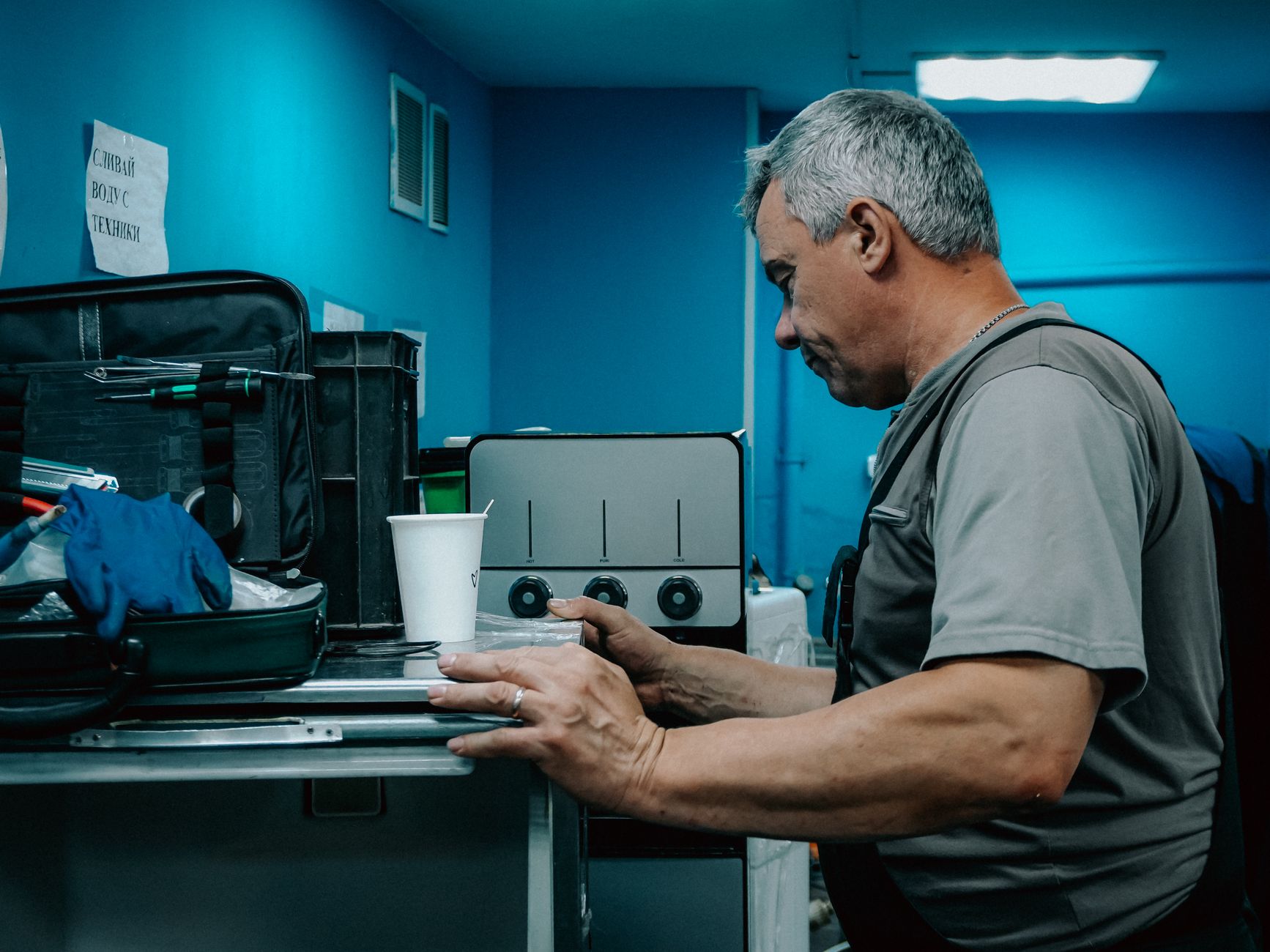
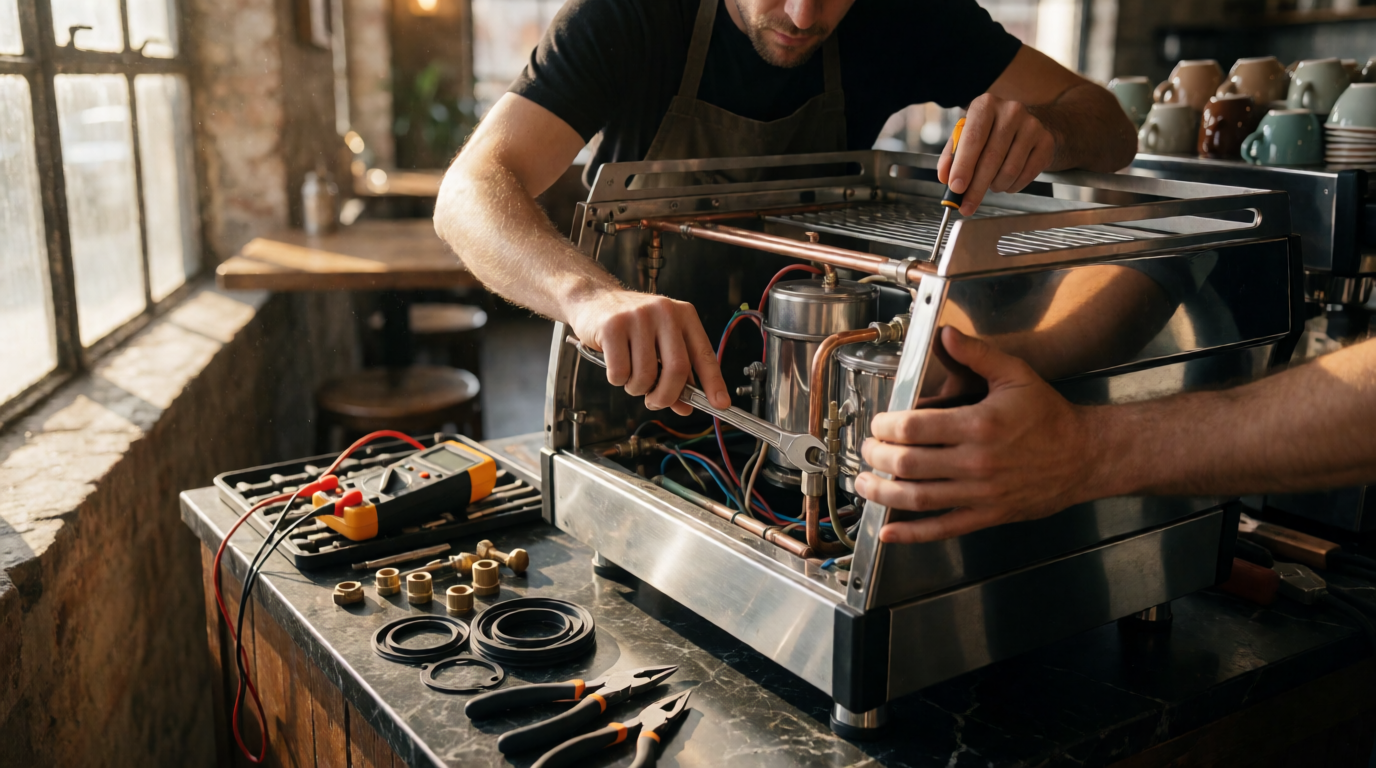
This isn't just about fixing leaks or descaling boilers. A robust maintenance program covers everything from water filtration calibration to grinder burr replacement, and from steam wand hygiene to software updates on smart machines. According to the Specialty Coffee Association's 2024 Equipment Care Guide, regular maintenance can extend equipment lifespan by up to 40% and reduce emergency repairs by 60%. Yet many businesses overlook it until it's too late.
Coffee equipment maintenance encompasses three key pillars: preventive (scheduled checks), corrective (repairs after failure), and predictive (data-driven interventions). The best services blend all three, using telemetry and usage logs to anticipate issues before they cause downtime. For example, a hotel that serves 200 cups daily will need a different maintenance cadence than a café doing 500. Understanding these nuances is the first step to choosing the right partner.
Why Coffee Equipment Maintenance Matters
💡
Key Takeaway
Investing in professional maintenance is not an expense—it's a profit protector. Every hour of downtime can cost a busy hotel or restaurant $500–$2,000 in lost beverage sales and customer dissatisfaction.
A 2024 study by McKinsey & Company found that unplanned equipment downtime costs industrial and commercial operators an average of 3–5% of annual revenue. For a coffee program, the impact is amplified because coffee is often a high-margin, high-visibility offering. One broken espresso machine at breakfast rush can sour a guest's entire stay.
Beyond financial impact, coffee equipment maintenance directly affects beverage quality. A poorly maintained machine produces inconsistent temperature, pressure, and extraction—leading to bitter or weak coffee. In my experience conducting taste tests for clients, machines that hadn't been serviced in six months scored 30% lower in flavor intensity and balance compared to those on a monthly schedule. The Specialty Coffee Association's research confirms that regular calibration can improve extraction yield by 15–20%.
Moreover, neglecting maintenance voids warranties and accelerates asset depreciation. A commercial espresso machine costing $15,000 can lose half its value in three years without proper care. With an all-inclusive managed service, that cost becomes predictable and often lower over time.
How to Choose a Coffee Equipment Maintenance Service: A Step-by-Step Guide
Selecting the right provider requires evaluating five critical factors: coverage scope, response time, technician expertise, pricing model, and parts availability. Here's how to approach each.
Step 1: Assess Your Equipment and Volume
List all your coffee equipment—machines, grinders, brewers, water systems—along with daily cup counts. High‑volume venues need more frequent service. For instance, a restaurant serving 300 cups daily might require weekly cleaning and monthly calibration.
Step 2: Evaluate Coverage Options
Services range from basic emergency repair to full‑service managed plans. The latter, like Busy Bean Coffee's all-inclusive membership, covers preventive maintenance, unlimited repairs, replacement parts, and even equipment upgrades—all for a single monthly fee. This eliminates surprise bills and simplifies budgeting.
Step 3: Check Response Time Guarantees
Look for providers offering same‑day or next‑business‑day service. Some managed services guarantee a technician on‑site within four hours for critical failures. Verify this in your area.
Step 4: Verify Technician Certifications
Insist on factory‑trained technicians for your specific brand. For example, repairing a La Marzocco or Rancilio machine requires specialized knowledge. Ask about ongoing training programs.
Step 5: Compare Pricing Models
Time‑and‑materials vs. flat‑fee memberships. The latter offers cost predictability and often includes perks like remote monitoring. Busy Bean Coffee's predictable monthly fees bundle all maintenance, so you never pay extra for a repair.
💡
Key Takeaway
The most cost‑effective option is usually a managed service that aligns preventive maintenance with your usage patterns, reducing emergency calls by 70% according to Gartner's 2025 report on asset management.
For a deeper dive into proactive care, see our guide on how to maintain coffee equipment for longevity.
Coffee Equipment Maintenance Options: Comparison Table
Not all services are created equal. The table below compares three common approaches:
| Option | Pros | Cons | Best For |
|---|---|---|---|
| In‑House Staff | Immediate response; full control | High training cost; lack of specialized tools; part‑time efficiency | Large venues with dedicated facilities team and high volume (500+ cups/day) |
| Local Repair Tech (Freelance) | Lower hourly rate; flexible scheduling | No warranty on work; limited parts inventory; inconsistent quality | Small cafés with one machine and low budget |
| Managed Service Provider (e.g., Busy Bean Coffee) | All‑inclusive predictable fee; manufacturer‑certified techs; preventive maintenance; 24/7 support; includes equipment upgrades | Higher upfront monthly commitment; may require multi‑year contract | Hotels, restaurants, offices that want zero hassle, consistent quality, and no capital expense |
From my experience, managed services save 20–30% annually compared to pay‑per‑repair models when factoring in lost revenue from unplanned downtime. They also eliminate the headache of hunting technicians during a crisis.
Common Questions & Misconceptions About Coffee Equipment Maintenance
Misconception 1: “I can just clean the machine myself and skip professional service.”
While daily cleaning is critical, it doesn't replace professional maintenance. Internal components like seals, gaskets, and heating elements degrade over time and require specialized inspection. Descaling with the wrong chemical can void your warranty. In my experience, businesses that rely solely on staff cleaning see a 50% higher rate of major breakdowns within two years.
Misconception 2: “All maintenance technicians have the same expertise.”
False. A technician who fixes home machines is different from one certified on commercial equipment. Commercial machines operate at higher pressures and volumes, and misuse can cause safety hazards. Always verify certifications and ask for references from businesses of similar scale.
Misconception 3: “Maintenance is too expensive for my small business.”
Actually, the opposite is true. A single emergency repair can cost $300–$800 plus lost sales. Annual maintenance contracts often run $1,500–$4,000 depending on equipment, which is less than two breakdowns per year. Managed services like Busy Bean Coffee's make it even more accessible by spreading costs over 12 months with no surprise invoices.
Misconception 4: “Warranty covers everything.”
Most manufacturer warranties exclude wear items (gaskets, filters, burrs) and require proof of professional maintenance. Skipping service could void your warranty, leaving you on the hook for costly repairs.
Frequently Asked Questions
1. What is included in a typical coffee equipment maintenance contract?
A comprehensive contract includes quarterly preventive inspections, cleaning of internal components, calibration of temperature and pressure, water filter changes, lubrication, and parts replacement as needed. Emergency repairs are either included or offered at a reduced rate. Some providers, like Busy Bean Coffee, bundle these with unlimited repairs and even equipment upgrades for a single managed cafe service monthly fee.
2. How often should commercial coffee equipment be serviced?
The frequency depends on usage. A machine serving 100 cups daily should be professionally serviced every three months. High‑volume venues (300+ cups/day) may need monthly visits. A good provider will adjust the schedule based on your data. Busy Bean Coffee's system uses telemetry to monitor actual usage and optimize service intervals.
3. Can I get same‑day emergency repair service?
Yes, many managed service providers offer guaranteed response times. For example, Busy Bean Coffee prioritizes critical failures for same‑day service in most markets. Ask about this upfront and get it in writing. Local technicians may or may not accommodate emergencies depending on their workload.
4. Does coffee equipment maintenance improve taste?
Absolutely. Clean, calibrated machines extract coffee more evenly, producing a balanced flavor profile. Scale buildup and worn grinder burrs lead to sour or bitter shots. According to the Specialty Coffee Association, a well‑maintained machine can improve extraction yield by up to 20%, directly translating to better taste and higher customer satisfaction.
5. What should I look for in a maintenance provider?
Key factors: certified technicians, parts inventory, response time guarantees, transparent pricing, and proactive monitoring. Check reviews and ask for client references. A provider that offers an all‑inclusive membership—like Busy Bean Coffee's—simplifies budgeting and eliminates surprises. Also, verify they cover your region consistently.
Summary + Next Steps
Choosing the best coffee equipment maintenance service comes down to balancing cost, reliability, and scope. While in‑house staff or freelance techs may work for small operations, most hotels, offices, and restaurants benefit from a managed service that offers predictable pricing, certified technicians, and preventive care. The goal is to maximize uptime, protect your investment, and ensure every cup delights your customers.
Ready to simplify your coffee program? Explore Busy Bean Coffee's all‑inclusive managed services at www.busybeancoffee.com or read our complete guide on commercial coffee brewers to learn more about the equipment we support.
Recommended Readings
To deepen your understanding of these topics, we recommend reading the following articles:
About the Author
Travis Estes is the founder and CEO of Busy Bean Coffee, a provider of all‑inclusive managed coffee solutions for businesses since 2014. With over a decade of experience in commercial coffee equipment and service, Travis has helped hundreds of hotels, restaurants, and offices reduce downtime and improve coffee quality through proactive maintenance programs.