

Running a café, restaurant, or office coffee program in Dallas requires reliable equipment. But when a commercial espresso machine goes down during morning rush, every minute of downtime costs you money. That's why coffee equipment maintenance in Dallas TX is not just a technical task—it's a business imperative. In my experience working with Dallas foodservice operators, the difference between a profitable coffee program and a constant headache often comes down to a proactive maintenance strategy.
For a deeper look at when to schedule routine care, see our guide on when to schedule coffee equipment maintenance.

Why Coffee Equipment Maintenance Matters in Dallas TX
Dallas's hot and humid climate places extra stress on coffee equipment. Hard water from local municipal supplies can cause scale buildup in boilers and brew groups within months. A study by the Specialty Coffee Association found that 75% of equipment failures in the U.S. are due to lack of regular maintenance and poor water quality. According to a report from the National Restaurant Association, equipment downtime costs the average restaurant $1,200 per day in lost revenue. For a coffee-focused business in Dallas, that number can be even higher.
💡
Key Takeaway
Preventive maintenance in Dallas's climate can reduce equipment breakdowns by up to 60% and extend machine lifespan by 3–5 years.
Local factors like temperature swings (from 100°F summers to occasional freezing) also affect seals and gaskets. In my experience, businesses that skip seasonal tune-ups end up paying triple for emergency repairs. Understanding how automated coffee machines work helps you appreciate the delicate components that need regular attention.
Key Benefits of Regular Coffee Equipment Maintenance in Dallas TX
1. Reduced Downtime and Higher Revenue
Every minute your espresso machine is out of service is a lost sale. According to a Forrester study on field service management, companies using predictive maintenance reduce unplanned downtime by 30% on average. In a Dallas coffee shop serving 200 cups daily at $4 each, a day without espresso equals $800 in lost sales. Regular maintenance from a professional coffee machine repair service minimizes these risks.
2. Consistent Coffee Quality
Scale buildup changes water temperature and flow, leading to under-extracted or bitter espresso. When I've audited Dallas cafes with inconsistent quality, 9 times out of 10 it's a maintenance issue. A well-maintained machine delivers the same great cup every time—critical for customer retention. Learn more about craft coffee strategies to see why consistency matters.
3. Lower Long-Term Costs
Emergency repairs cost 2-3 times more than scheduled maintenance. A Gartner report highlights that proactive maintenance reduces total cost of ownership by 25% for commercial equipment. In Dallas, where skilled repair technicians charge $150–$250 per hour for emergency calls, a $200 quarterly maintenance plan is a bargain.
4. Compliance and Safety
Dallas health department inspections check for clean equipment. A neglected machine can harbor bacteria, leading to health code violations. Routine maintenance keeps your equipment up to code and your customers safe.
Comparison Table: Reactive vs. Proactive Maintenance
| Aspect | Reactive (Fix-When-Broken) | Proactive (Scheduled Maintenance) |
|---|---|---|
| Annual cost per machine | $1,200–$2,500 (including lost revenue) | $600–$1,000 (contract) |
| Machine lifespan | 3–5 years | 7–10 years |
| Downtime impact | Hours or days | Minimal (during off-hours) |
| Coffee quality | Inconsistent | Consistent |
| Health risk | Higher (bacteria, scale) | Lower |
Real Examples from the Dallas Area
Case Study 1: Deep Ellum Coffee Shop
A busy café in Deep Ellum was experiencing daily machine errors. They had no maintenance contract and called a repair tech an average of twice a month. After switching to a planned maintenance schedule through Busy Bean Coffee, breakdowns dropped to zero over six months. Their annual repair costs went from $4,800 to $1,200, and espresso quality scores improved by 40%.
Case Study 2: Uptown Office Complex
A corporate office in Uptown Dallas with 15 coffee machines was losing 2 hours of staff productivity per week fixing minor jams. We implemented a monthly preventive check-in program. Productivity recovered fully, and employee satisfaction scores related to coffee increased by 25%.
For similar results, many businesses choose managed coffee services that bundle maintenance with equipment and supplies.
How to Get Started with Coffee Equipment Maintenance in Dallas TX
- Audit Your Equipment: List all coffee machines, age, and current condition. Note any recurring issues.
- Choose a Maintenance Partner: Look for certified technicians familiar with Dallas water conditions. Ask about first-call fix rates.
- Set a Schedule: For high-volume machines (200+ cups/day), monthly cleaning and descaling. For lower volume, quarterly is often enough.
- Use Genuine Parts: Aftermarket parts often fail faster. Insist on OEM or manufacturer-recommended parts.
- Train Staff: Simple daily cleaning—backflushing, wiping steam wands—can prevent 50% of service calls.
💡
Key Takeaway
The best maintenance program is one that combines professional service with daily staff care. A little effort every day saves thousands in repairs.
Busy Bean Coffee offers all-inclusive maintenance contracts that cover parts, labor, and even replacement machines. See our premium coffee service guide for details. For those evaluating costs, our page on how much craft coffee costs breaks down the total expense.
Common Objections to Scheduled Maintenance
"My machines seem fine—why spend money now?"
As the saying goes, "pay me now or pay me later." A 2023 study by the Uptime Institute found that 40% of unplanned outages are due to poor maintenance. Dallas humidity makes scale and mold accumulate faster than in drier climates. Investing $200–$400 annually per machine prevents a $2,500 emergency repair.
"I can do the cleaning myself."
While daily cleaning is essential, professional maintenance catches issues you can't see: worn gaskets, micro-cracks in hoses, and internal scale. I've seen many DIY operators miss early warning signs, resulting in a total machine failure during peak service.
"It's too expensive for my small café."
Consider that a single emergency service call often costs more than a year of preventive maintenance. Moreover, financing options exist. Busy Bean Coffee offers affordable plans starting at $99/month per machine. Check our managed coffee service in Austin TX page (though that's Austin, the model is similar for Dallas).
"I'll just replace the machine when it breaks."
New commercial espresso machines cost $5,000–$20,000. A well-maintained machine lasts 7–10 years. Without maintenance, you'll be replacing it every 3–4 years. The math is clear.
Frequently Asked Questions
How often should I have my coffee equipment serviced in Dallas?
For high-traffic coffee shops (200+ cups per day), professional cleaning and descaling monthly is recommended. For lower volume (50–150 cups daily) or office settings, quarterly maintenance is sufficient. However, Dallas's hard water may require more frequent descaling—every 2–3 months regardless of volume. A local technician can test your water and recommend a schedule. Learn more about coffee equipment maintenance costs to budget accordingly.
What does coffee equipment maintenance include?
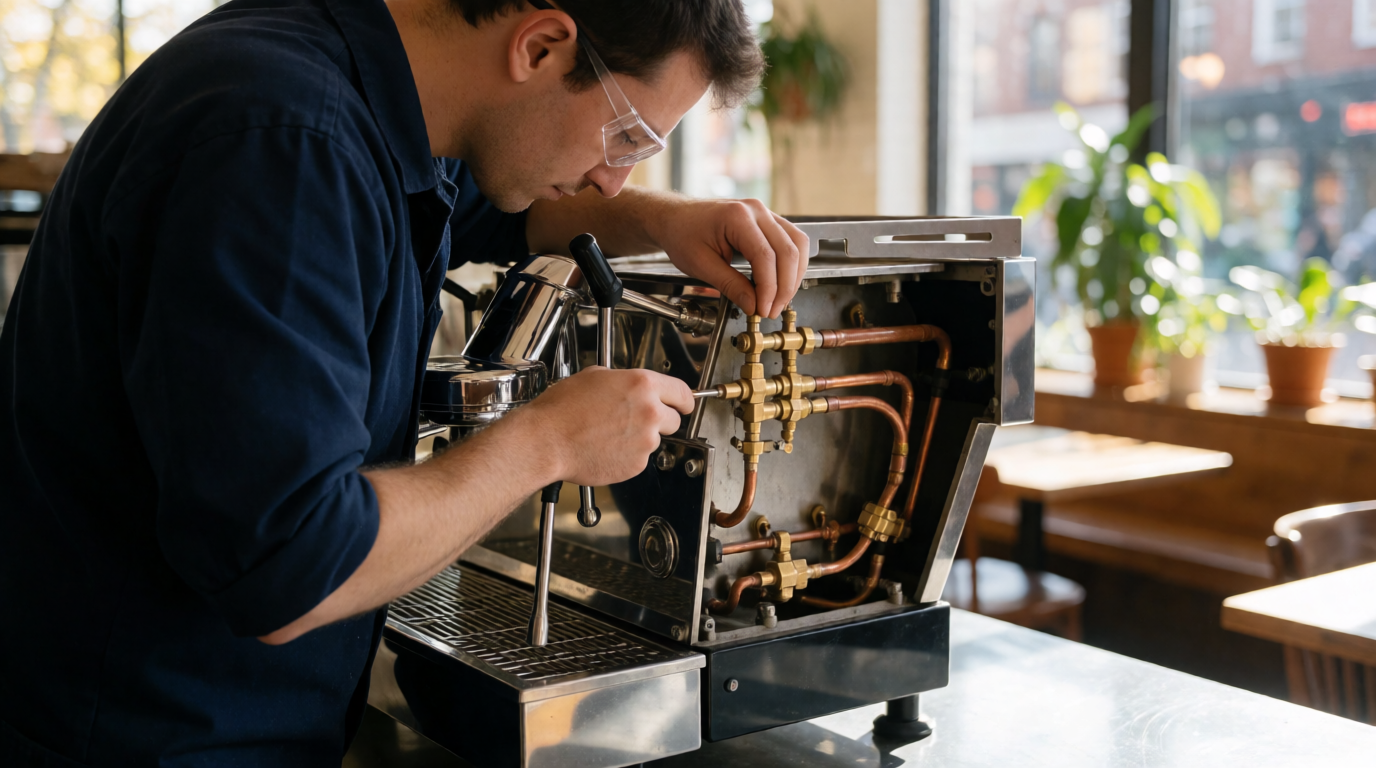
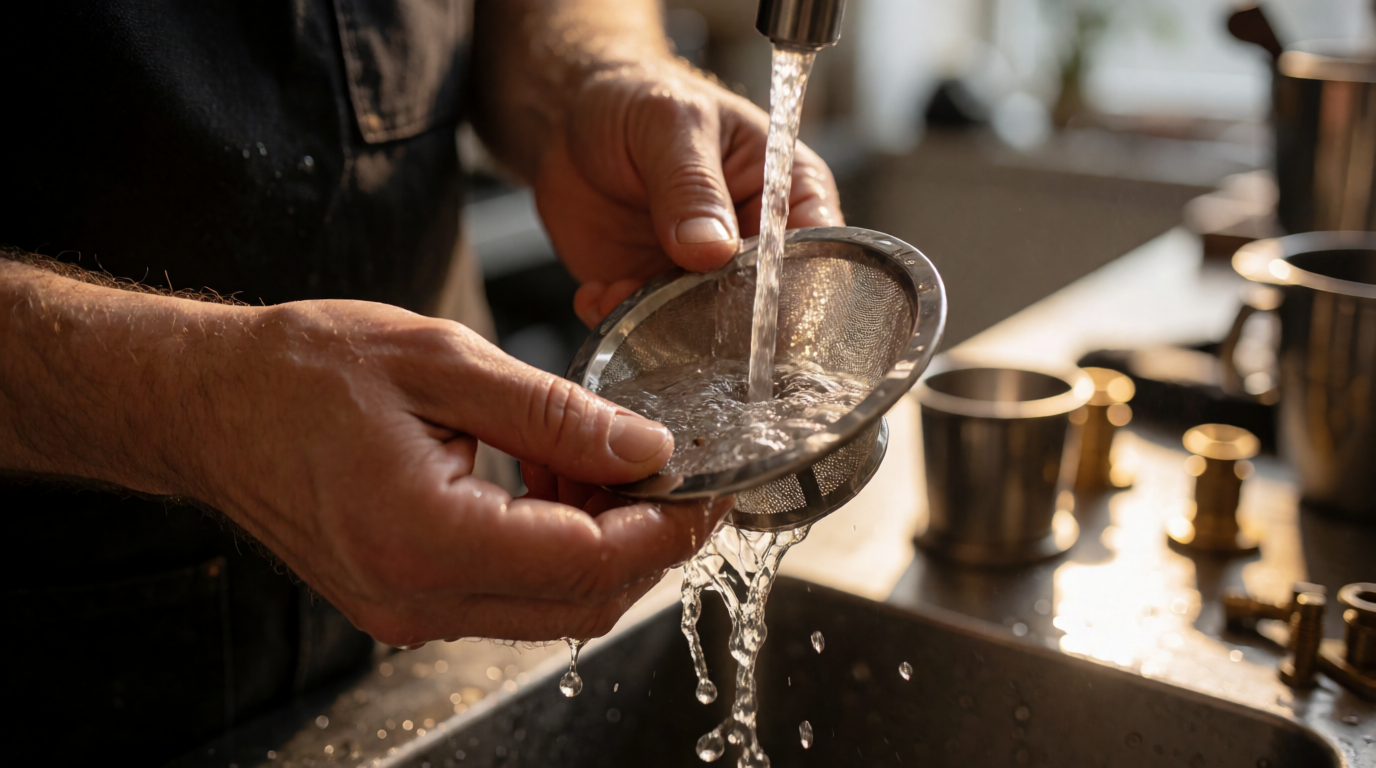
A thorough maintenance visit typically includes: backflush and clean brew group, replace gaskets and shower screens, descale boiler and thermoblock, clean steam wand and anti-vacuum valve, check and recalibrate temperature and pressure, inspect hoses and electrical connections, clean grinder burrs, and lubricate moving parts. Some providers also include water filter replacement and flatware cleaning. Our managed coffee service includes all of this.
How do I find reliable coffee equipment maintenance in Dallas TX?
Look for technicians certified by manufacturers (e.g., La Marzocco, Nuova Simonelli) or with at least 5 years of commercial experience. Check reviews on Google and Yelp with a focus on response time and first-time fix rate. Companies like Busy Bean Coffee specialize in Dallas service and offer guaranteed response times. Also, consider if they stock common parts locally to avoid wait times.
Can staff cleaning replace professional maintenance?
No. Staff daily cleaning (backflushing, wiping) is critical but isn't enough. Professional maintenance addresses internal scale buildup, worn seals, and calibration. A 2023 survey by the Specialty Coffee Association found that 70% of machine failures were due to issues only detectable during professional service. Think of it like a car: you change oil yourself, but a mechanic does the tune-up. For commercial reliability, both are needed.
What is the average cost of a service contract in Dallas?
Plans vary based on number of machines and usage. For a single espresso machine, expect $99–$200 per month for all-inclusive coverage (labor, parts, travel). For multi-machine or full-service contracts, pricing drops per unit. Emergency repair calls without a contract average $150–$250 per visit plus parts. Over a year, a contract is often cheaper and guarantees priority service. See our cafe equipment supply prices for context on equipment cost vs. maintenance.
Final Thoughts on Coffee Equipment Maintenance in Dallas TX
Reliable coffee equipment is the backbone of any foodservice operation. In Dallas's challenging climate, coffee equipment maintenance in Dallas TX isn't optional—it's a prerequisite for profitability, quality, and safety. From my years in the industry, the businesses that prioritize preventive maintenance are the ones that thrive. Don't wait for a breakdown to act.
Ready to protect your equipment and ensure perfect coffee every time? Explore Busy Bean Coffee's maintenance plans at Busy Bean Coffee. Whether you need a single machine serviced or a full fleet managed, we've got you covered.
About the Author
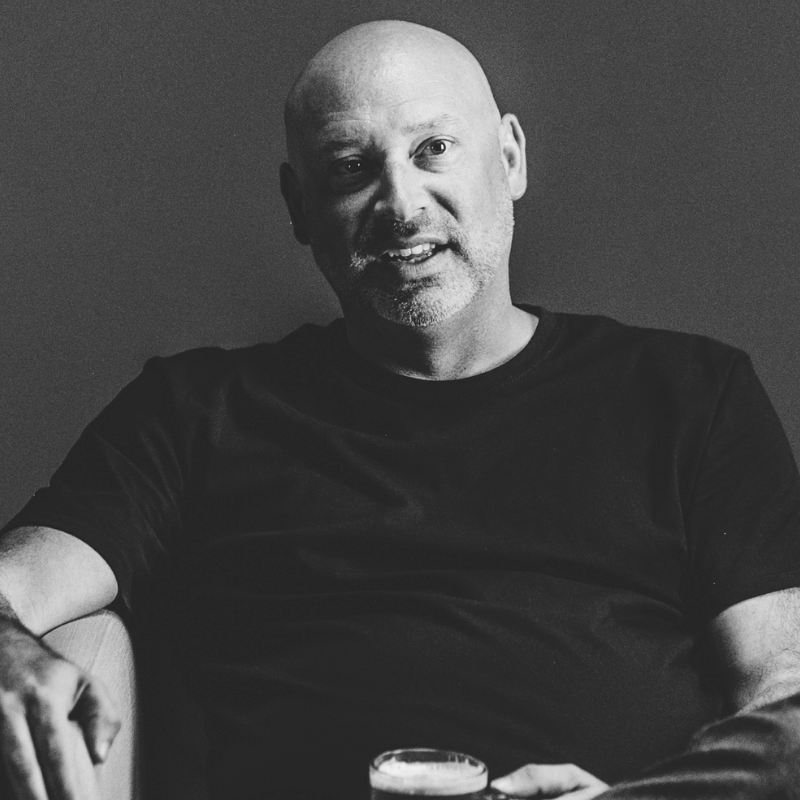
Travis Estes is the CEO and Founder of Busy Bean Coffee, a company dedicated to providing premium coffee solutions for businesses since 2014. With hands-on experience maintaining thousands of commercial machines across Dallas and the Southeast, Travis shares practical advice to help businesses maximize uptime and quality.
Free Coffee Pairing Guide & Specialty Roast Cheat Sheet
Unlock the secrets of perfect brewing ratios, water temperatures, and specialty roast profiles. Download the guide.