📖This article is part of the complete guide to Ultimate Guide to Outfitting a Coffee Shop with Equipment.
A single equipment failure during a morning rush can cost a high-volume cafe upwards of $500 in lost revenue and permanent customer churn. In my experience working with dozens of hospitality businesses, the most expensive mistake isn't buying a cheap machine, but buying the wrong type of brewer for the specific volume of the venue. Choosing between a precision drip system, a super-automatic brewer, or a high-capacity thermal server requires a data-driven approach to throughput and labor costs.
For a comprehensive overview of how these systems fit into your total setup, explore our Ultimate Guide to Outfitting a Coffee Shop with Equipment.
What are Commercial Coffee Brewers?
📚
Definition
Commercial coffee brewers are industrial-grade machines engineered to brew large quantities of coffee consistently, utilizing high-wattage heating elements and precision water distribution to handle volumes that would destroy a home appliance.
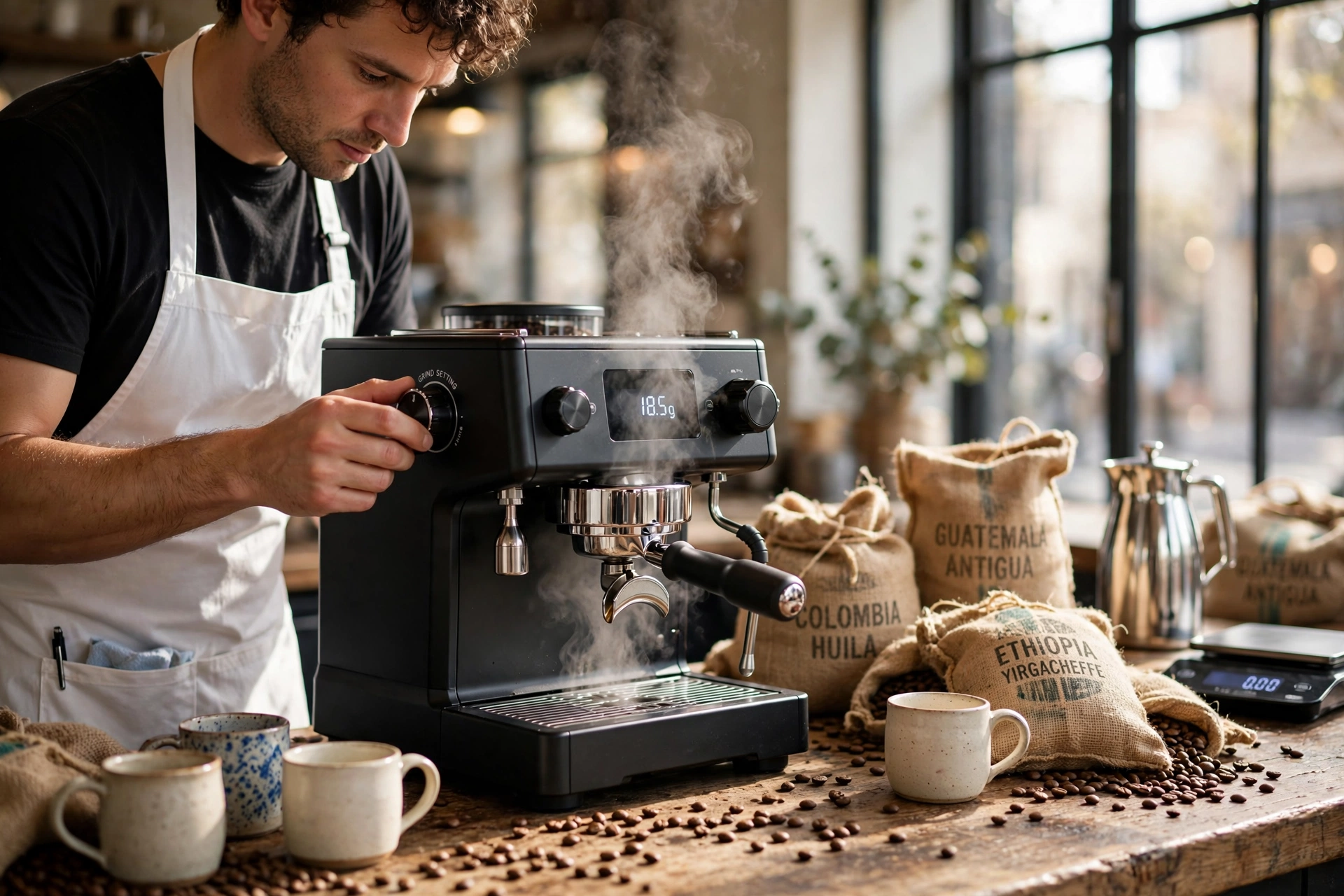
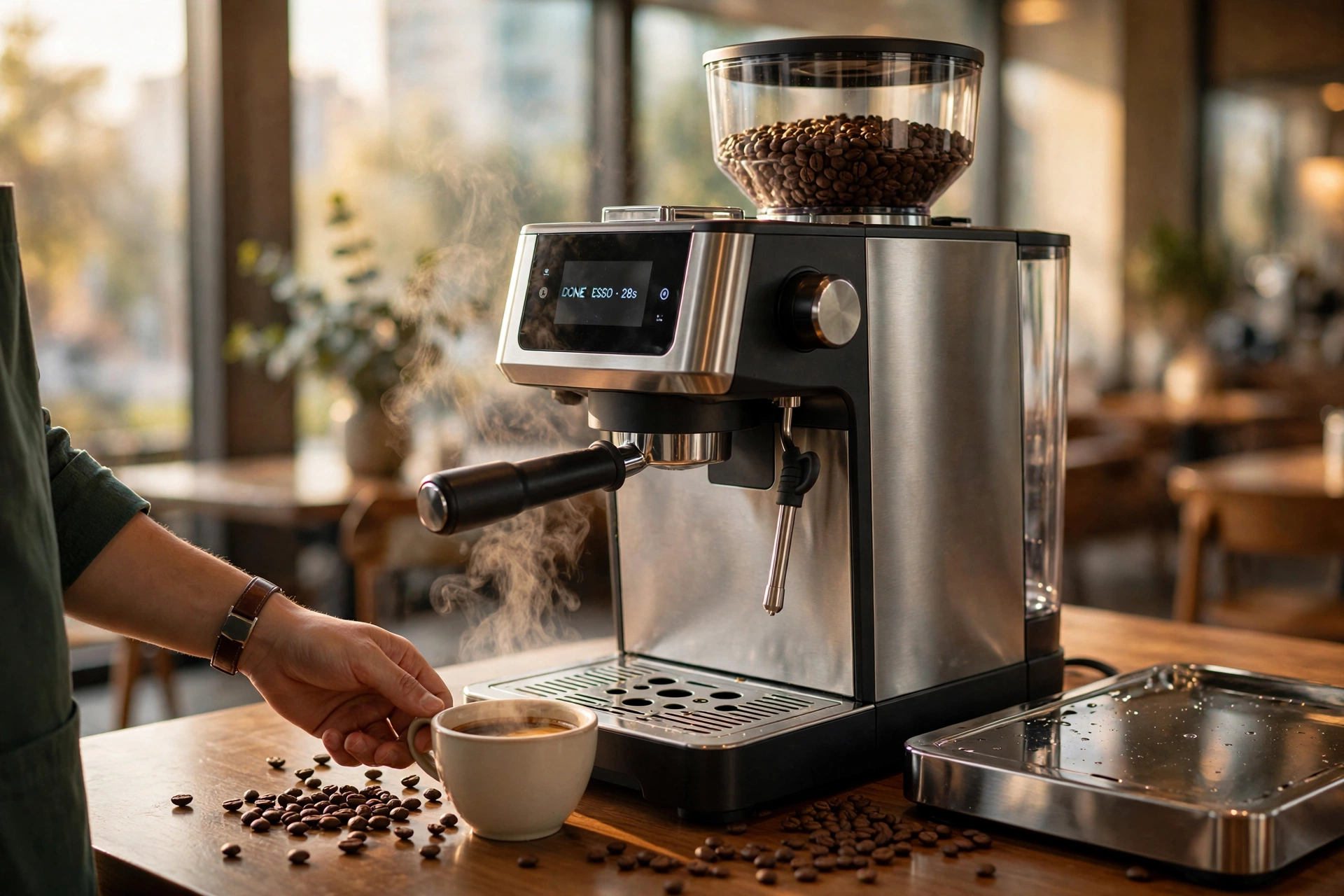
Commercial coffee brewers are the workhorses of the foodservice industry, designed to maintain thermal stability and brew consistency across hundreds of gallons of coffee per week. Unlike residential models, these systems prioritize durability, speed, and the ability to adhere to strict brewing ratios. Whether it is a precision drip brewer that allows a barista to control every variable or a bean-to-cup system that automates the process, the primary goal is the scalable production of high-quality caffeine delivery.
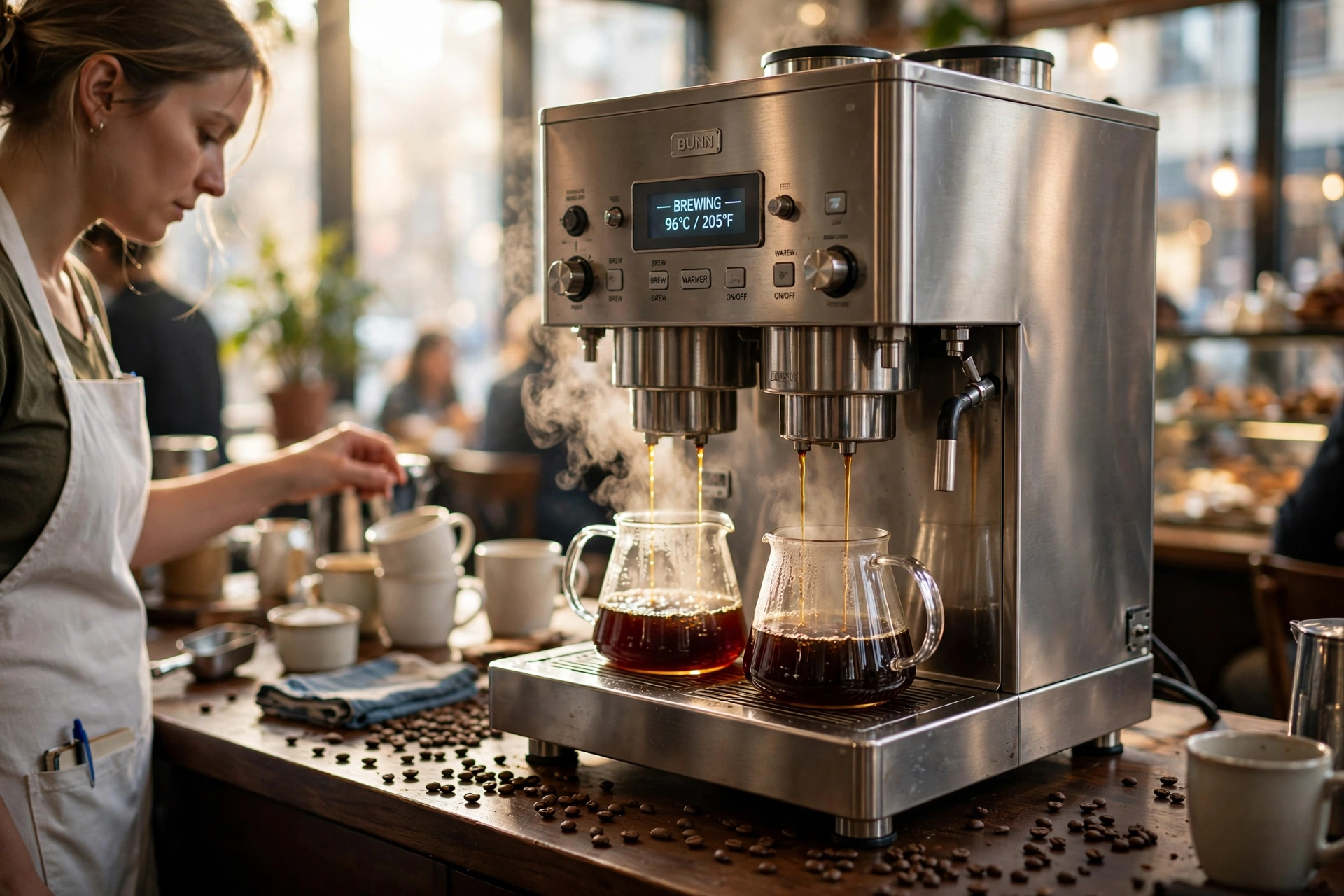
When we analyzed the workflow of several of our clients in Mount Pleasant, SC, we noticed that the efficiency of a commercial brewer is measured not just by how fast it brews, but by how well it maintains the temperature of the brewed coffee in thermal servers. A brewer that produces a great cup but loses heat within twenty minutes is a liability in a fast-paced environment. This is why professional systems focus heavily on the interaction between the brewing head and the receiving vessel.
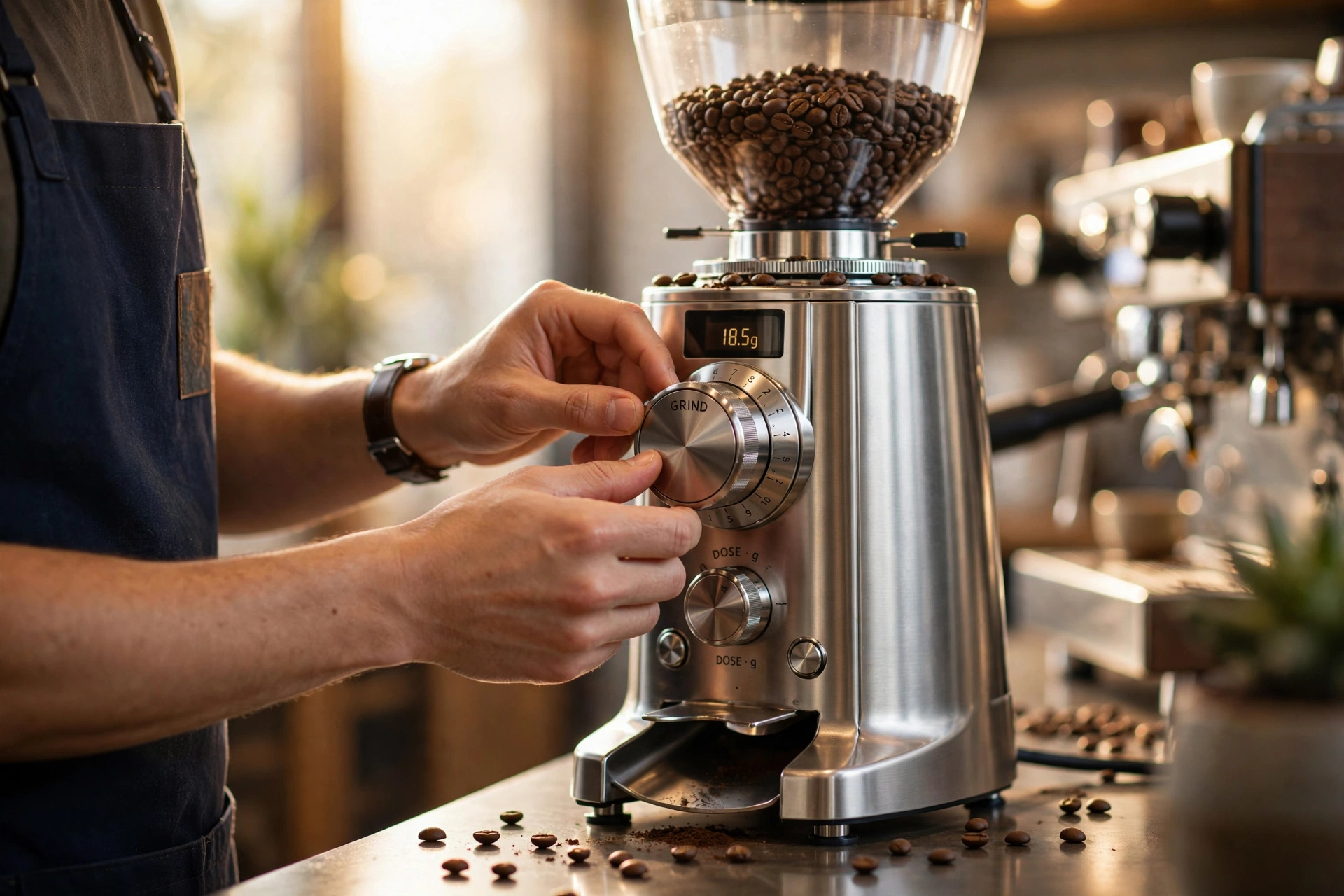
To understand the broader ecosystem of equipment, you might also want to look into how to choose coffee grinders for coffee shops, as the quality of the brew is entirely dependent on the consistency of the grind size. Without the right grinder, even the most expensive commercial brewer will produce unevenly extracted, bitter coffee.

Why Does the Right Brewer Choice Matter for Your Business?
Selecting the correct brewing technology directly impacts your labor costs and your waste percentages. If you opt for a manual precision brewer in a high-volume hotel lobby, you will likely see an increase in labor hours as baristas struggle to keep up with demand, or a decrease in quality as they take shortcuts. Conversely, an overly automated system in a specialty coffee shop might alienate connoisseurs who expect the nuance of a hand-tuned brew.
According to the Specialty Coffee Association (SCA), precision in water temperature and brew time is essential to achieving a "specialty" score, as these variables dictate the extraction of sugars and acids from the Coffea arabica bean. When a business fails to match its equipment to its brand promise, the result is an inconsistent product that fails to justify premium pricing. For instance, if you are marketing specialty coffee but using a low-end industrial percolator, the volatile organic compounds are over-extracted, leading to a burnt taste.
Furthermore, the National Coffee Association USA (NCA) indicates that consumer preferences are shifting toward "premiumization," where customers are willing to pay more for brew methods that demonstrate craft. This means your choice of commercial coffee brewers must align with your target demographic's expectations for the year 2026. A business focusing on convenience should prioritize bean-to-cup machines to ensure speed, while a craft-focused shop should prioritize precision drip systems.
From a financial perspective, the ROI of a commercial brewer is tied to its throughput. A machine that can brew 1.5 gallons in 3 minutes allows for a higher turnover rate during peak hours. In a high-density area like downtown Charlotte, a 30-second delay per cup can result in a line extending out the door, leading to potential customers walking away. This is why we often recommend integrating Sensa Coffee Service in Charlotte, NC to ensure the equipment is matched to the local traffic patterns.
How to Choose and Implement the Best Commercial Brewer?
Implementing a commercial brewing program requires a strategic audit of your expected volume and your staff's skill level. The first step is calculating your "Peak Hour Volume." If you expect to serve 100 cups of drip coffee between 7:00 AM and 9:00 AM, you need a system capable of brewing at least 5 gallons every 15 minutes to maintain a buffer.
Once volume is established, you must decide on the level of automation. For those with highly trained baristas, a precision brewer offers the best quality. For businesses where the staff is focused on other tasks (such as a medical clinic), an automated system is essential. For those providing high-end hospitality, integrating automated coffee machines for hotels and hospitality provides the perfect balance of luxury and efficiency.
Here is the step-by-step implementation process I've used with my most successful clients:
-
Water Quality Analysis: Before installing any commercial coffee brewers, test your water. Mineral buildup is the number one killer of heating elements. Use a professional filtration system to prevent scale.
-
Workflow Mapping: Place the brewer near the point of service but away from the espresso station to prevent congestion. This is a common mistake where the best commercial espresso machines for coffee shops and the drip brewers are placed too close, causing baristas to collide.
-
Calibration: Set your brew ratios. For specialty coffee, we typically recommend a ratio of 1:16 or 1:17 (coffee to water). Use a digital scale to verify that the machine is delivering the exact volume of water promised by the manufacturer.
-
Staff Training: Ensure your team knows how to clean the brew basket and the thermal servers. Residual oils from previous brews will oxidize and ruin the flavor of the next batch.
-
Maintenance Scheduling: Establish a weekly deep-clean and a monthly descaling schedule. At Busy Bean Coffee, we provide managed solutions that handle this automatically, removing the mental burden from the owner.
If you are operating in a specific region, such as South Carolina, you might consider specialized regional support. For example, utilizing a foodservice coffee program in Rock Hill SC can provide local expertise on water hardness and equipment sourcing specific to that area.
Commercial Coffee Brewers: Comparison Analysis
Not all brewers are created equal. To make an informed decision, you must compare the traditional manual approach against automated and professional managed services.
| Feature | Traditional Manual Brew | Generic AI/Auto-Brew | Busy Bean Managed Service |
|---|---|---|---|
| Consistency | Variable (Staff dependent) | Medium (Set and forget) | High (Q-Grader Calibrated) |
| Labor Cost | High (Requires manual prep) | Low (Push button) | Minimal (Managed maintenance) |
| Quality | Potentially Very High | Medium/Standard | Premium Specialty Grade |
| Upfront Cost | High CapEx | Medium CapEx | Zero/Low (Membership based) |
| Reliability | Moderate | Low (Cheap parts) | Maximum (Pro Installation) |
💡
Key Takeaway
While manual brewers offer the most control, the risk of human error in a busy environment often outweighs the benefits. A managed service provides the consistency of automation with the quality of specialty coffee.

Common Mistakes to Avoid When Buying Brewers
In my years as a Q-Grader, I have seen countless business owners make the same three mistakes. The first is underestimating the power requirements. Many commercial coffee brewers require 220V circuits. Installing a high-powered brewer on a standard 110V outlet without proper electrical work can lead to tripped breakers during your busiest hour of the day, which is an operational nightmare.
The second mistake is ignoring the "Hold Time." Many owners buy a brewer based on how fast it makes coffee, but they ignore how the coffee tastes after sitting for 30 minutes. If you are using glass carafes with hot plates, you are effectively "cooking" your coffee, leading to a bitter, acrid taste. Professional environments should always use insulated thermal servers, which keep the coffee hot without continuing the extraction process.
Thirdly, businesses often neglect the synergy between the brewer and the milk system. If you are offering lattes or cappuccinos alongside your drip coffee, the quality of the foam must match the quality of the brew. If you have a world-class brewer but a poor frothing setup, the overall perception of your brand drops. This is why we recommend looking into automatic milk frothers for coffee shops to ensure a consistent texture across all beverages.
Finally, avoid the trap of buying "prosumer" equipment. A machine marketed as "commercial grade" on a consumer website is rarely a true commercial brewer. True industrial machines are built with stainless steel boilers and heavy-duty pumps that can run for 12 hours a day. Prosumer machines are designed for 5-10 cups a day and will burn out within six months in a professional setting, resulting in costly downtime.
Frequently Asked Questions
What is the difference between a drip brewer and a percolator?
A drip brewer uses a filter to separate the coffee grounds from the water, allowing the liquid to flow naturally through the bed of coffee. This results in a cleaner cup with more nuanced flavors. A percolator, however, cycles boiling water through the grounds multiple times, which often leads to over-extraction and a bitter, heavy taste. In 2026, the industry standard for specialty coffee is the drip method because it preserves the delicate aromatic compounds of Arabica coffee.
How many gallons of coffee should a commercial brewer produce per hour?
This depends entirely on your business model. A small boutique cafe might only need 2-4 gallons per hour, while a hotel breakfast buffet or a large corporate office may require 10-20 gallons. The key is not just the total volume, but the "brew cycle time." You want a machine that can refill a 1.5-gallon thermal server in under 4 minutes so that you never run out of coffee during a rush.
Does water filtration really affect the taste of commercial coffee?
Absolutely. Coffee is 98% water. If your water has high chlorine levels or excessive mineral content (calcium and magnesium), it will neutralize the acids in the coffee, making the brew taste flat or metallic. Furthermore, as specified by NSF International, using certified filtration systems is essential for the longevity of the equipment, as it prevents the scale buildup that leads to heating element failure.
Can I use the same brewer for both light and dark roasts?
Yes, but you must adjust your temperature. Light roasts require higher temperatures (around 200-205°F) to extract the complex sugars, while dark roasts benefit from slightly lower temperatures (190-195°F) to avoid extracting bitter, charred notes. Precision commercial coffee brewers allow you to save these profiles, ensuring that regardless of the bean, the extraction is optimized for that specific roast level.
How often should I descale my commercial coffee brewer?
In a professional environment, you should perform a light descale every two weeks and a deep descale every month. However, this varies based on your water hardness. If you are in an area with very hard water, you may need to descale weekly. Using a managed service like Busy Bean Coffee removes this guesswork, as our technicians handle the maintenance schedule, ensuring your equipment never reaches the point of failure.
Conclusion
Choosing the right commercial coffee brewers is not about finding the most expensive machine, but about matching your equipment to your operational volume and brand identity. Whether you prioritize the speed of a bean-to-cup system or the precision of a manual drip brewer, the goal is to create a seamless experience for the customer and a low-stress environment for the staff. In a competitive 2026 market, the difference between a successful cafe and a struggling one often comes down to the reliability of their beverage program.
If you are feeling overwhelmed by the technical specifications and the upfront costs, remember that you don't have to do it alone. From professional installation to ongoing maintenance, a managed membership is the smartest way to scale. For those in the Southeast, we offer tailored solutions such as the Sensa Coffee Service in Mount Pleasant SC to ensure your local business thrives.
To ensure your entire operation is synchronized and efficient, we recommend returning to our Ultimate Guide to Outfitting a Coffee Shop with Equipment to audit your total equipment list. Don't let a single equipment gap be the reason you lose a customer to the shop across the street.
Visit www.busybeancoffee.com to discover how our all-inclusive membership can transform your coffee service from a cost center into a profit engine.
Free Coffee Pairing Guide & Specialty Roast Cheat Sheet
Unlock the secrets of perfect brewing ratios, water temperatures, and specialty roast profiles. Download the guide.