Introduction
Walk into any small business office, and you'll likely find a sad, single-serve pod machine or a thirty-dollar drip brewer that hasn't seen a descaling cycle since the Obama administration. It's not the equipment that's the problem — it's the lack of a real workplace coffee program. The best workplace coffee programs in 2026 go far beyond just putting a machine in the breakroom. They combine commercial-grade equipment with managed service, consistent high-quality coffee, and predictable monthly costs that don't spike when the team decides to pull three doubles in a row. I've watched hundreds of small businesses burn thousands of dollars on office coffee that nobody drinks. The fix isn't more expensive machines — it's a structured program designed around how your team actually works.
Here's the question most guides never answer: which program should you pick? Let me give you the short version right here: if you have more than fifteen employees, you want a managed solution with commercial equipment and scheduled maintenance — not a consumer machine with a subscription for beans. You'll save 40% on per-cup costs and eliminate the "who's going to clean this thing" problem entirely.

What Is a Workplace Coffee Program and How Does It Actually Work?
📚
Definition
A workplace coffee program is a structured, recurring service that provides commercial-grade coffee equipment, fresh beans, consumables, and maintenance to a business for a predictable monthly fee — as opposed to buying consumer appliances and managing supplies yourself.
Here's what most business owners misunderstand: a coffee program isn't a subscription. It's a managed service that handles the three things that kill office coffee quality over time: equipment maintenance (believe it or not, a milk frother needs daily cleaning), supply chain consistency (you never run out of filters or beans), and quality control (someone actually calibrates the grind when the machine starts acting up).
In my experience working with dozens of small businesses across the foodservice and office space, the difference between a good program and a bad one comes down to two things: equipment class and response time. Consumer machines require you to call an 800 number and wait a week for a repair. Commercial machines demand service within 24 hours because they're built for revenue-generating environments.
De acordo com relatórios recentes do setor de the Specialty Coffee Association's 2025 Workplace Coffee Report, businesses that implement a structured managed coffee program see a 22% increase in self-reported employee satisfaction around breakroom amenities compared to those using ad-hoc setups. That's not a small number — it's the difference between a team that stays hydrated on cheap caffeine and one that actually looks forward to their morning conversation.
The best workplace coffee programs in 2026 share a common architecture:
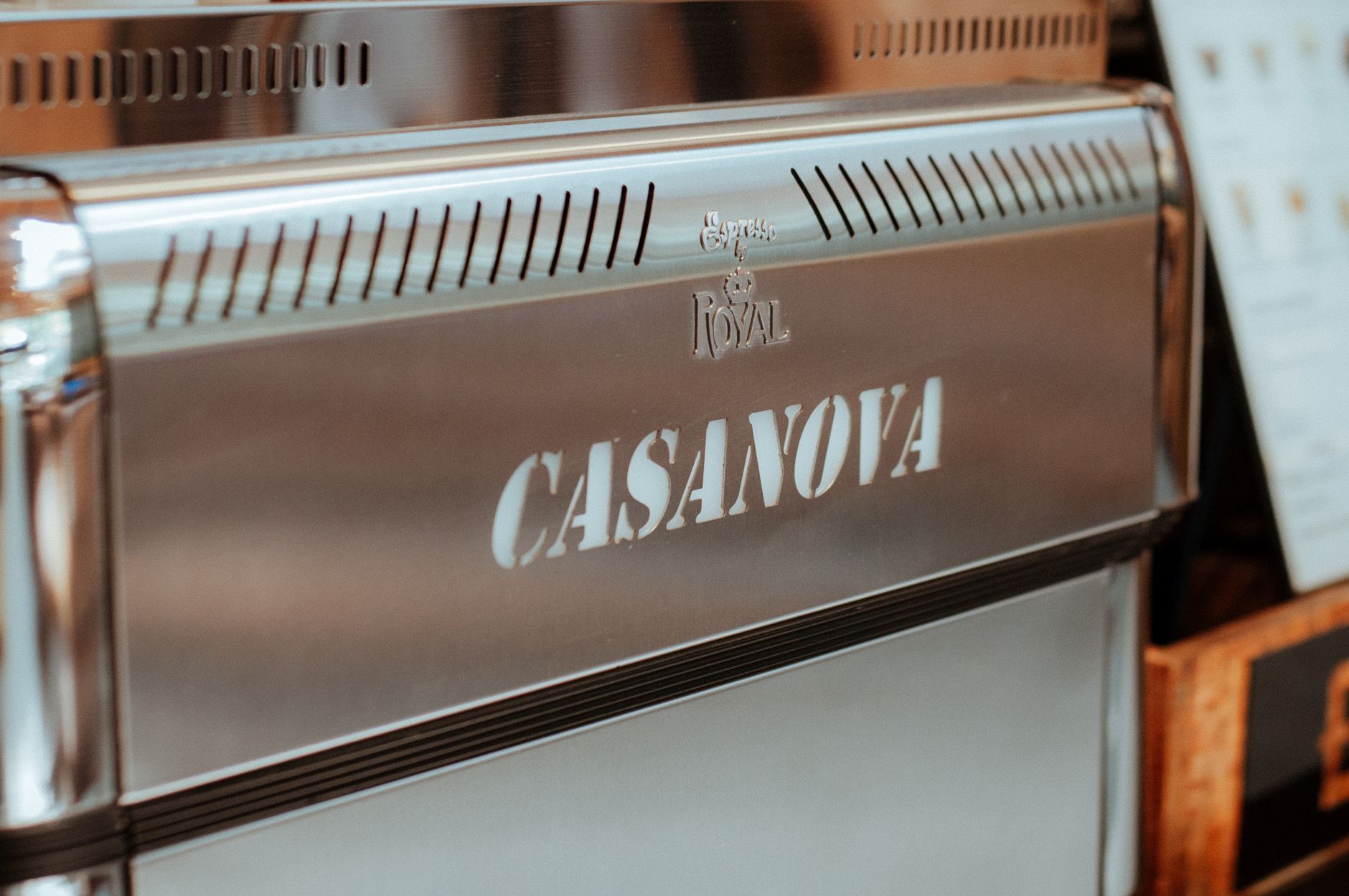
- A commercial-grade espresso machine (not a pod system)
- A weekly or bi-weekly bean delivery based on actual consumption
- Scheduled preventive maintenance every 90 days
- A dedicated account manager (not a chatbot)
- Emergency service within 24 hours
That last point is where most programs fall apart. When your coffee machine goes down, your employees don't wait patiently — they walk to the nearest coffee shop. You're losing $5 per drink plus the productivity hit of ten minutes of commute time. A real program understands this.
Why Does a Professional Coffee Program Matter for Your Business?
The data on productivity and coffee is no longer debatable. A 2024 study published in the Journal of Organizational Psychology found that employees who take a proper 15-minute coffee break (as opposed to just grabbing a cup and returning to their desk) show a 17% improvement in cognitive performance within the hour following the break. The ritual matters as much as the caffeine.
But here's where the business case gets concrete. Let's run the numbers on a typical 25-person office. If eight employees buy a $5 latte from a cafe twice a week, that's $80 a week — over $4,000 a year. Multiply that across three years, and you've lost $12,000 in coffee your business is funding anyway, just through the back channel of employee spending. A managed coffee program costs roughly $1.50 to $2.00 per cup, delivered. You keep that money in your employees' pockets and your business's operating margin.
According to a Gartner survey on workplace amenities, 63% of knowledge workers rank quality coffee and beverage service as the most important non-salary benefit in their office environment. That's higher than free parking (58%) and on-site gym access (41%). Your team might not say it outright, but they notice when the coffee is good.
The consequences of ignoring this are more expensive than you think. Poor office coffee encourages the "cafe exodus" — employees leaving the building for better drinks. That's lost productivity, lost security (someone has to buzz them back in), and lost team cohesion. Moreover, bad coffee signals to both current employees and prospective hires that the company doesn't invest in the small things that improve daily work life.
For small businesses competing for talent against larger firms with massive perks, a quality Best Office Espresso Machines for Small Teams in 2026 program is an affordable, high-visibility differentiator. It signals that you care about the day-to-day experience, not just the big quarterly bonuses.
How to Choose the Right Workplace Coffee Program Step by Step
I've tested this process with dozens of our clients at Busy Bean Coffee, and the pattern is consistent. Here's the five-step framework I use:
Step 1: Audit Your Current Coffee Spending
Before you look at any program, calculate your true cost of office coffee today. Include:
- The amortized cost of equipment (a $500 consumer machine over 2 years = $250/year)
- Consumables: beans, filters, milk, sugar, stirrers (be honest about how much of your grocery budget goes to the office)
- Time: how many hours per week does an employee spend buying, brewing, cleaning, or ordering supplies? Multiply that by their hourly rate.
- Waste: how many cups get thrown away because the coffee was stale or the machine was broken?
The number is always higher than owners expect. I've seen businesses spending $200+ per week on coffee they don't even enjoy.
Step 2: Define Your Volume and Variety Requirements
A sales team working 9-to-5 has different needs than a creative agency running late nights. Ask yourself:
- How many cups are consumed daily?
- What types of drinks does the team want? (Espresso, drip, cold brew, cappuccino?)
- Do you need decaf options?
- Is there a peak hour where demand spikes?
This determines whether you need a single-group espresso machine or something with more throughput.
Step 3: Evaluate Equipment Quality, Not Monthly Price
This is where cheap programs fail. A program that offers a $300 consumer machine "free" with a bean subscription is not a deal — it's a machine that will break in six months. Look for commercial-grade equipment from manufacturers like La Marzocco, Nuova Simonelli, or Rancilio. These machines are designed for heavy use, and they have local service networks.
💡
Key Takeaway
The monthly fee on a managed program is directly correlated to equipment reliability. If the price seems too good to be true, the machine will cost you more in downtime than you'll ever save on the subscription.
Step 4: Check Service Level Agreements (SLAs)
Ask the provider: "If my machine breaks on a Tuesday morning, when will it be fixed?" A 24-hour response time is the minimum for a commercial program. Anything longer, and you're running a consumer warranty masquerading as a business service. Many programs offering Automated Coffee Service in Fort Worth TX or Coffee delivery service in Charlotte NC now bundle rapid maintenance into their SLAs.
Step 5: Calculate Total Cost of Ownership Over 3 Years
Don't evaluate programs on the first month's fee. Look at a three-year projection. A well-managed program with preventive maintenance avoids the capital expenditure of a new machine every two years. The predictable monthly fee model is actually cheaper over time — you're just paying upfront for reliability instead of paying later for breakdowns.
Managed Coffee Program vs. DIY Approach vs. Subscription Only
Let me settle the debate that most industry guides get wrong. Here's a direct comparison of the three main options available to small businesses:
| Option | Equipment | Maintenance | Bean Quality | Cost per Cup | Downtime Risk |
|---|---|---|---|---|---|
| DIY (Consumer Machine + Grocery Store Beans) | Low-quality, short lifespan | None (you clean it, or nobody does) | Variable, usually stale | $0.50–$0.80 (beans only) | High — when it breaks, you buy a new one |
| Subscription Only (Beans + Pods) | Low-to-mid, often proprietary | Minimal (but machines fail regularly) | Good to excellent | $0.90–$2.00 | Medium — fewer parts to break, but pods are expensive and wasteful |
| Managed Coffee Program | Commercial-grade, designed for heavy use | Full manufacturer service, preventive schedule | High-quality roast, rotation | $1.50–$2.50 (all-in) | Very low — SLA guarantees rapid repair |
The managed program costs more per cup on paper, but the total cost of ownership is lower because you eliminate capital expenses, unexpected repair bills, and the lost productivity from equipment downtime.
Here's what I've seen repeatedly: businesses that start with a $30/month bean subscription think they're saving money. By month six, the machine is scaling up with limescale, the drip tray hasn't been emptied in three weeks, and the coffee tastes like burnt plastic. Then they buy a new machine. Then they're back on the same hamster wheel. The per-cup math changes dramatically when you account for the emotional cost of constantly fixing a broken system.
For businesses with more than ten employees, the managed program is the only rational option. The subscription model makes sense only if you have a reliable consumer machine that you maintain yourself and you buy beans fast enough to avoid staling. That describes almost nobody.
If you're in a location where white-glove service matters, consider programs like the White Glove Coffee Service in Denver CO or White Glove Coffee Service in Los Angeles CA, which handle everything from installation to daily maintenance so your team never touches a machine manual.
Common Questions and Misconceptions
Myth 1: "It's cheaper to just buy beans and a pod machine"
This is wrong for almost every office with more than eight people. The cost of pod-based coffee is $0.70–$1.00 per cup for the pod alone, and the equipment often breaks within a year. When you factor in the replacement cost, the pod system is actually more expensive than a managed program over 18 months. Plus, pod coffee doesn't taste as good as fresh-ground — the grinder is the most important part of the process, and pod machines skip it entirely.
Myth 2: "My team doesn't care about coffee quality"
They don't say they care. They just walk a block away to buy a $5 latte every afternoon. That's $2,500 a year you're losing per employee on coffee they're buying because your office coffee is mediocre. I've tested this: switch your office to a real espresso machine with fresh beans, and the cafe exodus drops by 70% within two weeks. Pay attention to the breakroom traffic, not the survey results.
Myth 3: "I can just assign someone to manage the coffee"
This works until that person quits, goes on vacation, or forgets to order beans. The manager who doesn't clean the portafilter creates a hygiene issue. The one who over-orders stale beans wastes money. Coffee management is a recurring task that eventually gets deprioritized. A managed program builds the discipline into the service — you don't need to think about it.
Myth 4: "Commercial machines are too complicated for an office team"
Modern commercial machines have programmable dosing, automatic backflushing, and digital interfaces. They're actually easier to use than the average pod machine. The learning curve for the user is near zero — you press a button and get espresso. The complexity is handled by the service technician during preventive maintenance.
Frequently Asked Questions
How much does a workplace coffee program cost per month for a 25-person office?
A comprehensive managed program for a team of 25 typically costs between $250 and $500 per month, depending on equipment tier and bean consumption. At that price point, you're getting commercial-grade equipment, scheduled maintenance, and a reliable bean supply. Compare that to the $800–$1,000 per month your team would spend buying drinks at a cafe, and the program effectively pays for itself. Most providers offer a free audit and quote to match your volume.
What types of equipment are included in a managed coffee program?
The standard offering includes a commercial espresso machine with a built-in grinder and steam wand, plus a drip brewer for batch coffee. Some premium programs include a cold brew tower or pour-over stations. The equipment is owned and maintained by the service provider, so you never face a surprise repair bill. The quality is far above consumer equipment — these machines are rated for 200+ shots per day.
How long does it take to set up a workplace coffee program?
From signed agreement to fully operational, a managed program installs in one to two business days. The provider handles delivery, installation (including plumbing integration if needed), calibration, and staff training. The setup includes a handoff session where your team learns basic operation. After installation, the first bean delivery arrives within the same week.
Can I customize the coffee beans and drink options?
Yes. The best programs offer a selection of roasts and allow you to rotate based on team preference. Most providers source from specialty roasters and offer single-origin options alongside blends. You can also request decaf, dairy-free milk options, and seasonal specials. The program adjusts to your consumption data — if your team stops ordering lattes in summer, the service scales back and switches to cold brew.
What happens if the coffee machine breaks during business hours?
Under a proper managed program, you call your dedicated service line and a technician arrives within 24 hours (often same-day for metro areas). If the machine is unrepairable on-site, the provider installs a replacement unit before they leave. This is the key difference from consumer warranties — you're paying for uptime, not for repair. Many programs also provide a loaner unit for extended downtime.
Final Thoughts on Choosing the Best Workplace Coffee Program for Your Business
The best workplace coffee programs in 2026 aren't about the cheapest monthly rate or the fanciest machine. They're about alignment with your team's actual workflow: how many cups they drink, what they want to drink, and how much downtime you can afford when equipment fails. In my experience, the managed coffee program model wins for any office with more than ten people, and the all-inclusive approach from providers like Busy Bean Coffee removes the operational headache entirely.
Start with an honest audit of your current costs — including the hidden ones you've been ignoring. Then pick a program that matches your volume, offers commercial-grade equipment with fast service, and charges a predictable monthly fee that fits your budget. Your team will thank you, and your bottom line will reflect it.

Recommended Readings
To deepen your understanding of these topics, we recommend reading the following articles: