Introduction
Installing office espresso machines doesn't have to be a headache. In fact, with the right prep work and modern equipment, you can have a fully operational espresso bar in your breakroom within a few hours. I’ve overseen dozens of office coffee installations, and the difference between a smooth deployment and a costly disruption comes down to planning and the right partner. This guide cuts through the noise and gives you a clear, actionable process to install your espresso machine quickly and correctly.
For comprehensive context on selecting the right equipment, see our complete guide to super automatic espresso machines.
What You Need to Know Before Installing
📚
Definition
A super automatic office espresso machine is a self-contained unit that grinds beans, tamps, brews, and even cleans itself with the push of a button. These machines are designed for high-volume, unattended use in breakrooms.
Before you order anything, you need to evaluate your office’s infrastructure. The two main types are fully plumbed (connected to a water line) and tank-fed (you pour water into a reservoir). Tank-fed machines are simpler to install — just plug and fill — but require manual refilling. Plumbed machines offer continuous operation but need proximity to a water line and drain. According to the National Coffee Association’s 2024 Office Coffee Report, 62% of offices choose plumbed machines for capacity above 30 cups per day.
Another critical factor is electrical requirements. Most commercial espresso machines require a dedicated 20-amp circuit. Many office breakrooms already have one for microwave ovens, but you should confirm with an electrician. I once worked with a client whose installation was delayed two weeks because the building couldn’t provide the required power without an expensive upgrade. Always check before you buy.
💡
Key Takeaway
The single biggest mistake offices make is skipping the infrastructure audit. Measure water access, power capacity, and counter space before purchasing.
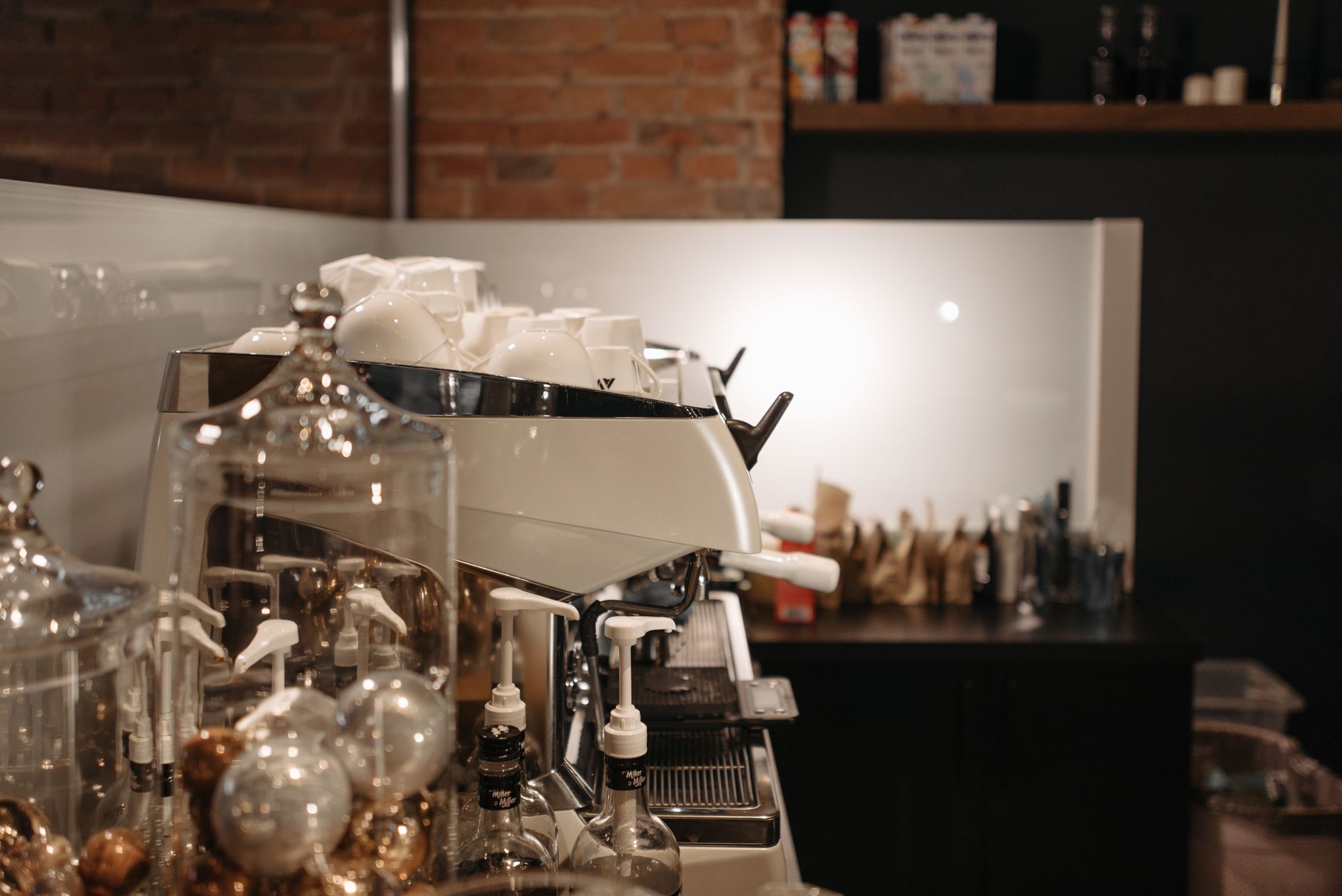
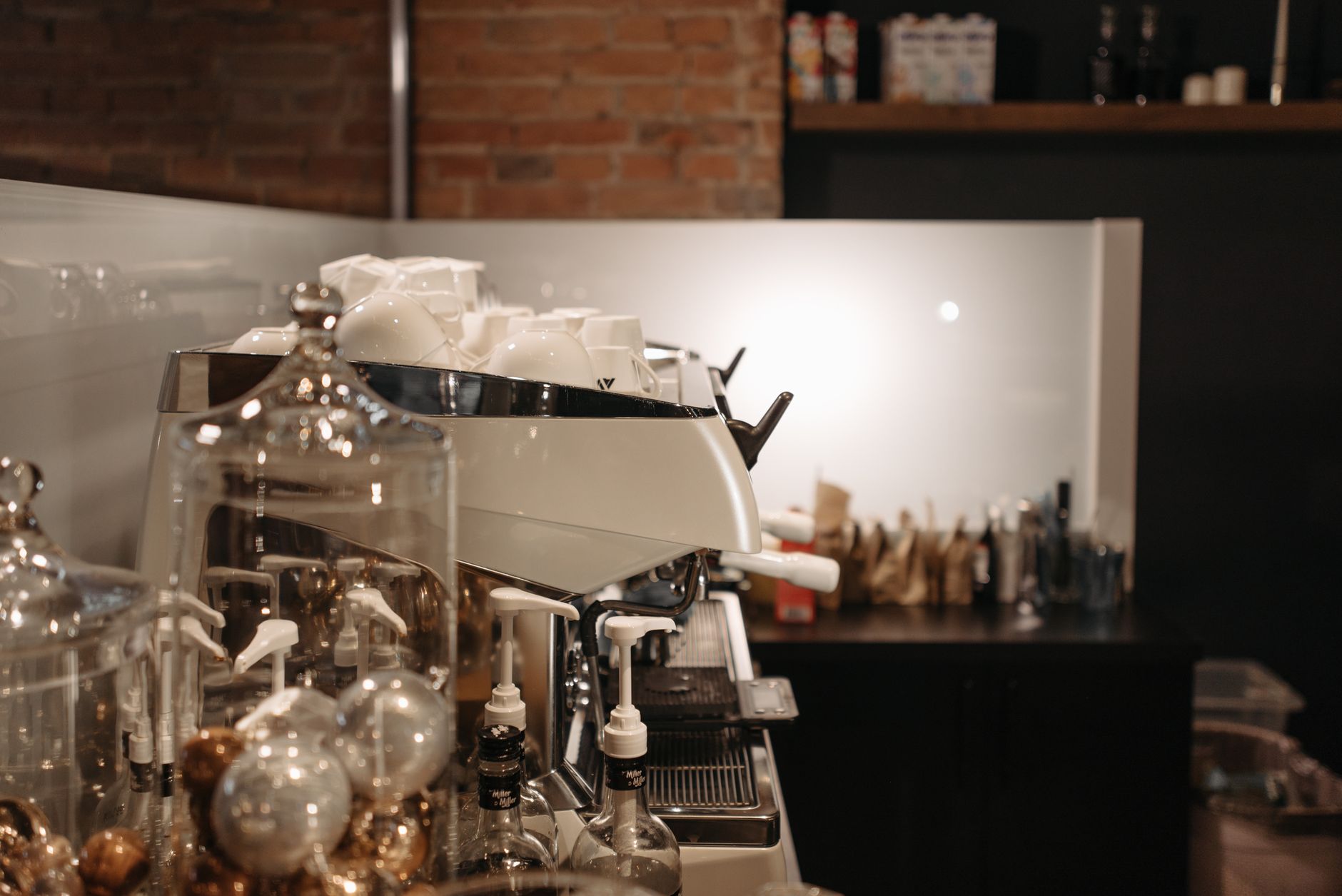
Finally, consider space and workflow. The machine needs at least 6 inches of clearance above for bean hopper access, and you should leave room for cups, syrups, and a spill station. A cramped setup leads to mess and frustration.
Why Proper Installation Matters
The difference between a successful espresso program and a failed one often comes down to installation quality. A poorly installed machine leads to inconsistent water temperature, frequent jams, and higher maintenance costs. The Specialty Coffee Association’s (SCA) technical report notes that 30% of espresso machine breakdowns in commercial settings are directly traceable to incorrect installation — particularly issues with water pressure and filtration.
From a cost perspective, the impact is stark. According to a Forrester study on workplace experience, offices that invest in high-quality coffee services see a 12% improvement in employee satisfaction scores. But that benefit evaporates if the machine is down for repairs every month. Reliable installation extends equipment life by 2–3 years on average, according to SCA data.
There’s also the hygiene factor. Improper drainage or water line connections can lead to mold and bacterial growth. In a post-pandemic workplace, cleanliness isn’t optional. A professional installation ensures all connections meet health codes.
💡
Key Takeaway
Investing in proper installation isn’t an expense — it’s a productivity investment. A reliable espresso machine saves you from constant repair calls and keeps employees happy.
Step-by-Step Installation Guide
Follow these steps to install your office espresso machine with minimal disruption.
Step 1: Site Preparation
- Confirm counter dimensions. Most super automatics are 12–18 inches wide, 20–24 inches deep, and weigh 50–120 pounds. Ensure your counter can handle the weight.
- Install a dedicated GFCI outlet within 3 feet of the planned location.
- For plumbed machines: run a 1/4-inch water line with a shut-off valve and a floor drain or sink for waste water. Use a water filter system — hard water scale is the #1 killer of espresso machines.
- For tank-fed machines: verify there’s easy access to a sink for refilling (tap water quality matters — use filtered).
Step 2: Unbox and Inspect
- Carefully lift the machine onto the counter. Most units have shipping bolts that must be removed. Follow the manufacturer’s instructions.
- Check for damage. I always advise taking photos of the unit before and after unboxing in case a claim is needed.
- Install the bean hopper, drip tray, and any accessories.
Step 3: Connect Water (if plumbed)
- Attach the supplied hose to the water line shut-off valve. Use a compression fitting for a leak-free connection.
- Route the drain hose to the floor drain or sink. Ensure there are no kinks.
- Open the shut-off valve and check for leaks at every connection. Let the machine run for a minute to purge air from the lines.
Step 4: Power On and Prime
- Plug the machine into the outlet. Turn on the main power switch.
- The machine will go through a self-diagnostic cycle. For plumbed machines, it will automatically fill the boiler. This takes 5–10 minutes.
- For tank-fed machines, fill the reservoir with fresh, cold water before powering on.
Step 5: Calibrate Settings
- Adjust grind size, brew temperature, and shot volume to your taste and bean type.
- Run 3–5 test shots to dial in. Most super automatics have self-calibration, but you may need to tweak.
- Set up any programmable drink menus (e.g., americano, latte).
Step 6: Train Your Team
- I cannot stress this enough: a machine you install perfectly will still fail if no one knows how to clean it. Assign a “coffee champion” to handle daily rinsing and weekly deep cleaning. Provide a quick-start guide next to the machine.
💡
Key Takeaway
The last 10% of installation — training — is what determines long-term success. A clean, properly operated machine runs for years without issues.
For offices that want a completely hassle-free setup, Busy Bean Coffee offers a managed installation with our all-inclusive office coffee service. We handle everything from site survey to ongoing maintenance.
Comparison: DIY vs. Professional vs. Managed Service
| Option | Pros | Cons | Best For |
|---|---|---|---|
| DIY Installation | Low upfront cost; total control | Time-consuming; risk of errors; no warranty on labor; potential for water damage | Small offices with technically handy staff; tank-fed machines only |
| Professional Installation | Proper plumbing and electrical; equipment warranty preserved; faster | Medium cost ($200–$500); you still need to handle maintenance and supplies | Most mid-size offices that want reliability without a full contract |
| Managed Service (Busy Bean Coffee) | No capital expense; full white-glove installation; all maintenance and supplies included; predictable monthly fee | Monthly commitment; less control over bean brand | Offices that want zero hassle, from installation to daily operation |
Based on my experience, the managed service route saves the average office 15–20 hours per year in maintenance and ordering tasks. When you factor in the cost of that time, the monthly fee often breaks even or saves money.
Common Questions & Misconceptions
Myth 1: You need a plumbed water line for any office espresso machine. Not true. Many high-quality models have large water tanks (2–3 gallons) that last for 50+ cups. For offices under 30 cups a day, tank-fed is simpler and avoids plumbing costs.
Myth 2: Installation will disrupt the office for days. A professional crew can install a plumbed machine in 2–4 hours, and most of that is water line connection. The kitchen area may be off-limits for part of a day, but it’s not a multi-day ordeal.
Myth 3: Only high-end offices can afford espresso machines. Actually, the total cost of ownership for a super automatic can be as low as $0.30–$0.50 per cup, including machine, beans, and maintenance. Compare that to $2–$5 per coffee shop run. It pays for itself in employee time saved.
Myth 4: You can just use tap water without a filter. That’s the fastest way to shorten your machine’s life. Hard water scale builds up inside the boiler, eventually causing overheating and failure. A simple carbon filter costs under $50 and should be replaced every 3–6 months.
Frequently Asked Questions
How long does it take to install an office espresso machine?
A basic tank-fed machine takes about 30 minutes to unbox, set up, and prime. A plumbed installation takes 2–4 hours, depending on water line access and whether electrical work is needed. Professional installers typically complete the job within a half-day.
What tools and supplies do I need for installation?
For a basic install: a Phillips screwdriver, adjustable wrench, Teflon tape (for water connections), a bucket (to catch spills), and the machine’s manual. If you’re doing plumbing, you may need a tubing cutter and compression fittings. Most machines come with the necessary hoses and adapters.
Can I install a plumbed espresso machine myself?
If you’re comfortable with basic plumbing — connecting a refrigerator ice maker line is a similar skill level — you can do it. However, mistakes can cause water damage, and they may void the equipment warranty. I recommend hiring a professional unless you have experience. Busy Bean Coffee’s managed service includes licensed technicians.
How do I maintain the machine after installation?
Daily: backflush with a cleaning tablet and wipe down the steam wand. Weekly: remove and clean the brew group, drip tray, and water tank (if tank-fed). Monthly: replace the water filter and descale if indicated by the machine. Most super automatics have alerts for these tasks.
What if something goes wrong after installation?
Check the error code in the manual. Common issues include: no water (kinked line or empty tank), grinder jam (clean the burrs), or temperature errors (descale needed). If the problem persists, contact your service provider. With Busy Bean Coffee’s managed service, we cover all repairs as part of your membership.
Summary + Next Steps
Installing office espresso machines is straightforward when you plan ahead: audit your space, choose the right type, follow a clear step-by-step process, and train your team. A successful installation delivers years of reliable service and boosts workplace morale.
If you want to skip the hassle entirely, consider a managed solution from Busy Bean Coffee. We provide premium equipment, a white-glove installation, and full maintenance — so you can focus on your business while we keep the coffee flowing. Get in touch for a free site consultation.
For more insights, explore our articles on when to order barista equipment wholesale and sustainable office coffee options.
Recommended Readings
To deepen your understanding of these topics, we recommend reading the following articles:
About the Author
Travis Estes is the Founder of Busy Bean Coffee, a leading provider of managed coffee services for offices. With over a decade of experience in commercial coffee equipment and installation, Travis has helped hundreds of businesses set up efficient, high-quality coffee programs that employees love.