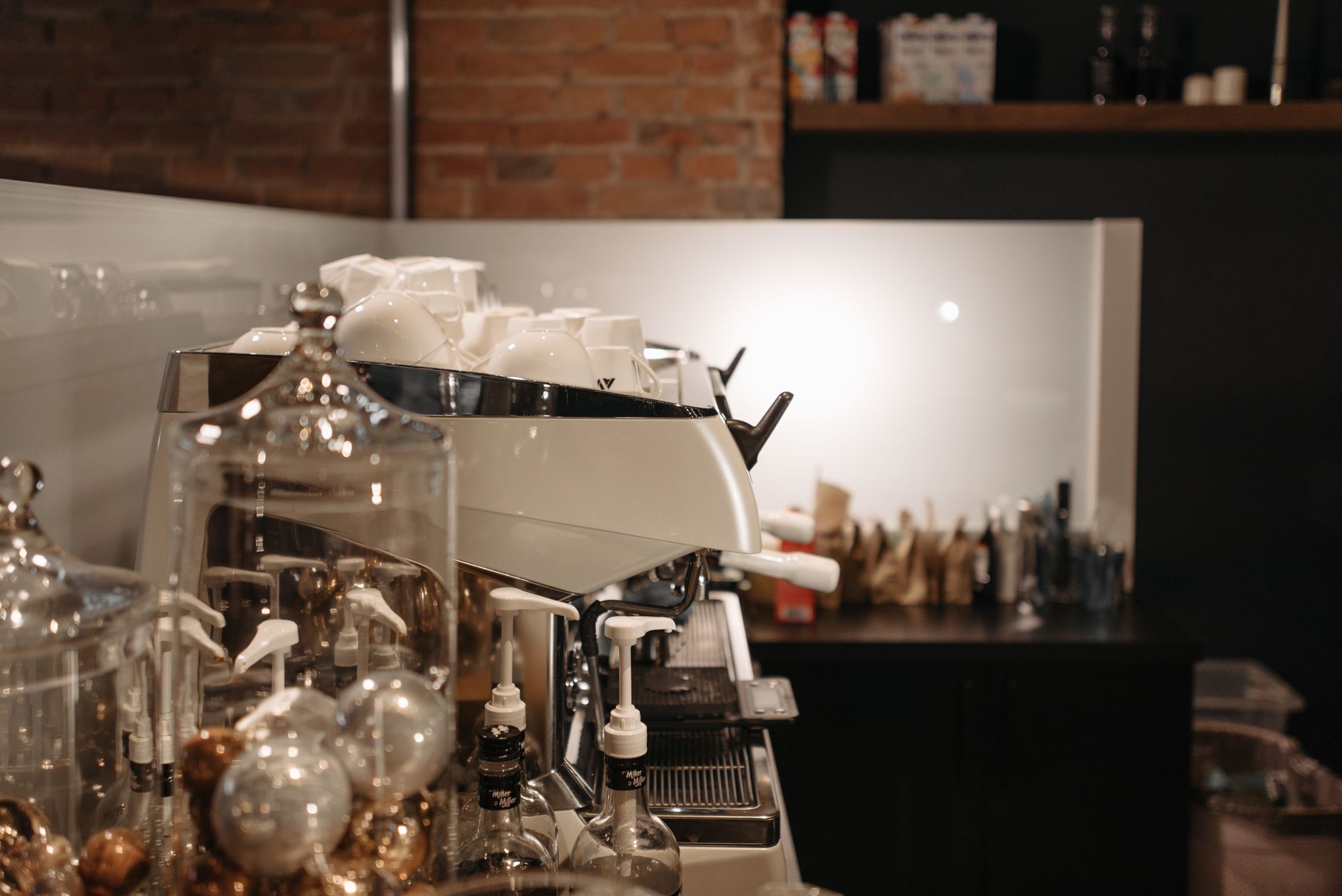
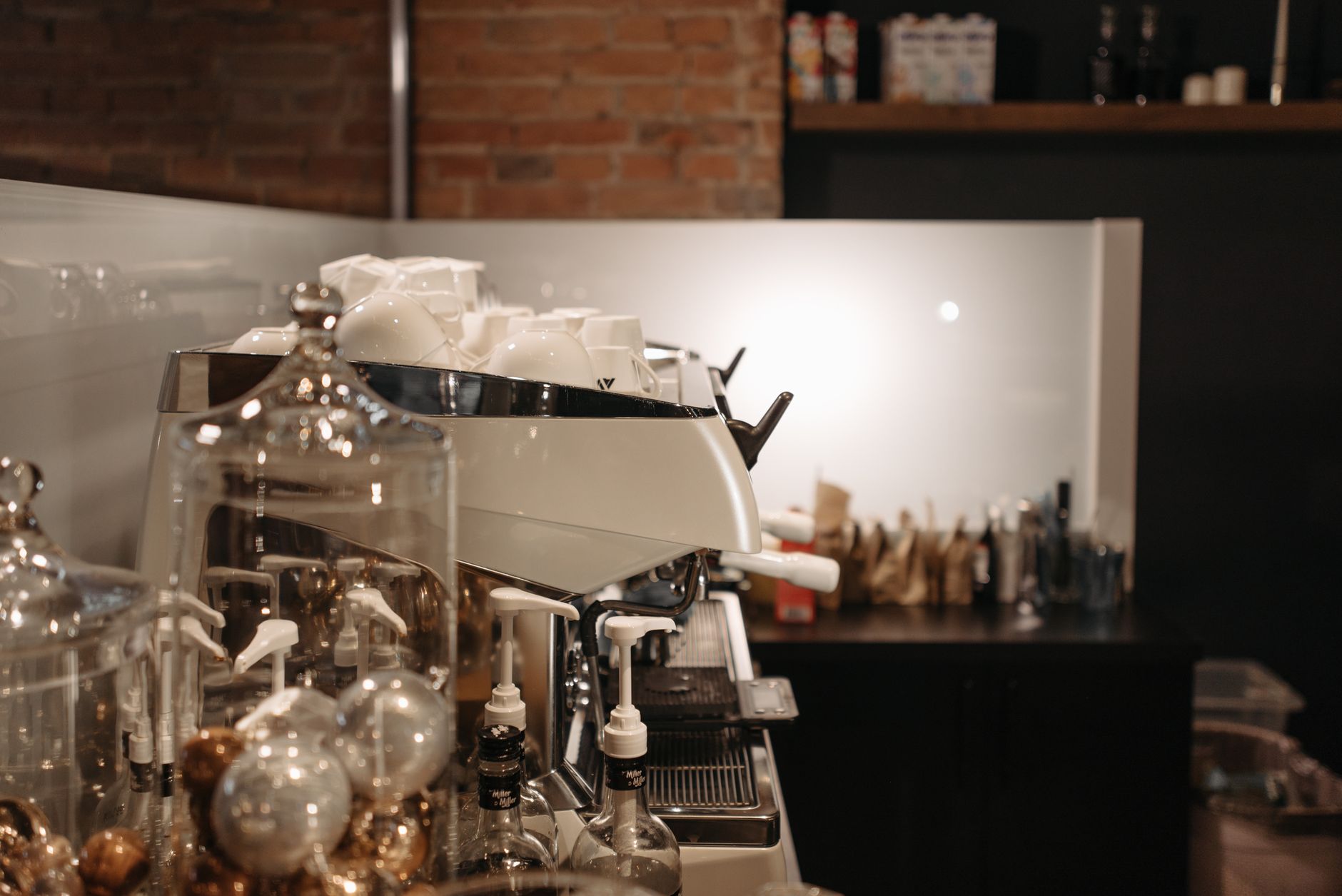
What Is an Office Espresso Machine? The Managed Service Model for South Carolina Businesses
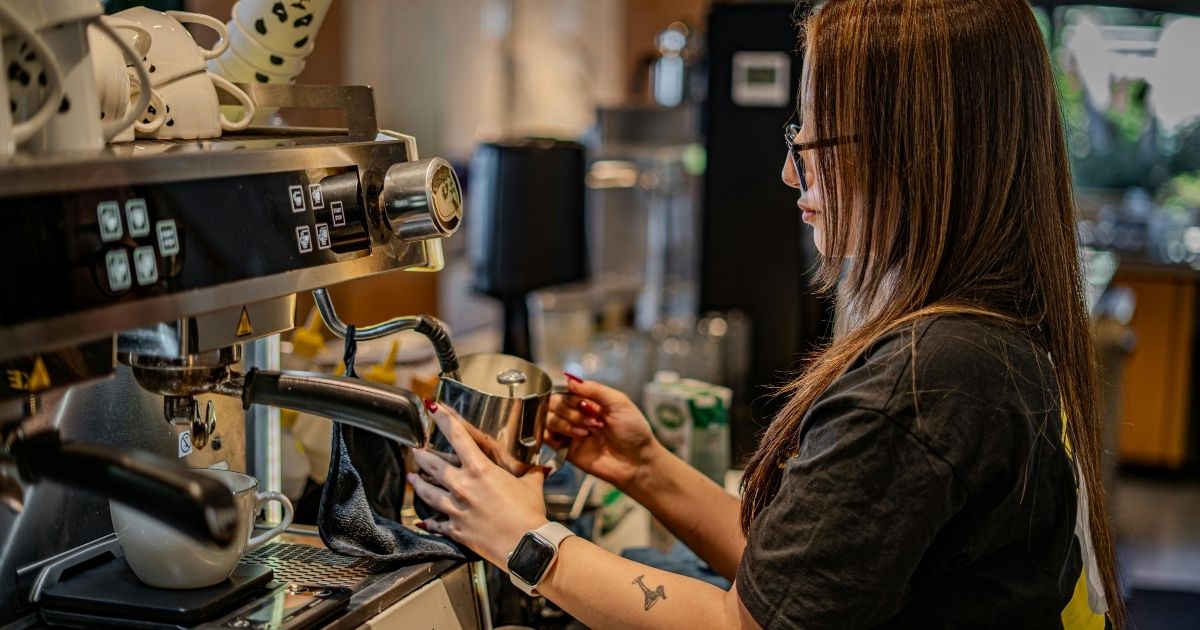
If you're an office manager or business owner in Charleston, Columbia, or Greenville and searching for "office espresso machines," you're likely trying to solve a specific challenge: delivering high-quality coffee to your team without the capital expense, maintenance headaches, or operational friction that usually comes with it. In 2026, the answer isn't simply buying a machine off a website. The modern office espresso machine for South Carolina businesses is a fully managed beverage ecosystem — premium equipment, professional installation, ongoing maintenance, and specialty-grade coffee bundled into one predictable monthly membership. This model eliminates the traditional barriers to great office coffee and aligns perfectly with the needs of growing businesses across the Palmetto State.
📚Definition
A "managed office espresso machine" refers to a commercial-grade super-automatic espresso machine provided, installed, maintained, and refilled by a dedicated coffee service partner like Busy Bean Coffee. The business pays a single monthly fee — no capital expenditure, no surprise repair bills, and no need for staff to learn how to troubleshoot a steaming wand.
The shift from simply owning a machine to subscribing to a managed coffee service is one of the most significant changes in the workplace beverage industry over the last decade. It mirrors the broader "as-a-service" economy that has transformed software, transportation, and now, commercial coffee equipment.
Why Office Espresso Machines Matter for South Carolina Workplaces in 2026
The cost of bad office coffee is much higher than most business leaders realize. Let's look at the data.
A 2023 National Coffee Association study found that 63% of office workers say coffee quality directly impacts their job satisfaction, and nearly 40% would consider leaving a job if the coffee was consistently poor (National Coffee Association, "Office Coffee Trends Report," 2023). That's a retention risk tied directly to your breakroom.
In my experience working with offices across Charleston, Greenville, and Columbia, the businesses that invest in a proper office espresso machine see measurable returns in employee morale, productivity, and even client impressions. One Columbia-based tech firm I worked with calculated that their managed espresso program cost roughly $4 per employee per shift — far less than the productivity lost when staff walk three blocks to a coffee shop twice a day.
💡Key Takeaway
An office espresso machine isn't a perk anymore. It's a retention tool and productivity lever that pays for itself when deployed as a managed service.
Beyond internal culture, consider the impression on clients and partners walking into your office. A high-quality espresso beverage speaks volumes about your company's standards and attention to detail. As the return-to-office trend continues in 2026, creating an environment that competes with the convenience of home is critical. A study by McKinsey found that organizations investing in workplace amenities and experiences saw a 15–20% higher return-to-office compliance rate (McKinsey & Company, "The State of the Workplace," 2024).
Practical Implementation: How to Choose an Office Espresso Machine for Your South Carolina Business
Transitioning to a managed espresso program doesn't have to be complicated. Here's the step-by-step approach I recommend to my clients:
Step 1: Assess Your Volume and Usage Patterns
How many employees do you have? Do you have high-traffic times (morning rush, after-lunch pick-me-ups)? A super-automatic machine designed for 50-100 cups per day serves a 30-50 person office perfectly. For larger spaces, dual-boiler machines with high throughput are necessary. Matching the
Top Office Coffee Solutions for Modern Workplaces in 2026 to your specific headcount prevents bottlenecks and ensures consistent quality.
Step 2: Evaluate the Total Cost of Ownership
The mistake I see constantly is office managers comparing only the upfront sticker price of a machine. A commercial-grade espresso machine can cost $5,000 to $15,000 to purchase outright. Then add installation (plumbing, electrical), maintenance (annual servicing is $500-$1,200), repairs (a busted boiler can be $800+), and the cost of fresh beans, milk, and cleaning supplies. When you run the numbers, a
Managed Coffee Service for Business: The Complete 2026 Guide almost always delivers superior value by converting these unpredictable variable costs into a single, known monthly fee.
Step 3: Prioritize Full-Service Installation and Training
A commercial espresso machine requires proper water filtration, correct electrical supply, and placement for workflow. This is where
White Glove Coffee Installation: Seamless Setup Guide for Businesses makes all the difference. A professional installation ensures your machine operates at peak performance from day one and avoids the "shrinkage" of service that happens when machines aren't set up correctly.
Step 4: Confirm Ongoing Support and Bean Quality
This is the most critical step. Ask any provider: What is your response time for a service call? What is your standard equipment rotation cycle? Where do you source your beans from? At Busy Bean Coffee, we source specialty-grade beans and offer a full maintenance guarantee. We don't just drop off a machine and disappear. We are your long-term partner in beverage excellence.
📚Definition
Super-automatic espresso machines are commercial-grade units that grind, dose, tamp, brew, and eject coffee grounds automatically at the push of a button. They require minimal staff training and produce consistent, high-quality espresso, cappuccinos, and lattes every time.
Comparing Office Espresso Machine Options for South Carolina
| Feature | Pod/Capsule Systems | Traditional Purchased Machine | Managed Super-Automatic Service (Busy Bean Coffee) |
|---|
| Machine Quality | Limited brew pressure and temperature; can't extract true espresso | High-quality, but capital-intensive and requires maintenance | Premium SENSA super-automatic; commercial-grade durability |
| Installation | Plug-and-play, no plumbing required | Requires professional plumbing and electrical; separate costs | Full White Glove Coffee Installation included |
| Maintenance | None (throw away the machine when it breaks) | $500 - $1,200 per year; repairs extra | Full maintenance and repairs included in membership |
| Coffee Quality | Pre-ground, stale, limited flavor profiles | Depends entirely on the operator's skill | Specialty-grade, fresh-roasted beans, dialed in by professionals |
| Cost Structure | High per-cup cost ($0.60 - $1.00) | High upfront CAPEX ($5k - $15k) + variable OPEX | Predictable low monthly fee; no capital expense |
| Best For | Very small offices (<10 people) | Companies with dedicated facilities teams | 15+ person offices wanting quality without hassle |
Common Questions and Misconceptions
Misconception 1: "A home espresso machine is good enough for an office."
Home machines are not built for the duty cycle of an office environment. They overheat, slow down, and break under constant use. A commercial or light-commercial super-automatic machine is built to pull 50-100 shots daily without failure.
Misconception 2: "Managed coffee services are more expensive than buying my own machine."
Most businesses underestimate the total cost of ownership by 40-60%. They forget repairs, descaling chemicals, milk, and the time staff spend cleaning and troubleshooting. A managed service wraps all of these into a simple, predictable bill. When you compare
Commercial Coffee Machine Subscription Cost Breakdown 2026 side-by-side, the subscription almost always wins on value.
Misconception 3: "I'll lose control over the coffee quality."
Actually, the opposite is true. With a managed service, the coffee is dialed in by professionals using the exact grind, dose, and recipe for the specific bean. You get consistency that's nearly impossible to achieve with rotating shifts of "whoever gets there first."
What is the difference between a home espresso machine and a commercial office espresso machine?
The primary difference is durability, consistency, and duty cycle. Home espresso machines are designed to make 2-4 drinks per day. They use smaller boilers, less powerful pumps, and cheaper internal components. A commercial or "prosumer" office espresso machine is engineered for high volume — 50-100 drinks per day without overheating or pressure loss. Additionally, commercial machines often connect directly to a water line, eliminating the need to refill a tank. For a South Carolina office, a commercial-grade super-automatic machine (like the SENSA equipment we use at Busy Bean Coffee) ensures that the first cup of the morning is just as excellent as the last cup before lunch.
How much does an office espresso machine cost in South Carolina for a managed membership?
A managed membership for a quality office espresso machine in South Carolina typically ranges from $200 to $800 per month, depending on the number of employees, machine tier, and consumption volume. For that fee, you get the commercial-grade espresso machine, white-glove installation, ongoing maintenance and repairs, specialty-grade fresh-roasted coffee beans (including decaf and single-origin options), and consumables like milk and cleaning supplies. There is zero upfront capital expenditure. This model is especially attractive for businesses in fast-growing areas like Charleston and Greenville, where capital is better invested in core operations and talent.
Who provides maintenance and repairs for office espresso machines in Charleston?
With a managed
coffee service, the provider handles all maintenance and repairs. For example, Busy Bean Coffee services the entire Southeast, including Charleston, Columbia, Greenville, and surrounding areas. If a machine goes down, we schedule a service visit quickly because our reputation depends on your coffee never stopping. We also perform regular preventative maintenance visits to descale, clean, and inspect the machine to avoid breakdowns before they happen. This is a stark contrast to buying a machine yourself, where you are at the mercy of a third-party repair technician who may not specialize in your specific model.
Can I get a managed office espresso machine without a long-term contract in South Carolina?
Many providers, including Busy Bean Coffee, offer flexible membership terms. While the standard agreement is often 12, 24, or 36 months (which allows the provider to amortize the cost of the high-quality equipment), month-to-month options may be available with slightly different pricing. It is always worth asking. The value of a 3-year lock-in is that you get the absolute best machine and the lowest possible monthly rate. For growing companies, this predictable cost structure helps with budgeting across fiscal years.
What type of coffee beans are best for office espresso machines in South Carolina?
The best beans for office espresso machines are specialty-grade Arabica beans that have been roasted within the last 2-4 weeks. Freshness is paramount for espresso extraction. At Busy Bean Coffee, we offer a rotation of single-origin and espresso blend options, all freshly roasted to order. We avoid pre-ground coffee at all costs. Why? Oxygen begins degrading coffee immediately after grinding. A managed super-automatic machine grinds fresh for every single shot, ensuring maximum flavor extraction. For more detail on sourcing, see our
Ultimate Guide to Specialty Coffee Bean Supply for Businesses.
Summary and Next Steps
The modern office espresso machine in South Carolina is no longer a simple appliance purchase. It is a strategic investment in employee experience, operational efficiency, and workplace culture. The managed membership model — spearheaded by companies like Busy Bean Coffee — removes the barriers of capital cost, maintenance complexity, and inconsistent quality.
If you are evaluating options for your office in Charleston, Columbia, or Greenville, I encourage you to stop comparing monthly fees in isolation. Compare the total package: equipment quality, installation process, maintenance responsiveness, bean freshness, and the depth of the partnership.
At Busy Bean Coffee, we built our entire business around making exceptional coffee service easy for businesses. We handle the equipment, the installation, the maintenance, and the specialty coffee sourcing — so you and your team can focus on the work that matters.
Ready to upgrade your office coffee experience in 2026? Let's talk.
Recommended Readings
To deepen your understanding of these topics, we recommend reading the following articles:
About the Author
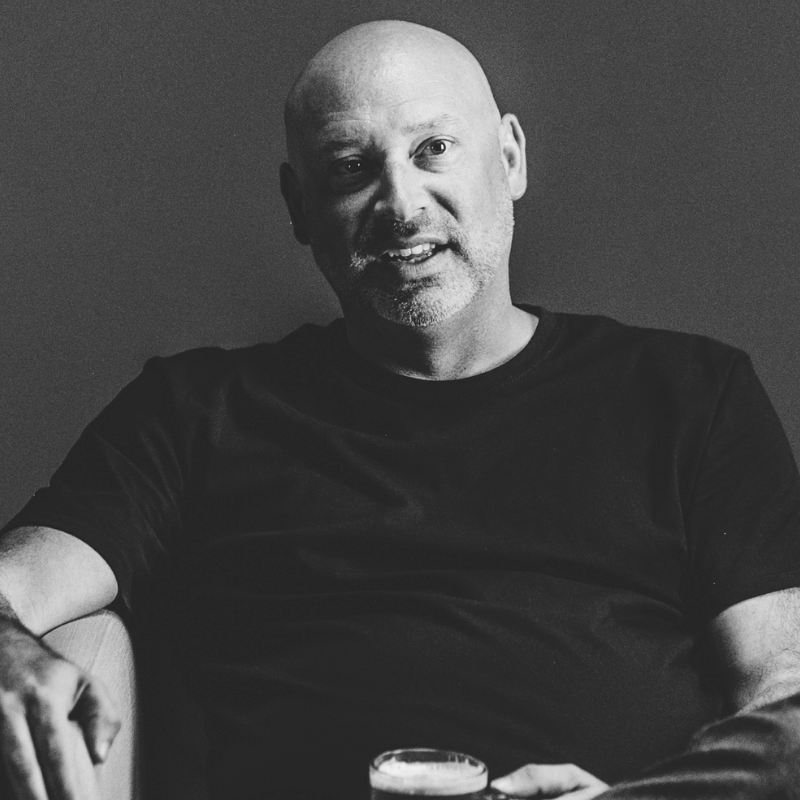
Travis Estes is the Founder at
Busy Bean Coffee. With over a decade in the specialty coffee industry, he has helped hundreds of businesses across the Southeast eliminate bad office coffee and reduce beverage program costs through innovative, managed membership solutions featuring premium SENSA equipment.