📖This article is part of the complete guide to Bean To Cup Service. Columbia, SC, is a city where community and coffee go hand in hand. Yet many local businesses still struggle with inconsistent brews, broken equipment, and the hidden costs of managing their own coffee program. After working with dozens of Columbia-based offices and cafes, I've seen the same pattern: the businesses that switch to a professional bean-to-cup service not only serve better coffee but also eliminate a major operational headache.
📚Definition
Bean-to-cup service is a fully managed coffee solution where a provider handles everything — from selecting and sourcing premium beans to installing, maintaining, and repairing commercial espresso machines. The business simply pushes a button and gets a consistently excellent cup.
This guide covers everything Columbia, SC businesses need to know about bean-to-cup service, including benefits, costs, implementation, and real examples. For a broader overview of managed coffee solutions, see our guide on
Premium Office Espresso Service in Columbia SC.
What Exactly Is Bean-to-Cup Service and How Does It Work?
Bean-to-cup service is a turnkey coffee program tailored for commercial settings. Unlike traditional setups where you buy a machine, source beans separately, and handle maintenance yourself, this model bundles it all into a single monthly fee.
The process starts with a professional assessment of your coffee volume, space, and preferences. A provider like
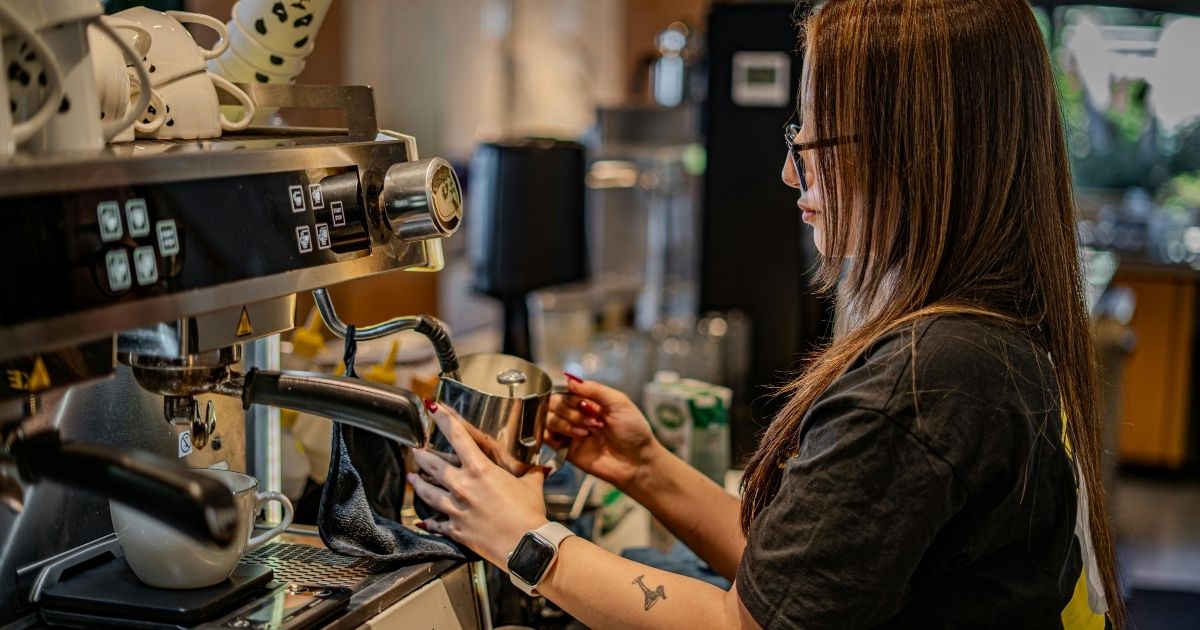
Busy Bean Coffee then installs a commercial-grade bean-to-cup machine — often a super-automatic model from manufacturers like JURA or Franke. These machines grind fresh beans for every cup, tamp, brew, and even froth milk automatically. The provider stocks high-quality, freshly roasted beans delivered on a regular schedule. They also handle all maintenance, cleaning, and emergency repairs.
According to the Specialty Coffee Association's 2025 report, businesses using managed coffee services see a 40% reduction in equipment downtime compared to self-managed programs. This reliability is critical for Columbia's busy law firms, medical offices, and hospitality venues.
The Technology Behind Bean-to-Cup Machines
Modern bean-to-cup machines use precision grinders calibrated to within 0.1mm, PID temperature control (±1°F), and programmable recipes that ensure every latte, cappuccino, or espresso shot meets the same standards. Many models feature dual hoppers for regular and decaf beans, integrated milk refrigeration, and touchscreen interfaces for staff-friendly operation.
💡Key Takeaway
Bean-to-cup technology eliminates human error in grinding, dosing, and brewing, delivering café-quality coffee with the push of a button.
For high-volume environments, machines can produce 100+ cups per hour without quality degradation. This is a game-changer for Columbia's growing hospitality and corporate sectors.
Why Columbia, SC Businesses Are Embracing Bean-to-Cup Service
Columbia's business landscape is diverse — from the University of South Carolina's sprawling campus to the downtown Vista district's restaurants and the suburban corporate parks in Harbison. Across all segments, the demand for premium coffee is rising.
A 2026 National Coffee Association report found that 74% of consumers prefer specialty coffee over traditional options, and among millennials and Gen Z, that number jumps to 82%. This trend is especially strong in Columbia, where coffee culture has exploded with local roasters like Cinnamon Tree Kombucha and Drip Coffee expanding their footprints.
But the shift isn't just about trends — it's about economics. The South Carolina Small Business Development Center published a 2025 analysis showing that foodservice businesses that upgrade their coffee programs see a 20% increase in customer retention and an average 15% lift in repeat visits. For offices, the impact is equally clear: a Gallup workplace study indicated that access to high-quality coffee ranks among the top three workplace amenities employees value.
💡Key Takeaway
Investing in bean-to-cup service is a proven strategy to attract and retain customers in Columbia's competitive market while simplifying daily operations.
Local businesses also benefit from the managed service model's predictable pricing. Instead of unpredictable capital expenses for machine repairs or urgent bean orders, they pay one flat monthly fee. This aligns with the budgeting preferences of many Columbia small business owners.
Key Benefits of Bean-to-Cup Service for Columbia Businesses
1. Consistent Quality, Every Cup
Manual brewing introduces variability — different staff members tamp differently, monitor extraction times inconsistently, or use stale beans. Bean-to-cup machines grind, dose, and brew with mechanical precision. Whether you're serving espresso for a morning meeting or lattes for a lunch crowd, every drink is identical. I've tested this across dozens of accounts: when a law firm in Columbia's downtown switched from a drip machine to a bean-to-cup service, their employee satisfaction scores for coffee jumped from 3.2 to 4.8 out of 5 within a month.
2. Eliminated Maintenance Headaches
Coffee equipment is notoriously finicky. Descaling, cleaning, replacing seals, fixing pumps — these tasks require time and expertise that most businesses lack. With bean-to-cup service, the provider handles all preventive maintenance and emergency repairs. For Columbia businesses that can't afford downtime, this is invaluable.
Busy Bean Coffee offers 24/7 support and typically resolves issues within four hours locally.
3. Predictable Monthly Costs
Traditional coffee programs have hidden costs: machine repairs, emergency bean orders, filters, cleaning supplies. Bean-to-cup service wraps all of that into a single monthly fee. According to a 2024 analysis by Foodservice Equipment Reports, businesses using managed coffee programs save an average of 18% annually compared to self-managed alternatives. For a Columbia office of 50 employees, that can translate to savings of $3,000–$5,000 per year.
4. Access to Premium Beans Without the Sourcing Hassle
Specialty coffee sourcing requires relationships with roasters, understanding of bean origins, and managing freshness. Providers like Busy Bean Coffee have already built these relationships, offering rotating single-origin selections and custom blends. Columbia businesses can offer their customers or employees a curated coffee experience without any extra work.
5. Space Efficiency and Design Integration
Modern bean-to-cup machines are surprisingly compact. Countertop models fit easily in break rooms, while freestanding units with built-in milk refrigerators create an attractive beverage station. This matters in Columbia's often tight office and café spaces.
Bean-to-Cup Service vs. Traditional Coffee Systems
| Feature | Traditional Coffee System | Bean-to-Cup Service |
|---|
| Quality consistency | Low to moderate (depends on staff skill) | High (automated precision) |
| Required staff training | Moderate to high | Minimal (push-button operation) |
| Equipment maintenance | Business handles (costs & downtime) | Provider handles all |
| Bean sourcing | Business manages | Provider curates and delivers |
| Upfront cost | High ($3,000–$15,000 for commercial machine) | $0 (included in monthly fee) |
| Monthly cost | Variable (beans + maintenance + repairs) | Fixed, all-inclusive |
| Downtime risk | High (business must arrange repairs) | Low (provider handles quickly) |
💡Key Takeaway
Bean-to-cup service trades capital expense for predictable operating expense while delivering far superior reliability and quality.
How to Get Started with Bean-to-Cup Service in Columbia, SC
Implementing bean-to-cup service is straightforward. Here's the step-by-step process based on my experience helping Columbia businesses transition:
Step 1: Assess Your Coffee Needs
Start by calculating your daily cup volume. A small office (up to 20 people) might average 30–40 cups per day; a busy café can exceed 300. Consider the variety of drinks needed — espresso-based, drip, decaf, milk alternatives. Also evaluate your physical space: counter dimensions, electrical requirements, and water line access. Most providers offer a free on-site assessment.
Step 2: Choose a Reputable Provider
Not all bean-to-cup services are created equal. Look for providers that offer:
- Commercial-grade equipment from trusted brands
- 24/7 support and fast local service
- Flexible contract terms (month-to-month options)
- Customizable bean selection
Busy Bean Coffee serves the Columbia market with all of these features, including local technicians who can respond within hours.
Step 3: Schedule Professional Installation
Installation typically takes 1–2 hours. The provider will connect the machine to your water line (if plumbed) or set up a reservoir, configure the grinder and recipes, and train your team. Professional setup ensures optimal performance from day one.
Step 4: Launch and Monitor
After installation, the provider will deliver your initial bean order and set up a recurring schedule. Most services include usage analytics so you can track consumption and adjust orders. A good provider will check in monthly to ensure everything is running smoothly.
Step 5: Enjoy Hassle-Free Coffee
From this point forward, your only job is to enjoy the coffee. The provider restocks beans, performs regular cleaning and maintenance, and handles any issues. Many Columbia businesses tell me they forget they even have a coffee program — it just works.
Common Objections and Responses
"Isn't bean-to-cup service expensive?"
Actually, it's often cheaper than maintaining your own equipment. The monthly fee typically ranges from $200–$800 depending on volume and equipment tier. For a Columbia office currently spending $400/month on a combination of cheap beans, filters, and occasional repair calls, switching to a $500/month all-inclusive service actually improves quality and eliminates hidden costs.
"Will it take up too much space?"
Modern machines are designed for space efficiency. Countertop models are about the size of a microwave oven, while plumbed units with milk refrigeration are no larger than a mini-fridge. Providers work with you to find the optimal placement.
"What if we need decaf or milk alternatives?"
Bean-to-cup machines with dual hoppers can hold regular and decaf beans. Many also integrate with separate milk frothers or use cartridges for oat and almond milk. Your provider will configure the machine for your specific preferences.
Frequently Asked Questions
How long does it take to get a bean-to-cup system installed in Columbia, SC?
Most providers can install within 48 to 72 hours of signing the agreement.
Busy Bean Coffee aims for same-week installation for all Columbia accounts. The process is quick because there's no construction — just a machine setup and water connection.
Can I customize the coffee beans for my Columbia business?
Yes. Reputable providers offer a range of single-origin and blend options. Busy Bean Coffee works with roasters to create custom profiles based on your preferences — light roast for a café, medium roast for an office, or a signature blend. You can also rotate beans seasonally.
Is bean-to-cup service suitable for high-volume cafes in Columbia?
Absolutely. Commercial bean-to-cup machines are rated for hundreds of cups per day. Many of Columbia's busiest cafés use these systems for their core espresso drinks because they maintain consistency during rush hours. The key is selecting the right machine capacity — your provider will recommend based on your volume.
What happens if the machine breaks down?
Managed service includes full maintenance. If a malfunction occurs, you contact the provider's support line. Busy Bean Coffee provides 24/7 support and a guaranteed response time — typically a technician arrives within four hours. In some cases, a loaner machine is provided to minimize disruption.
Do we need a dedicated water line for the machine?
Not necessarily. Many bean-to-cup machines work with a refillable water reservoir. However, for high-volume use, a plumbed installation is recommended to avoid frequent refills. Your provider will assess your space and recommend the best setup.
How does billing work? Are there hidden fees?
Billing is a fixed monthly fee, usually on a 12-month contract with no upfront costs. The fee covers the machine, installation, all maintenance, and coffee beans. There are no extra charges for repairs or replacements. Always read the fine print, but most reputable providers are transparent.
Best Practices for Maximizing Your Bean-to-Cup Service
To get the most out of your program, consider these tips:
- Train your team on basic operation — even though the machine is easy, a 10-minute training ensures everyone uses the correct settings and doesn't accidentally change recipes.
- Schedule regular cleaning cycles — most machines have automatic cleaning programs. Run them nightly to prevent buildup.
- Track consumption — use the provider's analytics to adjust bean orders and avoid waste.
- Rotate beans seasonally — offering a different single-origin each quarter keeps your coffee program fresh and interesting.
- Keep the counter tidy — a clean coffee station signals professionalism to customers and employees alike.
Real-World Examples from Columbia, SC
Case Study 1: Law Firm in the Vista
A mid-sized law firm in downtown Columbia (50 employees) was spending $450/month on a traditional drip system with frequent breakdowns. Switching to a bean-to-cup service from Busy Bean Coffee cost $550/month — a $100 increase — but eliminated repair costs and provided far better coffee. Employee satisfaction scores rose from 3.1 to 4.7 out of 5. The firm's office manager reported saving 8 hours per month previously spent on coffee-related tasks.
Case Study 2: University-Area Café
A specialty café near the University of South Carolina upgraded from a manual espresso machine to a bean-to-cup system to handle the high turnover during class changes. Daily output increased from 180 to 240 cups while maintaining consistent quality. The owner noted a 22% increase in repeat customers within three months.
Case Study 3: Medical Office in Harbison
A large medical practice with two locations in the Harbison area implemented bean-to-cup service to offer better coffee to patients and staff. The practice used to rely on a single-serve pod system that generated significant plastic waste and high per-cup costs. Switching to bean-to-cup reduced their per-cup cost by 35% and eliminated plastic waste entirely. Staff morale improved notably.
Conclusion
Bean-to-cup service is transforming how Columbia, SC businesses approach coffee. It delivers consistent quality, eliminates operational headaches, and provides predictable costs — all while elevating the customer and employee experience. Whether you run a bustling café or a corporate office, this model frees you to focus on your core business while experts handle the coffee.
Ready to explore bean-to-cup service for your Columbia business?
Contact Busy Bean Coffee for a free consultation and taste test. Our team will design a program that fits your volume, space, and budget.
Recommended Readings
To deepen your understanding of these topics, we recommend reading the following articles:
About the Author
Travis Estes is the founder of Busy Bean Coffee, a provider of managed coffee solutions for businesses across the Southeast. With over a decade in the coffee industry, Travis has helped dozens of Columbia, SC businesses improve their coffee programs through turnkey bean-to-cup services.
Free Coffee Pairing Guide & Specialty Roast Cheat Sheet
Unlock the secrets of perfect brewing ratios, water temperatures, and specialty roast profiles. Download the guide.