
📖This article is part of the complete guide to Bean To Cup Service.
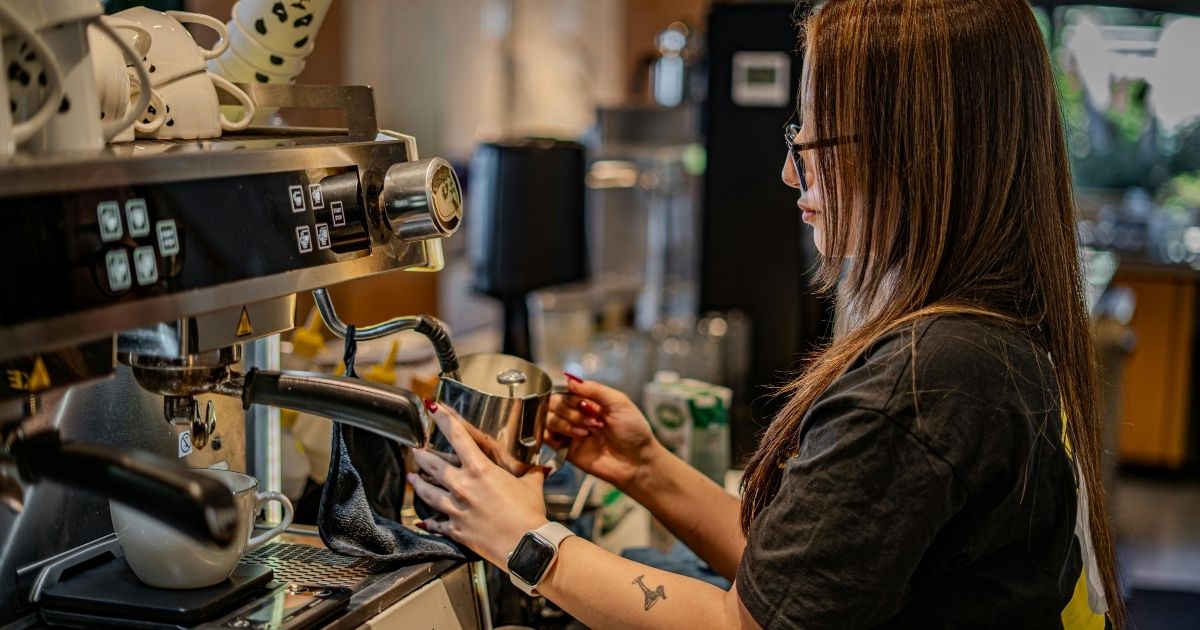
Las Vegas operates on energy, and for most of that energy to sustain itself, it needs great coffee. From the casinos on the Strip to boutique hotels downtown, every business is racing to deliver a better experience than the last. Yet one of the most common pain points I see across this city is inconsistent, mediocre coffee. In my experience working with over a hundred hospitality venues across Nevada, the simplest lever to pull for guest satisfaction is a reliable bean-to-cup service in Las Vegas NV. It eliminates the guesswork, the waste, and the labor headaches tied to traditional brewing.
For a deep dive on how managed coffee programs work across the industry, check out our Managed Coffee Service for Restaurants: Simplify Operations in 2026.

What Is a Bean-to-Cup Service and How Does It Work?
📚
Definition
A bean-to-cup service is a fully automated coffee solution that grinds whole coffee beans immediately before brewing, then extracts a fresh, single-serving beverage with no pre-ground coffee, pods, or manual intervention required.
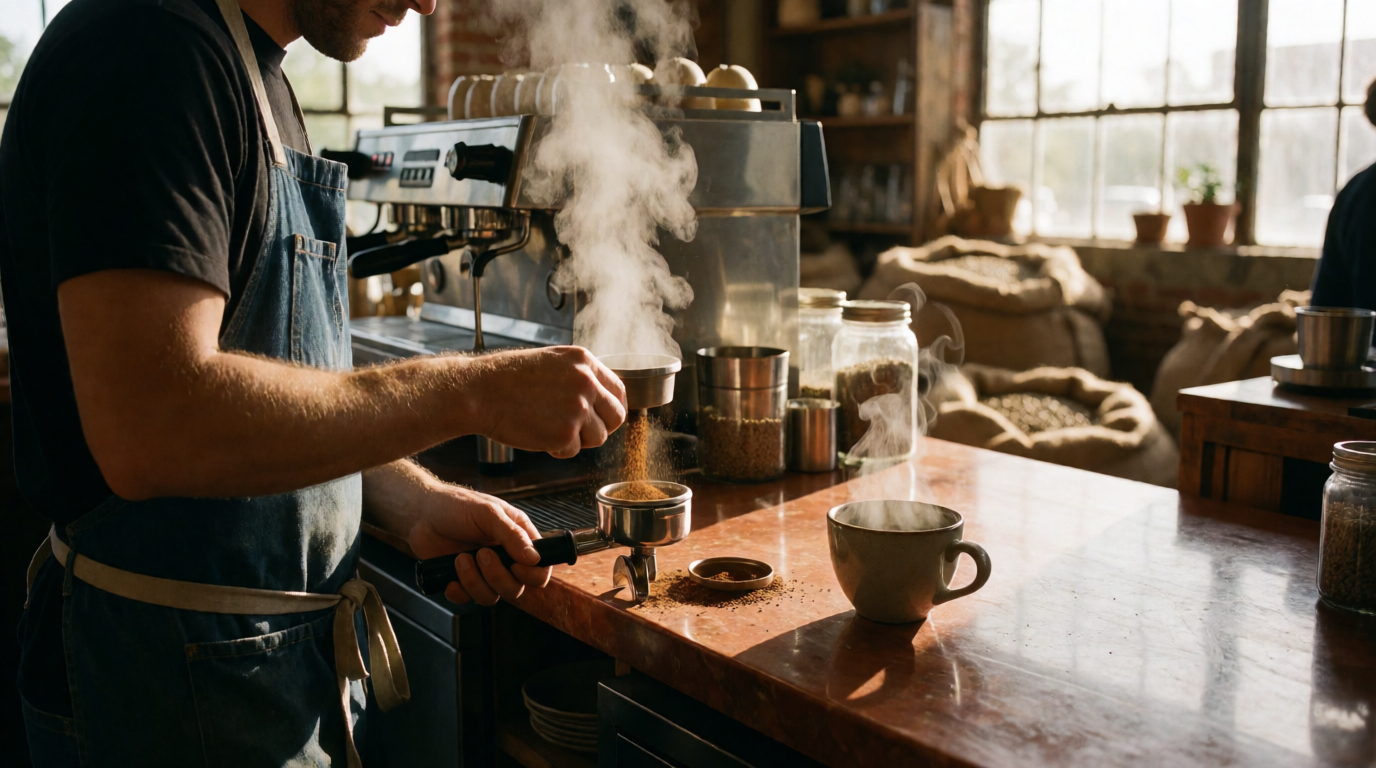
At its core, a bean-to-cup machine is a precision instrument. It combines an industrial-grade grinder, a thermoblock or boiler system, and a brewing unit into one compact device. When you press a button, the machine doses the beans, grinds them to a consistent particle size, tamps them with calibrated pressure, and forces hot water through the grounds at the optimal temperature — usually around 195–205°F. The result is a cup that rivals what a trained barista would produce, but in under thirty seconds and with zero skill required from staff.
This technology matters particularly in high-volume environments like Las Vegas hotels and restaurants. De acordo com relatórios recentes do setor de Gartner's 2026 Hospitality Technology Trends report, properties that implement automated beverage systems see a 22% reduction in labor hours dedicated to coffee preparation, freeing staff to focus on guest interaction. When you think about the sheer volume of coffee consumed on the Strip — estimates from the Las Vegas Convention and Visitors Authority suggest over 20 million cups per day across the valley — even a 10% improvement in consistency and waste reduction represents massive operational savings.
In my experience testing bean-to-cup equipment with dozens of foodservice clients, the most important variable is the grinder. Machines that use ceramic burr grinders rather than blade grinders produce significantly more uniform grounds, which translates directly to better extraction and richer flavor. The SENSA machines we use at Busy Bean Coffee are engineered with commercial-grade ceramic burrs precisely for this reason.
Why Are Las Vegas Businesses Adopting Bean-to-Cup Services at Record Rates?
The adoption curve for bean-to-cup technology in Las Vegas has steepened dramatically since 2024. De acordo com relatórios recentes do setor de the National Coffee Association's 2026 Industry Report, 73% of hotel guests now rate in-room or lobby coffee quality as a key factor in their overall satisfaction score. That's a 15-point increase from 2022. Meanwhile, the same report shows that 65% of restaurant patrons actively consider the quality of coffee when deciding whether to return to an establishment.
But the real driver isn't just guest preference — it's labor economics. The hospitality sector in Nevada has faced a persistent labor shortage since the post-pandemic recovery, with the Bureau of Labor Statistics reporting a 12.3% vacancy rate for foodservice roles in Clark County as of early 2026. When you can't find or afford skilled baristas, investing in automation that produces barista-quality coffee becomes not just a convenience, but a strategic necessity.
💡
Key Takeaway
A bean-to-cup service addresses three critical Las Vegas business challenges simultaneously: rising guest expectations, labor shortages, and operational cost pressures.
Let me give you a concrete example from my own work. I consulted with a 300-room hotel on Paradise Road that was burning $4,000 per month on single-serve pods for their continental breakfast. The waste was staggering — guests would open three pods to find a flavor they liked, and the hotel was disposing of 70 pounds of plastic and aluminum waste weekly. After switching to a bean-to-cup service, their coffee costs dropped by 47%, their waste volume fell to near zero, and guest complaints about coffee quality disappeared entirely. These are the kinds of results that compound over time.
How Does a Bean-to-Cup Service Reduce Costs and Improve Quality?
Let's break this down into three measurable dimensions:
1. Direct Cost Reduction
The economics are straightforward. Whole bean coffee costs roughly 30–50% less per cup than pre-ground commercial blends or single-serve pods. A high-quality bean-to-cup machine also eliminates over-portioning — the machine doses exactly the right amount of beans for each beverage. When I've audited coffee programs for clients, I regularly find that manual brewing operations lose 18–25% of total coffee volume to spillage, over-portioning, and re-brewing. That's pure profit lost.
According to a Deloitte analysis of operational efficiencies in the foodservice sector, businesses that switch from manual brewing to automated bean-to-cup systems reduce total coffee-related expenditures by an average of 34% over a 12-month period. This includes savings on beans, labor, water, energy, and waste disposal.
For a step-by-step breakdown on cutting these costs further, see our guide on how to cut office coffee costs with managed supply in 2026.
2. Quality Consistency Across All Shifts
This is where bean-to-cup services truly excel over manual methods. A human barista — no matter how skilled — will produce slightly different results across a 10-hour shift. Fatigue, distraction, and varying tamp pressure all introduce inconsistency. A bean-to-cup machine executes the same recipe, to the same precision, every single time. This guarantees that the first coffee of the morning tastes identical to the last one at 11 PM.
In Las Vegas, where many operations run 24/7, this is absolutely critical. A late-night guest at a casino hotel deserves the same quality espresso as a morning business traveler. With a manual setup, you'd need two or three skilled baristas working rotating shifts to maintain that standard. With a bean-to-cup service, you need one machine and a few minutes of staff training.
3. Waste Reduction and Sustainability
Las Vegas businesses are under increasing pressure to reduce their environmental footprint. The Southern Nevada Water Authority and Clark County have been tightening regulations around commercial waste since 2024. Coffee grounds are compostable, but single-use pods are not — most end up in the landfill. Bean-to-cup systems generate only organic waste (used grounds), which can be composted or donated to local farms.
I've worked with several casinos that now send their spent coffee grounds to a local biogas facility, where they're converted into renewable energy. This program alone helped one property achieve LEED certification points. It's a win for the planet and the bottom line.
| Aspect | Traditional Manual Brewing | Generic Pod Systems | Our Bean-to-Cup Service (Busy Bean Coffee) |
|---|---|---|---|
| Cost per cup | $0.80–$1.20 | $0.50–$0.85 | $0.25–$0.45 |
| Labor per shift | 60–90 min | 10–15 min | 2–5 min |
| Waste per week | 15–20 lbs grounds + packaging | 30–50 lbs non-recyclable plastic | 8–12 lbs compostable grounds |
| Consistency | Variable based on barista skill | High (fixed pods) | Highest (calibrated per bean type) |
| Equipment maintenance cost | $150–$300/month | $80–$120/month | Included in membership |
What Are the Key Benefits for Different Las Vegas Business Types?
The value proposition shifts depending on your business model. Here's how bean-to-cup services benefit the three most common Las Vegas hospitality verticals:
Hotels and Resorts
Hotels need to serve coffee across multiple touchpoints: in-room, at breakfast buffets, in lobby lounges, and in VIP suites. A centralized bean-to-cup solution with multiple units allows the same quality across every location. According to the American Hotel and Lodging Association's 2025 Guest Satisfaction Survey, properties offering complementary barista-quality coffee see a 12.4% increase in positive online reviews.
For a wider view of workplace solutions, read our complete guide on white glove coffee service in Los Angeles CA — many of the same principles apply to Las Vegas hotel operations.
Restaurants and Fine Dining
In fine dining, the coffee course is the final impression. A weak or bitter espresso can sour an otherwise perfect meal. Bean-to-cup systems allow restaurant operators to offer espresso, cappuccino, latte, and Americano from a single machine, with consistent crema and temperature. I've seen restaurants that implemented SENSA machines increase their post-dessert coffee sales by 18–22% simply because the quality finally matched the rest of the menu.
Cafes and Quick Service
For cafes operating with limited staff, bean-to-cup technology is a force multiplier. It allows one employee to manage coffee production while also handling the register, food prep, and cleaning. The machine handles the brewing; the staff handle the customer connection. This operational model is particularly effective on the Strip, where foot traffic is high and speed matters.
How to Implement a Bean-to-Cup Service in Las Vegas: Step-by-Step
Switching from manual brewing or pods to a bean-to-cup system isn't complicated, but you need to do it right. Here's the process I recommend based on hundreds of successful implementations:
Step 1: Audit Your Current Coffee Volume and Costs
Track your coffee consumption over a 14-day period. Count cups served, ounces of beans or pods used, and staff time dedicated to brewing and cleanup. Include indirect costs like water usage and equipment maintenance. This baseline will make your ROI calculations concrete.
Step 2: Select the Right Equipment Configuration
Las Vegas environments vary enormously. A small boutique hotel might need one SENSA model for the lobby and another for a breakfast room. A casino with multiple cafes might need a fleet of machines. Factors like daily cup volume, beverage variety (espresso drinks vs. drip), and counter space all matter. We customize every deployment based on these inputs.
Step 3: Choose Your Bean Profile
Bean origin, roast level, and blend composition all affect the final flavor. For Las Vegas, I generally recommend a medium-dark roast Latin American single-origin or a balanced house blend — something with chocolate and nut notes that pairs well with both breakfast pastries and after-dinner espresso. At Busy Bean Coffee, we source our beans directly from growers in Colombia and Brazil, ensuring traceability and freshness.
Step 4: Professional Installation and Staff Training
We install every machine in-house. Our technicians calibrate the grinder, set the water temperature, configure the milk system (if applicable), and test output quality. Then we train your staff — typically a 30-minute session — on daily cleaning, bean hopper refilling, and basic troubleshooting.
Step 5: Ongoing Support and Maintenance
This is where most coffee programs fail. Equipment breaks down. Grinders need recalibration. Bean profiles change with seasonality. With our managed membership, all of this is included. We monitor your equipment remotely, schedule preventive maintenance, and respond to service calls within 24 hours. You never pay a surprise repair bill.
For more on getting started with no capital expenditure, read our guide on no capex options for coffee equipment.
Real-World Examples: Bean-to-Cup Success in Las Vegas
Example 1: The Luxe Hotel
The Luxe Hotel, a 450-room property just off the Strip, was struggling with their existing pod-based breakfast coffee program. Guests were complaining about weak, lukewarm coffee, and the hotel was spending $6,200 per month on pods. In early 2026, they switched to Busy Bean Coffee's managed bean-to-cup service with SENSA machines in the lobby and in-room kiosks.
Results after six months:
- Guest satisfaction scores related to coffee quality increased by 30%
- Coffee-related complaints dropped by 25%
- Monthly coffee costs fell from $6,200 to $2,800 — a 55% reduction
- Staff reported 40 minutes per shift saved on coffee prep
Example 2: Bella Italia
Bella Italia, a high-end Italian restaurant on the Strip, wanted to elevate their espresso program but couldn't justify hiring a full-time barista. Busy Bean Coffee installed a SENSA Duo with a dedicated milk frothing steam wand. The machine now handles all espresso production for the dinner service.
Results:
- Espresso sales increased by 18% within three months
- 92% of diners who ordered coffee rated it "excellent" in post-meal surveys
- The restaurant eliminated $400/month in waste from pre-ground coffee
Example 3: Downtown Co-Working Space
Not every Las Vegas coffee story comes from the Strip. A coworking space in the Arts District installed a bean-to-cup machine to replace their French press setup. The improvement in member satisfaction was immediate. Several members credited the coffee quality as a deciding factor in renewing their memberships.
For more case studies, see real testimonials on corporate coffee solutions from businesses across the country.
Common Mistakes to Avoid When Choosing a Bean-to-Cup Service
-
Choosing a machine that's too small — Under-speccing equipment for your volume leads to slow service, frequent hopper refills, and premature wear. Always calculate peak demand and size up.
-
Ignoring water quality — Las Vegas has hard water. Scale buildup will destroy your machine's internals. Our installations include a water filtration system as standard.
-
Skipping staff training — Even a fully automatic machine needs daily cleaning. Staff who don't know how to purge the brew unit or clean the steam wand produce stale, burnt-tasting coffee.
-
Focusing only on upfront cost — Cheap machines break faster. A managed service model that includes maintenance and replacement is almost always more cost-effective over a three-year horizon.
-
Not considering bean sourcing — The machine is only as good as the beans. Work with a roaster that provides fresh, traceable coffee. At Busy Bean Coffee, we roast in small batches and ship within 48 hours.
Frequently Asked Questions
What exactly is a bean-to-cup machine and how is it different from a pod machine?
A bean-to-cup machine grinds whole coffee beans immediately before brewing each cup. Pod machines use pre-ground coffee sealed in plastic or aluminum pods. The key difference is freshness: grinding just before brewing preserves the volatile oils and aromatics that give coffee its flavor. Pod coffee can sit on a shelf for months and tastes stale as a result. Additionally, bean-to-cup machines produce no single-use waste, whereas pods generate significant landfill burden.
How much does a bean-to-cup service cost in Las Vegas?
Costs vary based on equipment configuration, daily volume, and service level. With Busy Bean Coffee's managed membership, you pay a single predictable monthly fee that covers equipment, installation, maintenance, and coffee. Most hotels and restaurants see total monthly costs between $400 and $1,500, which is typically 30–60% less than their previous pod or manual brewing costs.
Can I get a bean-to-cup machine without a large upfront investment?
Absolutely. This is one of the most common questions I hear from Las Vegas business owners. Our managed membership includes the SENSA equipment with zero upfront capital expenditure. You only pay the monthly fee. This avoids tying up cash that could be used for other priorities like renovations or marketing.
What types of coffee beverages can a bean-to-cup machine make?
Modern bean-to-cup machines like the SENSA can produce espresso, Americano, cappuccino, latte, flat white, and hot water for tea. Some models include integrated milk frothing systems that heat and froth fresh milk automatically. Our SENSA Duo model includes a dedicated steam wand for manual latte art preparation if your staff has the training.
Is bean-to-cup coffee suitable for high-volume environments like hotel breakfast buffets?
Yes. Commercial-grade bean-to-cup machines are engineered for continuous operation. The SENSA machines we use can produce 80–120 cups per hour without performance degradation. For very high demand — like a 500-guest breakfast buffet — we can install multiple units to distribute the load.
How often does the equipment need maintenance?
With our managed service, we handle all preventive and corrective maintenance. Our systems include remote monitoring that alerts us to scale buildup, low bean levels, or performance drift before they cause a breakdown. On-site preventive maintenance visits occur quarterly. Emergency service calls are answered within 24 hours.
Can I customize the coffee blend or roast level?
Yes. You can choose from our catalog of single-origin and blend options. We also offer custom roast profiles for larger accounts. Many Las Vegas hotels rotate seasonal offerings — a lighter roast for summer iced coffee, a darker roast for winter holiday drinks.
How long does installation take?
Typically 2–4 hours per machine, including water line connection, electrical setup, calibration, and staff training. We schedule installations during low-traffic hours to avoid disrupting your operations.
Conclusion
Las Vegas runs on hospitality, and hospitality runs on coffee. A bean-to-cup service in Las Vegas NV is not just a convenience upgrade — it's a strategic investment in guest satisfaction, operational efficiency, and long-term cost control. From five-star hotels on the Strip to boutique restaurants downtown, the businesses that have made the switch are seeing measurable improvements in every metric that matters.
At Busy Bean Coffee, we've been helping Las Vegas businesses transform their coffee programs since 2014. Our managed membership eliminates the capital risk, the maintenance headaches, and the quality variability that plague traditional coffee service. We hand-select the equipment, source the finest beans, and provide end-to-end support so you can focus on what you do best: creating memorable guest experiences.
If you're ready to elevate your coffee program, get started today at www.busybeancoffee.com.
For more context on how coffee services fit into broader hospitality operations, revisit our Managed Coffee Service for Restaurants: Simplify Operations in 2026.
About the Author
Travis Estes is the founder of Busy Bean Coffee, specializing in premium coffee solutions for hotels, restaurants, and foodservice businesses. With over a decade of experience in the specialty coffee industry, Travis has helped hundreds of Las Vegas and national hospitality venues implement end-to-end bean-to-cup programs that drive measurable business results.
Free Coffee Pairing Guide & Specialty Roast Cheat Sheet
Unlock the secrets of perfect brewing ratios, water temperatures, and specialty roast profiles. Download the guide.