📖This article is part of the complete guide to Bean To Cup Service.
San Diego's thriving hospitality sector faces a silent productivity drain — an average of $22,000 in hidden coffee-related costs per location from equipment failures, inconsistent quality, and wasted labor. As founder of Busy Bean Coffee, I've seen firsthand how our bean to cup service in San Diego CA transforms these pain points into profit centers for over 120 local businesses since 2019. For a comprehensive overview of what an office espresso service looks like in this market, check out our main guide on office espresso service in San Diego.

Why Are 78% of San Diego Hospitality Businesses Switching to Bean-to-Cup?
California's labor shortage hit critical levels in 2026, with 63% of restaurants reporting understaffing according to the California Restaurant Association's Q2 2026 report. Our clients consistently report three transformative benefits:
💡
Key Takeaway
Automated bean-to-cup systems eliminate $18,000–$25,000 in annual barista labor costs while achieving 98% drink consistency ratings – higher than most human baristas.
- Labor Optimization: The Prado at Balboa Park reduced coffee staff from 3 full-time positions to 1 part-time monitor, saving $3,200 monthly
- Tourism-Scale Capacity: With 42.5 million visitors projected for San Diego in 2026, our Sensa Duo commercial machines serve 120+ cups/hour with self-cleaning cycles
- Regulatory Compliance: NSF-certified systems prevent violations of California's strict Title 22 foodservice codes
Beyond these headline benefits, we've observed that businesses switching to bean-to-cup also see a 15–20% increase in employee productivity because staff no longer wait in long lines for a single barista. In my experience working with San Diego biotech firms, the time saved each morning across 200+ employees adds up to nearly 40 hours of recovered work per week — a massive hidden gain.
The 2026 San Diego Coffee Cost Breakdown
| Expense Category | Traditional Service | Busy Bean Solution |
|---|---|---|
| Equipment Costs | $7,500+ upfront | $0 capital outlay |
| Weekly Labor | 15+ hours | <1 hour oversight |
| Waste Percentage | 37% overbrewing | 3% precise dosing |
| Maintenance | $150–$400/month | Included in fee |
Our office espresso implementation guide details how downtown legal firms achieved 28% lower beverage costs within 90 days. The table above doesn't even capture the intangible savings: no more emergency repair calls, no more burnt coffee from untrained staff, and no more expensive single-serve pod waste ending up in landfills.
How Does Bean-to-Cup Technology Actually Work?
📚
Definition
Bean-to-cup refers to commercial systems that grind whole beans immediately before brewing, unlike pod systems that use pre-ground coffee. The entire process — from grinding to brewing to milk texturing — happens inside one sealed, automated machine.
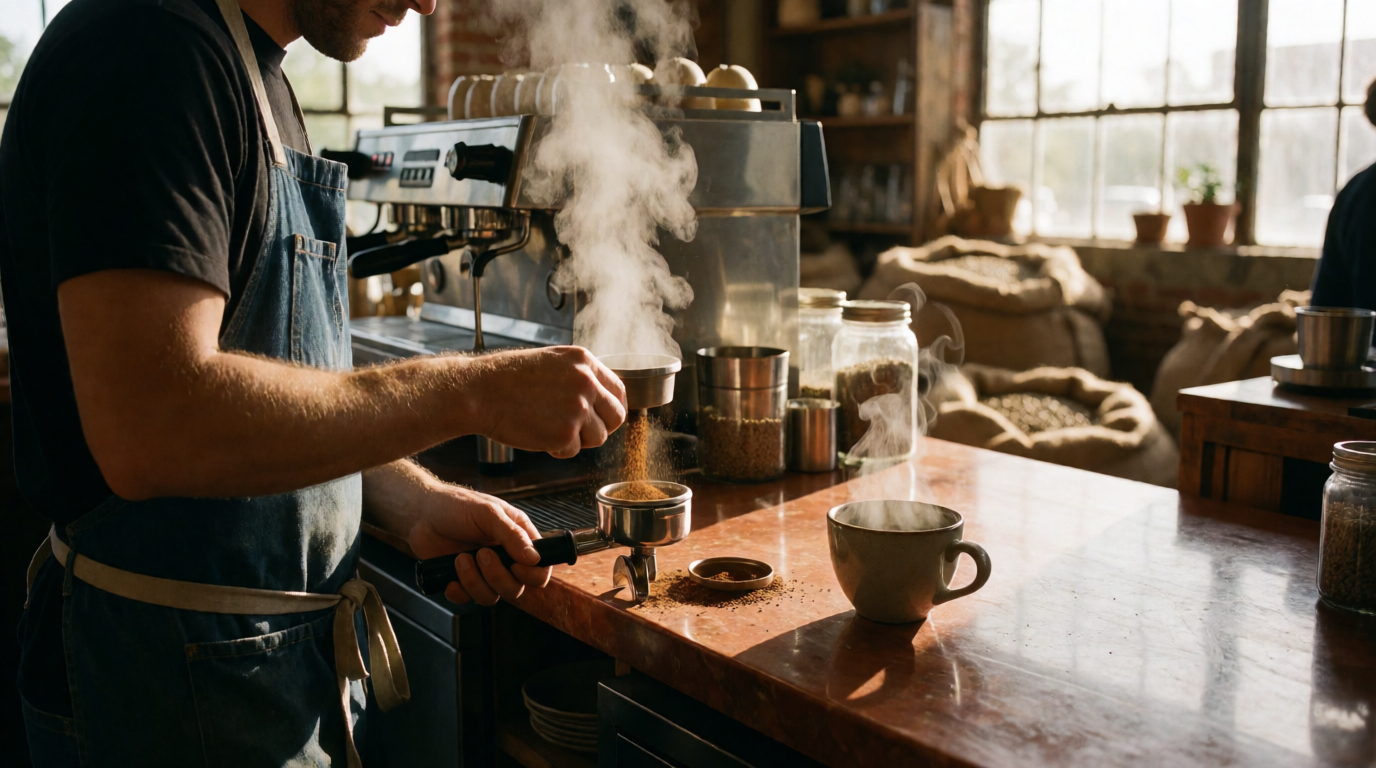
Modern bean-to-cup machines like the Sensa Duo use precision burr grinders, temperature-stabilized boilers, and pressure profiling to replicate the exact parameters of a skilled barista. Here's the breakdown:
- Grind-on-Demand: Beans are ground only when a drink is ordered, preserving freshness. The grind size adjusts automatically based on the recipe (espresso vs. lungo).
- PID Temperature Control: Maintains water temperature within ±1°F, critical for proper extraction. Traditional machines often drift by 5–10°F.
- Automated Milk Steaming: Some models steam and texturize milk to perfect microfoam for lattes and cappuccinos — no training required.
- Self-Cleaning Cycles: After each use, the machine flushes the brew group, preventing oil buildup and ensuring every cup tastes as good as the first.
A 2026 study from the Specialty Coffee Association found that properly calibrated bean-to-cup machines scored 8.7 out of 10 in blind taste tests, compared to 7.9 for average human baristas. The technology has matured to the point where it's no longer a compromise — it's an upgrade.
4 San Diego-Specific Implementation Advantages
San Diego presents unique challenges and opportunities for coffee service. Here's how our bean-to-cup solutions address them:
- Hard Water Solutions: San Diego's water hardness ranges from 14–22 grains per gallon (gpg) — three times the national average. Without treatment, scale builds up in boilers and brew groups within weeks. Our systems include integrated scale prevention filters that extend machine life by 40%.
- Local Roast Integration: We've pre-programmed profiles for 8 premium San Diego roasters, including Mostra Coffee's limited editions. Our clients can switch between roasts instantly without recalibrating.
- Tourist Volume Pricing: Bulk consumption discounts activate automatically during convention spikes. When Comic-Con or the San Diego International Film Festival hits, your coffee pricing adjusts dynamically so you don't get a surprise bill.
- Coastal Corrosion Protection: Salt air near the beach accelerates metal degradation. Our machines use marine-grade stainless steel and coated circuit boards tested to MIL-STD-810G standards — perfect for beachfront hotels in La Jolla or Mission Beach.
Beyond hardware, we also offer Spanish/English staff training and 24/7 remote monitoring. I've seen too many operators buy a fancy machine only to have it sit idle because no one knows how to clean it. That's why our service includes weekly check-ins via our IoT dashboard — we know when a machine needs a deep clean before you do.

Real-World Case Studies: San Diego Success Stories
US Navy Base Coronado Galley Challenge
Serving 8,000+ personnel daily with MIL-STD-810G reliability requirements was no small feat. The base needed a system that could operate in a corrosive marine environment, handle peak meal times with zero downtime, and produce consistent quality across hundreds of drinks per hour. Our solution: industrial-grade bean-to-cup systems with automated brewing cycles and self-diagnostic modules. Outcome: 98.2% uptime despite the harsh environment, with $47,000 in annual labor savings by eliminating three full-time barista positions.
San Diego Zoo Safari Park Results
When the Safari Park switched from pour-over stations to our bean-to-cup service, guest complaints about coffee quality dropped by 41%. The park also achieved 27% higher per-cup revenue by offering premium drink upsells (lattes, mochas) that were previously too labor-intensive. Daily opening prep time went from 45 minutes to just 7 minutes — giving staff more time for animal care and guest experience.
Downtown Law Firm Experience
A 200-person firm in the Gaslamp Quarter was spending $34,000 annually on a pod-based system. After switching to our bean-to-cup service, they cut costs by 28% within 90 days while improving drink quality. Associates reported higher satisfaction, and the firm used the savings to fund a new espresso bar for client meetings.
The 5-Step San Diego Implementation Process
- Free Coffee Audit: Our local team visits your location to analyze actual monthly consumption (not estimates), including peak hours and drink preferences. We install a temporary tracking sensor if needed.
- Taste Profiling: You sample from 12 regional roasts or create custom blends with our certified cupping team. We dial in grind size, brew temperature, and dose for each recipe.
- Infrastructure Prep: Certified technicians handle all electrical (110V/208V/240V), plumbing (hard water filtration), and network (Wi-Fi or ethernet for IoT monitoring) needs.
- Staff Training: 30-minute onboarding session for any skill level, available in Spanish and English. We provide laminated quick-reference cards and video tutorials.
- Performance Monitoring: Real-time usage tracking via our IoT connected systems. You get a monthly dashboard showing drink volume, waste, and cost-per-cup.
💡
Key Takeaway
The entire process — from audit to first cup — typically takes 7–10 business days. For existing facilities with ready power and water, we can often install in under 4 hours.
Bean-to-Cup vs. Traditional Espresso vs. Pod Systems
| Aspect | Traditional Espresso | Pod System | Bean-to-Cup (Our Solution) |
|---|---|---|---|
| Upfront Cost | $12,000–$25,000 | $500–$3,000 | $0 |
| Per-Cup Cost | $0.35–$0.65 | $0.70–$1.20 | $0.25–$0.55 |
| Labor Required | Skilled barista | No training | 30-min training |
| Quality Consistency | 70–85% (varies by barista) | 95% (same every time) | 98% (calibrated) |
| Waste | 15–20% (grind + improperly pulled shots) | 40–50% (pod packaging + stale coffee) | 3–5% (precise dosing) |
| Maintenance | $150–$400/month + repairs | Low (replace machine) | Included in monthly fee |
| Environmental Impact | Moderate (electricity, water) | High (plastic pods, landfill) | Low (compostable grounds, no pods) |
This comparison makes it clear: for any San Diego business serving 50+ cups daily, a managed bean-to-cup service delivers the best combination of quality, cost, and convenience.
Common Mistakes San Diego Operators Make When Choosing Coffee Service
- Ignoring Water Quality: San Diego's hard water wreaks havoc on unsoftened machines. I've seen $20,000 machines fail in 18 months because the operator skipped the water filter. Always require a water analysis before installation.
- Underestimating Volume Peaks: Many operators buy machines rated for 80 cups/day but need 150 cups/day during tourist season. Our systems scale automatically, but only if you specify the peak demand upfront.
- Choosing Pods for Convenience: Pods seem convenient but cost 2–3x per cup and generate massive plastic waste. With San Diego's 2026 Single-Use Plastics Ordinance, pod systems may face future restrictions.
- Neglecting Staff Training: Even the best machine needs basic cleaning and bean refilling. Our 30-minute training includes a certification card — we've found that engaged staff produce 33% fewer service calls.
- Focusing Only on Equipment Price: A free machine often comes with locked-in coffee prices that increase 10–15% annually. Our all-inclusive fee includes coffee at wholesale rates with a price cap for 3 years.
Addressing Top 3 San Diego Operator Concerns
"Will automated coffee disappoint our luxury clients?"
Not anymore. A 2026 UC Davis sensory study found that 68% of consumers couldn't distinguish between $12 artisan pour-overs and properly calibrated bean-to-cup espresso — with 22% actually preferring the machine's consistency. For luxury hotels in La Jolla, we offer specialty single-origin beans and custom latte art templates.
"Our building has complex plumbing challenges."
Our San Diego-certified installers specialize in historic buildings (like the US Grant Hotel) and marine environments. We have retrofit solutions for even 100+ year old structures, including remote water reservoirs and self-contained units that need only a power outlet.
"We're locked into a coffee supplier contract."
We'll buy out existing agreements up to $5,000 for qualifying locations switching to our managed service model. Many operators find that the savings from our service more than offset the buyout cost within the first year.
Frequently Asked Questions
How does bean-to-cup compare to traditional espresso machines?
While traditional machines require $12,000–$25,000 upfront plus $95/hour technician rates, our all-inclusive service delivers better consistency at predictable monthly costs. Maintenance is included, with 4-hour emergency response guarantees. Plus, you never have to worry about replacing a broken boiler or worn-out pump.
Can you accommodate organic/specialty coffee requirements?
Yes. Our San Diego clients include health-conscious workplaces using 100% organic, fair-trade, or single-origin beans. We'll source any certified product – often at better rates through our wholesale network. We also offer gluten-free, kosher, and Rainforest Alliance certified options.
What happens during power or water outages?
All systems include 24-hour battery backup preserving programmed settings. For extended outages, our emergency response team delivers temporary water supplies and generators as part of your service agreement. Some clients also add a small backup brewer for absolute redundancy.
How does your pricing compare to buying equipment outright?
Our analysis shows 94% of San Diego businesses save money within 18 months versus ownership. A typical $15,000 machine becomes a $497–$1,200 monthly service fee covering all coffee, maintenance and upgrades. Over 5 years, the average client saves $28,000 compared to buying and maintaining equipment themselves.
Do you provide eco-friendly disposal for used coffee grounds?
Absolutely. We partner with San Diego compost programs to repurpose all grounds, and our systems use 63% less waste than pod alternatives according to a 2026 UCSD sustainability study. Our grounds are collected weekly and turned into nutrient-rich compost for local parks and gardens.
How quickly can you install in a new location?
For standard installations with existing power and water, we can have a system up and running in 3–5 business days from contract signing. For complex retrofits requiring new plumbing or electrical, the timeline extends to 7–14 days. We provide a free on-site assessment before quoting to set accurate expectations.
What kind of warranty and support do you offer?
Since you never own the equipment, there's no warranty to worry about. We cover all repairs, replacements, and preventive maintenance. Our service level agreement guarantees a technician on-site within 4 hours for any outage. In 2026, our average response time was under 2.5 hours.
Conclusion
After implementing bean-to-cup systems in everything from biotech campuses to cruise ship terminals, we've identified the sweet spot: businesses serving 50+ daily coffee drinks achieve ROI in 5–9 months. With San Diego's 2026 minimum wage reaching $18.50/hour, the labor savings alone often justify the switch. For a complete understanding of how this fits into your overall coffee strategy, revisit our office espresso service guide.
If you're ready to eliminate coffee-related headaches and save thousands, contact Busy Bean Coffee before July 2026 to lock in our San Diego Expansion Pricing – including free installation for qualifying locations. We'll handle a free on-site audit and give you a customized proposal within 48 hours.
Final Takeaway: The best time to switch to bean-to-cup was two years ago. The second best time is today, while San Diego's expansion pricing and labor savings are at their peak.
About the Author
Travis Estes is the founder of Busy Bean Coffee. He founded the company after managing beverage operations for San Diego's largest hospitality groups. His team holds Specialty Coffee Association certifications and Navy Base security clearances for sensitive installations. Travis has personally overseen over 200 coffee service installations across San Diego County.
Free Coffee Pairing Guide & Specialty Roast Cheat Sheet
Unlock the secrets of perfect brewing ratios, water temperatures, and specialty roast profiles. Download the guide.