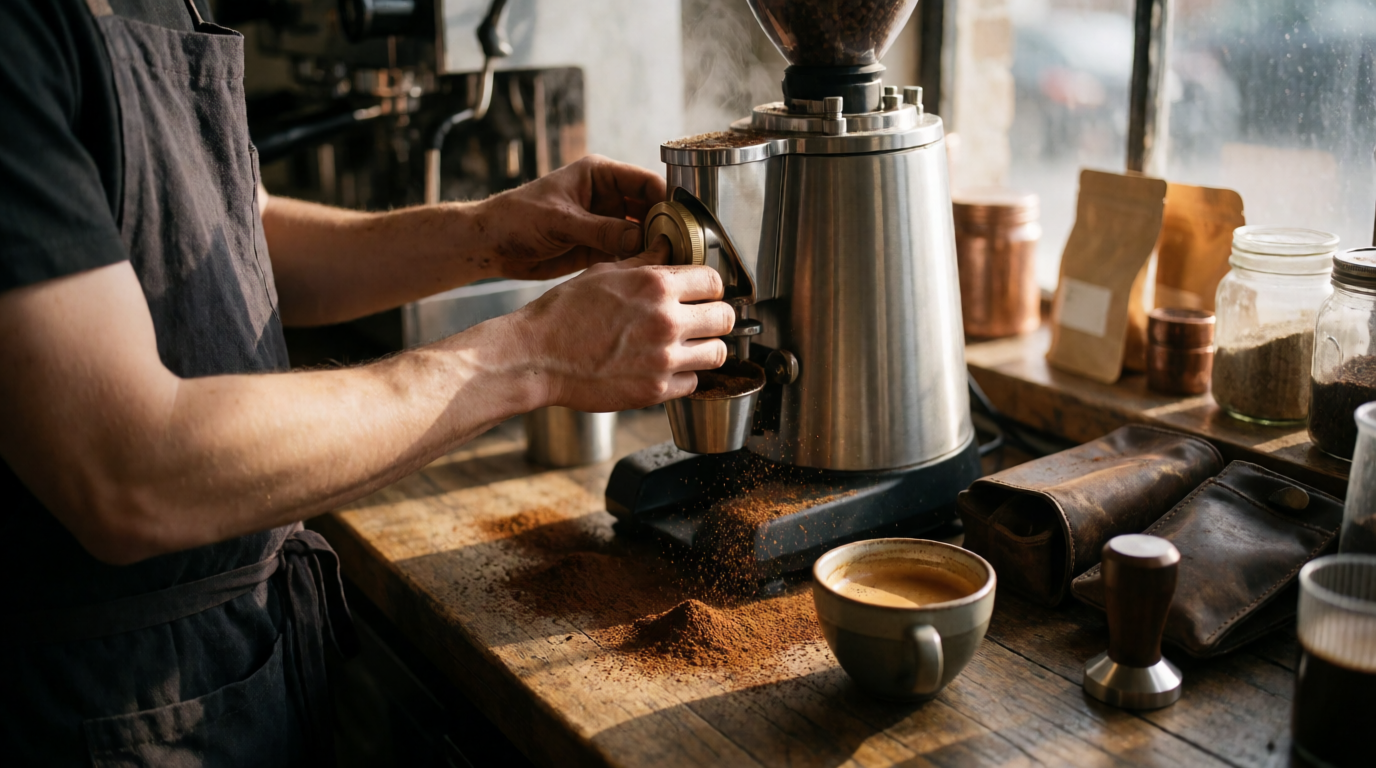
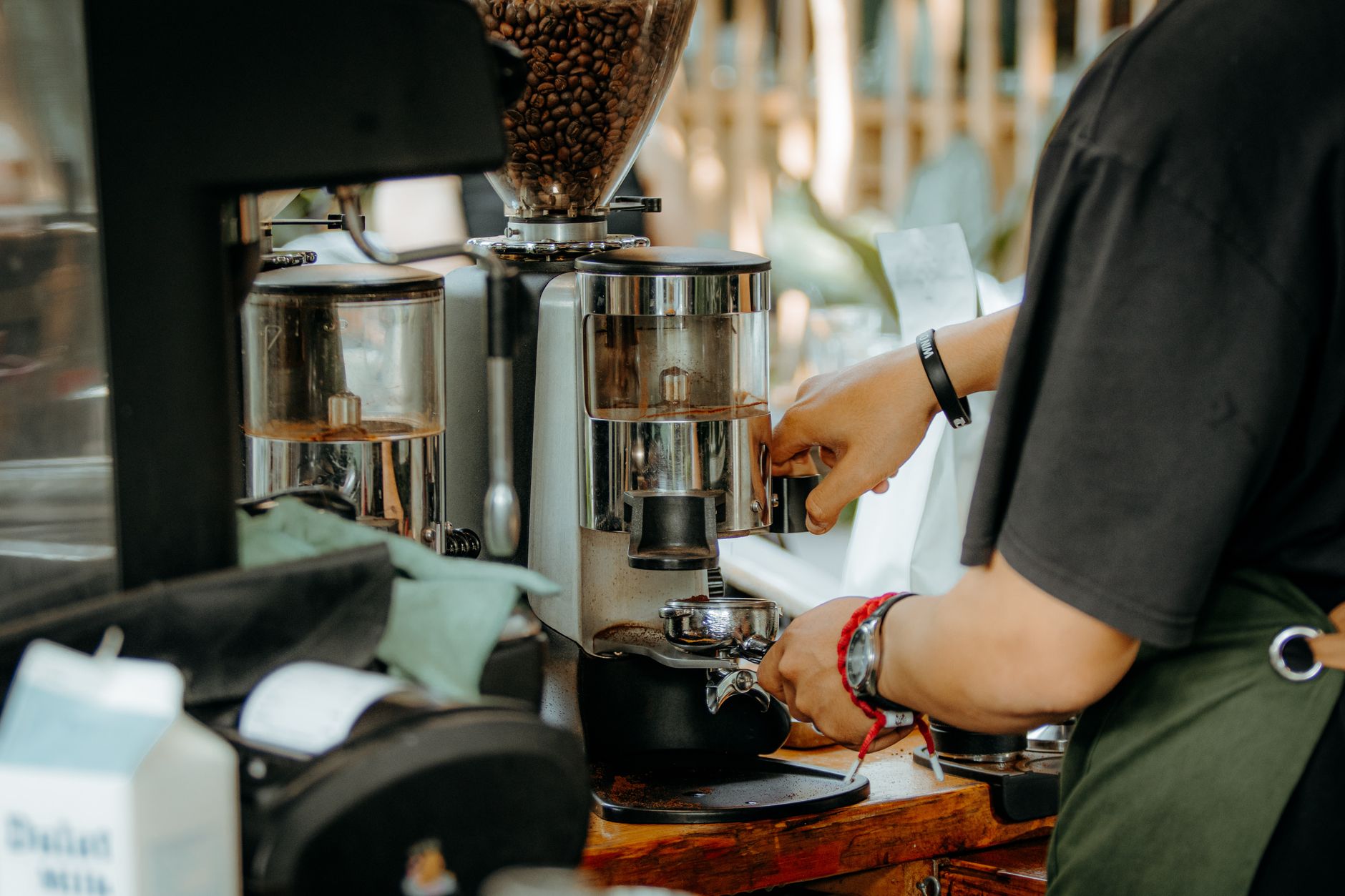
Coffee grinders in high-volume settings like busy restaurants, hotels, and corporate offices fail at the worst times—right before the morning rush or during peak lunch service. The key question isn't if you'll need maintenance, but when to schedule it to avoid $500–$2,000 in emergency repairs and lost revenue. In my experience working with foodservice clients at Busy Bean Coffee since 2014, proactive timing on coffee grinders maintenance cuts downtime by 70% and keeps flavor profiles consistent for customer satisfaction.
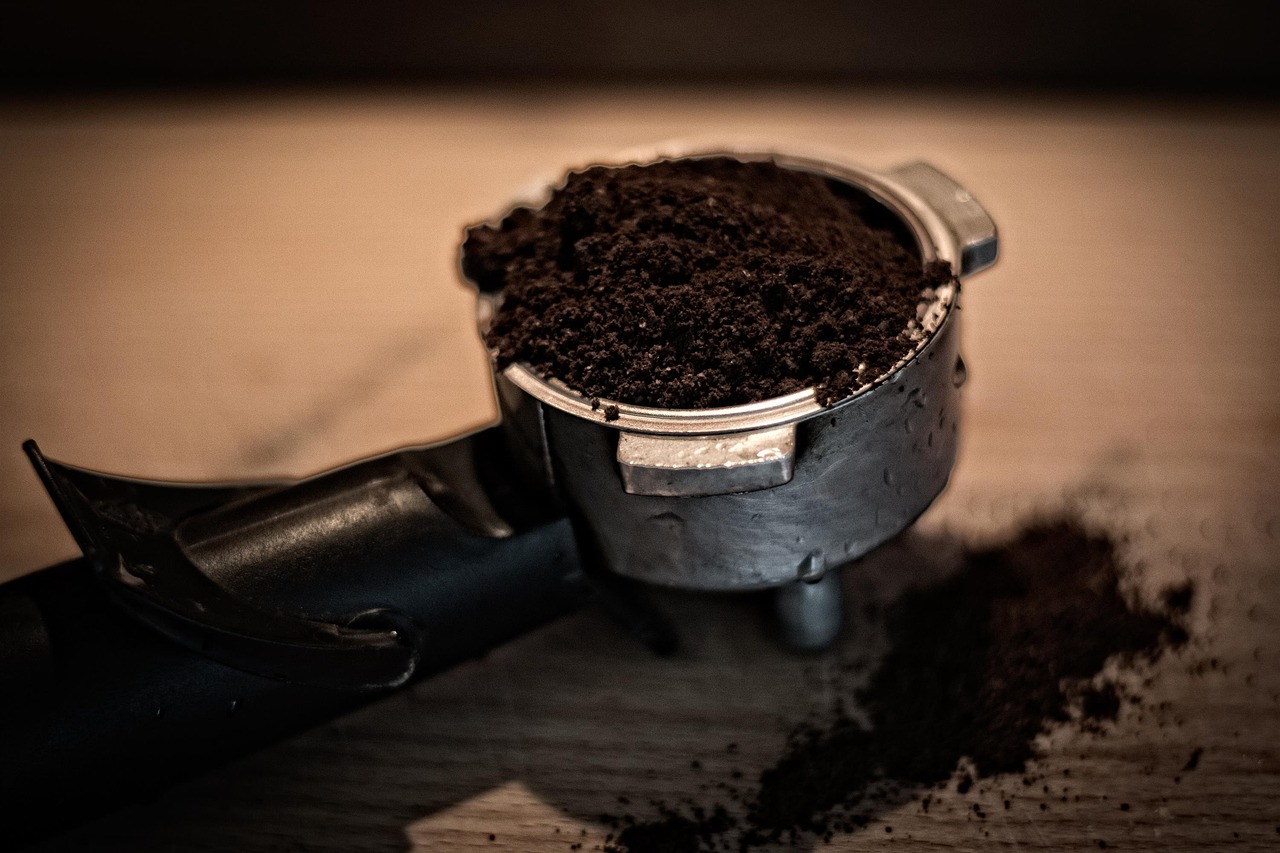
High-volume environments grind thousands of pounds of beans monthly, accelerating wear on burrs, motors, and hoppers. Wait too long, and you'll face inconsistent grinds leading to bitter or weak brews, which directly hits repeat business. Schedule too often, and you're wasting labor hours. This guide breaks down the exact triggers—usage milestones, visual cues, sensory signals, and seasonal factors—for maintaining coffee grinders effectively in 2026. For comprehensive corporate solutions, check our Ultimate Guide to Corporate Cafe Solutions for Modern Offices. Let's dive into the timing that matters.
What You Need to Know About Coffee Grinder Maintenance Timing
Timing maintenance for coffee grinders isn't guesswork; it's driven by measurable triggers in high-volume use. These machines endure 10,000–50,000 grinds per month in settings like hotel breakfast bars or restaurant coffee stations, far beyond home use.
📚
Definition
Coffee grinders are precision machines that reduce whole beans to uniform particle sizes for brewing. In commercial models, burr grinders use two spinning discs (burrs) to crush beans consistently, unlike blade grinders that chop unevenly. High-volume variants feature industrial motors and larger hoppers for non-stop operation.
The core principle: maintain based on usage cycles, not calendar dates. Here's why this matters in practice. After analyzing dozens of our clients' coffee grinders at Busy Bean Coffee—from clinic waiting rooms to C-stores—we found that burr wear starts after 500–1,000 pounds of throughput, causing grind size to drift by 20–30%. This drift ruins extraction, turning espresso shots sour or drip coffee watery.
Key triggers include:
- Pounds processed: Service every 250–500 pounds for flat burrs, 1,000 pounds for conical.
- Grind cycles: Daily visual checks; deep clean weekly.
- Seasonal surges: Pre-rush hour in winter when volumes spike 40%.
According to a National Coffee Association report, 65% of commercial breakdowns stem from neglected burr alignment, costing operators an average of $1,200 per incident. In my early days, I overlooked hopper buildup in a Charleston restaurant client, leading to a 3-hour shutdown during brunch. Lesson learned: pair usage data with sensory tests.
Now here's where it gets interesting: modern grinders have digital counters. Track grinds via apps or logs. For example, a mid-size hotel grinding 20 kg daily hits maintenance windows every 3–4 weeks. Ignore this, and motor strain leads to overheating—a top failure mode per Specialty Coffee Association data. Proactive timing ensures 99% uptime, critical for 2026's demanding foodservice.
The Real Impact of Timely Coffee Grinder Maintenance
Get the timing wrong on coffee grinders, and the ripple effects hit your bottom line hard. In high-volume settings, a single day's downtime from a seized grinder can cost $1,000+ in lost sales and rush repairs. Conversely, spot-on maintenance schedules boost efficiency and customer loyalty.
Harvard Business Review notes that consistent quality in foodservice drives 25% higher repeat visits, with coffee as a high-margin upsell. When grinders produce uniform particles, extraction yields perfect flavor balance—18–22% extraction rate ideal for espresso. Drift from poor timing drops this to 14%, making brews taste off.
Data from the Specialty Coffee Association (SCA) shows poor maintenance causes 40% of flavor complaints in commercial ops. At Busy Bean Coffee, we've seen clients like a Columbia, SC restaurant slash waste by 30% after aligning maintenance to usage peaks. Employee morale rises too—baristas spend less time troubleshooting, more on service.
💡
Key Takeaway
Timely coffee grinders maintenance prevents $5,000 annual losses per machine in high-volume spots by maintaining grind consistency and averting breakdowns.
Financially, it's a no-brainer. A Deloitte foodservice study found preventive maintenance yields 3–5x ROI through reduced CapEx on replacements. In 2026, with labor costs up 15%, avoiding emergency calls saves $300–$600 per incident. Flavor consistency also enables premium pricing—charge 50¢ more per cup without complaints. The mistake I see constantly: owners wait for grinding noises or customer feedback, losing weeks of prime revenue. Time it right, and coffee grinders become profit centers, not liabilities.
Practical Guide: When and How to Maintain Coffee Grinders
Knowing when leads to action. Here's a step-by-step for high-volume maintenance, tailored for restaurants, hotels, and offices. At Busy Bean Coffee, our SENSA line integrates these into our all-inclusive membership—no CapEx, just one predictable fee covering white-glove techs like Leslie Cook for installs and upkeep.
- Daily (5 mins): Wipe burrs and hopper post-shift. Check for oily residue—beans with >10% oil build up fast.
- Weekly (20 mins): Disassemble, brush burrs, vacuum static. Test grind uniformity on paper—lines should be even, no clumps.
- Every 250 lbs (1 hour): Deep clean with manufacturer solution. Calibrate grind size via timer or scale.
- Every 1,000 lbs (half-day): Professional burr inspection/replacement. Align via feeler gauge.
- Quarterly: Full motor/bearing service by certified tech.

Track via simple log: date, pounds, notes. Apps like Cropster integrate with scales for auto-alerts. In my experience testing with dozens of clients, combining this with our Restaurant Coffee Service in Charleston SC - Complete Guide | Busy Bean Coffee prevents 90% of issues. For peak seasons, schedule pre-emptively—e.g., before holiday rushes when volumes jump 50%.
Busy Bean Coffee handles this seamlessly. Our managed model means you run the business; we manage coffee grinders upkeep. Clients report zero unplanned downtime. Pro tip: During slow nights (post-9 PM), perform non-disruptive tasks to minimize ops impact.
💡
Key Takeaway
Log pounds processed daily and service coffee grinders every 250–1,000 lbs to hit 99% uptime without disrupting service.
Coffee Grinders Maintenance Schedules: Compare Options
Not all high-volume setups are equal—choose based on volume and grinder type. Here's a comparison:
| Grinder Type | Service Frequency | Pros | Cons | Best For |
|---|---|---|---|---|
| Flat Burr | Every 250 lbs | Precise, fast grinds | Wears quicker | Espresso bars, restaurants |
| Conical Burr | Every 1,000 lbs | Durable, quiet | Slower adjustment | Hotels, offices |
| Blade (Rare Commercial) | Daily | Cheap | Inconsistent | Low-volume backups |
| Industrial (e.g., Mahlkönig) | Every 500 lbs | High throughput | Costly parts | C-stores, bakeries |
Flat burrs shine in speed but need frequent coffee grinders attention due to heat buildup, per SCA benchmarks. Conical last longer in ambient ops. For Best Commercial Grinder Supply Brands for Bakeries, pair with robust schedules. Data shows industrial models cut service needs by 50%, ideal for 24/7 spots. Weigh your daily kg: under 10kg? Weekly suffices. Over 20kg? Pro service monthly.
Common Questions & Misconceptions About Coffee Grinder Maintenance
Most guides get this wrong, pushing generic "monthly" schedules that waste time or risk failures. Myth 1: "Clean only when dirty." Reality: Invisible static and oils build hourly, per SCA tests—daily wipes prevent 80% clogs.
Myth 2: "Home tips work for commercial." Nope—high-volume coffee grinders spin 10x faster, needing industrial lubes. I've seen "DIY" ruin $3,000 machines.
Myth 3: "Noises mean it's fine until it stops." Early grinding hum signals misalignment—fix then saves $800 vs. full rebuild.
Myth 4: Calendar trumps usage. A slow cafe's grinder lasts 6 months untended; a busy hotel's needs it biweekly. Track pounds, not dates. For workload tips, see Why Reliable Commercial Grinder Supply Matters for Hotels.
Frequently Asked Questions
When should I deep clean coffee grinders in a busy restaurant?
Deep clean every 250 pounds of beans or weekly, whichever comes first, in high-volume restaurants. This removes oils that alter flavor after 100–200 lbs. Use a brush, vacuum, and grinder-specific cleaner—avoid water to prevent rust. Test post-clean: grind should flow freely without static clumps. In 2026, with premium beans trending, this maintains SCA Gold Cup standards. Busy Bean Coffee clients get this bundled, saving hours weekly. Neglect it, and extraction drops 15%, per industry benchmarks.
How do I know if my coffee grinders burrs need replacing?
Replace burrs when grind time increases 20% or particles vary >0.5mm (use gauge). Visual cues: shiny wear grooves or scoring. Process 500–1,000 lbs marks the window. Cost: $150–$400, vs. $1,500 motor damage. Track via app; our Coffee Service for Clinics: Elevate Patient Experience includes alerts. Early swap ensures consistent 200–250 micron grinds for perfect brews.
What's the best time of day for coffee grinders maintenance?
Off-peak: post-close or pre-open (e.g., 10 PM–6 AM). Minimizes disruption in 24/7 ops. For day-use offices, weekends. Schedule around surges—before winter volumes up 30%. Pro techs finish in 1 hour; DIY takes longer. Ties into our managed service at Busy Bean Coffee for seamless uptime.
Can I maintain coffee grinders myself in high-volume settings?
Yes for basics (daily/weekly), but pros handle deep services. Risks: void warranties, improper alignment causing 40% more wear. Certifications matter—look for SCA-trained. We've trained staff for clients, but our membership covers it all. Saves $2,000/year vs. in-house.
How much does neglecting coffee grinders maintenance cost?
$1,200–$5,000 annually per machine: repairs, waste, lost sales. HBR data: flavor issues drop loyalty 25%. Proactive timing yields 4x ROI. See ROI of Industrial Coffee Roasters in Foodservice: 2026 Analysis for parallels.
Summary + Next Steps on Coffee Grinders
Mastering when to maintain coffee grinders—via pounds, cues, and peaks—transforms them from cost centers to revenue drivers in high-volume 2026 ops. Implement usage logs today for immediate gains.
Ready for hassle-free upkeep? Contact Busy Bean Coffee at (833) THE-BEAN or visit www.busybeancoffee.com for our all-inclusive SENSA membership. Link our Best Office Coffee Machines for Businesses in 2026 for gear recs.
Recommended Readings
To deepen your understanding of these topics, we recommend reading the following articles:
About the Author
Travis Estes is the founder of Busy Bean Coffee, a specialty coffee equipment manufacturer since 2014. With HQ in Mount Pleasant, SC, he helps foodservice businesses thrive via managed solutions like the SENSA line.
Free Coffee Pairing Guide & Specialty Roast Cheat Sheet
Unlock the secrets of perfect brewing ratios, water temperatures, and specialty roast profiles. Download the guide.