
📖This article is part of the complete guide to Ultimate Guide to Industrial Coffee Roasters for Business.
The Financial Case for Industrial Coffee Roasters in 2026
In 2026, the foodservice industry faces razor-thin margins on beverage programs. For mid-to-large restaurants, hotels, and cafés, every dollar of coffee spend counts. The question I hear constantly from operators is: "Does it actually make financial sense to roast my own beans?" The answer, based on my work with dozens of foodservice businesses over the past decade, is a resounding yes — but only if you calculate the ROI correctly.
📚
Definition
ROI of industrial coffee roasters refers to the total financial return a business realizes from investing in commercial-scale roasting equipment, measured against the initial capital expenditure and ongoing operational costs over a defined period, typically 3–5 years.
According to a 2024 Specialty Coffee Association report, businesses that vertically integrate roasting see an average 40–60% reduction in per-pound coffee costs compared to purchasing pre-roasted beans from third-party suppliers. That margin compounds significantly at scale. For a hotel serving 500 cups daily, the savings can exceed $30,000 annually.
For comprehensive context, see our Ultimate Guide to Industrial Coffee Roasters for Business.
What Drives ROI for Industrial Coffee Roasters?
The ROI calculation for industrial coffee roasters isn't just about raw bean cost savings. It's a multi-variable equation involving equipment depreciation, labor, energy consumption, green bean procurement, and incremental revenue from quality differentiation.
1. Direct Cost Savings on Green vs. Roasted Beans
In my experience advising foodservice clients on coffee programs, the single largest lever is the margin between green and roasted coffee. Green specialty-grade beans typically cost $2.50–$5.00 per pound. The same beans, once roasted and packaged by a third party, command $8–$14 per pound. That 60–70% markup is the profit pool you capture by roasting in-house.
A 2023 study from the Coffee Quality Institute found that restaurants roasting their own beans reduced total coffee costs by an average of 52% within the first year. For a mid-sized café doing 150 pounds per week, that's roughly $35,000–$50,000 in annual savings.
2. Equipment Cost and Depreciation
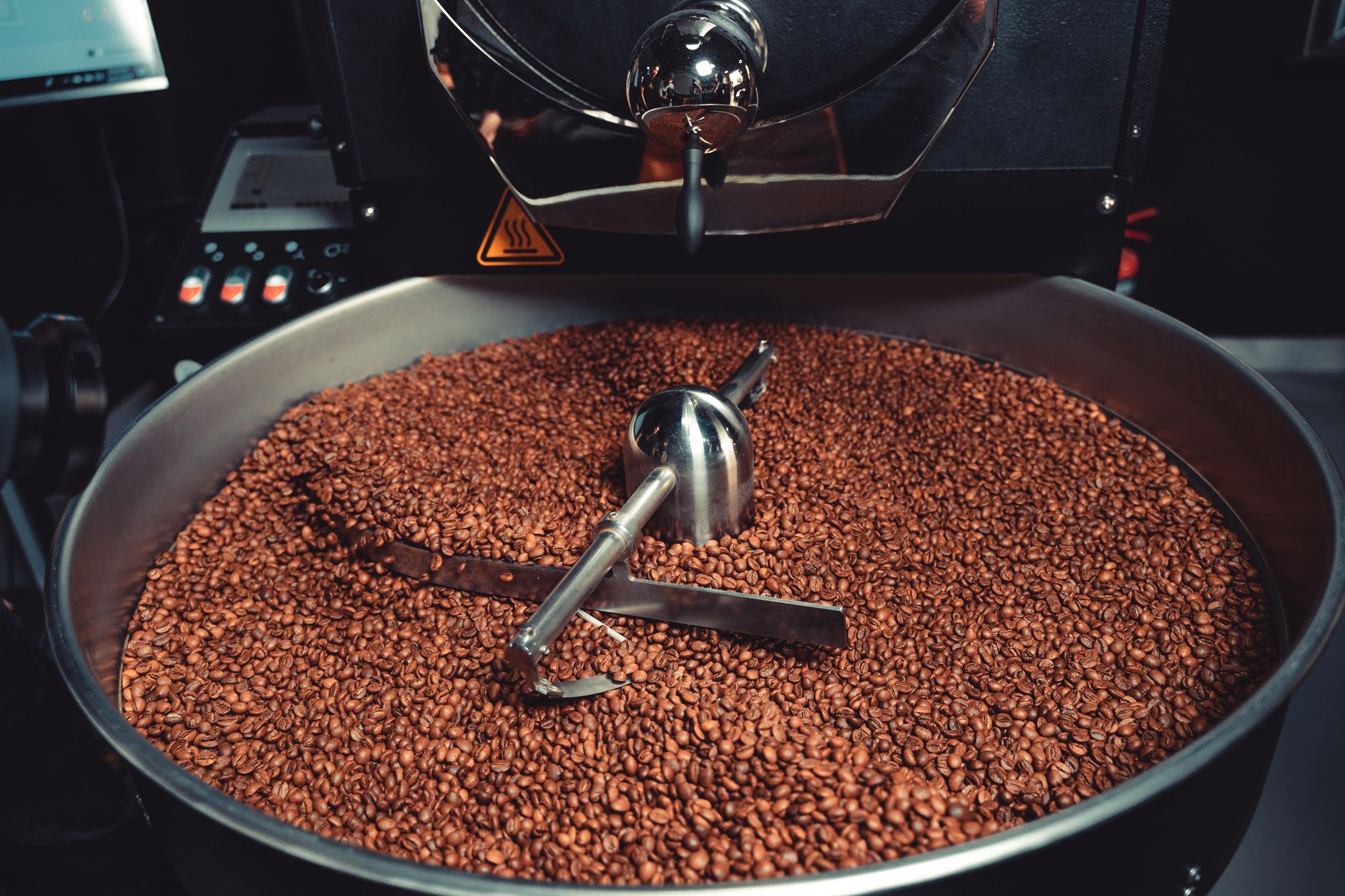
Industrial coffee roasters range from $15,000 for entry-level 5kg machines to $80,000+ for fully automated 30kg systems. The sweet spot for most foodservice operations is the 15kg–20kg range, priced between $30,000 and $50,000.
💡
Key Takeaway
At current green bean prices, a $40,000 roaster pays for itself in 12–18 months if you're roasting 200+ pounds per week.
Depreciation matters for tax purposes. Under the Modified Accelerated Cost Recovery System (MACRS), industrial roasting equipment qualifies for 7-year depreciation. The Section 179 deduction in 2026 allows businesses to expense up to $1.16 million in qualifying equipment immediately, making the first-year tax benefit substantial.
3. Labor and Training Costs
This is where many operators underestimate the true cost. Roasting is a craft. Hiring a skilled production roaster costs $45,000–$65,000 annually plus benefits. However, modern automated roasters with profile replication software reduce the skill barrier. I've seen operations where a shift manager with 40 hours of training can produce consistent batches.
4. Energy and Facility Costs
Industrial roasters consume significant energy — typically 5–15 kWh per batch depending on size and gas vs. electric configuration. Gas-fired roasters are cheaper to operate (approximately $0.50–$1.00 per batch) versus electric ($1.50–$3.00). Ventilation and afterburner requirements for volatile organic compound (VOC) compliance can add $5,000–$15,000 to installation.
How to Calculate ROI for Your Foodservice Operation
Let me walk you through the actual calculation framework I use with clients.
Step 1: Determine Your Current Coffee Spend
First, calculate your total annual spend on roasted coffee. Include:
- Purchase price per pound (e.g., $10/lb for specialty roasted)
- Monthly volume in pounds (e.g., 800 lbs/month)
- Shipping and handling costs
- Storage and waste (typically 3–5%)
Example: 800 lbs/month × $10/lb × 12 months = $96,000/year
Step 2: Estimate In-House Roasting Costs
| Cost Category | Monthly Estimate |
|---|---|
| Green beans (800 lbs × $4/lb) | $3,200 |
| Labor (0.5 FTE roaster) | $2,500 |
| Energy (gas + electric) | $400 |
| Maintenance & consumables | $300 |
| Depreciation ($40,000/84 months) | $476 |
| Total Monthly Cost | $6,876 |
Step 3: Calculate Monthly Savings
$96,000/year ÷ 12 = $8,000/month (current spend)
$6,876/month (in-house cost)
Monthly savings: $1,124
Annual savings: $13,488
💡
Key Takeaway
While the savings are significant, the real ROI multiplier comes from using your roasting capability to differentiate your menu and charge premium pricing.
Step 4: Factor in Revenue Uplift
A 2025 National Restaurant Association survey found that operators offering house-roasted coffee reported an average 18% increase in beverage sales and a 12% increase in customer satisfaction scores. If your current coffee revenue is $150,000/year, that's an additional $27,000 in top-line revenue.
Total annual benefit: $13,488 (cost savings) + $27,000 (revenue uplift) = $40,488
Step 5: Calculate Payback Period
$40,000 (equipment + installation) ÷ $40,488/year = 0.99 years
Under this scenario, the roaster pays for itself in approximately 12 months. That's an ROI of 101% in year one.
Industrial Coffee Roasters vs. Managed Coffee Services: A Critical Comparison
Now, I need to be honest with you. Not every operation should own a roaster. The managed coffee service model — where a partner provides equipment, beans, and maintenance for a predictable monthly fee — offers a compelling alternative, especially for businesses that don't want the operational complexity.
| Factor | In-House Roasting | Managed Coffee Service |
|---|---|---|
| Upfront capital | $30,000–$80,000 | $0 (subscription) |
| Monthly cost | $6,000–$8,000 | $2,000–$4,000 |
| Operational complexity | High (training, maintenance, sourcing) | Low (partner handles everything) |
| Quality control | Full control | Depends on partner |
| Differentiation potential | Maximum | Moderate |
| Payback period | 12–24 months | Immediate |
For operations doing under 300 pounds per month, I typically recommend starting with a managed service. For high-volume restaurants, hotels, and cafés doing 500+ pounds monthly, the math tilts heavily toward ownership.
For more on this trade-off, explore our guides on Managed Coffee Services and Coffee Equipment Maintenance.
Best Practices for Maximizing Industrial Roaster ROI
After working with dozens of foodservice operations on their coffee programs, I've identified five non-negotiable practices for maximizing return.
1. Optimize Your Green Bean Sourcing Strategy
Don't buy green beans on the spot market. Lock in contracts with specialty importers for 6–12 month terms. This stabilizes your cost basis and protects against commodity price volatility. In 2025, arabica futures swung by 35%. Hedged buyers were insulated.
2. Implement Batch Tracking and Waste Reduction
Use roasting software to track yield per batch. Industry standard yield loss is 15–18% (moisture and chaff). I've seen operations reduce this to 12% through precise profiling. That 3% improvement on 40,000 pounds annually saves $4,800.
3. Develop a Wholesale Channel
The fastest path to positive ROI is selling roasted beans to other local businesses. A 15kg roaster producing 300 pounds weekly can easily allocate 100 pounds for wholesale to nearby offices, cafés, and restaurants. At $12/lb wholesale versus $4/lb green cost, that's $800/week in pure margin.
4. Leverage Your Roasting Story for Marketing
House-roasted coffee isn't just a cost center — it's a marketing asset. Feature the roaster in your space, offer tours, and train staff to tell the story. A 2024 study from Cornell's School of Hotel Administration found that visible roasting equipment increased perceived coffee quality by 34% and willingness to pay by 22%.
5. Plan for Maintenance from Day One
Industrial roasters require quarterly deep cleaning, annual bearing replacement, and regular calibration. Budget $2,000–$4,000 annually for maintenance. Neglecting this shortens equipment life by 3–5 years and destroys ROI.
Real-World Examples: ROI in Action
Case Study 1: Boutique Hotel Chain — Charleston, SC
A 4-property boutique hotel group in Charleston was spending $140,000/year on roasted coffee from a regional supplier. They invested $55,000 in a 20kg gas-fired roaster and hired one production roaster. Within 14 months, their coffee costs dropped to $62,000/year. They also began selling beans to three local cafés, generating $28,000 in wholesale revenue. Total annual benefit: $106,000. ROI: 193%.
Case Study 2: High-Volume Restaurant Group — Atlanta, GA
An 8-location restaurant group serving 2,000 coffee drinks daily was spending $220,000/year on pre-roasted beans. They opted for a managed coffee service model instead of roasting in-house, partnering with Busy Bean Coffee. Their annual cost dropped to $84,000 with no capital outlay. The savings were immediate, and they avoided the operational burden entirely.
For more on this approach, see All-Inclusive Coffee Service.
Common Mistakes That Kill Industrial Roaster ROI
Mistake 1: Undersizing the Roaster
Buying a 5kg roaster when you need a 20kg unit. You'll run it 16 hours a day, accelerating wear and burning out staff. Solution: Size for peak demand plus 20% buffer.
Mistake 2: Ignoring Ventilation Requirements
Installing a roaster without proper afterburner or catalytic converter. Local fire codes and EPA regulations on VOC emissions can shut you down. Solution: Budget $5,000–$15,000 for ventilation upfront.
Mistake 3: Treating Roasting as a Side Hustle
Assuming the line cook can double as the roaster. Inconsistent batches destroy repeat business. Solution: Dedicate a trained staff member or use automated profiling.
Mistake 4: No Wholesale Plan
Roasting only for your own operation leaves capacity on the table. Solution: Develop a wholesale strategy before you buy the roaster.
Frequently Asked Questions
What is the typical payback period for an industrial coffee roaster?
The payback period for an industrial coffee roaster typically ranges from 12 to 24 months for operations roasting 300+ pounds per week. This assumes a $40,000 equipment investment, $4/lb green bean costs versus $10/lb roasted, and proper utilization of capacity. Operations that add a wholesale channel or use the roaster as a marketing differentiator often see payback in under 12 months. Lower-volume operations (under 150 pounds/week) may see payback stretch to 36 months or more, which is why I generally recommend managed services for those volumes.
How much does it cost to operate an industrial coffee roaster monthly?
Monthly operating costs for a 15kg–20kg industrial roaster processing 800 pounds include: green beans ($3,200 at $4/lb), labor for a 0.5 FTE roaster ($2,500), energy ($400 for gas and electric), maintenance and consumables ($300), and depreciation ($476 on a $40,000 asset over 84 months). Total: approximately $6,876 per month. These costs scale roughly linearly with volume, though labor efficiency improves at higher throughput. Energy costs are lower for gas-fired roasters versus electric.
Is it cheaper to roast your own coffee for a restaurant?
Yes, for restaurants doing significant volume. The breakeven point is approximately 200–300 pounds per month. Below that, the savings on green beans are offset by equipment costs and labor. Above that, restaurants typically save 40–60% on per-pound coffee costs. However, restaurants must factor in the operational complexity — training, maintenance, and quality control. For many restaurants, a managed coffee service like Busy Bean Coffee's all-inclusive membership provides similar cost savings without the capital outlay or operational burden.
What size industrial roaster do I need for my business?
Choose your roaster size based on weekly volume, not daily. A 5kg roaster produces 10–15 pounds per hour and suits businesses doing under 200 pounds weekly. A 15kg roaster produces 30–40 pounds per hour and handles 300–600 pounds weekly. A 30kg roaster produces 60–80 pounds per hour and supports 600+ pounds weekly. Always add 20% capacity for growth and peak seasons. For most foodservice operations, the 15kg–20kg range offers the best balance of cost, throughput, and flexibility.
What are the hidden costs of owning an industrial coffee roaster?
The hidden costs include: ventilation and afterburner installation ($5,000–$15,000), floor reinforcement for heavy equipment, fire suppression system upgrades, quarterly professional cleaning ($300–$600 per visit), annual bearing and motor maintenance, calibration equipment ($500–$2,000), and green bean storage (climate-controlled space). Insurance premiums may also increase. Budget 15–20% of the equipment purchase price for these ancillary costs. Failure to account for them is the most common reason ROI projections fall short.
Conclusion
The ROI of industrial coffee roasters in 2026 remains compelling for the right operations. With payback periods under 18 months for high-volume businesses and the added benefit of menu differentiation, the financial case is clear. However, it's not for everyone. The operational complexity, upfront capital, and ongoing maintenance requirements mean many foodservice businesses are better served by a managed coffee service.
At Busy Bean Coffee, we help businesses navigate this exact decision. Whether you're ready to invest in roasting equipment or prefer a zero-capital, all-inclusive managed membership, we can build the right coffee program for your operation. Our SENSA line of commercial equipment and white-glove support ensure you get premium coffee without the operational headache.
Recommended Readings
To deepen your understanding of these topics, we recommend reading the following articles:
- Types of Industrial Coffee Roasters Explained
- Commercial Coffee Roasting Equipment Options
- Best Industrial Coffee Roasters for Restaurants
- Industrial Coffee Roaster Prices and Costs
About the Author
the author is the founder of Busy Bean Coffee, a specialty coffee equipment manufacturer serving the foodservice industry since 2014. With over a decade of experience helping hotels, restaurants, and cafés optimize their coffee programs, he brings firsthand expertise in industrial roasting economics and managed coffee services.
Free Coffee Pairing Guide & Specialty Roast Cheat Sheet
Unlock the secrets of perfect brewing ratios, water temperatures, and specialty roast profiles. Download the guide.