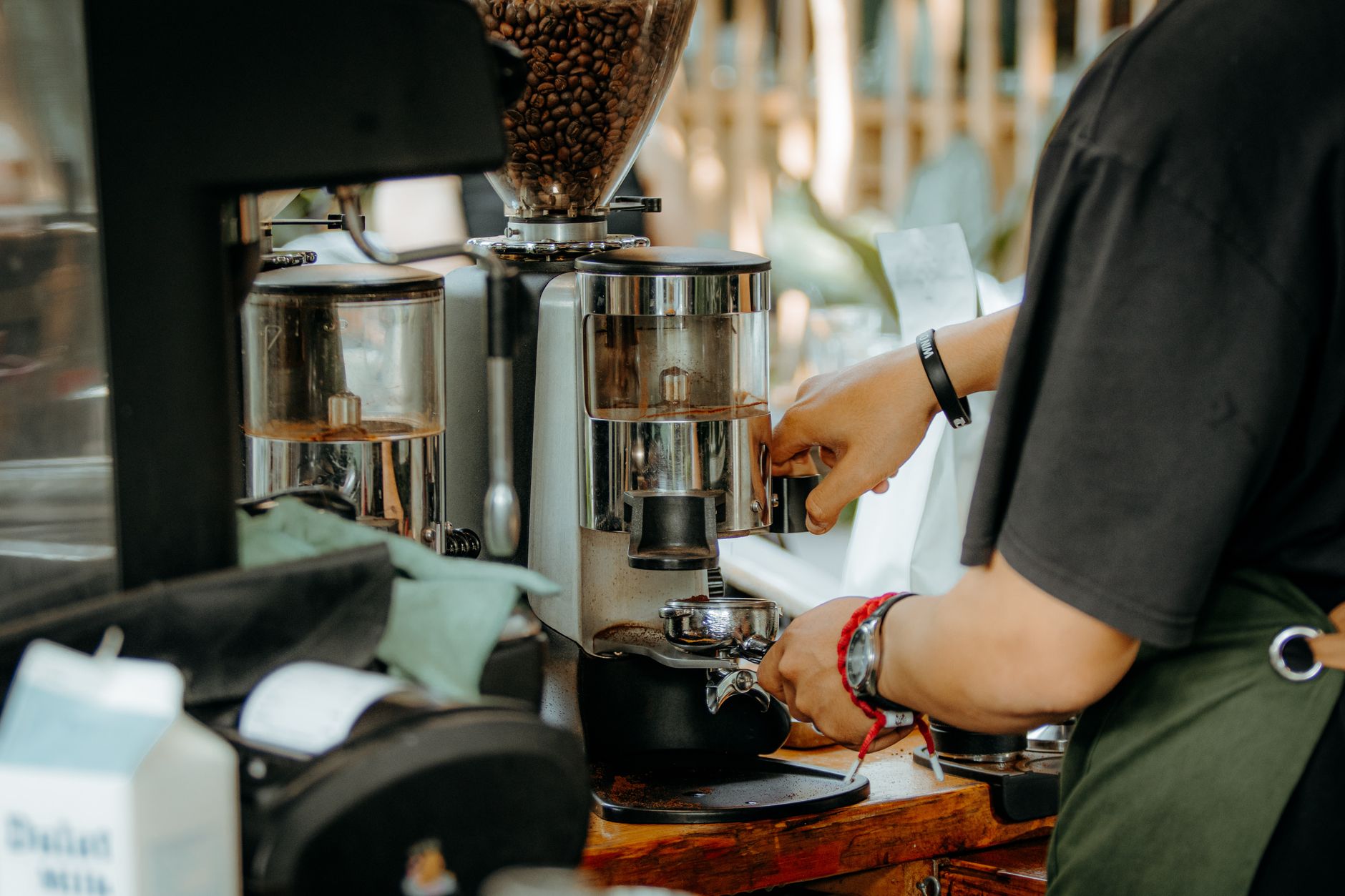
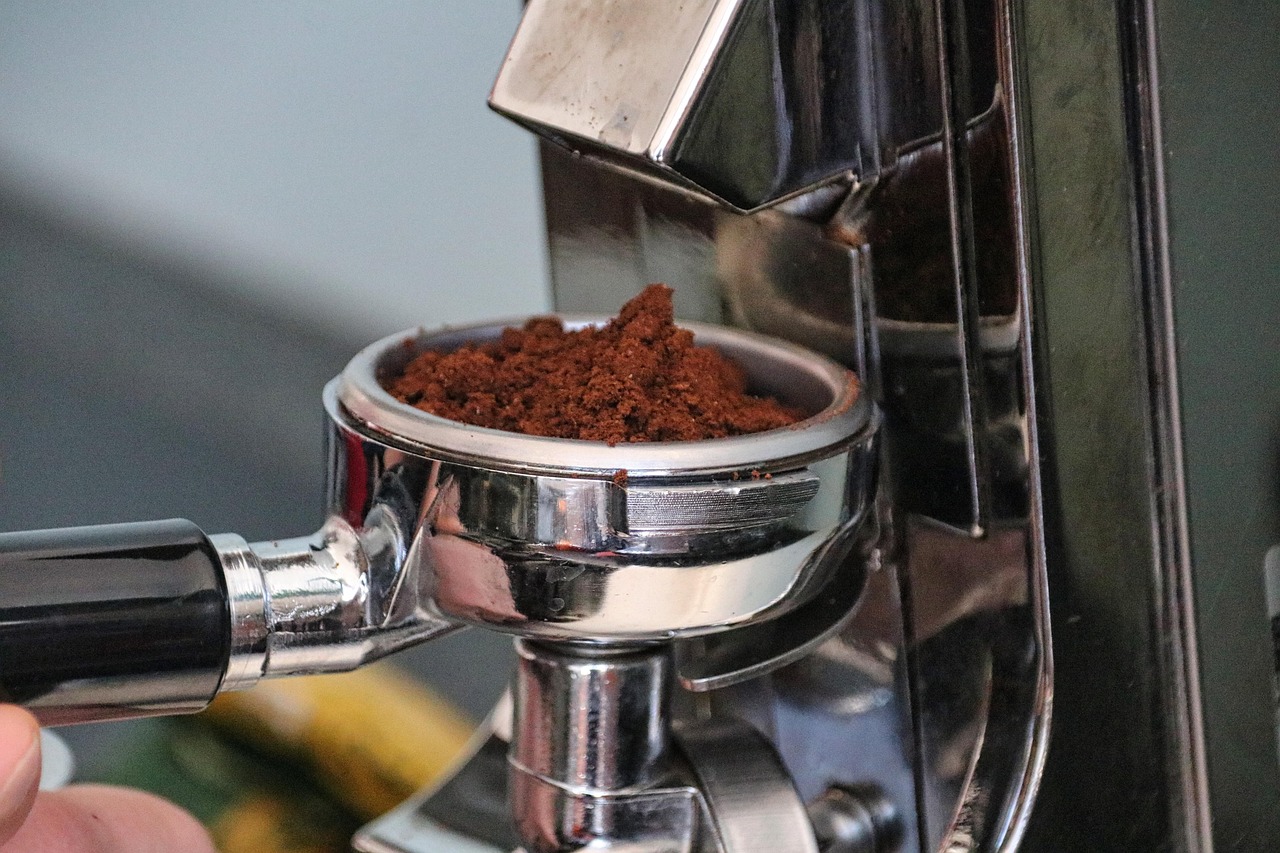
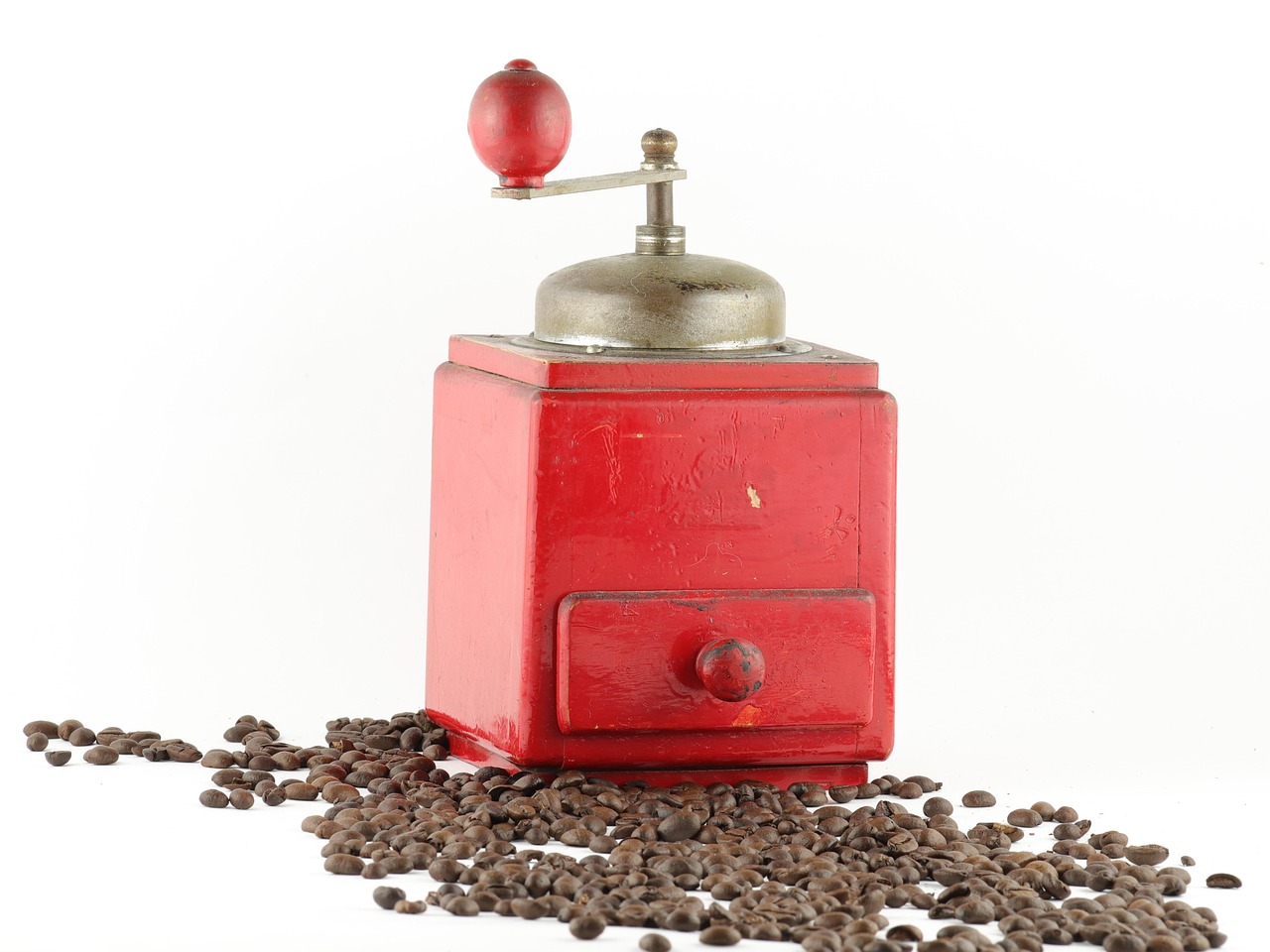
Every great cup of coffee starts with a great grind. Yet I've walked into dozens of restaurants and offices over the past decade where the coffee grinder is treated as an afterthought — a dusty machine pushed into a corner, its settings unchanged since the day it was bought. The result is a predictable slide into bitterness, inconsistency, and wasted product.
For a comprehensive overview of the entire grinder landscape, explore our guide on coffee grinders. But here's the short version: if you're running a foodservice business in 2026 and you're not serious about your grinder, you're leaving money — and customers — on the table.
What Is a Coffee Grinder and Why Does It Matter?
📚
Definition
A coffee grinder is a mechanical device that breaks whole coffee beans into smaller particles, called grounds, to facilitate extraction during brewing. The size and consistency of those particles determine everything about the flavor of the final cup.
In my experience working with hundreds of hotels, cafes, and corporate cafeterias, the grinder is the single most overlooked piece of equipment in the entire coffee supply chain. Operators will spend $3,000 on an espresso machine but balk at a $400 grinder — not realizing that the grinder does 80% of the work. According to the Specialty Coffee Association (SCA), grind particle size distribution is the dominant factor in extraction yield and flavor clarity.
A coffee grinder can be broadly categorized into two types: blade grinders and burr grinders. Blade grinders chop beans with a spinning propeller — they're cheap, loud, and wildly inconsistent. Burr grinders crush beans between two abrasive surfaces, producing uniform particles. For any business that cares about repeatable quality, burr is the only option.
The International Coffee Organization (ICO) notes that the specialty coffee market now accounts for over 60% of the total U.S. coffee market by value. As consumers become more discerning, their expectations for consistent, high-quality coffee rise. If you're serving coffee that tastes different every time, your customers notice. And they vote with their feet.
Why Does the Right Coffee Grinder Matter for Your Business?
The grinder directly impacts three critical business metrics: cost per cup, customer satisfaction, and staff efficiency.
Cost per cup. When your grind is inconsistent, some particles over-extract (bitterness) while others under-extract (sourness). Both are undrinkable, so you dump a significant percentage of every batch. In my experience, restaurants using blade grinders waste 15–20% of their coffee. Switching to a quality burr grinder with digital dose control reduces that waste to under 5%. At today's coffee prices — which the National Coffee Association (NCA) reports have risen 11% year over year — that waste directly impacts your bottom line.
Customer satisfaction. A 2023 study published in the Journal of Food Science found that consumers can detect grind inconsistency in 7 out of 10 blind taste tests. When customers taste inconsistency, they perceive lower quality, and they're less likely to return. In a competitive market like Charlotte or Los Angeles, where automated coffee services are becoming the norm, one bad cup can cost you a regular.
Staff efficiency. A grinder with a tamper‑proof dosing mechanism and simple calibration lets even novice staff produce café‑quality shots. Compare that to a cheap grinder that requires constant adjustment and throws off a half‑gram every time. The time savings alone — no more tweaking settings between shifts — can justify the upgrade.
How to Choose a Coffee Grinder for Your Foodservice Operation
Here is a practical step‑by‑step framework I use when consulting for hotels and offices.
Step 1: Decide Between On‑Demand and Batch Grinding
- On‑demand grinders grind only what you need for each shot or pourover. Best for high‑volume espresso bars where freshness matters at the second level.
- Batch grinders pre‑fill a doser with a set amount of ground coffee. Useful for drip brewers and large urns in cafeterias. Trade‑off: the coffee loses aroma faster once ground.
For most foodservice operations, an on‑demand burr grinder is the right choice. It eliminates stale grounds sitting in the doser and guarantees every cup is as fresh as possible.
Step 2: Choose the Right Burr Material
- Steel burrs are hard, durable, and inexpensive. Good for high‑volume use but can produce more heat, which can alter flavor if the grinder is run continuously.
- Ceramic burrs are sharper and run cooler, preserving delicate flavor compounds. They're more brittle, so they're better for medium‑volume environments where consistency matters most.
I recommend ceramic burrs for any operation serving specialty coffee where flavor nuance is a selling point — think boutique cafes and upscale hotel breakfast programs. For high‑volume institutional settings, steel burrs are perfectly acceptable.
Step 3: Look for Stepless Micrometric Adjustment
Cheap grinders have stepped settings; you only get a few options between espresso and drip. Stepless allows infinite adjustment. This matters because every coffee roast behaves differently. A natural Ethiopian Yirgacheffe will require a finer setting than a washed Colombian. With stepless adjustment, you can dial in each single‑origin batch.
Step 4: Consider Noise Levels and Footprint
In an open‑plan office or a quiet hotel lobby, a loud grinder can be a disruption. Best office espresso machines for small teams in 2026 often pair with low‑noise grinders. Look for models with acoustic dampening and a compact footprint that fits your counter layout.
Step 5: Factor in Maintenance and Cleaning
Grinders need regular cleaning. Oil buildup from roasted coffee — a compound called coffee oil — can clog burrs, slow grinding, and impart rancid flavors. A grinder with easy‑access burr chambers and a purge cycle makes daily cleaning quick. Some modern commercial grinders even have automatic cleaning cycles; those are worth the premium.
💡
Key Takeaway
The cost of a quality commercial burr grinder is recouped within months through reduced waste, higher customer retention, and lower labor costs. Don't scrimp on the grinder.
Common Mistakes When Buying a Coffee Grinder
Over the years, I've watched businesses make the same avoidable errors again and again.
Mistake #1: Buying a blade grinder thinking it's good enough. Blade grinders produce a wide range of particle sizes — fines, boulders, and everything in between. You can't brew consistently with that distribution. If you're serving customers, throw away any blade grinder you own.
Mistake #2: Using pre‑ground coffee. Pre‑ground coffee loses its volatile aroma compounds within 15 minutes of grinding. By the time it reaches your customer, it's already stale. The freshness of whole beans is one of the biggest differentiators for specialty coffee.
Mistake #3: Ignoring the dosing mechanism. A grinder that relies on a manual timer will deliver different doses as the hopper empties. Look for a weigh‑based doser that measures by mass, not time. This guarantees every shot uses the exact same amount of coffee.
Mistake #4: Not calibrating after every roast change. Coffee roasts change throughout the year. A grind setting that works for a medium roast in February may under‑extract a lighter roast in June. Train your staff to dial in the grind with a simple three‑shot adjustment test when a new bag is opened.
Mistake #5: Neglecting burr replacement. Burrs wear out. Over 500–1,000 pounds of coffee, steel burrs become dull; ceramic burrs last longer but still degrade. Replace burrs annually or when your grind consistency drifts. A set of burrs costs less than a week of wasted coffee.

Frequently Asked Questions
What is the difference between a blade grinder and a burr grinder?
A blade grinder uses a spinning metal propeller to chop coffee beans into random‑sized fragments. It's cheap and works for small batches of drip coffee, but the uneven particle size leads to inconsistent extraction. A burr grinder crushes beans between two abrasive surfaces, producing uniform grounds. For any commercial application — espresso, pour‑over, batch brew — a burr grinder is required for consistent quality.
How often should I clean a coffee grinder in my restaurant?
At minimum, purge the grinder daily by running a few grams of coffee through it before the first service to clear any stale grounds from the chute. Deep clean the burrs every two weeks using a burr cleaning brush and a dedicated grinder cleaner (tablets or powder). For high‑volume operations (100+ pounds per week), clean burrs weekly. Neglected buildup can lead to rancid flavors and motor strain.
Does the grind setting really affect espresso extraction time?
Yes, and it's the single most important variable. A finer grind increases resistance, slowing the flow of water and prolonging extraction. A coarser grind reduces resistance, speeding it up. For a standard espresso shot (1:2 ratio, 25–30 seconds extraction), the grind must be fine enough to produce the correct flow. Changing the grind setting by even one notch can shift the shot time by 3–5 seconds.
Which coffee grinder is best for a small hotel or office breakroom?
For a setting with fewer than 50 cups per day, a compact burr grinder (ceramic burrs) with a 100–200 gram hopper and stepless adjustment is ideal. Paired with a quality espresso machine like those covered in best office espresso machines for small teams in 2026, it can produce excellent coffee without a dedicated barista. If you prefer a zero‑maintenance option, consider a managed service like Busy Bean Coffee's all‑inclusive program that includes grinding equipment, coffee, and service.
How do I know when my grinder burrs need replacing?
Signs include: inconsistent particle size (visible boulders or fines), a sudden increase in grinding time, excessive heat from the burrs after a normal run, and a noticeable drop in espresso quality despite proper calibration. Many commercial grinders have visual wear indicators. As a rule of thumb, replace steel burrs after 500 pounds of coffee and ceramic burrs after 1,000 pounds.
Recommended Readings
To deepen your understanding of these topics, we recommend reading the following articles:
- Where to Buy Coffee Grinders Wholesale Near Me
- Ultimate Guide to Automated Coffee Machines for Business
- Ultimate Guide to Specialty Coffee Equipment for Business
- Ultimate Guide to Coffee Syrups for Foodservice Businesses
Conclusion
The difference between a mediocre coffee program and an exceptional one often comes down to one piece of equipment: the coffee grinder. It's not sexy, it's not a marquee name, but it is the workhorse that determines whether your customers taste a perfectly balanced espresso or a bitter, muddy mess.
For a deeper dive into everything from burr types to dosing technology, revisit our complete guide on coffee grinders. And if you're ready to let the experts handle it — from equipment selection to ongoing maintenance — we invite you to explore Busy Bean Coffee's managed coffee membership. We provide premium SENSA equipment, professional installation, and full support for one predictable monthly fee. No capital expense. No hassle. Just great coffee.
Visit Busy Bean Coffee to learn more.
Free Coffee Pairing Guide & Specialty Roast Cheat Sheet
Unlock the secrets of perfect brewing ratios, water temperatures, and specialty roast profiles. Download the guide.