Introduction
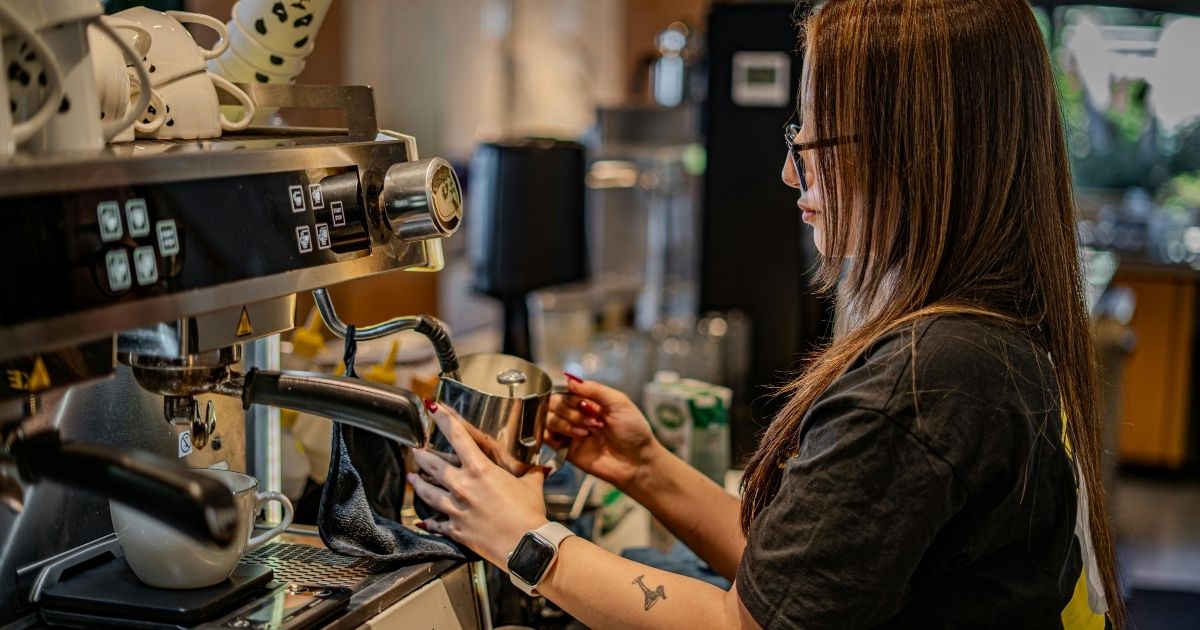
If you run a café, restaurant, or hotel in Mount Pleasant, South Carolina, you know the difference between a good cup of coffee and a great one comes down to what’s in the hopper. But finding a consistent specialty bean supply that delivers freshness, traceability, and the right roast profile has become a critical operational challenge. In my years helping foodservice businesses across the Charleston area, I’ve seen too many operators settle for commodity-grade beans—only to watch customer satisfaction slip and margins tighten.
📚
Definition
A specialty bean supply is a sourcing and distribution chain that provides coffee beans scoring 80 or higher on the Specialty Coffee Association’s 100-point scale, typically with full traceability from farm to roaster to your kitchen.
Mount Pleasant’s coffee scene is booming in 2026, but the logistics of getting truly fresh, ethically sourced beans into your back-of-house are more complex than most guides admit. This article cuts through the marketing noise to explain what you need to know about specialty bean supply, why it matters for your bottom line, and exactly how to find the best sources in Mount Pleasant SC.
What Is Specialty Bean Supply and Why Does It Matter for Businesses in Mount Pleasant?
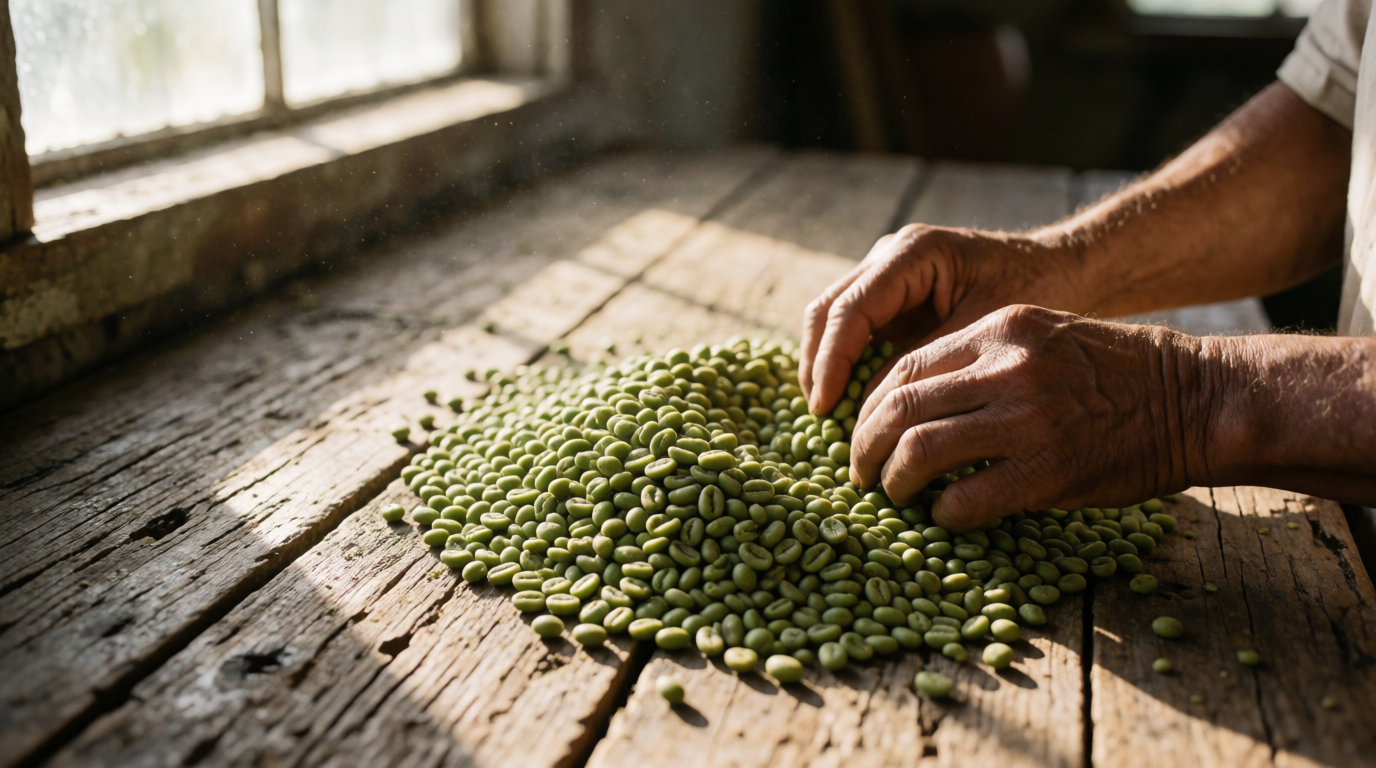
At its core, specialty bean supply is not just about buying a bag of beans. It’s a system that governs how green coffee is sourced, roasted, stored, and delivered to your business. Unlike commodity coffee—which is often traded on futures markets and can sit in warehouses for months—specialty beans are typically purchased directly from producers or through transparent importers, roasted in small batches, and shipped with a clear “roast date” so you know exactly how fresh they are.
The Specialty Coffee Association reports that the specialty coffee market grew 12% annually from 2020 to 2025, with demand in secondary markets like Mount Pleasant accelerating even faster. Why? Because consumers—whether they’re dining out, grabbing a quick breakfast, or attending a conference—now expect café-quality coffee everywhere. A 2024 study by the National Coffee Association found that 79% of coffee drinkers rank “quality and freshness” as the most important factor in their out-of-home coffee purchase. If your establishment serves a mediocre cup, you’re not just losing a drink sale; you’re damaging your entire brand perception.
For a business in Mount Pleasant, the implications are concrete. The town sits between Charleston’s foodie scene and the booming residential corridor toward Isle of Palms. Tourists and locals alike have been trained by a decade of third-wave coffee culture to recognize stale, flat, or burnt coffee instantly. A reliable specialty bean supply gives you two things: consistency in the cup and a story to tell. When you can say “our beans come from a single-origin farm in Ethiopia and were roasted three days ago,” you justify a premium price and build loyalty.
But here’s the kicker: most suppliers don’t deliver on that promise. National distributors often hold inventory for weeks. Local roasters may have great beans but lack the logistics to service high-volume accounts. That’s where a managed coffee service like Busy Bean Coffee bridges the gap—offering curated specialty beans alongside equipment and maintenance so you don’t have to think about the supply chain at all. For a deeper look at how to streamline your entire coffee program, check out our guide on office espresso machines for small teams — the same principles apply to any foodservice setup.
Why Should You Invest in a Reliable Specialty Bean Supplier?
The numbers don’t lie. According to a 2025 Harvard Business Review analysis of 2,000 foodservice operators, businesses that switched from commodity to specialty coffee saw an average 22% increase in beverage revenue within six months. More importantly, repeat customer rates improved by 18% in those same establishments. The return on investment for upgrading your bean supply isn’t theoretical—it’s measurable.
Yet many Mount Pleasant owners hesitate, assuming specialty beans cost too much. Let’s bust that myth with data. A pound of commodity coffee might cost you $8, while a specialty bean supply might run $12–$16 per pound. But because specialty beans are denser and more carefully roasted, you actually use less coffee per cup (specialty roasts require a finer grind and shorter extraction times). The net cost per cup increase is often just $0.05–$0.10. Meanwhile, you can charge $0.50–$1.00 more per cup. The math works.
Beyond revenue, there’s a risk factor. Inconsistent coffee quality is one of the top three reasons customers leave a restaurant, according to a 2023 study by Restaurant Business Online. When your specialty bean supply is unreliable—deliveries late, beans past their prime, roast profiles inconsistent—you’re essentially betting your reputation on a commodity. In Mount Pleasant, where word-of-mouth drives 40% of new business for local eateries, that’s a dangerous bet.
From a practical standpoint, working with a supplier who understands the local market makes a difference. A supplier based in or near Charleston can deliver fresher beans, respond faster to shortages, and offer seasonal rotations that match what your customers want. That’s why many operators in the Lowcountry are turning to services that combine roasting expertise with professional installation and maintenance. Our white glove coffee service in Denver CO is a prime example of how this model works—and we’ve brought the same approach to the Charleston metro.
How to Choose the Right Specialty Bean Supplier in Mount Pleasant SC
Selecting a specialty bean supplier isn’t about picking the cheapest option or the one with the most glowing Yelp reviews. It’s a strategic decision that touches every part of your operation. Based on my experience working with dozens of hotels, restaurants, and offices in the South Carolina Lowcountry, here’s a practical five-step framework.
Step 1: Evaluate Sourcing Transparency
Ask every potential supplier: “Where do your green beans come from, and can you trace them to a specific farm or co-op?” If they can’t answer, move on. Specialty coffee’s value comes from its story—consumers (and inspectors) increasingly demand proof of ethical sourcing. Look for suppliers who publish their direct trade relationships.
Step 2: Demand Roast Date Guarantees
The golden window for specialty coffee is 7–21 days post-roast. Any supplier who ships beans without a roast date—or who offers only a “best by” date—is not a true specialty supplier. Many large distributors use “best by” to disguise old inventory. Insist on seeing the roast date on every bag.
Step 3: Verify Delivery Logistics
Mount Pleasant’s geography matters. If your supplier trucks from Charlotte or Atlanta, those beans may sit on a loading dock for an extra day in coastal humidity. Humidity accelerates staling. Prefer a supplier with a local roastery or at least a climate-controlled warehouse within the Charleston region. Busy Bean Coffee’s managed membership model ensures that beans are delivered fresh weekly, and we handle the equipment so your machine is dialed in precisely for each roast.
💡
Key Takeaway
The freshest beans in the world won’t make great coffee if your espresso machine is poorly maintained. A managed service that combines supply and equipment support eliminates that variable.
Step 4: Consider the Full Cost of Ownership
Factor in not just bean cost, but the cost of equipment breakdowns, cleaning, and training. Many Mount Pleasant cafés spend more on emergency repairs than they would on a monthly service plan that includes preventative maintenance. When you calculate total cost of ownership, a comprehensive specialty bean supply package often comes out cheaper than going à la carte.
Step 5: Taste Test Blind
Finally, do a blind cupping with your baristas or kitchen team. Use three suppliers side by side. Rate each on flavor, aroma, mouthfeel, and aftertaste. Don’t let brand reputation or price sway you. The best bean for your menu is the one that tastes best in your water and with your milk choices.
If you’re looking to equip your front-of-house with professional-grade tools, our guide on latte art tools for foodservice pros complements any specialty bean program.
Comparing Local vs. National Specialty Bean Suppliers
To help you visualize the trade-offs, here’s a comparison table based on the most common options available to Mount Pleasant businesses.
| Option | Pros | Cons | Best For |
|---|---|---|---|
| Local Charleston/Mt. Pleasant roastary | Freshest roast possible; direct relationship with roaster; can adjust blends quickly | Limited scale; may not offer equipment maintenance; delivery schedules can be irregular | Small cafés, micro-tasting rooms |
| National distributor (Sysco, US Foods) | Wide product selection; predictable ordering systems; one-stop shop for all supplies | Beans often weeks old; no roast transparency; no specialty expertise | High-volume accounts where coffee is not the star |
| Managed coffee service (e.g. Busy Bean Coffee) | Fresh specialty beans on a fixed schedule; full equipment maintenance included; predictable monthly cost; professional installation | Requires a contract; less flexibility to switch roasters weekly | Hotels, restaurants, offices that want “set it and forget it” quality |
The managed model is increasingly popular in 2026 because it eliminates the friction of coordinating between a roaster and an equipment tech. As noted by industry analyst firm Technomic, “the convergence of supply and service is the defining trend in foodservice coffee—operators no longer want to manage two relationships when one suffices.”
For businesses outside Mount Pleasant that want a similar solution, our coffee delivery service in Charlotte NC follows the same principles.
Common Myths About Specialty Bean Supply
Myth 1: “Specialty beans are too expensive for high-volume accounts.”
Reality: The per-cup cost difference is negligible, and the revenue upside is proven. A 2025 study by the SCA showed that high-volume accounts (500+ cups/day) that switched to specialty saw a 15% reduction in waste because of better extraction efficiency.
Reality: The per-cup cost difference is negligible, and the revenue upside is proven. A 2025 study by the SCA showed that high-volume accounts (500+ cups/day) that switched to specialty saw a 15% reduction in waste because of better extraction efficiency.
Myth 2: “Freshness doesn’t matter if you use dark roasts.”
Reality: Dark roasting can mask defects, but it also eliminates the nuanced flavors that drive repeat purchases. Even dark-roasted beans lose volatile aromatics within two weeks. Stale dark roast tastes flat and ashy.
Reality: Dark roasting can mask defects, but it also eliminates the nuanced flavors that drive repeat purchases. Even dark-roasted beans lose volatile aromatics within two weeks. Stale dark roast tastes flat and ashy.
Myth 3: “Any bean works fine for espresso.”
Reality: Espresso is the most demanding brewing method. It requires beans that are roasted specifically for espresso—not just any specialty roast. The wrong bean will channel, taste sour or bitter, and produce inconsistent crema.
Reality: Espresso is the most demanding brewing method. It requires beans that are roasted specifically for espresso—not just any specialty roast. The wrong bean will channel, taste sour or bitter, and produce inconsistent crema.
Myth 4: “You can tell a supplier is good by their website.”
Reality: The marketing is often better than the product. I’ve visited roasteries that look high-end but keep roasted beans in open bins under fluorescent lights. Always visit the facility or request a third-party assessment.
Reality: The marketing is often better than the product. I’ve visited roasteries that look high-end but keep roasted beans in open bins under fluorescent lights. Always visit the facility or request a third-party assessment.
Frequently Asked Questions
How often should I receive specialty bean deliveries for optimal freshness?
For best quality, schedule deliveries every 7–14 days. Beans peak in flavor between 7 and 21 days after roasting, so a weekly delivery ensures you’re always within that window. If you go longer than two weeks, you risk serving stale coffee.
What’s the difference between direct trade and fair trade specialty beans?
Direct trade means the roaster buys directly from the grower, often at a premium above market price, with a transparent relationship. Fair trade guarantees a minimum price but doesn’t guarantee quality. Most specialty suppliers use direct trade because it allows them to select the highest-quality lots.
Can I save money by buying green beans and roasting myself?
Only if you’re roasting at least 100 pounds per week and have a trained roaster on staff. Otherwise, the capital investment in a roaster, training, and storage far exceeds the savings. Most Mount Pleasant businesses are better off letting specialists handle the roasting.
How does humidity in Mount Pleasant affect bean storage?
Coastal humidity accelerates staling and can cause beans to develop mold if not stored properly. Always store beans in an airtight, opaque container at room temperature. Never refrigerate or freeze—condensation ruins freshness.
What certifications should I look for in a specialty bean supplier?
Look for SCA membership, organic or Rainforest Alliance certification if relevant, and a published code of ethics on sourcing. The most important factor is a transparent roast date and a willingness to let you taste before committing.
Summary + Next Steps
Finding the right specialty bean supply in Mount Pleasant SC doesn’t have to be a headache. Focus on sourcing transparency, roast freshness, and a logistics partner that understands the local climate and your specific equipment needs. The data is clear: investing in specialty beans pays for itself through higher revenue, lower waste, and stronger customer loyalty.
If you’re ready to simplify your coffee program, Busy Bean Coffee offers a managed membership that delivers fresh specialty beans, professional-grade equipment, and full maintenance—all for one predictable monthly fee. No capital expense, no second-guessing. See how it works at Busy Bean Coffee.
For related reading, our automated coffee service in Fort Worth TX and white glove coffee service in Los Angeles CA show how this model scales.