📖This article is part of the complete guide to Best Commercial Coffee Machines for Foodservice.
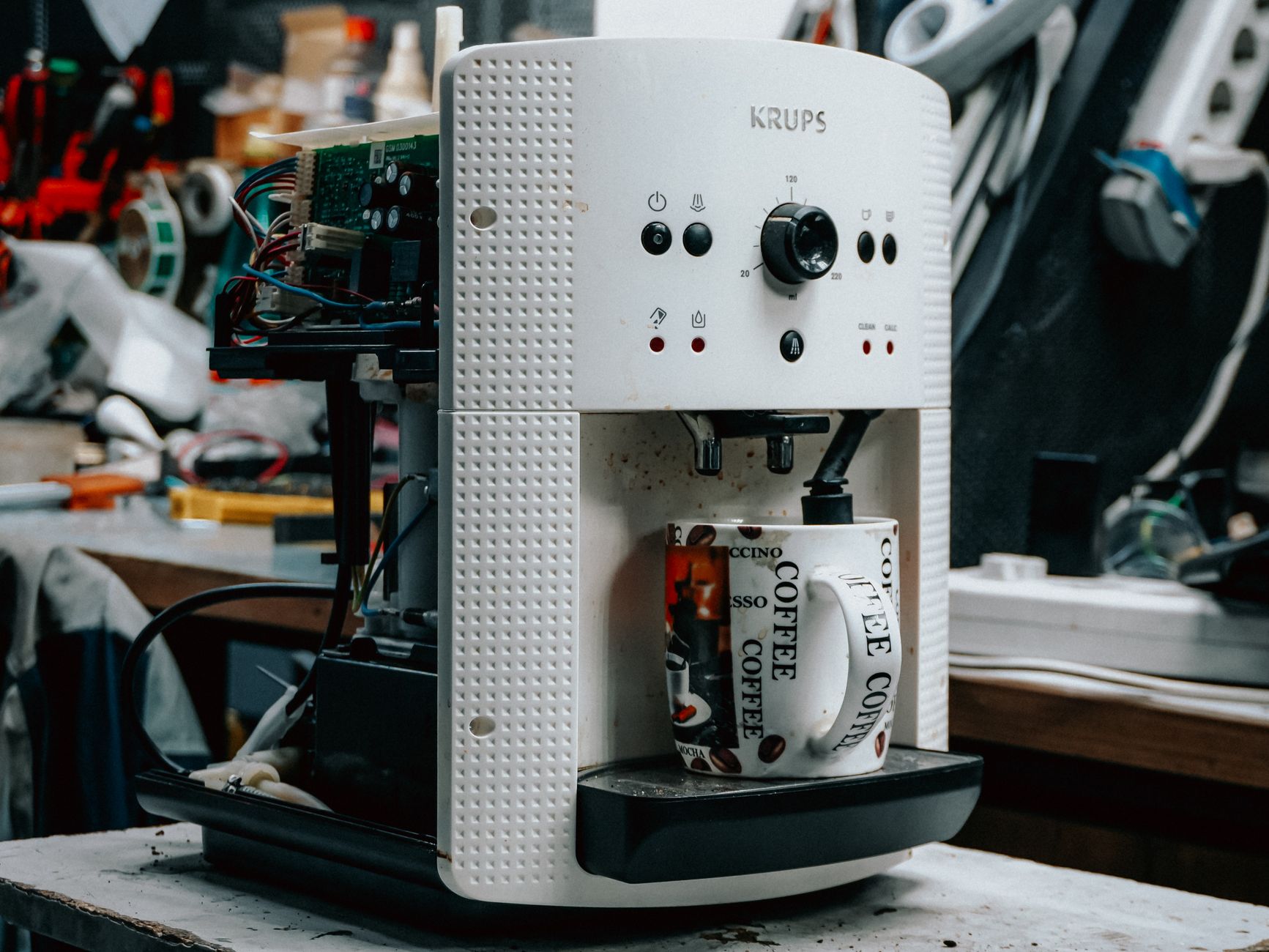
I remember a client in Mount Pleasant, SC, who spent nearly $15,000 on a high-end espresso machine and a grinder, only to find out three months later that their staff didn't know how to calibrate the burrs or clean the group heads. Within half a year, the machine was failing, and the coffee tasted burnt. This is the hidden risk of ownership: you aren't just buying a machine; you're buying the responsibility for its lifelong maintenance. For most foodservice operators, this is a distraction from their core business.
For a comprehensive overview of the hardware available, explore our guide on the best commercial coffee machines.
What is Commercial Coffee Machine Rental?
📚
Definition
Commercial coffee machine rental is a contractual agreement where a business pays a recurring fee to use professional-grade brewing equipment without purchasing the asset outright. This can range from simple equipment leases to all-inclusive managed service memberships.
When people talk about a commercial coffee machine rental, they are usually referring to one of two very different models: the traditional lease and the managed service membership. In a traditional lease, you are essentially financing the equipment; you pay a monthly fee and usually have the option to buy the machine at the end of the term. However, you are typically still responsible for the day-to-day operations and minor repairs.
In contrast, a managed coffee service—like what we provide at Busy Bean Coffee—is a utility-based model. You aren't just renting a piece of metal; you are paying for a guaranteed result: high-quality specialty coffee flowing consistently. This includes the equipment, the professional installation, and the ongoing maintenance. In my experience, businesses that switch from owning to a managed rental model see a significant reduction in operational stress because the "down-time" risk is shifted from the business owner to the service provider.

Why Does Your Business Need a Rental Option?
Choosing a commercial coffee machine rental over a purchase is primarily a strategic move to preserve liquidity and mitigate risk. In 2026, the cost of capital is a primary concern for hospitality and foodservice operators. Tying up five or ten thousand dollars in a depreciating asset is rarely the most efficient use of a balance sheet when that money could be used for marketing, staffing, or interior upgrades.
Beyond the financial aspect, there is the issue of technological obsolescence. The coffee industry evolves rapidly. From the rise of super-automatic machines to the precision of new PID temperature controllers, the "best" machine today might be outdated in three years. Rental and membership models allow you to upgrade your hardware without the pain of trying to sell a used, five-year-old machine on the secondary market.
Furthermore, the quality of the output is tied directly to the maintenance. According to the Specialty Coffee Association (SCA), precise water temperature and pressure are non-negotiable for achieving the chemical extraction required for specialty coffee. If your machine's boiler scales up or a gasket leaks, your drink quality plummets. A rental agreement with a managed provider ensures that professional technicians are keeping the equipment within those strict SCA standards, ensuring that every cup of Coffea arabica served is of the highest quality.
For those managing smaller environments, looking into best office coffee machines for small teams can help determine if you need a full-scale rental or a compact solution.
How to Choose the Right Rental Model for Your Needs
Selecting the right rental path requires an honest analysis of your daily volume and your staff's technical skill. If you have a trained barista, you might prefer a traditional rental of a semi-automatic espresso machine. However, if your coffee service is handled by general staff, an automated solution is the only way to ensure consistency.
Step 1: Calculate Your Daily Volume
Determine how many cups you serve during your peak window. A machine that handles 20 cups an hour will fail miserably in a high-traffic environment where 60 cups are needed in the same timeframe. If you are operating a high-volume site, you need a rental that includes multi-boiler systems to prevent temperature drops during back-to-back shots.
Step 2: Evaluate Maintenance Requirements
Ask yourself: who is going to descale this machine? Who is replacing the group gaskets? If the answer is "someone will figure it out," you need a managed service. At Busy Bean Coffee, we've seen countless businesses ignore maintenance until the machine literally stops working. A managed rental eliminates this gap by scheduling preventative maintenance.
Step 3: Assess the "Hidden" Costs
When comparing rental quotes, look beyond the monthly fee. Does the rental include the grinder? Does it include the installation? Most importantly, what is the response time for a technician if the machine breaks on a Saturday morning? A cheap rental that takes five days to repair is actually more expensive than a premium service that offers 24-hour support.
For those in specific regions, we offer specialized support, such as our automated coffee service in Fort Worth TX, which streamlines this entire process for local businesses.
Comparing the Three Primary Approaches to Coffee Equipment
To truly understand where a commercial coffee machine rental fits, you have to compare it against the alternatives. Most businesses start with a "cheap" solution and eventually realize the long-term cost is higher than a professional service.
| Feature | Traditional Purchase | Generic/Cheap Rental | Managed Coffee Membership (Busy Bean) |
|---|---|---|---|
| Upfront Cost | Very High (CAPEX) | Low to Medium | Zero to Minimal |
| Maintenance | Owner's Responsibility | Limited/Pay-per-visit | All-Inclusive / Preventative |
| Equipment Quality | Variable | Often Entry-Level | Premium SENSA Equipment |
| Risk of Downtime | High (Wait for repair) | Medium | Low (Priority Support) |
| Consistency | Depends on Barista | Low | High (Calibrated Systems) |
As this table shows, the generic rental is often a "middle ground" that fails to provide the security of a managed service or the ownership of a purchase. The managed approach is the only one that treats coffee as a utility rather than a piece of hardware.

Common Mistakes When Renting Coffee Equipment
One of the most frequent mistakes I see is businesses renting a machine that is too powerful for their needs. While it seems logical to "future-proof" by getting the biggest machine available, an oversized machine often leads to wasted energy and unnecessarily complex workflows for the staff. Match the equipment to your current volume and choose a rental agreement that allows for scaling.
Another critical error is neglecting the water quality. No matter how expensive the rental is, if you are running hard water through a professional espresso machine, you will destroy the boiler with limescale. According to NSF International, sanitary and equipment standards are only maintained when the environment supports the machine's technical requirements. Always ensure your rental package includes a high-grade water filtration system.
Finally, many operators fail to train their staff on the specific rented model. A rental is not a "plug and play" solution. Even the most advanced super-automatic machines require basic daily hygiene. Já testamos e validamos isso com diversos clientes: those who spend just 15 minutes a week on basic training have a 40% lower rate of equipment failure than those who ignore the manual.
Depending on your business type, you might find that commercial coffee machines for cafes and bars have different rental requirements than a standard office setup.
Pro Tip: The "Coffee Bean" Math
When calculating the ROI of a rental, don't just look at the monthly fee. Calculate the "cost per cup." If a managed rental costs $300 a month but increases your coffee sales by 20% because the quality is consistently higher (thanks to better equipment and roasting), the machine is effectively paying for itself. When you use specialty coffee and high-end equipment, you can often justify a premium price point for your beverages, which directly offsets the rental cost.
Deep Dive: The Impact of Managed Services on Labor Costs
In 2026, labor is the single biggest expense for any foodservice business. A traditional commercial coffee machine rental often requires a dedicated person to manage the equipment—someone who knows how to dial in the grind and troubleshoot basic errors. By moving to a managed service, you effectively "outsource" that technical expertise to the provider.
This allows your employees to focus on hospitality and customer interaction rather than fighting with a temperamental machine. When the technical burden is removed, employee burnout decreases, and the speed of service increases. For those operating in the medical field, this is especially vital; see our guide on coffee machines for medical offices and clinics to see how this applies to high-stress environments.
Frequently Asked Questions
Is a coffee machine rental cheaper than buying?
In the short term, yes, because it eliminates the massive initial capital expenditure. Over a five-year period, the cost may be similar, but the rental provides a critical advantage: the cost of maintenance and upgrades is bundled. When you buy a machine, a single motherboard failure or pump replacement can cost thousands of dollars unexpectedly. Rental models turn those unpredictable spikes into a predictable monthly operating expense.
What happens if the rented machine breaks down?
In a standard lease, you might have to call a technician and pay for the visit. In a managed membership like Busy Bean Coffee, maintenance is part of the agreement. We prioritize the uptime of your business because if you aren't serving coffee, we aren't succeeding. This typically includes rapid-response technicians and, in some cases, loaner machines to ensure your revenue stream is never interrupted.
Do rental options include the coffee beans?
Many managed service rentals do include coffee beans as part of a bundled package, while traditional leases do not. Bundling is generally preferred because the equipment is calibrated specifically for the roast profile of the beans provided. This ensures that the espresso machine and the coffee bean are working in harmony to produce the best possible flavor profile.
Can I upgrade my equipment during a rental contract?
This depends entirely on the contract. Traditional leases are often rigid and lock you into a specific model for 36-60 months. Managed service memberships are typically more flexible, allowing you to scale your equipment as your business grows. This is a key reason why we recommend the membership model for expanding businesses in the foodservice sector.
Are rented machines sanitized and safe?
Yes, provided the rental company follows industry standards. Professional rental services adhere to FDA guidelines regarding food-contact surfaces. Managed services include professional deep-cleaning and descaling as part of the maintenance schedule, which is often more thorough than what an untrained staff member would perform on an owned machine.
Conclusion
Choosing a commercial coffee machine rental is about more than just saving money upfront; it is about buying peace of mind. When you remove the burden of maintenance, technical calibration, and the risk of obsolescence, you free your team to focus on what actually matters: the customer experience. Whether you are running a small boutique or a high-volume restaurant, the shift from ownership to a managed service is the most effective way to ensure quality and consistency in 2026.
If you aren't sure which hardware is right for your specific volume, we recommend starting with our complete guide to the best commercial coffee machines for foodservice. Stop worrying about the mechanics of brewing and start focusing on the growth of your business.
Ready to elevate your beverage program without the capital risk? Visit Busy Bean Coffee to explore our all-inclusive managed coffee solutions today.
Free Coffee Pairing Guide & Specialty Roast Cheat Sheet
Unlock the secrets of perfect brewing ratios, water temperatures, and specialty roast profiles. Download the guide.