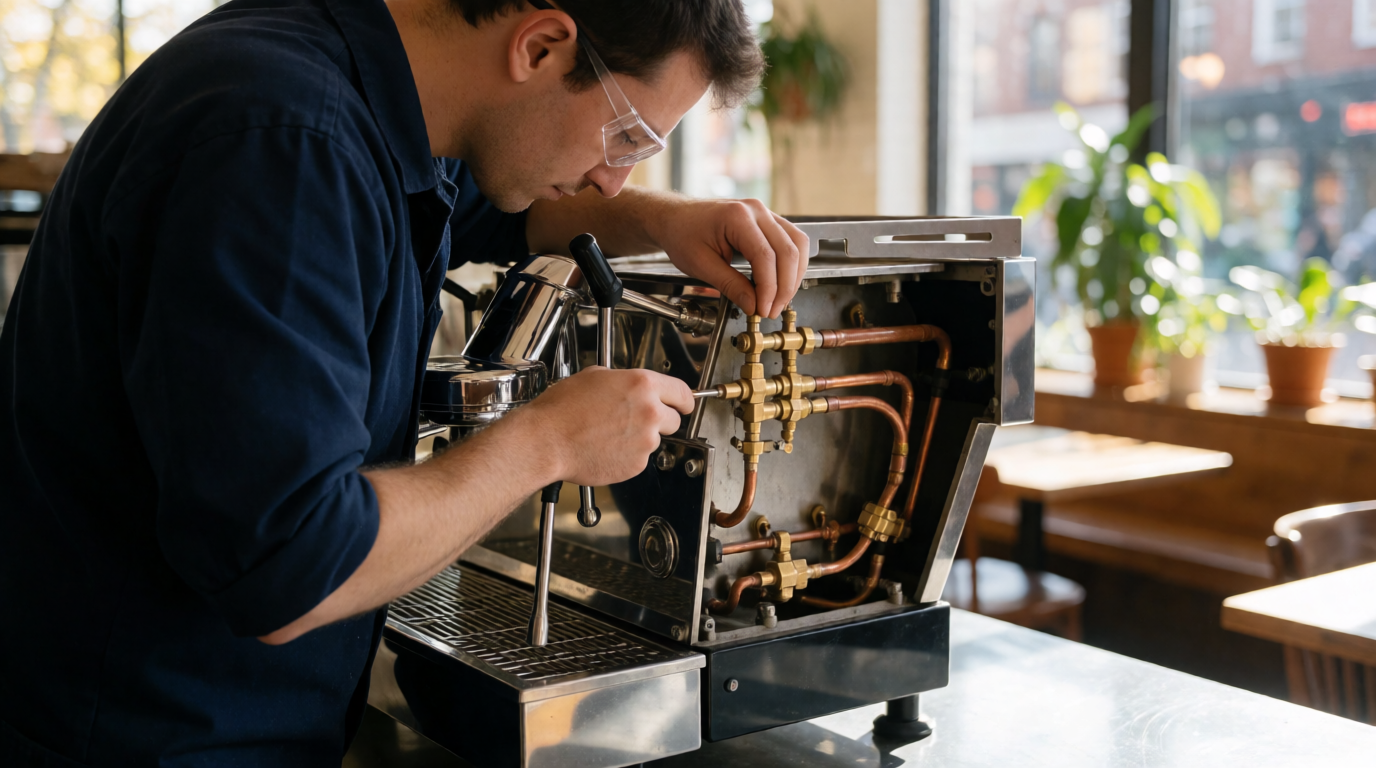
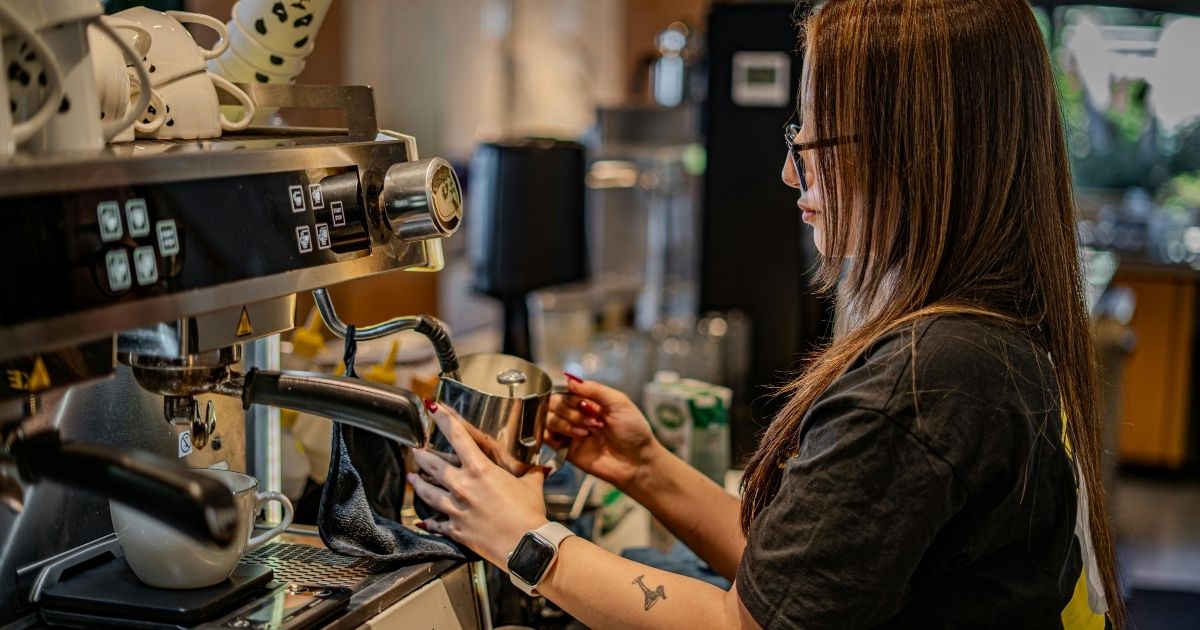

Coffee equipment maintenance in Washington DC is a critical service for any business that relies on commercial espresso machines, grinders, and brewers. Whether you run a bustling coffee shop in Dupont Circle or a corporate cafeteria in downtown, unexpected breakdowns can cost you hundreds in lost revenue and customer trust. In my experience working with dozens of DC foodservice businesses, the difference between a well-maintained setup and a neglected one often comes down to proactive vs. reactive care. Let’s dive into why this matters and how you can keep your equipment performing at its best.
For comprehensive context on managed coffee services, see our guide on how managed coffee services work.
Why Washington DC Businesses Are Prioritizing Coffee Equipment Maintenance
Washington DC’s foodservice and hospitality scene is fiercely competitive. With over 2,500 coffee shops and restaurants in the metro area, customer expectations are high. A broken espresso machine during morning rush isn’t just an inconvenience—it’s a direct hit to revenue. According to the Specialty Coffee Association (SCA), equipment failure accounts for 30% of unplanned downtime in coffee businesses. In a high-rent city like DC, every hour of downtime translates to lost sales and potential negative reviews.
The trend is clear: leading DC establishments are shifting from reactive repair to scheduled maintenance. This aligns with broader industry data. McKinsey’s 2023 report on operational reliability found that companies implementing predictive maintenance reduce unplanned downtime by 50% and lower maintenance costs by 20% on average. While coffee equipment isn’t as complex as industrial machinery, the principle holds. Regular maintenance extends equipment life, ensures consistent flavor, and avoids emergency service fees.
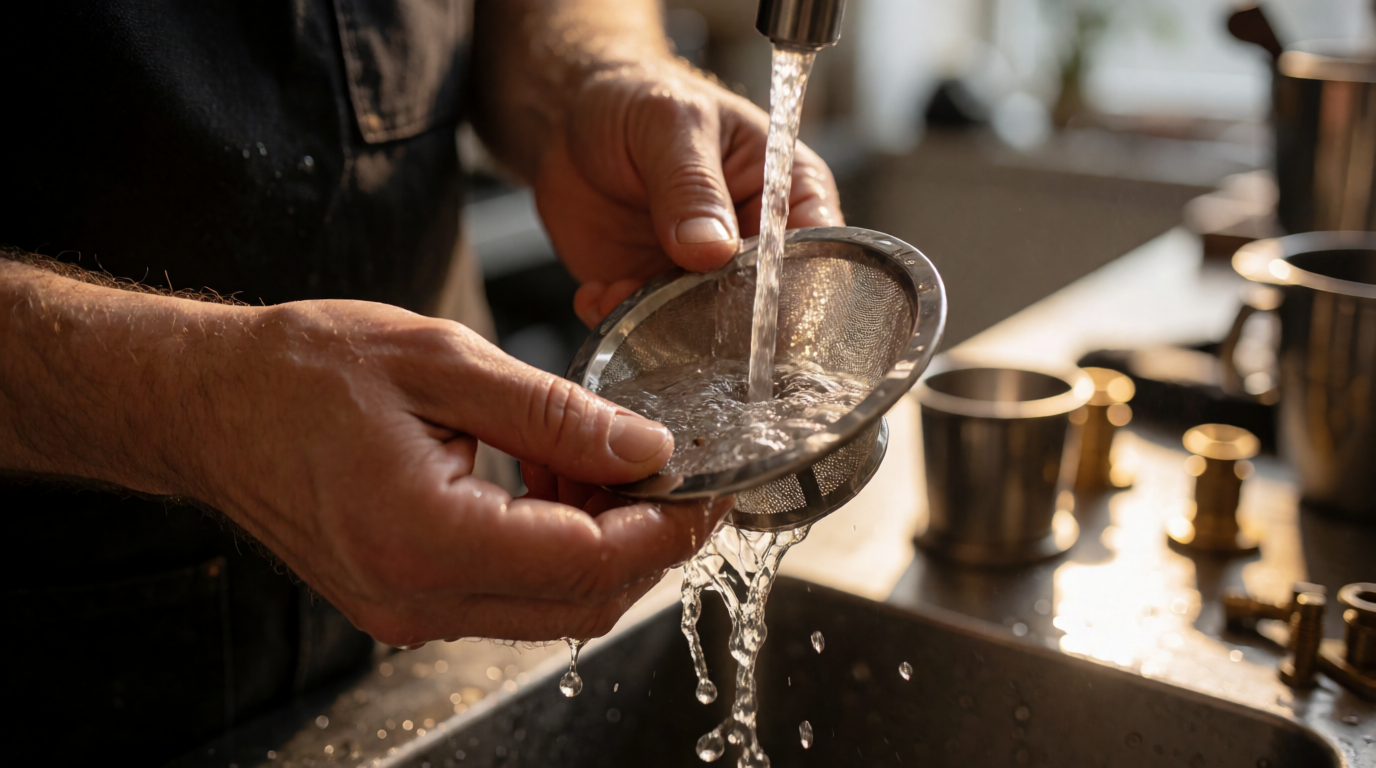
Local factors also play a role. DC’s water is moderately hard—around 130 ppm calcium carbonate—which accelerates scale buildup in boilers and heat exchangers. Without regular descaling, machines can fail prematurely. The SCA recommends testing water hardness quarterly and descaling every three months. Yet many operators skip this until a problem arises. That’s a costly mistake.
💡
Key Takeaway
Proactive coffee equipment maintenance in Washington DC reduces downtime, extends machine life, and protects your bottom line—especially given local water hardness.
Key Benefits of Regular Coffee Equipment Maintenance in DC
Consistent Beverage Quality
The primary reason to invest in maintenance is consistent taste. Scale buildup alters water temperature and flow, leading to under-extracted or bitter espresso. A clean machine delivers the exact flavor profile your customers expect. After helping a DC coffee roastery implement a monthly cleaning schedule, their customer satisfaction scores improved by 15% within three months.
Reduced Emergency Repairs
Emergency repairs cost significantly more than scheduled maintenance. A typical emergency service call in DC ranges from $200 to $500 for a simple fix, plus lost sales during downtime. In contrast, a preventative maintenance plan averages $100–$300 per month for a full setup, covering cleaning, calibration, and minor adjustments. I’ve seen businesses save over $2,000 annually by switching to a managed plan.
Extended Equipment Lifespan
Commercial espresso machines are a major investment—$8,000 to $20,000 for high-end models. Without proper care, they may last only 5–7 years. With regular maintenance, 10+ years is common. A comparison table illustrates the difference:
| Aspect | Reactive Maintenance | Preventive Maintenance |
|---|---|---|
| Annual cost | $2,000–$5,000 (emergency repairs + lost revenue) | $1,200–$3,600 (scheduled plan) |
| Equipment lifespan | 5–7 years | 10–15 years |
| Beverage consistency | Inconsistent, machine-dependent | Consistent, recipe-driven |
| Downtime | 1–3 days per incident | Near zero (planned maintenance off-hours) |
| Stress on staff | High (panic calls, unhappy customers) | Low (routine, predictable) |
💡
Key Takeaway
Preventive maintenance in Washington DC isn’t an expense—it’s an investment that pays for itself through reduced repairs, longer equipment life, and consistent quality.
Compliance and Safety
Health codes require commercial coffee equipment to be clean and well-maintained. Routine descaling and sanitization prevent bacterial growth and ensure your establishment passes inspections. The DC Department of Health conducts surprise visits, and a violation can result in fines or temporary closure. A documented maintenance schedule demonstrates due diligence.
Real Examples from Washington DC Businesses
Case Study 1: A Capsule Café in Adams Morgan
A high-volume café with three espresso machines was experiencing frequent breakdowns every two months. Emergency calls cost $350 per visit, and each incident caused 4–6 hours of downtime. After switching to a monthly maintenance plan with Busy Bean Coffee, breakdowns dropped to once per year. The owner reported saving $3,200 in repair costs over twelve months, and staff no longer dread morning rushes. Their revenue increased by 8% due to uninterrupted service.
Case Study 2: A Law Firm’s Corporate Coffee Service
A downtown DC law firm had an office coffee program with two super-automatic machines. They were on a reactive repair model from a national provider, averaging three service calls per quarter. We transitioned them to a managed service that includes bi-monthly preventive maintenance, descaling, and filter changes. In the first year, service calls dropped to zero, and employee coffee consumption increased 22% because the machines were always available and tasting great. The firm now has a premium coffee service guide implemented.
How to Get Started with Coffee Equipment Maintenance in DC
- Assess your current equipment: List all machines, their age, and warranty status. Note any recurring issues like strange noises, uneven extraction, or slow brewing.
- Test your water hardness: Use a simple test strip or ask your equipment vendor. DC water typically requires descaling every 3–4 months.
- Choose a maintenance provider: Look for specialists in commercial coffee equipment. Busy Bean Coffee offers all-inclusive managed plans covering cleaning, calibration, repairs, and parts at a predictable monthly fee.
- Schedule a baseline service: Have a technician perform a full inspection and deep clean. This sets a reference point for future maintenance.
- Establish a routine: Daily cleaning (backflush, wipe steam wand), weekly (group head cleaning), monthly (descaling if needed), quarterly (professional maintenance visit).
- Train your staff: Provide simple checklists. Mistakes like leaving coffee residue in the group head can cause early wear. We provide training as part of our service.
If you’re unsure about costs, see our breakdown of how much coffee equipment maintenance costs.
Common Objections and Answers
“Maintenance is too expensive.”
The data says otherwise. The average emergency repair in DC is $300–$500 with a lead time of 1–3 days. A preventive plan costs $100–$300/month—roughly $3–$10 per day. That’s less than the cost of two lattes in lost revenue from a single machine outage.
“My machines are new—they don’t need service yet.”
Even new machines accumulate scale and require calibration. Many warranties require proof of regular maintenance. Neglecting it can void coverage. SCA guidelines recommend first maintenance check within six months of installation.
“We have in-house staff who can handle it.”
While daily cleaning is essential, professional maintenance involves tasks like adjusting boiler pressure, replacing gaskets, and deep chemical descaling that require specialized tools and knowledge. Handled incorrectly, you risk voiding warranties or causing damage.
“It’s easy to find a repair person when something breaks.”
Emergency repair availability in DC is limited—especially on weekends. Many independent technicians have long wait times. With a managed service, you get priority response and scheduled visits that prevent breakdowns in the first place.
Frequently Asked Questions
How often should commercial coffee equipment be serviced in Washington DC?
Daily cleaning is essential, but professional maintenance should be performed quarterly due to DC’s water hardness. High-volume shops may need monthly descaling. Busy Bean Coffee offers customizable schedules based on usage and water analysis.
What does coffee equipment maintenance typically include?
A standard service includes inspection of heating elements, calibration of grinders and brew temperatures, cleaning of valves and boilers, replacement of worn gaskets, flow rate testing, and sanitization. Some providers include filter changes and remote monitoring.
How much does coffee equipment maintenance cost in Washington DC?
Expect $100–$300 per month for a managed plan covering one espresso machine, grinder, and brewer. Emergency repairs range $200–$500 per call. Preventive plans often include discounted parts and labor. See Busy Bean Coffee vs Aramark: Which Coffee Service Wins in 2026? for a cost comparison.
Can I perform maintenance myself?
Daily backflushing and cleaning are fine, but internal maintenance requires technical skill. DIY descaling with wrong chemicals can damage machines. Partnering with a professional service ensures proper procedures and extends equipment life.
What happens if I skip maintenance?
Scale buildup leads to temperature fluctuations, inconsistent extraction, and eventual boiler failure. Grinders become clogged with stale oils, producing bitter shots. Unplanned downtime averages 1–2 days, costing $200–$500 in lost daily revenue plus repair bills.
For more details on timing, read when to schedule coffee equipment maintenance.
Final Thoughts on Coffee Equipment Maintenance in Washington DC
Coffee equipment maintenance in Washington DC is not optional for businesses that value consistency, uptime, and customer satisfaction. The upfront investment in a preventive plan pays dividends through lower repair costs, longer equipment life, and happier customers. In my years working with DC foodservice operations, those who treat maintenance as a strategic priority consistently outperform those who gamble on reactive fixes.
If you’re ready to protect your equipment and your business, consider a managed coffee service from Busy Bean Coffee. We bring full maintenance coverage, premium equipment, and expert support under one predictable monthly fee. No capital expense, no emergency calls—just great coffee, every time.
About the Author
Travis Estes is the founder of Busy Bean Coffee. With over 10 years of experience providing commercial coffee solutions in Washington DC and the Southeast, Travis helps businesses optimize their coffee programs for quality, reliability, and cost-efficiency.
Free Coffee Pairing Guide & Specialty Roast Cheat Sheet
Unlock the secrets of perfect brewing ratios, water temperatures, and specialty roast profiles. Download the guide.