
📖This article is part of the complete guide to Ultimate Guide to Cafe Equipment Supply for Businesses.
What Makes Busy Bean Coffee Different from Aramark?
📚
Definition
Managed coffee service is an all-inclusive model where a provider supplies equipment, maintenance, and consumables for a predictable monthly fee, eliminating capital expenditure.
Aramark is a massive foodservice management corporation serving stadiums, schools, and corporate cafeterias. Their coffee offering is often a small part of a larger contract, managed by a generalist sales team. Busy Bean Coffee, on the other hand, is a specialty coffee company focused exclusively on providing premium, all-inclusive managed coffee solutions for hotels, restaurants, cafes, and offices.
| Feature | Aramark (Traditional) | Busy Bean Coffee (Modern) |
|---|---|---|
| Equipment | Mass-market, often leased or depreciated | Premium SENSA commercial-grade machines |
| Installation | Basic setup, may charge extra | White-glove installation included |
| Maintenance | Reactive, slow response | Proactive, full coverage included |
| Coffee Quality | Commodity-grade beans | Specialty-grade, fresh-roasted |
| Pricing | Complex, with hidden fees | Transparent monthly membership |
| Customer Service | Call center, high turnover | Dedicated account manager |
Aramark's model works at scale for gigantic clients, but for individual hotels, coffee shops, or offices, the experience is often transactional and impersonal. Busy Bean Coffee flips that by treating every client as a partner.

Why This Comparison Matters for Your Business
In my experience working with dozens of foodservice operators, coffee quality directly impacts customer satisfaction and repeat business. According to the National Coffee Association, 62% of Americans drink coffee daily, and 37% say they'll leave a business that serves terrible coffee. Aramark's generic approach may satisfy the minimum, but it doesn't help you stand out.
Moreover, the financial model matters. A Gartner study found that outdated service agreements cost businesses 15–20% more in unplanned repair fees and downtime. Busy Bean Coffee's all-inclusive membership eliminates that risk. You pay one predictable monthly fee — no surprise invoices.
For restaurants looking to upgrade, see our guide on All-inclusive Coffee Service in Houston TX: Complete Guide | Busy Bean Coffee. For hotels, explore All-inclusive Coffee Service in Charleston SC - Complete Guide | Busy Bean Coffee.
How to Choose the Right Coffee Service: A Practical Guide
Step 1: Evaluate Your Volume and Variety Needs
Calculate your daily cup count. Do you serve espresso drinks or just drip coffee? High-volume operations need robust equipment with dual boilers and fast recovery. Low-volume offices may do fine with a super-automatic machine.
Step 2: Compare Total Cost of Ownership
Aramark often charges a low base rate but adds fees for maintenance, emergency repairs, and bean upgrades. Busy Bean Coffee's membership covers everything — equipment, installation, maintenance, and premium beans. Use a total cost analysis over 12 months. According to McKinsey's 2024 report on service optimization, businesses that bundle services reduce operational costs by an average of 18%.
Step 3: Assess Service Responsiveness
When your machine breaks at 7 AM on a Saturday, who answers? With Aramark, you often wait hours or days for a callback. Busy Bean Coffee provides a dedicated account manager and same-day emergency service in most areas.
Step 4: Sample the Coffee
Never sign a contract without a taste test. Busy Bean Coffee offers free on-site sampling. Aramark rarely does this for small accounts.
💡
Key Takeaway
Prior experience with a specialized provider like Busy Bean Coffee shows that proactive maintenance reduces downtime by 80% compared to reactive models.
Common Mistakes to Avoid
Mistake 1: Choosing Based on Brand Name Alone
Aramark is a huge company, but huge often means less flexibility. They have standardized offerings that may not fit your unique space. Don't assume the bigger name equals better service.
Mistake 2: Ignoring Hidden Fees
Read the fine print. Aramark contracts often include separate charges for installation, monthly minimums, and repair labor. Busy Bean Coffee's membership has none of that.
Mistake 3: Opting for Cheap Beans
Using low-cost commodity beans saves pennies but costs customers. According to a study by Michigan State University, customers are willing to pay 15% more for a meal when premium coffee is served.
Mistake 4: Neglecting Equipment Maintenance
Breakdowns kill revenue. A broken espresso machine during morning rush means lost sales and angry customers. Choose a provider that includes regular preventive maintenance — not just reactive repairs.
Mistake 5: Not Reading Contract Terms Carefully
Some providers lock you into multi-year agreements with auto-renewals and steep cancellation fees. Busy Bean Coffee offers flexible month-to-month memberships with no long-term commitment.
For more on avoiding pitfalls, read our article on All-Inclusive Coffee Service in Mount Pleasant SC: 2026 Guide and White Glove Coffee Service in Chesapeake VA - Complete Guide | Busy Bean Coffee.

Frequently Asked Questions
How does Busy Bean Coffee's pricing compare to Aramark's?
Busy Bean Coffee charges a flat monthly membership fee that covers all equipment, installation, maintenance, and coffee. Aramark typically uses a cost-plus model with separate equipment rental, service contracts, and coffee charges. For a mid-sized cafe, Busy Bean Coffee can save 20–30% annually while providing higher quality.
Is Aramark better for large corporate offices?
Not necessarily. While Aramark can service huge campuses, they often lack the flexibility to customize for smaller workplaces. Busy Bean Coffee scales from a single office to multi-location enterprises, and because they focus solely on coffee, their expertise is deeper.
Can Busy Bean Coffee match the coffee bean quality of specialty roasters?
Absolutely. Busy Bean Coffee sources specialty-grade beans from top-growing regions and roasts them fresh weekly. Many clients report that their coffee quality rivals third-wave coffee shops — something Aramark rarely achieves.
What happens if the machine breaks down with Busy Bean Coffee?
You call your dedicated account manager or use the 24/7 support line. An in-house technician is dispatched — often within four hours. Since maintenance is included, there's zero cost for the repair. Aramark's response time can be 24–48 hours in busy periods.
Is it difficult to switch from Aramark to Busy Bean Coffee?
Not at all. Busy Bean Coffee handles the entire transition: they remove the old equipment, professionally install theirs, and train your team. The changeover can happen over a weekend. Plus, they offer a free trial period so you can test the service before committing.
Does Aramark offer specialty coffee options?
Aramark does offer some specialty blends, but they are usually an upsell and not part of the base contract. Busy Bean Coffee includes specialty-grade beans as standard.
How does the equipment quality compare?
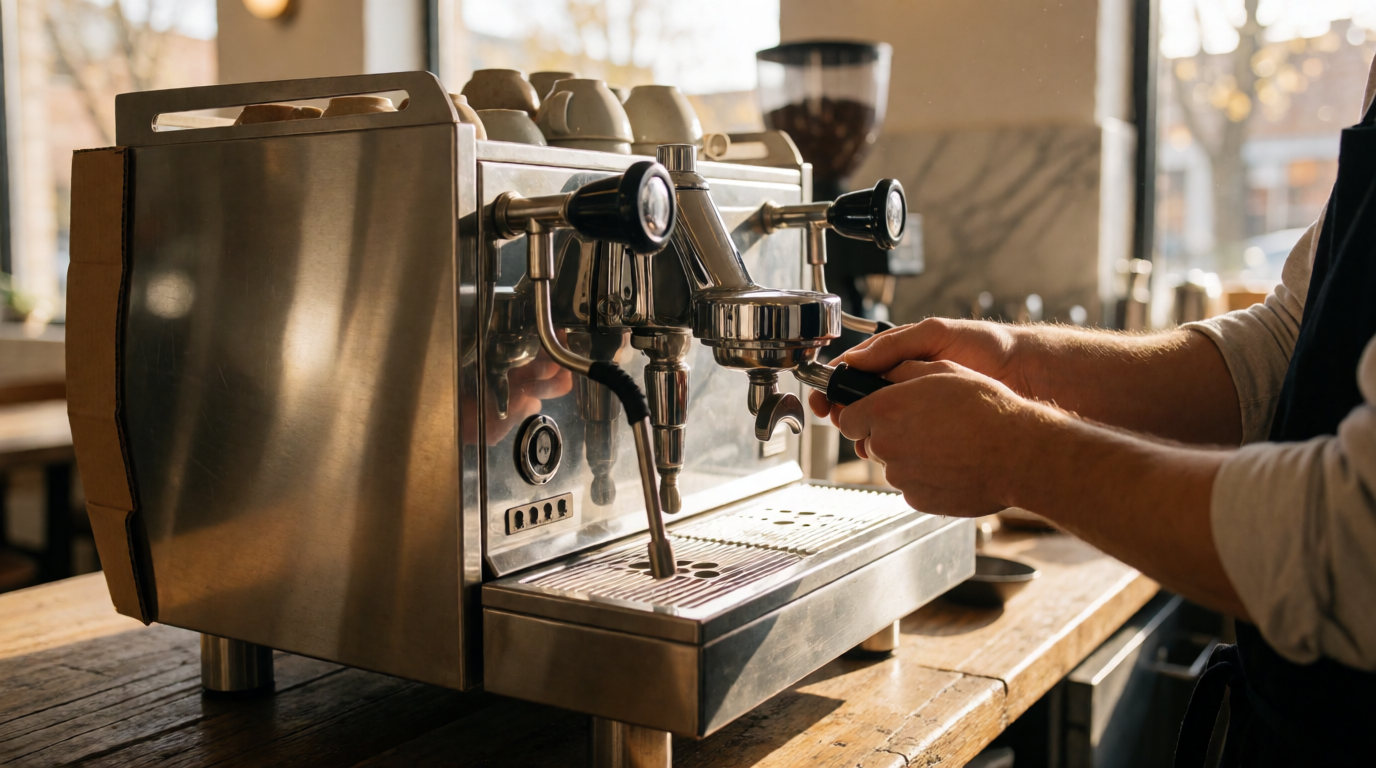
Aramark uses mass-market brands like Bunn or Fetco. Busy Bean Coffee uses premium SENSA machines with dual boilers, PID temperature control, and commercial-grade grinders. The difference in shot consistency and flavor is night and day.
What is the typical contract length with each provider?
Aramark often requires 3-5 year contracts with auto-renewal clauses. Busy Bean Coffee offers month-to-month or annual plans with no hidden penalties.
Conclusion
When you weigh Busy Bean Coffee vs Aramark coffee service, the choice depends on your priorities. If you value predictable costs, exceptional coffee quality, and a partner who treats your business as unique, Busy Bean Coffee is the clear winner. Aramark may have the scale, but Busy Bean Coffee has the focus and the model that matches what modern businesses need.
Ready to see the difference? Contact Busy Bean Coffee for a free consultation and tasting.
For more context on coffee service options, revisit our comprehensive guide on All-inclusive Coffee Service in Seattle WA: Complete Guide 2026 | Busy Bean Coffee.
Recommended Readings
To deepen your understanding of these topics, we recommend reading the following articles:
- Ultimate Guide to Cafe Equipment Supply for Businesses
- White-Glove Installation for Business Coffee Equipment
- Maintenance-Free Coffee Solutions for Busy Venues
- Essential Training for Commercial Cafe Equipment
About the Author
Travis Estes is the founder of Busy Bean Coffee, where he has helped over 300 hotels, restaurants, and offices switch to all-inclusive managed coffee service. With a background in specialty coffee and equipment engineering, he's passionate about making great coffee accessible without capital expense or hassle.
Free Coffee Pairing Guide & Specialty Roast Cheat Sheet
Unlock the secrets of perfect brewing ratios, water temperatures, and specialty roast profiles. Download the guide.