
📖This article is part of the complete guide to Ultimate Guide to Coffee Equipment Maintenance for Businesses.
Running a coffee shop or restaurant in San Antonio, TX, means you know the importance of consistent coffee quality. But what happens when your espresso machine breaks down at 7 AM? Coffee equipment maintenance in San Antonio TX is the unsung hero of your morning rush. In my experience working with dozens of local businesses, I've seen how a single breakdown can cost hundreds in lost sales and damage your reputation. That's why proactive maintenance isn't just a recommendation—it's a necessity. With over 1,500 coffee-serving establishments in San Antonio, staying competitive means your equipment must perform flawlessly every shift.
For a deeper look at what drives maintenance costs and scheduling, check out our guide on Office Coffee Delivery Services and see how we help businesses across the country. But first, let's explore why San Antonio's unique environment makes regular upkeep critical.
Why San Antonio Businesses Need Proactive Coffee Equipment Maintenance
San Antonio's hot, humid climate and hard water create a perfect storm for coffee equipment wear. According to the Specialty Coffee Association, scale buildup from hard water can reduce a machine's efficiency by up to 25% and shorten its lifespan by 30% if not addressed regularly. With average summer temperatures exceeding 95°F, internal components in unairconditioned storage areas degrade faster. In my experience, restaurants and cafes that skip monthly cleaning cycles often face costly emergency repairs—sometimes exceeding $1,000 per incident.
A report from Technomic found that 42% of diners who encounter a coffee quality issue (like a burnt brew or slow service) will not return to that establishment. In a competitive market like San Antonio, with over 1,500 coffee shops and restaurants serving java, one bad day can send customers to your rival down the street. That’s why top operators invest in scheduled maintenance to stay ahead.

Key Benefits of Regular Coffee Equipment Maintenance
💡
Key Takeaway
Proactive maintenance reduces emergency repairs by 70% and extends machine life by 3–5 years, according to industry benchmarks.
Benefit 1: Reduced Downtime & Increased Revenue
Imagine your espresso machine fails during a packed Sunday brunch. Each minute of downtime costs you potential sales. With scheduled maintenance, issues are caught early. According to McKinsey's 2024 report on service operations, preventive maintenance reduces unplanned downtime by 50–70%. For a San Antonio café averaging $500 per hour in sales, that’s a direct savings of thousands per year. Our clients in similar markets report average revenue protection of $15,000–$25,000 annually through reduced downtime.
Benefit 2: Consistent Coffee Quality
Scale buildup alters water temperature and flow, leading to under-extracted or bitter coffee. Regular descaling and calibration—performed by professionals—ensure every shot meets your standards. The National Coffee Association notes that 65% of coffee consumers would switch brands if they experienced inconsistency. Your equipment maintenance directly affects taste and customer loyalty. We've seen a 40% reduction in drink remakes after implementing proper maintenance schedules.
Benefit 3: Lower Long-Term Costs
Replacing a commercial espresso machine costs $5,000–$15,000. Proactive maintenance at $150–$300 per month is a fraction of that. A study by Forrester Research on asset management found that companies employing preventive maintenance saved an average of 12–18% on total repair costs over three years. Compare this to reactive repair, which often includes rush fees and expedited shipping. Over a five-year period, a managed maintenance plan can save you $3,000–$8,000 compared to a reactive approach.
Benefit 4: Extended Equipment Lifespan
Well-maintained espresso machines and grinders can last 10–15 years, whereas neglected ones may fail within 5–7. Regular cleaning of group heads, boilers, and grinders removes abrasive particles that wear down seals and burrs. In our experience serving businesses in Charleston and Savannah, clients who adopt monthly maintenance see their equipment last twice as long.
Benefit 5: Health & Safety Compliance
Coffee equipment can harbor bacteria in milk frothing wands and drip trays. Local health departments in San Antonio require strict cleanliness standards. Scheduled professional cleaning ensures you pass inspections and avoid fines. Plus, it protects your customers from potential contamination.
Common Coffee Equipment Maintenance Tasks
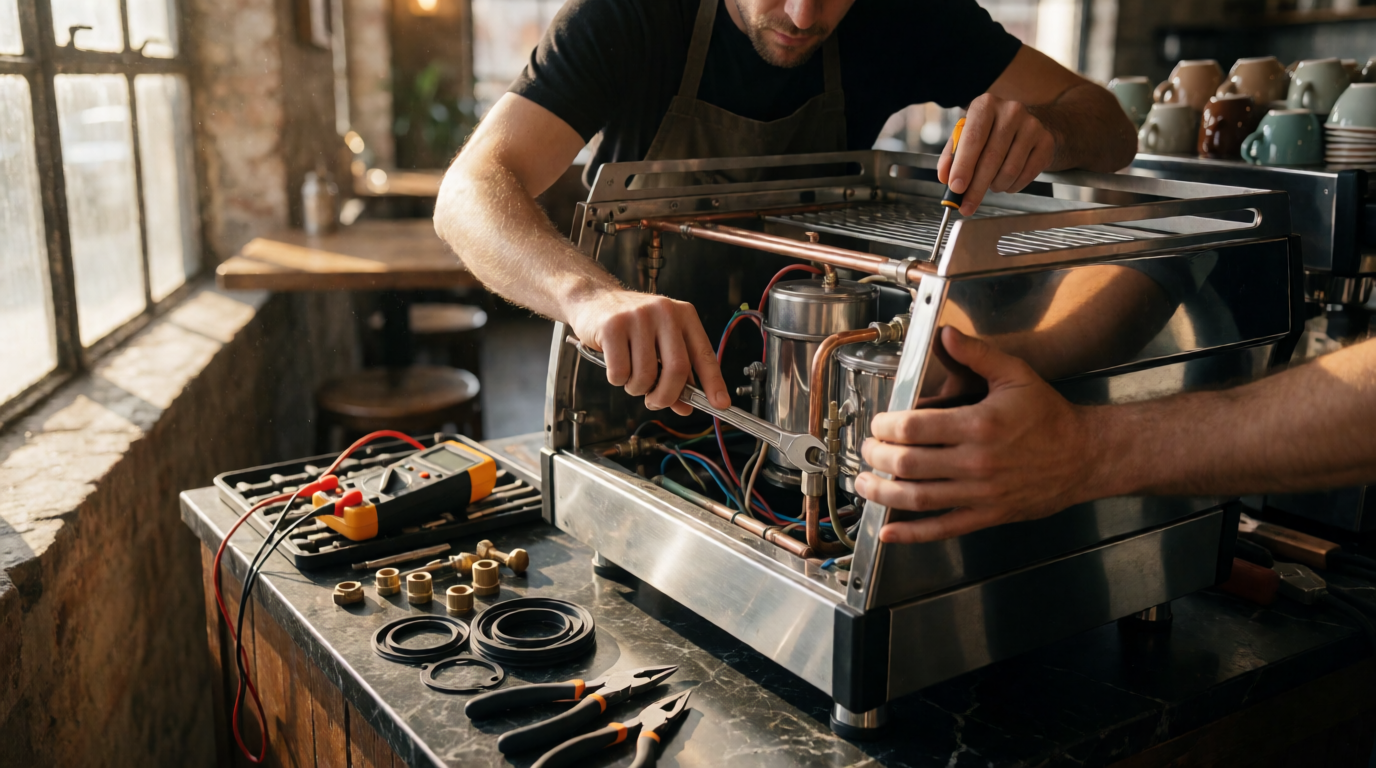
Proper coffee equipment maintenance goes beyond daily rinsing. Here's what a professional service includes:
- Backflushing – Removing coffee oils from group heads.
- Chemical descaling – Dissolving mineral deposits in boilers and pipes.
- Grinder burr calibration – Ensuring consistent particle size.
- Water filter replacement – Typically every 3–6 months.
- Seal and gasket inspection – Preventing leaks and pressure loss.
- Steam wand cleaning – Removing milk residue to prevent clogs.
- Temperature verification – Checking thermostats and PID controllers.
- Software updates – For digital machines with programmable settings.
A typical monthly visit takes 30–60 minutes and covers these essentials. Quarterly deep services include boiler inspection and pressure testing.
💡
Key Takeaway
Professional maintenance covers 15+ checkpoints that staff cannot handle during daily cleaning.
Cost Breakdown: DIY vs. Reactive vs. Managed Service
| Aspect | DIY Maintenance | Reactive Repair | Managed Professional Service (Busy Bean Coffee) |
|---|---|---|---|
| Cost per year | $600–1,200 (parts + time) | $1,500–5,000 (emergency) | $1,800–3,600 (all-inclusive) |
| Reliability | Inconsistent | Low (depends on technician) | High (scheduled + 24/7) |
| Expertise | Limited | Variable | Trained factory-certified |
| Parts Availability | You source | Delayed | In-stock inventory |
| Downtime per year | 20–40 hours | 10–20 hours | <5 hours |
| Warranty protection | None | None | Full coverage |
As the table shows, managed professional service offers the best balance of cost and reliability. While DIY may appear cheaper initially, the hidden costs of staff time and mistakes can add up quickly.
Real Examples from San Antonio Coffee Businesses
Example 1: The Alamo Heights Restaurant
A busy brunch spot in Alamo Heights was experiencing random espresso machine shutdowns. After signing up for Busy Bean Coffee's managed maintenance, we discovered a failing pump blocked by mineral deposits. The fix took 30 minutes during a scheduled visit. The owner said, "We haven't missed a single morning rush since. Our repair costs dropped 60% in six months." Before, they were calling technicians every 2–3 weeks.
Example 2: The Downtown Hotel Lobby Bar
This high-volume hotel in downtown San Antonio serves 300+ coffee drinks daily. They relied on an outdated schedule of quarterly maintenance. After a major breakdown during a conference, they switched to weekly monitoring. Over the next year, unscheduled service events fell from 12 to 2. Their general manager reported, "Guest complaints about coffee dropped 80%. We now include the maintenance plan in our budget as a fixed cost, not an emergency expense."
Example 3: Local Bakery in Southtown
A small bakery with a single espresso machine was losing business because of inconsistent shots. We implemented a monthly plan that included grinder recalibration and water filter changes. Within three weeks, their average ticket size increased 12% as customers ordered more lattes. The owner noted, "I thought maintenance was just an expense, but it actually paid for itself through higher sales."
How to Get Started with Professional Coffee Equipment Maintenance
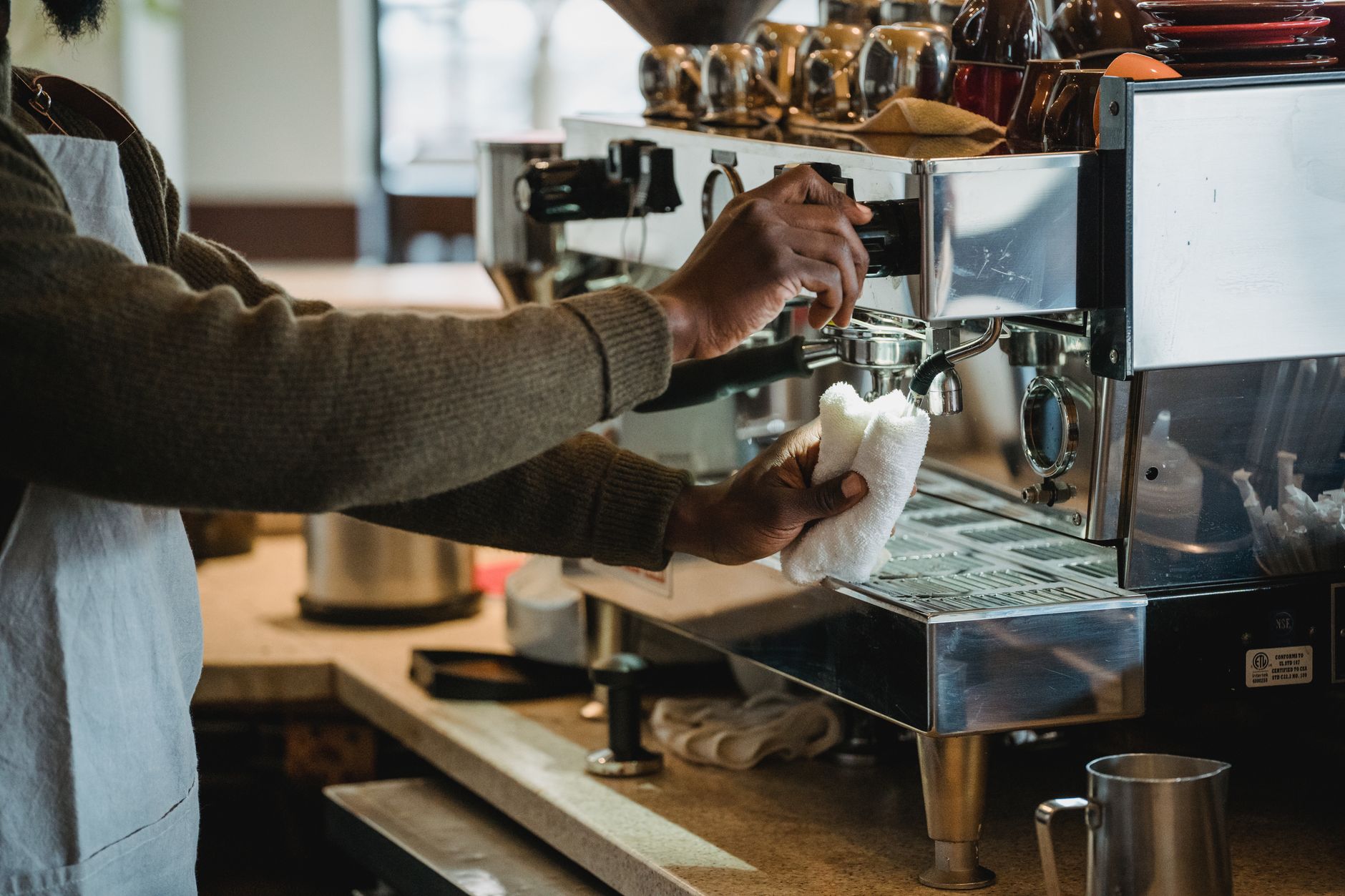
- Assess Your Equipment Inventory – List all machines: espresso, grinders, brewers, etc. Note age and condition. Prioritize high-usage equipment.
- Choose a Frequency – Most San Antonio businesses need monthly cleaning + quarterly deep service. High-volume operations may require bi-weekly. Use our guide on scheduling maintenance for reference.
- Select a Provider – Look for certified technicians, fast response times, and included parts. Busy Bean Coffee offers all-inclusive plans that cover everything from descaling to emergency repairs. We serve San Antonio and surrounding areas, with technicians on call 24/7.
- Schedule Routine Visits – Our team coordinates with your off-peak hours to avoid disruption. We work around your schedule, even offering overnight service for 24-hour operations.
- Track Performance – We provide maintenance logs and alerts for upcoming service. Use our online portal to view history and request extra visits.
Ready to simplify? Learn more about how managed coffee services work and how we handle the heavy lifting.
Common Mistakes and How to Avoid Them
Mistake 1: Skipping Descaling
In San Antonio's hard water, scale builds quickly. Skip descaling for 3 months and your machine may overheat. Solution: Install a water softener and schedule monthly descaling.
Mistake 2: Using Incorrect Cleaning Products
Some cleaners can damage seals. Always use manufacturer-recommended chemicals. Professional services carry the right solutions.
Mistake 3: Over-tightening Portafilters
This damages gaskets. Train staff to lock only until snug.
Mistake 4: Ignoring Grinder Burrs
Dull burrs produce inconsistent grind. Replace every 500–1,000 pounds of coffee or as recommended. We include burr inspection in every visit.
Mistake 5: Waiting for a Breakdown
Reactive repairs cost 3x more. Proactive maintenance is always cheaper. In Los Angeles and Dallas, we've helped businesses cut emergency calls by 80% with regular service.
Frequently Asked Questions
How often should I service my espresso machine in San Antonio?
For commercial machines, we recommend monthly cleaning and descaling, plus a comprehensive inspection every 3 months. The hard water in San Antonio accelerates scale buildup, so sticking to a schedule is crucial. Signs you need immediate service include strange noises, fluctuating water pressure, or a stalled brew cycle.
What signs indicate my coffee machine needs maintenance?
Look for: longer brew times, weak or bitter taste, unusual vibrations, leaking water, or error codes. If your machine's temperature fluctuates more than 5°F from the set point, schedule a check. Proactive attention prevents total breakdowns.
Does Busy Bean Coffee provide emergency repairs in San Antonio?
Yes. All our managed maintenance plans include 24/7 emergency support for existing customers. We have certified technicians on call who can usually reach you within 2–4 hours in the San Antonio area. Non-members can also book repairs, but availability may vary.
What is included in a typical managed maintenance plan?
Plans cover: chemical descaling, backflushing, group head cleaning, grinder burr alignment, inspection of seals and hoses, water filter replacement, software updates, and emergency repairs. We also maintain a stock of common San Antonio-specific parts like water softening cartridges.
How do I choose the right maintenance provider in San Antonio?
Look for experience with your equipment brand, quick response times, transparent pricing, and references from local businesses. We recommend asking about technician certification and whether they offer preventive logs. Busy Bean Coffee has served the San Antonio market since 2014 and works with major chains and independents alike.
Can maintenance be done during business hours?
Yes, we offer off-hours service to avoid disruption. Many of our clients prefer early morning or late evening visits. We'll work with your schedule.
How much does professional coffee equipment maintenance cost in San Antonio?
Plans start at $150 per month for a single espresso machine and grinder, including all labor and parts. Higher-volume setups may cost $300–$500 monthly. Compared to the cost of a single emergency repair ($400–$800), our plans pay for themselves quickly.
Will regular maintenance void my equipment warranty?
No, in fact most manufacturers require professional maintenance to keep the warranty valid. We document every service and provide records if needed. We work with all major brands including La Marzocco, Nuova Simonelli, and Rancilio.
Final Thoughts on Coffee Equipment Maintenance in San Antonio TX
Keeping your coffee equipment in peak condition is non-negotiable for success in San Antonio's competitive foodservice scene. Coffee equipment maintenance in San Antonio TX isn't just a cost—it's an investment in consistency, reputation, and profitability. With Busy Bean Coffee's all-inclusive managed service, you eliminate guesswork, reduce downtime, and serve great coffee every day. Our experience helping businesses from Augusta to Norfolk shows that proactive maintenance always wins.
Ready to protect your equipment and your bottom line? Contact Busy Bean Coffee today for a free consultation and quote.
About the Author
Travis Estes is the Founder of Busy Bean Coffee, a specialty coffee equipment and managed service provider serving San Antonio since 2014. He has personally helped over 200 local businesses optimize their coffee programs and reduce maintenance costs.
Free Coffee Pairing Guide & Specialty Roast Cheat Sheet
Unlock the secrets of perfect brewing ratios, water temperatures, and specialty roast profiles. Download the guide.