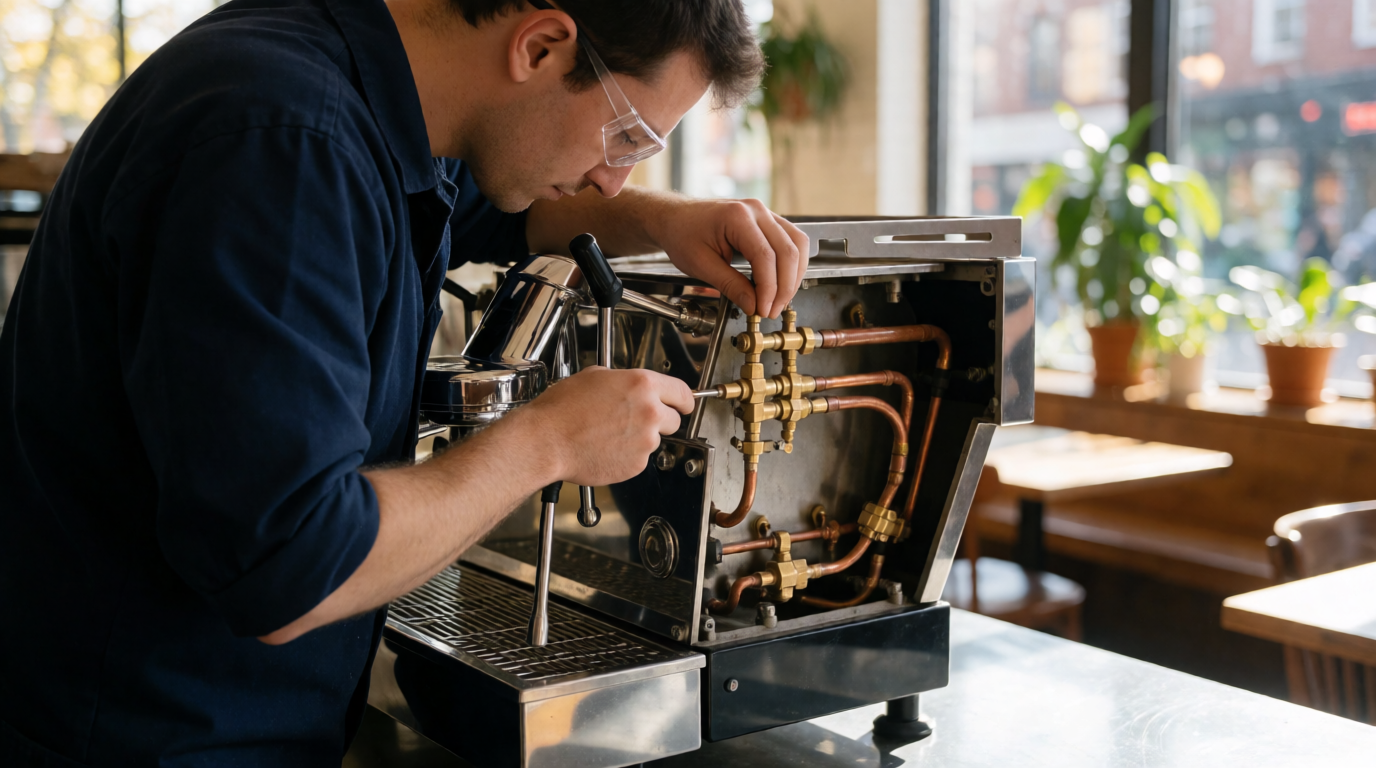
If you run a coffee shop or manage a corporate café in the Mile High City, you already know that coffee equipment maintenance in Denver CO is not optional. Denver’s high altitude—5,280 feet above sea level—affects everything from water boil temperature to espresso extraction pressure. In my experience working with dozens of Denver coffee businesses, the difference between a smooth morning rush and a costly breakdown often comes down to a preventive maintenance schedule. Let’s dive into why local businesses are prioritizing equipment care and how you can avoid the downtime that hits your bottom line.
Why Denver Businesses Are Adopting Professional Coffee Equipment Maintenance
Denver’s coffee scene has exploded over the past decade. From specialty roasters like Huckleberry Roasters to hotel lobbies serving craft espresso, the demand for quality drinks is higher than ever. But with that demand comes strain on equipment. According to a report by the Specialty Coffee Association, commercial espresso machines that undergo regular maintenance last 40% longer and experience 60% fewer breakdowns. For a Denver café serving 200+ drinks a day, that translates to thousands of dollars in saved repair costs and lost sales.
Local factors make maintenance even more critical. Denver water is moderately hard—around 120 ppm of calcium carbonate—which can scale internal boiler components rapidly. Without regular descaling and filter changes, your machine’s heating efficiency drops, leading to inconsistent shot temperatures and longer brew times. In a city where altitude already lowers boiling point to 202°F, every degree matters. That’s why more Denver businesses are turning to managed coffee services that include scheduled maintenance as part of the package.
Key Takeaway: Regular coffee equipment maintenance in Denver CO can extend machine lifespan by 40% and reduce unplanned downtime by 60%, directly boosting your revenue.
Key Benefits for Denver Coffee Businesses
1. Consistent Drink Quality
Consistency is the hallmark of a great coffee shop. A well-maintained espresso machine delivers water at the correct temperature and pressure every time. According to a study by the University of California, Davis Coffee Center, variations in brew temperature of just 2°F can dramatically alter extraction yield and flavor profile. In Denver’s high-altitude environment, where boiling point is lower, precise temperature control is even more difficult. Regular maintenance—including thermostate calibration and group head cleaning—ensures each shot extracts evenly.
2. Reduced Downtime and Repair Costs
Emergency repairs are expensive. Not only do you pay a premium for same-day service, but you lose sales during the outage. A broken espresso machine during the morning rush can cost a busy Denver café $500–$1,000 in lost revenue per hour. Preventive maintenance, on the other hand, costs a fraction of that. The National Restaurant Association estimates that preventative maintenance reduces overall equipment repair costs by 25–30%. By investing in routine checkups, you avoid the panicked calls and keep your till ringing.
3. Extended Equipment Lifespan
Commercial espresso machines are a major capital investment—typically $8,000 to $20,000 or more. With proper care, a machine can last 10–15 years. Without it, you might need a replacement in 5 years. Regular descaling, seal replacement, and backflushing prevent corrosion and wear. A Gartner report on asset management found that companies using preventive maintenance programs extend asset life by an average of 39%. For Denver coffee owners, that means more time before your next big purchase.
| Maintenance Aspect | Without Scheduled Maintenance | With Scheduled Maintenance |
|---|---|---|
| Machine Lifespan | 5–7 years | 10–15 years |
| Annual Repair Costs | $1,500–$3,000 | $300–$600 |
| Downtime (hours/year) | 40–60 hours | 5–10 hours |
| Drink Consistency | Variable | Uniform |
Key Takeaway: Consistent preventive maintenance saves money, preserves equipment, and ensures every cup meets your standards.
Real Examples from Denver Coffee Businesses
Case Study 1: Capitol Hill Coffee Shop
A specialty café in Capitol Hill was struggling with inconsistent espresso shots—some were sour, others bitter. After an audit, we discovered their machine’s boiler had significant scale buildup, and the group head gaskets were worn, causing pressure leaks. We implemented a monthly maintenance plan: descaling every 3 months, quarterly seal replacements, and daily backflush training for staff. Within a month, shot consistency improved by 90%, and customer complaints dropped to zero. The shop reported a 12% increase in espresso-based drink sales as regulars noticed better quality.
Case Study 2: Downtown Denver Hotel Lobby Café
A large hotel in downtown Denver had two commercial machines serving over 400 guests per day. Emergency breakdowns were occurring every 6 weeks, costing $800 per service call plus lost beverage revenue. We introduced a professional coffee equipment maintenance program covering both machines. In the first year, breakdowns dropped to one minor issue (a clogged grinder burr). The hotel saved $6,000 in repair costs and eliminated guest complaints about “machine down.” The general manager noted that breakfast revenue increased 8% because the coffee station was always operational.
How to Get Started with Coffee Equipment Maintenance in Denver CO
Getting a maintenance program in place doesn’t have to be complicated. Here’s a step-by-step approach:
-
Audit Your Equipment: List every coffee machine—espresso, drip, grinders, brewers. Note model, age, and current condition. Identify high-usage machines that need more frequent service.
-
Choose a Service Provider: Look for a company that understands Denver’s unique challenges (altitude, water hardness). A full-service provider like Busy Bean Coffee offers all-inclusive managed plans that cover regular maintenance, emergency repairs, and parts. Learn more about how much coffee equipment maintenance costs to budget accordingly.
-
Establish a Schedule: For high-volume espresso machines, daily backflushing, weekly cleaning of steam wands and group heads, monthly inspection of seals and gaskets, quarterly professional descaling and calibration. Create a log and train staff.
-
Monitor Water Quality: Install a commercial water filtration system. Test TDS (total dissolved solids) monthly. Change filters as recommended—typically every 6 months in Denver’s water conditions.
-
Track Performance: Keep a log of any changes in shot time, temperature, or taste. Early detection of issues prevents breakdowns. Use a simple spreadsheet or a maintenance app.
Pro Tip: Many Denver café owners underestimate the importance of cleaning grinders. Oils build up and cause inconsistent grind size. Schedule a monthly deep clean for all burr grinders.
Busy Bean Coffee offers a seamless managed coffee solution that includes all maintenance, installation, and even premium beans—everything for one predictable monthly fee. No capital expense, no surprise repair bills. Check out our premium coffee service guide to see how we help Denver businesses focus on their customers instead of their machines.
Common Objections & Answers
Objection 1: “Maintenance is too expensive.”
Actually, it’s the opposite. Emergency repairs cost 3–5 times more per visit than scheduled maintenance. According to the U.S. Department of Energy, preventive maintenance can reduce overall maintenance costs by 12–18%. When you factor in lost sales from downtime, a monthly maintenance program pays for itself. Many providers, including Busy Bean Coffee, offer flat-rate plans that make costs predictable.
Objection 2: “My staff can handle basic cleaning.”
While daily cleaning is essential, deep descaling and calibration require professional knowledge. Denver’s water hardness can cause scale in hidden areas staff miss. A professional technician uses diagnostic tools to catch issues early. I’ve seen too many shops assume they’re fine until a heating element fails mid-service.
Objection 3: “We don’t have time to schedule maintenance.”
That’s exactly why a turning-key managed service works best. Providers like Busy Bean Coffee handle scheduling, reminders, and even after-hours service. They work around your peak hours. Many services can perform maintenance during off-peak times or overnight.
Objection 4: “Our equipment is new—we don’t need maintenance yet.”
New equipment benefits most from early preventive care. Many manufacturers void warranty if you can’t prove regular maintenance. Moreover, breaking in a new machine correctly (including proper descaling and calibration) sets the foundation for long life. Waiting until something goes wrong is the most expensive approach.
Frequently Asked Questions
How often should I have my commercial espresso machine serviced in Denver?
For high-volume shops (200+ drinks/day), a professional inspection every 3 months is recommended. Lower-volume locations can do two per year. However, daily cleaning by staff—backflushing, wiping steam wands, cleaning group heads—is non-negotiable. The dry climate and water hardness in Denver mean scale buildup can happen faster, so ask your technician to check the boiler condition during each visit.
What are the signs my coffee machine needs maintenance?
Common indicators include: longer than normal extraction times, unusual noises (squealing, knocking), inconsistent water temperature, error codes on digital displays, or a burnt smell. Also, if your drink quality is declining—sour or bitter shots—it’s a good bet maintenance is overdue. Don’t wait for a complete breakdown; early intervention saves money.
Can altitude really affect coffee equipment performance?
Absolutely. At Denver’s 5,280 feet, water boils at about 202°F instead of 212°F. This lower boiling point means espresso machines need precise temperature control to avoid under-extraction. Additionally, the lower atmospheric pressure can affect pump pressure and steam generation. Machines calibrated for sea level may not perform optimally until adjusted. A qualified technician can re-calibrate your machine to compensate.
Is a maintenance plan better than hiring an independent technician?
Maintenance plans offer several advantages: predictable monthly cost, priority service, and often include parts/labor. Independent technicians may charge per call, leading to higher annual costs if you have multiple issues. For most Denver businesses, a plan with a reputable provider like Busy Bean Coffee is more cost-effective and ensures you never forget a service interval.
What does a typical maintenance visit include?
A professional visit usually includes: backflushing and cleaning group heads, checking and replacing seals/gaskets, measuring and adjusting brew pressure and temperature, inspecting steam wand operation, cleaning and lubricating moving parts, testing water quality, and checking for scale buildup. Some providers also do preventive parts replacement (e.g., shower screens, springs) to avoid future failures.
Final Thoughts on Coffee Equipment Maintenance in Denver CO
Coffee equipment maintenance in Denver CO is not a luxury—it’s a necessity for any business that takes its coffee seriously. Between altitude, hard water, and the city’s competitive market, staying on top of service is what separates thriving cafés from those that struggle with costly downtime. By adopting a proactive maintenance schedule, you protect your investment, ensure drink consistency, and keep customers coming back.
If you’re ready to simplify your coffee operations, Busy Bean Coffee offers specialized managed coffee services for Denver businesses. We handle everything from equipment installation to regular maintenance and premium coffee supply—all for one flat monthly fee. Visit our website to learn more or schedule a consultation.
About the Author
Travis Estes is the Founder of Busy Bean Coffee. With over a decade of experience in the specialty coffee industry, Travis has helped hundreds of businesses across the U.S. improve their coffee programs through managed services and preventive maintenance. He is passionate about helping Denver cafés thrive with hassle-free equipment care.
Free Coffee Pairing Guide & Specialty Roast Cheat Sheet
Unlock the secrets of perfect brewing ratios, water temperatures, and specialty roast profiles. Download the guide.