📖This article is part of the complete guide to Bean to Cup Coffee Machines.
I once walked into a corporate office in Mount Pleasant and saw a row of five pod machines. On the surface, it looked efficient. But then I looked at the trash can; it was overflowing with plastic capsules, and the 'premium' coffee tasted like burnt cardboard. The company was spending thousands per year on proprietary pods, essentially paying a massive premium for the convenience of not having to pour beans into a hopper. This is the classic dilemma for modern businesses in 2026: the perceived ease of pods versus the superior quality and long-term value of fresh beans.
For a comprehensive overview of the technology, explore our guide on bean to cup coffee machines.
What Exactly Are Bean to Cup vs Pod Coffee Machines for Offices?
📚
Definition
A Bean to Cup machine is an all-in-one system that grinds whole coffee beans, tamps them, and extracts espresso in a single automated process. A Pod machine uses pre-measured, sealed capsules of ground coffee that are punctured by the machine to produce a drink.
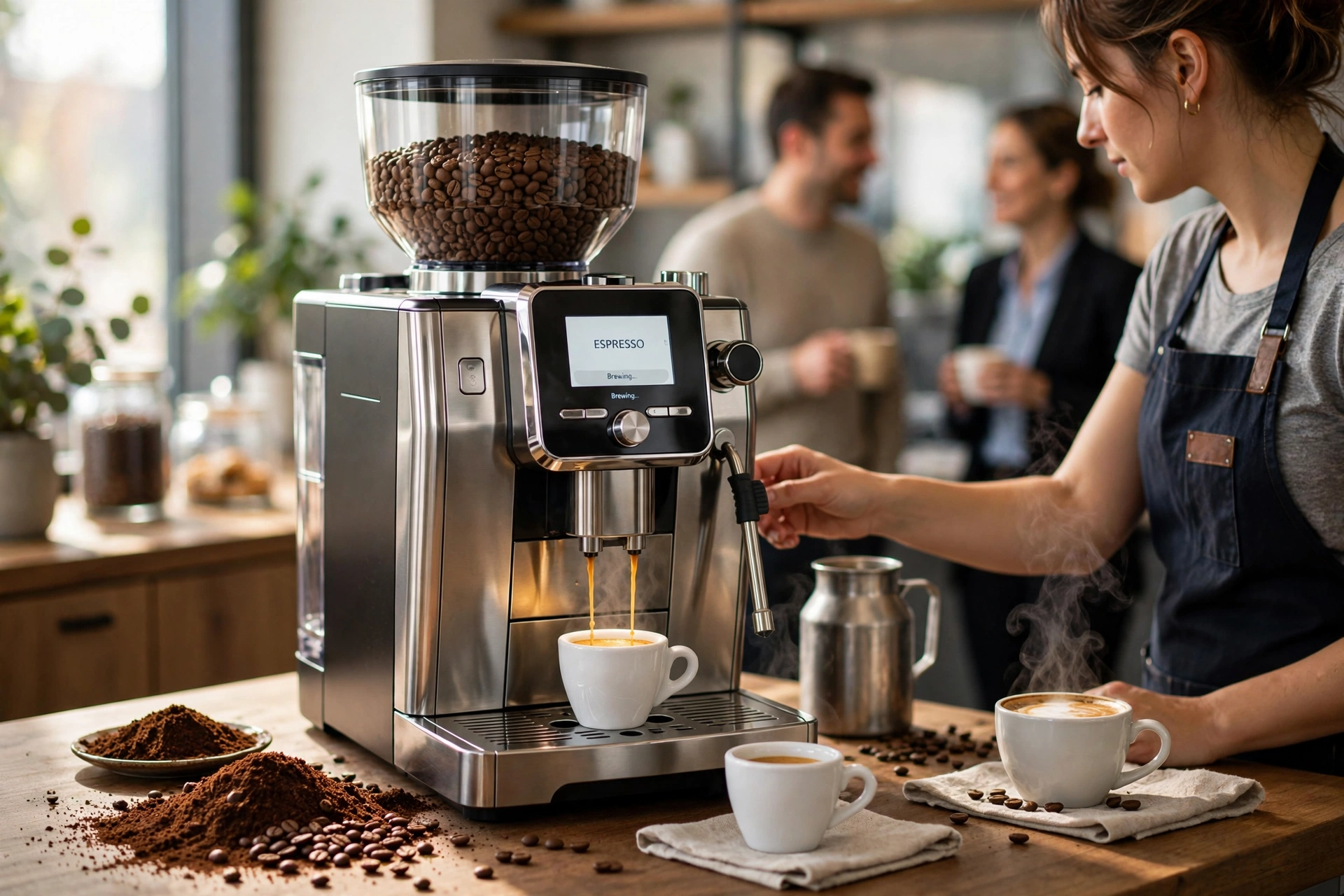
When we talk about bean to cup vs pod coffee machines for offices, we are really talking about the trade-off between ultimate convenience and professional quality. A bean to cup system mimics the work of a professional barista by handling the most critical variable in coffee: the freshness of the grind. Because the coffee beans are ground seconds before the water hits them, the volatile aromatic compounds of the Coffea arabica remain intact, resulting in a rich, full-bodied espresso.
Pod machines, conversely, rely on pre-ground coffee that has been sealed in plastic or aluminum. While this ensures consistency, it removes the ability to customize the grind size or the bean origin. In my experience working with high-growth firms, those who start with pods often find themselves frustrated within six months because the coffee doesn't match the 'cafe experience' employees now expect in a modern office environment. The convenience of a pod is high, but the ceiling for quality is very low.

Why Does the Choice Between Beans and Pods Matter for Your Business?
The decision between bean to cup vs pod coffee machines for offices isn't just about taste; it is a financial and ethical decision. In 2026, corporate social responsibility (CSR) is no longer optional. The environmental impact of thousands of single-use plastic pods is a significant liability for any company aiming for a sustainable footprint. According to the Specialty Coffee Association (SCA), the movement toward sustainability in the coffee industry emphasizes waste reduction and ethical sourcing, both of which are far easier to manage with bulk whole beans than with proprietary capsules.
From a financial perspective, the cost per cup is the most staggering difference. Pods are designed as a 'razor-and-blade' business model. The machine is often affordable, but the recurring cost of the pods is exorbitant. When you analyze the cost of a high-quality coffee bean per gram, the bean to cup method is significantly cheaper over a 12-month period. I've analyzed dozens of our clients' spreadsheets, and the data is clear: once you cross a threshold of 15-20 employees, pods become a financial drain.
Furthermore, the impact on employee morale is underestimated. Coffee is the social glue of the office. A high-quality espresso machine becomes a destination—a place where colleagues collaborate and take a mental break. A pod machine is a utility; a bean to cup machine is an amenity. By providing specialty coffee, you are signaling to your team that quality and their well-being matter. This is especially true for businesses in competitive hubs like Mount Pleasant, SC, where the local coffee culture is highly sophisticated.
How to Choose the Right System for Your Specific Workspace
Choosing between these two depends on your volume, your staff's taste preferences, and your budget for maintenance. If you have a small team of three people who only drink coffee once a day, a pod machine might suffice. However, for any professional environment looking to scale, the bean to cup approach is the strategic choice.
To implement a bean to cup system, you first need to assess your daily cup volume. If you're serving 50+ cups a day, you need a commercial-grade machine with a large hopper and a high-capacity brewing unit. You can find more details on this in our Bean to Cup Coffee Machine Buying Guide for Businesses.
Step-by-step implementation for a bean to cup setup:
- Volume Analysis: Calculate the average number of drinks per hour during peak times (usually 8:00 AM to 10:00 AM). This determines if you need a single or double boiler system.
- Bean Selection: Partner with a roaster that provides fresh Arabica coffee. The quality of the output is 70% dependent on the bean and 30% on the machine.
- Water Filtration: Install a professional filtration system. According to NSF International, water quality is paramount for equipment longevity and taste; hard water will destroy a bean to cup machine's internal valves within months.
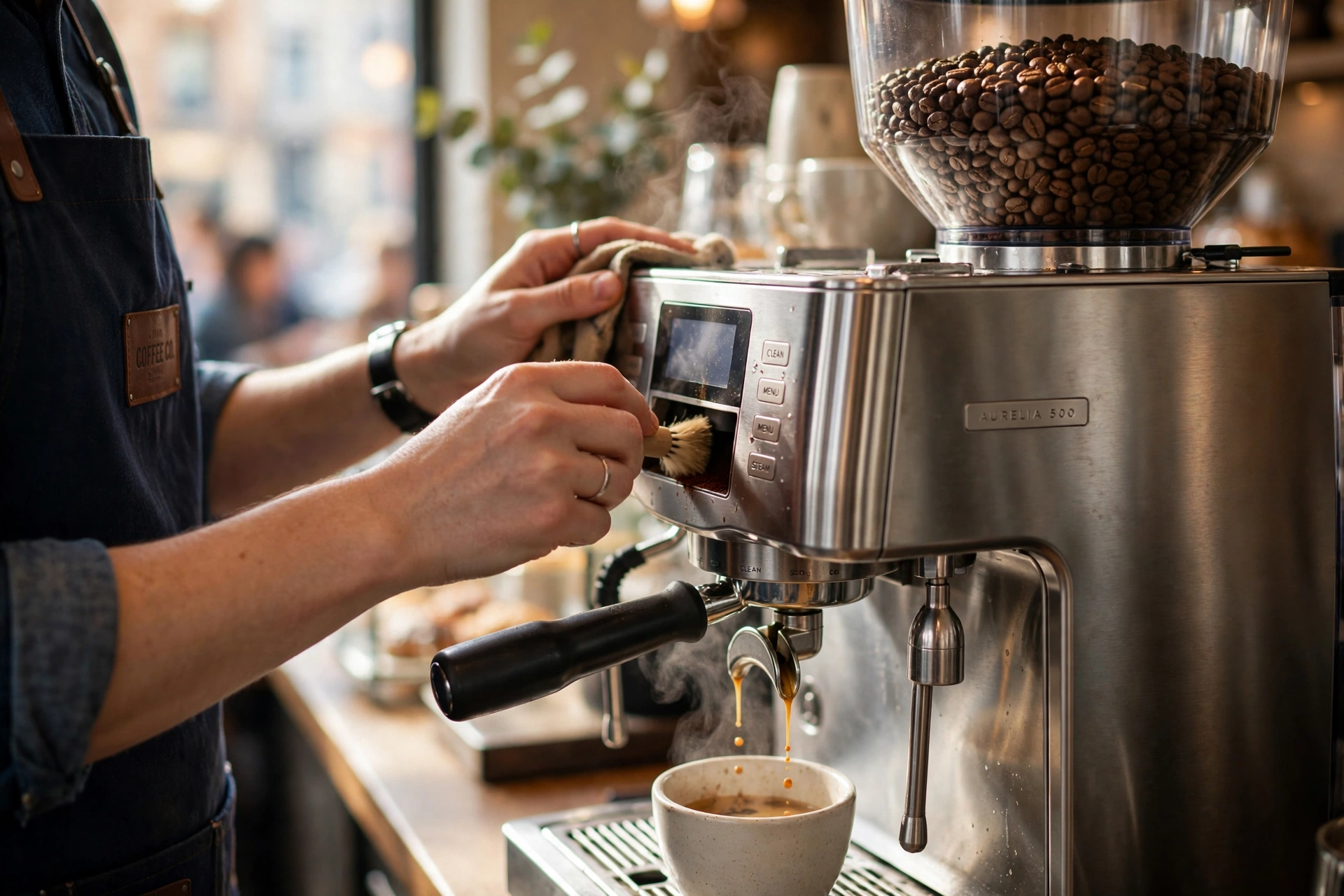
- Maintenance Schedule: Establish a daily cleaning routine and a weekly deep-clean. If you're unsure how to handle this, check our Bean to Cup Coffee Machine Maintenance Guide.
At Busy Bean Coffee, we simplify this by offering managed memberships. Instead of worrying about the technicalities of filtration and descaling, our members get a predictable monthly fee that covers the equipment, the premium roasts, and the professional installation. It removes the 'friction' of moving from pods to beans.
The Hidden Costs: Pods vs. Beans Comparison
Many businesses make the mistake of only looking at the initial purchase price. This is a critical error. You must look at the Total Cost of Ownership (TCO) over three years.
| Feature | Traditional Pod Approach | Generic/Cheap AI Pod Machines | Busy Bean Modern Approach |
|---|---|---|---|
| Cost Per Cup | Very High (Paid per pod) | Medium (Cheaper pods) | Low (Bulk specialty beans) |
| Taste Quality | Consistent but flat | Variable/Often bitter | Barista-level espresso |
| Waste | High (Plastic/Aluminum) | High (Plastic/Aluminum) | Low (Compostable grounds) |
| Maintenance | Low effort, high cost | High failure rate | Professional managed care |
| Customization | None (Fixed pod flavors) | Limited | Full control over roast/strength |
As shown above, the 'Generic AI' or cheap pod approach often leads to a cycle of replacing broken machines and consuming mediocre coffee. The Busy Bean approach treats coffee as a managed service, ensuring that the hardware is always peak-performing and the beans are always fresh.
Common Mistakes to Avoid When Upgrading Your Office Coffee
One of the most frequent mistakes I see is buying a 'home' bean to cup machine for an office environment. Home machines are designed for 2-4 cups a day. In a business setting, they overheat, the pumps fail, and the warranty is often voided because they were used in a commercial capacity. Always ensure your equipment is rated for commercial use. If you are unsure which brands hold up under pressure, refer to our Top Bean to Cup Coffee Machine Brands Reviewed.
Another error is neglecting the 'human' element of the machine. A bean to cup machine requires a human to refill the beans and empty the dreg drawer. If you don't assign a 'coffee champion' or use a managed service, the machine will eventually be abandoned because it's 'too much work' compared to pods. This is why we emphasize the importance of a streamlined coffee service. For those in specific regions, we offer tailored solutions like our White Glove Coffee Service in Los Angeles CA, which handles the heavy lifting for the client.
Finally, don't ignore the bean quality. Putting low-grade, oily beans into a precision bean to cup machine will clog the grinder and ruin the taste. Stick to specialty coffee that has been roasted specifically for espresso. This ensures a balanced extraction and prevents the machine from malfunctioning due to excessive oil buildup.
Frequently Asked Questions
Are pod machines actually faster than bean to cup machines?
In a vacuum, inserting a pod is slightly faster than the machine grinding beans. However, when you consider the total experience, a high-end bean to cup machine is nearly identical in speed. Modern commercial machines grind and brew in under 60 seconds. The 'time saved' by using a pod is negligible compared to the massive loss in quality and the increased environmental waste. For a business, the slight speed advantage of a pod does not justify the cost per cup.
How do I handle the mess of coffee beans in a professional office?
This is a common concern, but the 'mess' is minimal compared to the waste generated by pods. Most professional bean to cup machines have sealed hoppers and internal grinders that contain the chaff. The only real 'mess' is the used coffee pucks, which are biodegradable and can be composted. By using a managed service, you can ensure the machine is kept clean, and the process of refilling beans becomes a simple, 30-second task once a day.
Can I use third-party pods to save money in a pod machine?
While some pod machines allow third-party capsules, many brands use proprietary locking mechanisms to force you into their ecosystem. Even when third-party pods work, the quality is often inconsistent, and they can occasionally jam the machine, leading to expensive repairs. This reinforces why the bean to cup model is superior; you are never locked into a specific brand of plastic capsule, and you have total freedom to source the best beans available.
Which system is better for a small team of 5-10 people?
Even for small teams, bean to cup is generally the better investment if the team values quality. For very small offices, you can opt for a compact professional machine. Check our guide on Best Office Espresso Machines for Small Teams in 2026 to see how to balance footprint with performance. The cost savings on beans versus pods will often pay for the machine's price difference within the first year of operation.
Do bean to cup machines require more electricity than pod machines?
Commercial bean to cup machines do use more power because they have more robust heating elements to maintain precise temperature stability. However, when compared to the total energy cost of manufacturing, transporting, and disposing of millions of plastic pods globally, the bean to cup system is significantly more energy-efficient from a lifecycle perspective. The National Coffee Association USA (NCA) highlights the shift toward sustainable consumption, and reducing pod waste is a primary driver in this trend.
Conclusion
When weighing bean to cup vs pod coffee machines for offices, the choice comes down to whether you prioritize a short-term convenience or long-term value and quality. Pods offer a quick fix, but they come with high recurring costs, environmental guilt, and a mediocre taste profile. Bean to cup systems, while requiring a slightly higher initial consideration, provide a superior beverage, a lower cost per cup, and a positive impact on your office culture.
In my years of providing coffee solutions, I've seen that the companies that invest in their coffee experience generally have more engaged employees and a more professional image for visiting clients. Don't settle for plastic capsules when you can provide a true café experience in your own breakroom. For those who want the best of both worlds—premium quality without the maintenance headache—our managed membership is the perfect path forward.
To start your transition to a better brewing experience, dive into our full guide on bean to cup coffee machines and see how Busy Bean Coffee can transform your workspace.
Visit www.busybeancoffee.com to explore our all-inclusive managed coffee memberships today.
Free Coffee Pairing Guide & Specialty Roast Cheat Sheet
Unlock the secrets of perfect brewing ratios, water temperatures, and specialty roast profiles. Download the guide.