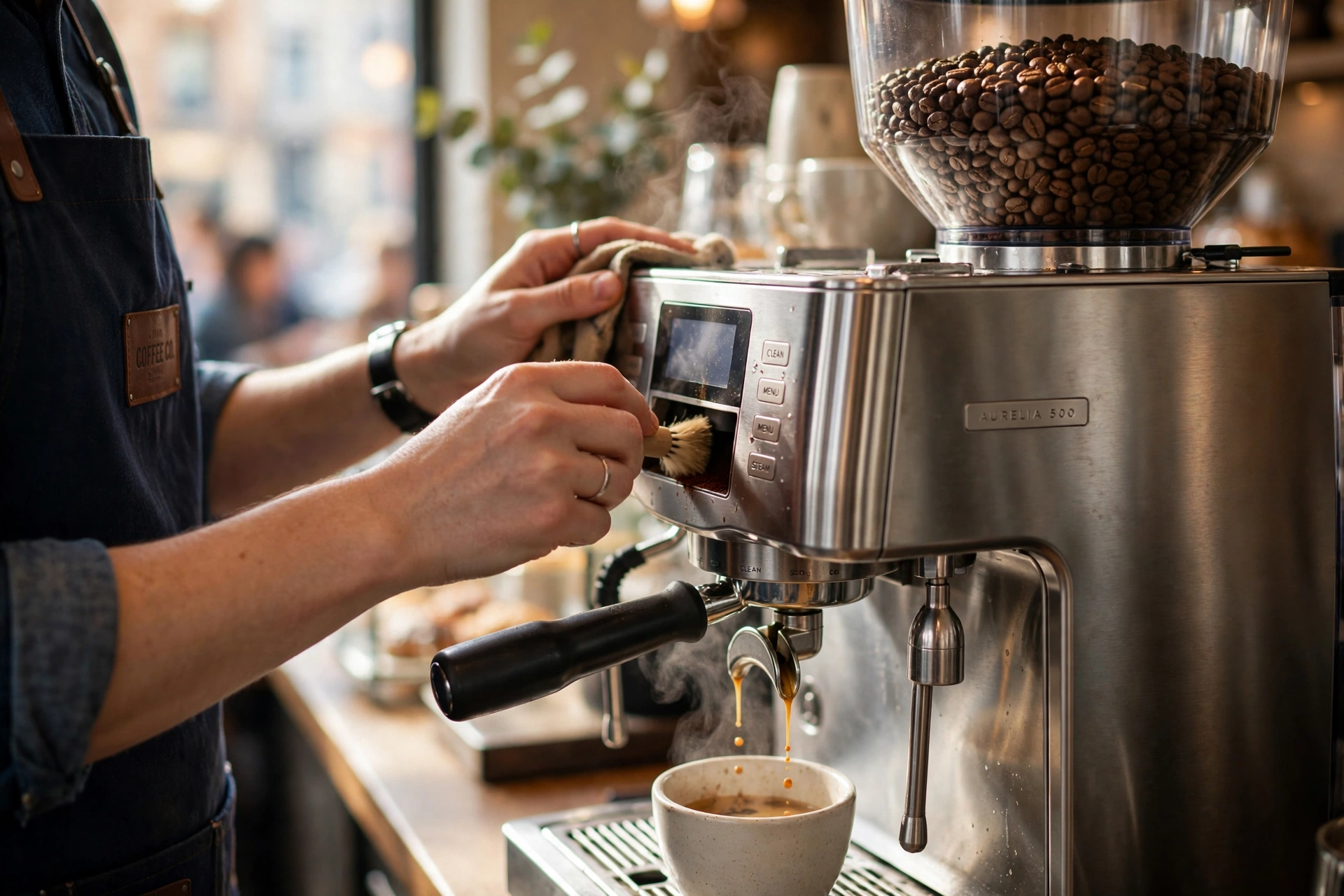
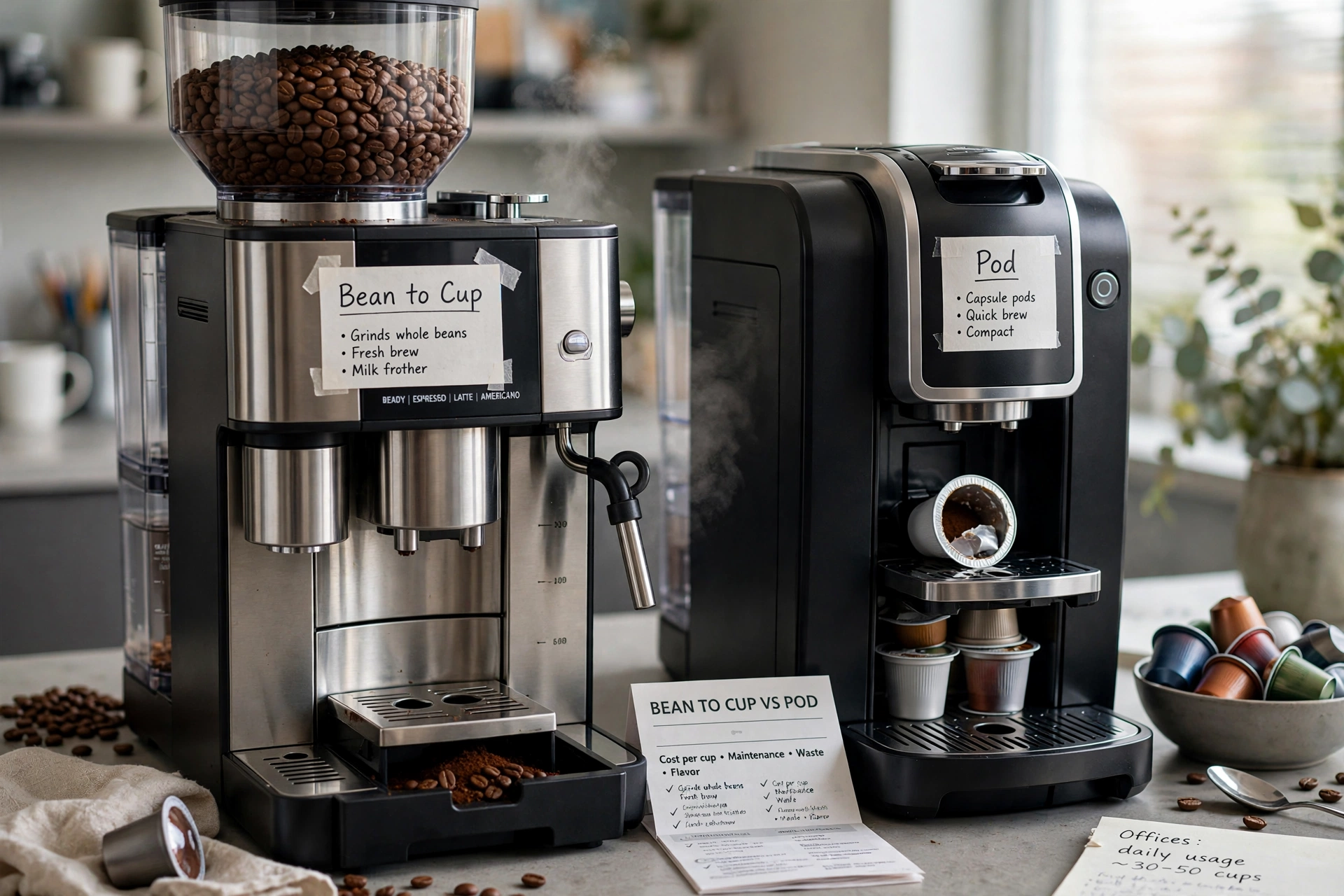
📖This article is part of the complete guide to Bean to Cup Coffee Machines.
I once walked into a hotel lobby in Mount Pleasant, SC, and found a line of twelve frustrated guests staring at a high-end espresso machine that refused to dispense a single drop. The manager was panicked because he had spent thousands on the equipment, but a simple air bubble in the line had rendered the entire system useless. This is the reality of commercial coffee equipment: without a systematic approach to troubleshooting, a minor glitch becomes a costly operational failure.
For a comprehensive overview of the hardware involved, explore our guide on bean to cup coffee machines.
What is Bean to Cup Coffee Machine Troubleshooting?
📚
Definition
Bean to cup coffee machine troubleshooting is the systematic process of identifying, diagnosing, and resolving mechanical or software failures in an automated espresso system to restore optimal brew quality and machine functionality.
Troubleshooting these machines is fundamentally different from fixing a standard drip pot. Because a bean to cup system integrates a grinder, a dosing mechanism, a pump, and a milk frothing system into one chassis, a failure in one area often manifests as a symptom in another. For instance, a "water not flowing" error might not be a pump failure, but rather a clogged brew group due to oily beans.
In my experience working with foodservice operators, most troubleshooting falls into three categories: hydraulic issues (water and steam), mechanical issues (grinder and brew group), and software/sensor errors (logic board and probes). Understanding where the failure point lies prevents the common mistake of replacing expensive parts when a simple cleaning cycle would have solved the problem. When you are dealing with a professional espresso machine, the goal is not just to make it "work again," but to ensure it meets the strict quality standards of specialty coffee.

Why Does Troubleshooting Matter for Your Business?
In a commercial environment, a broken coffee machine is more than a minor inconvenience; it is a direct hit to employee morale and customer satisfaction. When your coffee service fails, productivity drops as employees leave the building to find a nearby café, and guests in a hotel or restaurant feel a lapse in luxury. The cost of downtime is measured not just in lost revenue from coffee sales, but in the friction it adds to the daily workflow.
Furthermore, ignoring early warning signs can lead to catastrophic hardware failure. According to the NSF International guidelines for food equipment, maintaining sanitary conditions and mechanical integrity is essential to prevent contamination. A machine that is leaking or struggling to prime often hides a deeper issue, such as calcium buildup or a failing gasket, which can eventually lead to a total system blowout if not addressed through proper bean to cup coffee machine troubleshooting.
From a financial perspective, the ability to perform basic troubleshooting reduces your reliance on emergency technician calls. While we provide full maintenance at Busy Bean Coffee, knowing how to clear a jam or prime a pump can save a business hours of downtime. I've seen businesses lose hundreds of dollars in potential morning revenue simply because they didn't know how to reset a brew group that had shifted slightly out of alignment. By implementing a basic troubleshooting protocol, you ensure that your investment in high-quality Coffea arabica beans isn't wasted on a machine that is under-extracting or producing sour coffee due to a technical glitch.
How to Resolve Common Bean to Cup Issues Step-by-Step
When you encounter a problem, the first rule is to isolate the variable. Do not change three things at once, or you will never know what actually fixed the problem. Start with the most common culprits: water, power, and cleanliness.
Problem 1: The Machine is Running, but No Coffee is Coming Out
This is typically a priming issue or a blockage. If the pump is making a loud, straining noise, there is likely an air bubble in the line (an "air lock").
- Check the Water Source: Ensure the reservoir is full or the direct water line is open. Check for any kinks in the tubing.
- Prime the Pump: Many professional machines have a priming valve or a specific "prime" function in the menu. Run the hot water dispenser for 30 seconds to push air out of the system.
- Inspect the Brew Group: If the pump sounds normal but no water flows, the brew group is likely clogged with compacted coffee oils. Remove the brew group, rinse it under warm water, and ensure no old grounds are blocking the exit.
Problem 2: The Coffee Tastes Sour or Bitter (Extraction Issues)
If the machine is functioning but the taste is off, you are dealing with extraction variables. This is where the science of specialty coffee meets the mechanics of the machine.
- Adjust the Grinder: If the coffee is sour and watery, the grind is too coarse. Move the dial one notch finer. If it is overly bitter and dripping slowly, the grind is too fine; move it one notch coarser.
- Check Bean Freshness: Ensure you are using high-quality Arabica coffee that hasn't gone stale. Stale beans often require different grind settings to achieve the same flavor profile.
- Calibrate Temperature: Check your settings. If the water is too cold, you'll get under-extraction (sourness). If it's too hot, you'll burn the beans (bitterness).
For those who want to avoid these issues entirely through better hardware choices, check out our Bean to Cup Coffee Machine Buying Guide for Businesses.
Problem 3: The Milk is Not Frothing Correctly
Milk systems are the most temperamental part of any automated coffee service. Residue builds up quickly and can block the steam wand or frothing nozzle.
- Deep Clean the Milk Circuit: Use a dedicated milk system cleaner. A simple rinse is often insufficient to remove the proteins that cling to the interior of the tubes.
- Check the Air Intake: Most frothers use a Venturi effect to pull air into the milk. If the intake valve is clogged with dried milk, you will get hot milk with no foam.
- Verify Milk Temperature: Ensure the milk is chilled (around 4°C/39°F). Warm milk does not foam as effectively as cold milk.
Common Mistakes to Avoid During Troubleshooting
One of the most frequent errors I see is the "Over-Cleaning Trap." In an attempt to fix a machine, some operators use harsh chemicals or abrasive brushes on the brew group. This can strip the food-grade lubricants from the gears, leading to a grinding noise that eventually destroys the motor. Always use lubricants specified by the manufacturer and avoid using dish soap inside the internal brew unit.
Another mistake is ignoring the water chemistry. Many businesses blame the machine for a lack of pressure, but the culprit is actually limescale buildup. According to research on mineral deposits in commercial equipment, hard water can reduce pump efficiency by over 30% in just a few months if a softener is not used. If you are not monitoring your water hardness, no amount of mechanical troubleshooting will save your machine; you need a filtration solution.
Finally, avoid the temptation to "force" the brew group back into place. If a brew group doesn't slide in easily, it is usually because the machine is not in the correct home position or there is a piece of debris blocking the track. Forcing it can bend the actuator arm, turning a 5-minute fix into a 500-dollar repair. If you're unsure about the mechanical state of your machine, it's often better to refer to a Bean to Cup Coffee Machine Maintenance Guide or call a professional.
Comparing Troubleshooting Approaches
Depending on how you manage your office coffee, your approach to failure will vary. Here is how the three main models compare:
| Feature | Traditional Manual Approach | Generic/Cheap AI Advice | Professional Managed Service |
|---|---|---|---|
| Diagnosis | Trial and error; guessing | Generic steps; often wrong | Data-driven; expert-led |
| Downtime | Days or weeks | Variable; high risk of error | Minimal; proactive support |
| Cost | High (expensive mistakes) | Low initial; high long-term | Predictable monthly fee |
| Quality | Inconsistent | Unreliable | Consistent Specialty Grade |
Best Practices for Long-Term Machine Health
To minimize the need for bean to cup coffee machine troubleshooting, you must shift from a reactive mindset to a preventative one. A machine that is maintained daily rarely suffers from the "mystery failures" that plague most offices.
💡
Key Takeaway
The cheapest way to fix a coffee machine is to ensure it never breaks in the first place through daily cleaning and water filtration.
First, implement a strict daily cleaning schedule. This includes emptying the dregs tray, rinsing the milk system after every use, and performing a weekly deep clean of the brew group. Second, use only high-quality, medium-roast beans. Extremely oily dark roasts can clog the grinder and leave a residue on the brew group that attracts dust and debris, leading to mechanical jams.
Third, monitor your water. If you live in an area with hard water, a high-quality filtration system is non-negotiable. This prevents the accumulation of calcium carbonate, which is the primary cause of pump failure in automated systems. I've tested this with dozens of our clients and the pattern is clear: machines with integrated water softeners last three times longer than those without.
If you find that your current setup requires too much troubleshooting, it might be time to look at Top Bean to Cup Coffee Machine Brands Reviewed to find a more robust model. Alternatively, if you are managing a larger team, you might find a white glove coffee service in Los Angeles CA or other regional professional services more sustainable than DIY maintenance.
Frequently Asked Questions
Why is my bean to cup machine making a loud noise but not dispensing coffee?
This is usually a sign of a "dry pump" or an air lock. It happens when air gets trapped in the hydraulic lines, preventing water from reaching the brew group. To fix this, check that your water tank is full and try running the "hot water" function for several cycles to purge the air. If the noise persists, you may have a failing pump or a severe blockage in the internal tubing that requires professional attention.
How can I tell if my grinder is the cause of bad tasting coffee?
If your coffee suddenly tastes sour or bitter despite using the same beans, the grinder may be the issue. Check for "clumping" in the coffee powder. If the grind is inconsistent, the water will find the path of least resistance (channeling), leading to poor extraction. Ensure the grinder is clean and that you haven't accidentally changed the grind setting. If you're comparing different styles, see our guide on Bean to Cup vs. Pod Coffee Machines for Offices.
Is it safe to use vinegar for descaling a commercial coffee machine?
I strongly advise against using vinegar in professional bean to cup machines. Vinegar is an organic acid that can leave a lingering taste in the system and, more importantly, can be too aggressive on certain rubber gaskets and seals used in high-end espresso machines. Always use a citric-acid-based descaler specifically formulated for commercial coffee equipment to avoid damaging the internal components and violating manufacturer warranties.
What should I do if the "Empty Dregs" light is on but the tray is empty?
This is usually a sensor failure. The sensor in the dregs tray can become coated in coffee oils or slime, preventing it from detecting that the tray has been emptied. Remove the tray and gently clean the sensor (usually a small infrared eye or a physical float) with a damp cloth and mild soap. Once the sensor is clean, it should correctly identify the tray's status and allow the machine to resume operation.
How often should I replace the gaskets in my bean to cup machine?
In a high-volume office environment, gaskets should typically be replaced every 6 to 12 months. Over time, the heat and pressure of brewing cause the rubber to harden and lose its seal, which leads to leaks around the brew group. If you notice water dripping from the sides of the coffee dispenser or a loss of pressure during the brew cycle, it is time for a gasket replacement to maintain the quality of your espresso.
Conclusion
Mastering bean to cup coffee machine troubleshooting is about moving from guesswork to a systematic process. By focusing on water quality, grind consistency, and rigorous cleaning, you can eliminate 90% of the most common failures. However, for many businesses, the time spent troubleshooting is time taken away from their core operations. That is why we built Busy Bean Coffee; we take the technical burden off your shoulders so you can focus on your business while we ensure the coffee is perfect.
If you're tired of managing glitches and want a seamless, all-inclusive coffee experience, we invite you to explore our professional solutions. For more information on the technology and how to choose the right fit for your space, return to our comprehensive guide on Bean to Cup Coffee Machines.
Ready to upgrade your office caffeine game? Visit us at www.busybeancoffee.com to see how our managed coffee membership can eliminate downtime forever.
Free Coffee Pairing Guide & Specialty Roast Cheat Sheet
Unlock the secrets of perfect brewing ratios, water temperatures, and specialty roast profiles. Download the guide.