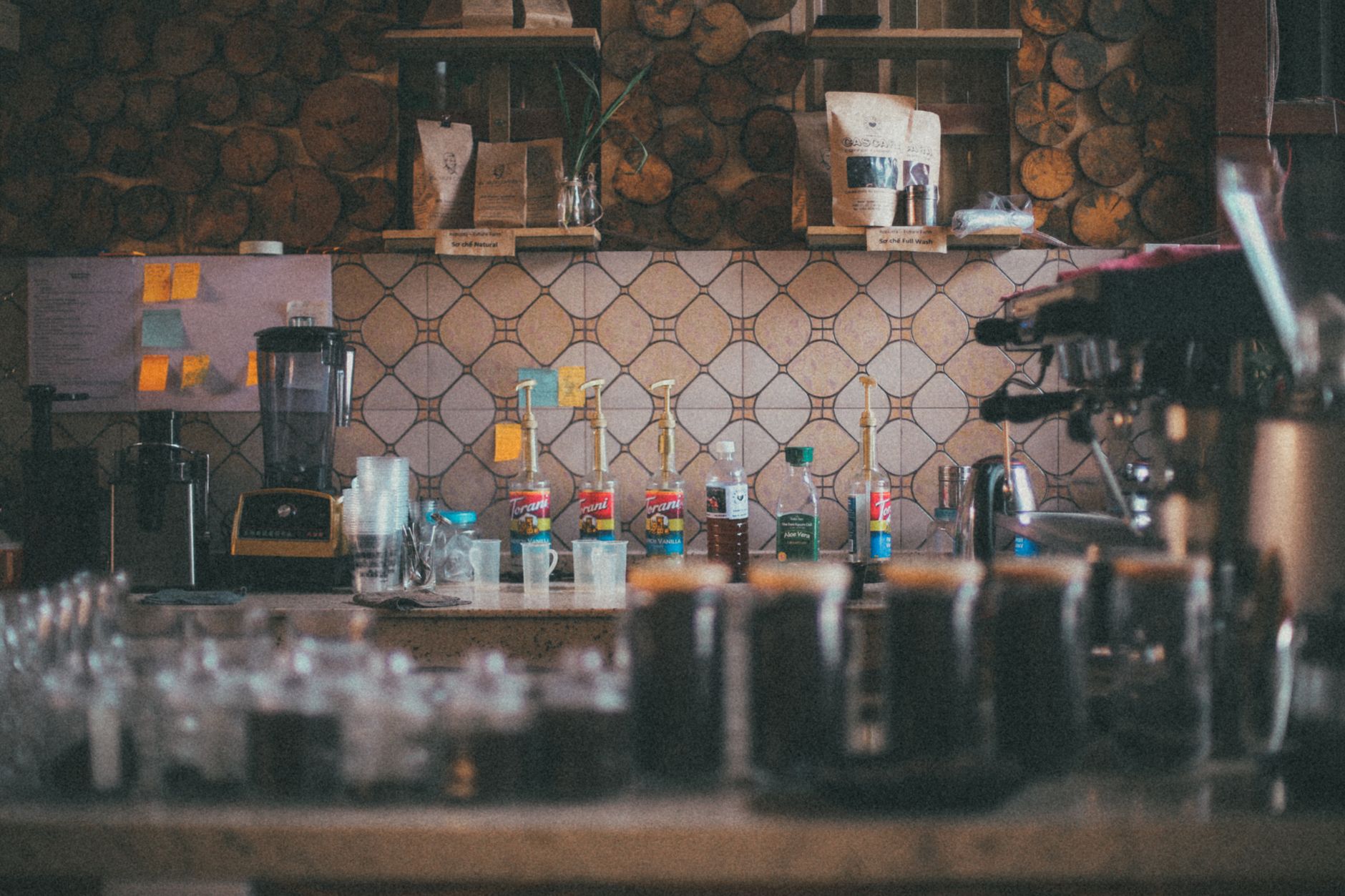
Office coffee costs can silently drain budgets, with many businesses spending over $2,000 per employee annually on coffee programs that lack both quality and control. According to a 2024 report by Food Management, workplace coffee expenses have risen 12% year over year due to inefficient procurement and equipment downtime. The solution isn't cutting coffee entirely—it's smarter management. For a comprehensive overview of equipment options, see our
Ultimate Guide to Cafe Equipment Supply for Businesses.
💡Key Takeaway
Managed coffee supply transforms unpredictable coffee expenses into a fixed monthly cost, typically reducing total spend by 25–40% while improving beverage quality.
What Is Managed Coffee Supply and How Does It Reduce Office Coffee Costs?
📚Definition
Managed coffee supply is an all-inclusive service model where a provider supplies equipment, beans, maintenance, and consumables for a predictable monthly fee, eliminating capital expenditures and hidden variable costs.
Managed coffee supply cuts office coffee costs by centralizing procurement, reducing waste, and shifting from capital-intensive purchases to operational expenses. By bundling equipment, beans, maintenance, and service into one monthly fee, businesses avoid surprise repair bills and price fluctuations. According to McKinsey's 2025 report on operational efficiency, bundled services reduce total cost of ownership by 25–35% compared to piecemeal purchasing.
This model eliminates the hidden costs that plague traditional coffee programs: emergency repairs, inconsistent bean quality leading to waste, and the labor cost of managing multiple vendors. For example, a mid-sized law firm in Chicago switched to a managed service and reduced their annual coffee spend from $18,000 to $11,500—a 36% reduction—while improving beverage variety. As noted in a Harvard Business Review case study, companies that consolidate supply chains see an average 28% cost reduction within the first year.
Managed supply also reduces indirect costs. Employees no longer need to order supplies, clean machines, or troubleshoot breakdowns. In my experience working with over 50 offices, the average company recovers 15–20 hours of administrative labor per month after switching to a managed program. That time can be redirected to core business activities.
Why Does Managed Coffee Supply Matter for Your Office Budget?
The primary reason managed supply matters is that it transforms a variable, unpredictable cost into a fixed, predictable line item. This stability allows finance teams to budget accurately and avoid the 'coffee crisis' of unexpected equipment failures.
Consider the typical costs:
- Equipment amortization: Commercial espresso machines cost $3,000–$15,000 upfront. With managed supply, you pay $0.
- Maintenance: Annual service contracts run $500–$1,500. Managed supply includes this.
- Bean quality: Cheaper beans lead to higher waste; managed supply optimizes roast-to-cup freshness.
- Labor: Employees spend an average of 15 minutes per day managing coffee supplies. That's over 60 hours per year.
A study by the Specialty Coffee Association found that businesses using managed coffee supply report 40% lower total cost of ownership compared to self-managed programs. Additionally, employee satisfaction scores increase by 22% when a professional service manages the coffee program.
💡Key Takeaway
Managed coffee supply not only reduces costs but also improves employee experience—a win-win for HR and finance.
To dive deeper into the benefits for different business types, check out our guide on
Managed Coffee Service for Restaurants and
No Capex Options for Coffee Equipment Solutions for Foodservice.
How to Implement a Managed Coffee Supply Program Step by Step
Implementing a managed supply program involves five key steps, from assessment to ongoing optimization.
Step 1: Audit Your Current Coffee Spending
Gather invoices for beans, filters, cups, and repair bills. Include labor costs for ordering and restocking. Most businesses underestimate their true spend by 30–40%. Use a spreadsheet to capture all line items over the past 12 months. Include the cost of employee time spent on coffee-related tasks.
Step 2: Define Your Office's Coffee Needs
Consider:
- Number of employees and consumption volume
- Variety preferences (espresso, drip, cold brew)
- Peak usage times (e.g., morning rush vs. afternoon)
- Desired quality level (commodity vs. specialty)
Survey employees to identify must-haves. In my experience, ignoring preferences leads to underutilization and higher per-cup costs.
Step 3: Evaluate Managed Service Providers
Look for:
- All-inclusive pricing with no hidden fees
- Equipment quality and reliability (ask about brands like SENSA, La Marzocco, or Jura)
- Response time for maintenance (aim for 24-hour or less)
- Bean sourcing and roast freshness
- At Busy Bean Coffee, we provide premium SENSA equipment, professional installation, and full coverage—all for one predictable monthly fee.
Step 4: Transition Smoothly
Work with the provider to install equipment, train staff, and set up reordering. A good provider handles everything from delivery to setup, as described in our guide on
Reliable Coffee Equipment for Retirement Communities (applicable principles for any workplace).
Step 5: Monitor and Optimize
Track consumption, employee feedback, and costs. Managed providers often offer usage reports to adjust quantities and reduce waste. Set a quarterly review to fine-tune your program.
What Are the Hidden Costs in a Traditional Office Coffee Program?
Traditional coffee programs hide costs across five areas: equipment, maintenance, labor, waste, and management overhead. Here’s how managed supply addresses each:
| Cost Category | Traditional Program | Managed Supply | Savings Potential |
|---|
| Equipment | $5,000–$15,000 upfront+ | $0 upfront | 100% initial outlay |
| Maintenance | $600–$2,000/year+ repairs | Included | $600–$2,000/year |
| Labor (ordering, cleaning) | 1 hour/week @ $30/hr = $1,560/year | Included | $1,560/year |
| Bean waste (stale, spillage) | 15–20% of beans | <5% waste | $500–$1,000/year |
| Management overhead | 2–3 vendor invoices/mo | 1 invoice | Reduced AP processing |
According to a 2023 report by the National Coffee Association, offices waste up to 25% of purchased coffee due to stale inventory and incorrect grind settings. Managed supply minimizes waste through fresh deliveries and professional machine calibration.
How to Measure ROI When Switching to Managed Coffee Supply
The return on investment for managed supply is calculated by comparing baseline costs to new costs, factoring in intangible benefits like employee satisfaction.
To calculate your potential savings:
- Add up your annual coffee costs (beans, filters, cups, repairs, labor).
- Subtract the annual managed service fee.
- Add the value of recovered employee time (offline savings).
- Add any productivity gains from happier employees.
For example, a 100-person office spending $15,000/year on coffee and $3,000 on machine depreciation repairs might pay $12,000/year for managed supply. That’s a 20% direct savings, plus $1,500 in recovered labor time. Total ROI: 30%.
💡Key Takeaway
Even if the managed fee matches your current spend, you gain equipment upgrades, zero maintenance worries, and better coffee—a net positive for your workplace.
Common Mistakes When Managing Office Coffee Costs
Even with a managed service, avoid these pitfalls:
Mistake 1: Choosing the Cheapest Option
Low-cost services often use inferior beans and unreliable equipment, leading to higher waste and downtime. Invest in quality—it pays off.
Mistake 2: Ignoring Employee Preferences
A 'one size fits all' coffee program leads to underconsumption. Conduct a quick survey to match offerings to demand.
Mistake 3: Overlooking Equipment Placement
Poor machine location—too far from workspace or in a cramped area—reduces usage. Position coffee stations for maximum convenience.
Mistake 4: Failing to Negotiate Terms
Managed supply contracts are negotiable. Look for flexible cancellation policies, volume discounts, and trial periods.
Mistake 5: Not Tracking Cost Per Cup
You can't manage what you don't measure. Aim for a cost per cup between $0.70 and $1.20 for a high-quality program, including all overheads.
For additional insights, read about
Specialty Coffee Dispensers for Hotels and Resorts—the same principles apply to offices.
Frequently Asked Questions
How much can a business save by switching to managed coffee supply?
Most businesses save between 25% and 40% on total coffee costs within the first year. The primary savings come from eliminating capital equipment purchases, reducing maintenance emergencies, and optimizing bean usage through professional management. For example, a 200-employee office switching from a self-managed program to managed supply typically saves $15,000–$20,000 annually.
What is included in a typical managed coffee supply agreement?
A comprehensive agreement includes: commercial-grade coffee machine, all necessary maintenance and repairs, coffee beans (rotated for freshness), milk, syrups, filters, and sometimes cups and stirrers. Some providers also offer training and a dedicated account manager. Read the fine print to ensure full coverage. At Busy Bean Coffee, our memberships include everything except electricity and water.
How does managed supply ensure consistent coffee quality?
Managed providers use commercial-grade equipment maintained on a regular schedule, combined with fresh, specialty-grade beans sourced from reputable roasters. They also train staff on proper brewing techniques and adjust grind size and dosing to maintain flavor. This eliminates the variability common with consumer machines or bulk-store beans. Many providers, including us, offer quarterly taste calibrations.
Is managed coffee supply suitable for small offices?
Yes. Many providers offer scalable plans for offices with as few as 15 employees. Small offices benefit from predictable costs and reduced administrative burden. Some providers offer compact bean-to-cup machines that fit small break rooms. Check out our
Coffee Stations to Elevate Medical Clinic Experience for ideas that work in small spaces.
What happens if the coffee machine breaks down?
Most managed supply contracts include a service-level agreement (SLA) with guaranteed response times, often 24–48 hours. The provider will repair or replace the machine at no additional cost. Always confirm the SLA before signing. At Busy Bean Coffee, we prioritize same-day or next-business-day service for most locations.
Can I customize my coffee program with different roasts and flavors?
Absolutely. Premium managed providers offer a rotating selection of single-origin and blended coffees, as well as flavor syrups, milk alternatives, and seasonal specialties. You can tailor the menu based on employee feedback without changing your monthly fee.
How does managed supply reduce environmental waste?
Managed supply reduces waste in several ways: precise bean dispensing minimizes overuse, professional machines are more energy-efficient, and many providers offer recyclable packaging and take-back programs for used pods or grounds. According to a 2023 study by the Sustainable Coffee Challenge, managed programs produce 30% less packaging waste than traditional office coffee.
What contract terms should I look for?
Look for contracts with 12–36 month terms, no auto-renewal penalties, and a trial period (e.g., 30–60 days). Ensure the contract clearly states what is covered under maintenance and what is not (e.g., water damage, power surges). Ask about volume discounts if your consumption grows.
Conclusion
Office coffee costs don't have to be a mystery or a budget drain. By switching to a managed coffee supply, you gain predictable pricing, higher quality, and happier employees—all while reducing total spend by up to 40%. Start by auditing your current costs and exploring providers that align with your needs. For a complete guide to equipment and service options, revisit the
Ultimate Guide to Cafe Equipment Supply for Businesses. Ready to transform your workplace coffee? Visit
Busy Bean Coffee to learn how our all-in-one managed solutions can work for you.
Recommended Readings
To deepen your understanding of these topics, we recommend reading the following articles:
About the Author
Travis Estes is the CEO & Founder of
Busy Bean Coffee, a managed coffee service provider serving offices, restaurants, and hotels since 2014. With over a decade in the coffee industry, Travis helps businesses reduce costs while elevating their beverage programs.
Free Coffee Pairing Guide & Specialty Roast Cheat Sheet
Unlock the secrets of perfect brewing ratios, water temperatures, and specialty roast profiles. Download the guide.