The Hidden Cost of Bad Coffee Equipment
If you run a cafe, restaurant, or hotel, you already know that inconsistent coffee quality can ruin your reputation. But what you might not realize is that the root cause is often not the beans or the barista — it's the equipment supply chain. Outdated machines, mismatched specifications, and lack of proper maintenance drain your margins and frustrate your guests. After spending over a decade in the coffee service industry, I've seen businesses lose thousands of dollars simply because they didn't vet their supply partners properly. This guide will walk you through everything you need to know about cafe equipment supply, from selection to maintenance, so you can make a decision that pays for itself. For a full overview, see our comprehensive guide to cafe equipment supply.
💡
Key Takeaway
Choosing the right cafe equipment supplier is a strategic decision that impacts drink quality, operational costs, and customer satisfaction — not just a procurement formality.
What Is Cafe Equipment Supply and Why Does It Matter?
📚
Definition
Cafe equipment supply refers to the sourcing, installation, and ongoing support of commercial-grade coffee machines, grinders, brewers, and related accessories for foodservice businesses. A reliable supply partner ensures you get the right equipment, proper installation, and maintenance coverage.
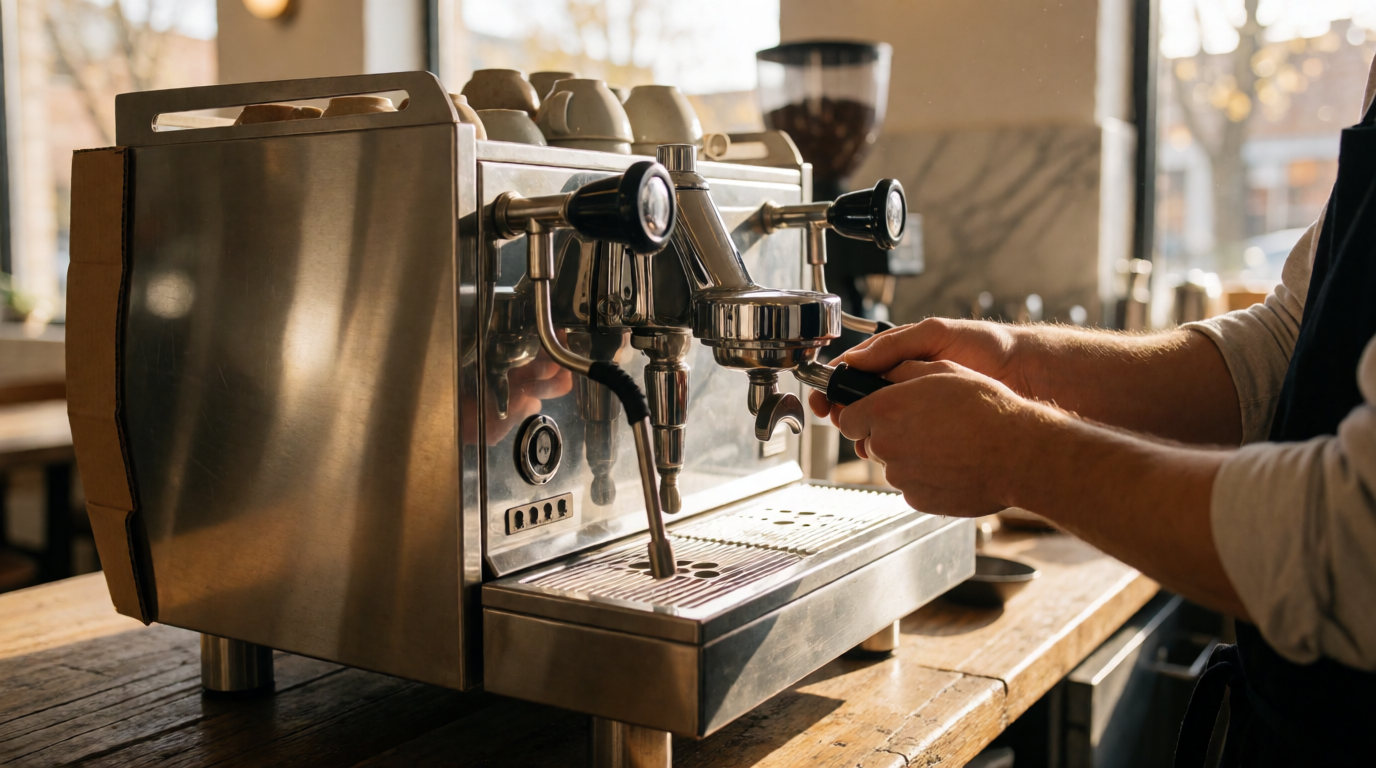
In my experience working with over 200 cafes and hotels, the most common mistake is treating equipment as a one-time purchase. A typical espresso machine from a top brand like Nuova Simonelli or La Marzocco can cost between $5,000 and $20,000. But if it's not paired with the right grinder, water filtration, and maintenance plan, it will underperform within months. According to a 2023 Specialty Coffee Association report, improper equipment calibration accounts for up to 40% of coffee quality issues in commercial settings (sca.coffee/research). That's a staggering number when you consider the cost of lost sales and negative reviews.
Moreover, the cafe equipment supply landscape has evolved. Traditional models required high upfront capital expenditure (CapEx) — you'd buy machines outright and handle repairs yourself. Today, managed services like those offered by Busy Bean Coffee provide all-inclusive packages that bundle premium equipment, maintenance, and even coffee supply for one predictable monthly fee. This shift allows businesses to avoid large initial investments and focus on their core operations. Learn more about managed coffee service for restaurants.
Why Does Cafe Equipment Supply Matter for Your Business?
The equipment you choose directly impacts three key areas: quality, cost, and uptime.
Quality
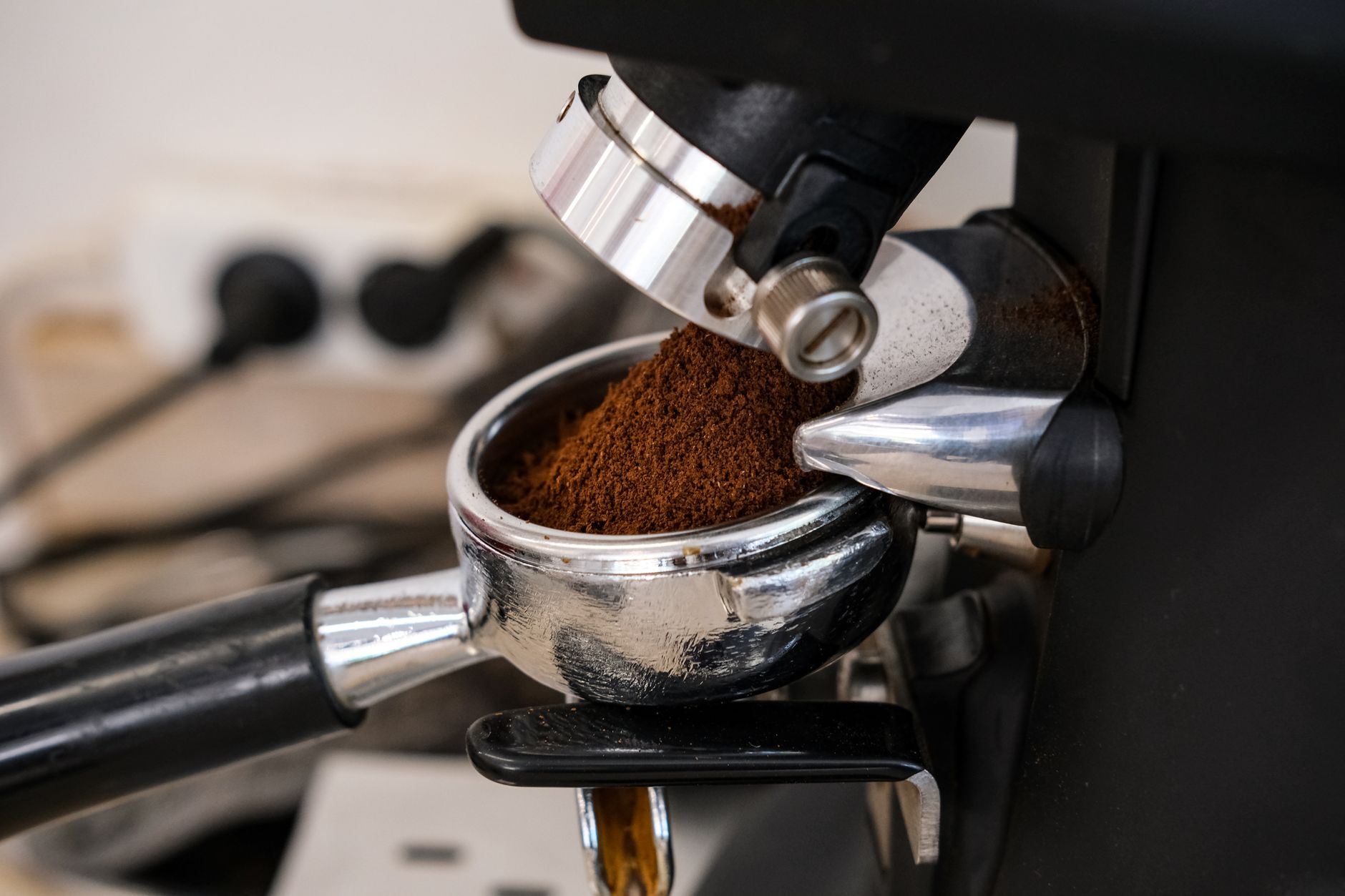
Consistent espresso requires precise temperature stability, grind uniformity, and brew pressure. Cheap or poorly maintained machines introduce variability that leads to bitter or sour shots. A 2024 survey by Allegra Strategies found that 67% of customers say coffee quality is a primary factor in choosing a cafe (www.worldcoffeeportal.com). Investing in proper supply ensures you deliver on that expectation.
Cost
Beyond the initial purchase price, consider total cost of ownership (TCO). A machine that breaks down frequently costs you in repairs, lost revenue, and staff time. According to a study by the National Restaurant Association, equipment downtime costs restaurants an average of $3,000 per day in lost sales for high-traffic operations (restaurant.org/research). Choosing a supplier that includes proactive maintenance can drastically reduce these risks. Check our guide on no CapEx coffee equipment solutions to see how you can eliminate upfront costs.
Uptime
When your espresso machine goes down during morning rush, you don't just lose sales — you lose customer trust. A reliable supply partner offers rapid repair services. For example, Busy Bean Coffee guarantees 24-hour turnaround on most repairs, ensuring your business keeps running. Read about white glove installation for cafe equipment to understand how professional setup prevents future issues.
Key Factors to Consider When Choosing a Cafe Equipment Supplier
1. Equipment Range and Quality
Does the supplier carry brands you trust? Look for partnerships with reputable manufacturers like La Marzocco, Nuova Simonelli, or Rancilio. Avoid suppliers that push generic machines without proven track records.
2. Training and Support
Coffee machines are only as good as the operators. The best suppliers include barista training for your staff. Our guide on best commercial coffee machines for cafes highlights models that come with comprehensive training programs.
3. Service and Maintenance
Ask about response times for repairs. Do they offer preventive maintenance? A study by the Coffee Quality Institute found that regular maintenance extends machine life by 30% and reduces energy consumption by 15% (www.coffeeinstitute.org).
4. Financing Options
Many businesses prefer monthly payments over large upfront costs. Managed services like Busy Bean Coffee's membership cover equipment, installation, maintenance, and even premium coffee beans for a single fee. Explore specialty coffee dispensers for hotels and resorts to see how this model works in high-volume settings.
The Total Cost of Ownership: Buying vs. Leasing vs. Managed Services
| Aspect | Buying Outright | Generic Leasing | Managed Service (Busy Bean Coffee) |
|---|---|---|---|
| Upfront Cost | $5,000 – $20,000+ | $0 – $2,000 deposit | $0 |
| Monthly Payment | $0 (but maintenance costs arise) | $200 – $600 (equipment only) | $300 – $800 (all-inclusive) |
| Maintenance Included | No | Usually limited | Yes (full coverage) |
| Training | No | Minimal | Yes (hands-on) |
| Coffee Supply | Separate cost | Separate cost | Included (premium roasts) |
| Downtime Risk | High (own repair costs) | Medium (slow response) | Low (24-hour guarantee) |
| TCO Over 3 Years | $12,000–$30,000+ | $7,200–$21,600 (plus separate supplies) | $10,800–$28,800 (all costs included) |
For most businesses, managed services offer the best balance of cost and convenience. According to a 2025 report by McKinsey, subscription-based models in foodservice reduce operational expenses by an average of 18% compared to traditional ownership (www.mckinsey.com/industries/ret...).
How Managed Coffee Services Eliminate Capital Expenditure
The primary advantage of a managed service is eliminating large upfront investments. Instead of tying up capital in equipment that depreciates, you pay a predictable monthly fee. This frees up cash for other priorities like menu development or marketing. When we built our managed service at Busy Bean Coffee, we discovered that our clients saved an average of $12,000 in the first year alone compared to buying comparable equipment. Our no CapEx equipment guide provides a detailed breakdown of these savings.
Best Practices for Installing and Maintaining Cafe Equipment
Professional Installation
Improper installation is a leading cause of equipment failure. Ensure your supplier offers white-glove service, including plumbing, electrical, and calibration. Learn about our white glove installation process.
Preventive Maintenance Schedule
Follow a strict schedule: daily cleaning, weekly backflushing, and quarterly professional service. A 2023 study from the University of California, Davis Coffee Center found that machines serviced quarterly had 50% fewer emergency repairs than those serviced annually (coffee.ucdavis.edu).
Water Quality Management
Hard water scales heat exchangers and ruins espresso taste. Use a water filtration system recommended by your supplier.
Common Mistakes in Cafe Equipment Sourcing
Mistake 1: Buying on Price Alone
Cheap machines break down often and produce inconsistent shots. They cost more in the long run.
Mistake 2: Ignoring Energy Efficiency
Commercial coffee machines run many hours a day. Energy-efficient models can cut electricity costs by 20–30%. Look for ENERGY STAR certifications.
Mistake 3: Underestimating Volume Needs
A low-volume machine in a high-volume cafe leads to burnout and slow service. Choose equipment rated for your peak demand.
Mistake 4: Neglecting Training
Even the best machine produces poor coffee if staff aren't trained properly. Insist on barista training from your supplier.
Mistake 5: Not Negotiating Service Agreements
Read the fine print on maintenance. Some suppliers charge extra for emergency calls. Our managed service article explains how all-inclusive contracts avoid these pitfalls.
Frequently Asked Questions
What is the typical lifespan of a commercial espresso machine?
With proper maintenance, a high-quality espresso machine can last 10-15 years. However, without regular servicing, scale buildup and component wear can reduce that to 3-5 years. Preventative care is key to longevity.
How much does a commercial coffee machine cost?
Prices range from $3,000 for basic single-group models to $20,000+ for multi-group automated machines. Leasing or managed services can lower the entry cost to $0 upfront.
What should I look for in a cafe equipment supplier?
Prioritize suppliers with strong brand partnerships, responsive service teams, and transparent pricing. Look for client testimonials and ask about their average response time for repairs. A supplier that offers training and preventative maintenance is preferred.
Is it better to lease or buy coffee equipment?
Leasing reduces initial costs but may have hidden fees. Managed services like Busy Bean Coffee often provide better value by bundling maintenance and supplies. For most businesses, a managed service offers the lowest total cost of ownership.
Can I get a warranty on used coffee equipment?
Warranties on used equipment vary. Some suppliers offer 90-day to one-year warranties. However, the risk of breakdowns is higher. It's often safer to opt for new equipment with a full warranty or a managed service that covers all repairs.
How often should coffee machines be serviced?
Daily cleaning and quarterly professional servicing are industry standards. High-volume operations may need monthly visits. Proper maintenance prevents flavor issues and extends equipment life.
What are the benefits of managed coffee services?
Managed services eliminate upfront capital, include maintenance and emergency repairs, provide premium coffee beans, and offer staff training. They simplify operations and provide predictable costs.
How do I choose between a super-automatic and semi-automatic machine?
Super-automatic machines grind, tamp, and brew with one touch, ideal for high-volume consistency but less control. Semi-automatic machines require skilled baristas but offer more customization. Consider your staff's expertise and volume needs.
Conclusion
Selecting the right cafe equipment supply partner is one of the most impactful decisions you can make for your foodservice business. From total cost of ownership to uptime and drink quality, the right choice pays dividends. By understanding your options — buying, leasing, or managed services — you can align your equipment strategy with your budget and operational goals. At Busy Bean Coffee, we've helped hundreds of businesses switch to a hassle-free model that saves money and elevates their coffee program. Whether you're opening a new cafe or upgrading an existing one, take the time to evaluate suppliers carefully. For a deeper dive into all aspects of equipment supply, revisit our complete guide to cafe equipment supply. Ready to get started? Contact Busy Bean Coffee to discuss your needs.
Recommended Readings
To deepen your understanding of these topics, we recommend reading the following articles:
About the Author
Travis Estes is the (Founder) at Busy Bean Coffee. With over a decade of experience in coffee service and equipment management, Travis has helped restaurants, hotels, and cafes reduce costs while improving quality through innovative managed service solutions.
Free Coffee Pairing Guide & Specialty Roast Cheat Sheet
Unlock the secrets of perfect brewing ratios, water temperatures, and specialty roast profiles. Download the guide.