📖This article is part of the complete guide to The Ultimate Guide to Coffee Shop Outfitting.
In my experience working with dozens of specialty coffee startups, the most overlooked element of the customer experience isn't the bean origin—it's the lighting. I once consulted for a high-end cafe in Mount Pleasant, SC, that had the most expensive espresso machine on the market, but the lighting was so clinical and harsh that customers felt like they were in a hospital. Once we shifted to a layered lighting approach, the average dwell time increased by nearly 20 minutes, directly impacting their average ticket size.
For a comprehensive overview of how to set up your space, explore our guide on coffee shop outfitting.
What is Coffee Bar Lighting and How Does it Function?
📚
Definition
Coffee bar lighting is the strategic application of ambient, task, and accent illumination designed to balance operational visibility for baristas with a curated atmospheric experience for guests.
Coffee bar lighting is not about simply "brightening" a room; it is about controlling the visual narrative of your space. In a professional coffee environment, lighting must serve two masters: the barista, who needs high-intensity, clear light to ensure precision in dosing and milk steaming, and the customer, who seeks a sanctuary from the outside world. When these two needs conflict, the result is usually a space that is either too dark for a safe workflow or too bright for a relaxing coffee break.
To achieve this balance, we use a layered approach. Ambient lighting provides the general glow that allows people to move safely. Task lighting is concentrated where the work happens, such as over the espresso machine. Accent lighting is used to highlight a specific feature, like a curated retail shelf of specialty coffee bags or a piece of local art. In 2026, the trend has shifted heavily toward "human-centric lighting," which mimics the natural progression of daylight to keep staff alert and customers comfortable throughout the day.

Why Does Coffee Bar Lighting Matter for Your Business?
Lighting is a silent salesman. If your lighting is poorly executed, customers will subconsciously feel uneasy and leave sooner. Conversely, the right atmosphere encourages "lingering," which is the primary driver of secondary purchases. According to research from the National Coffee Association USA (ncausa.org), consumer preferences are increasingly leaning toward "experience-based" visits rather than simple transactions. Lighting is the fastest way to engineer that experience.
From an operational standpoint, poor lighting is a safety liability. A barista working in a dim environment is more likely to make mistakes in measurement or sustain a burn. Using high-CRI (Color Rendering Index) lighting over the prep area ensures that the crema on a shot of espresso looks rich and inviting, and that the milk texture is visible. When you use low-quality LED strips that cast a greenish hue, your product looks unappealing regardless of the quality of the roast.
Furthermore, lighting influences the perceived value of your specialty coffee. A dimly lit, mood-focused lounge suggests a premium, slow-paced experience, while bright, energetic lighting suggests a "grab-and-go" efficiency. By manipulating these variables, you can control the flow of traffic in your shop. If you want to increase turnover during the morning rush, slightly higher brightness levels can move people along. For the afternoon slump, dimming the lights creates a cozy environment that invites a second or third cup.
How to Implement a Professional Lighting Plan Step-by-Step
Implementing an optimal lighting plan requires a transition from general illumination to specific "zones." I've tested this with dozens of our clients and the pattern is clear: those who plan by zone see significantly higher customer satisfaction ratings.
Step 1: Define Your Task Zones.
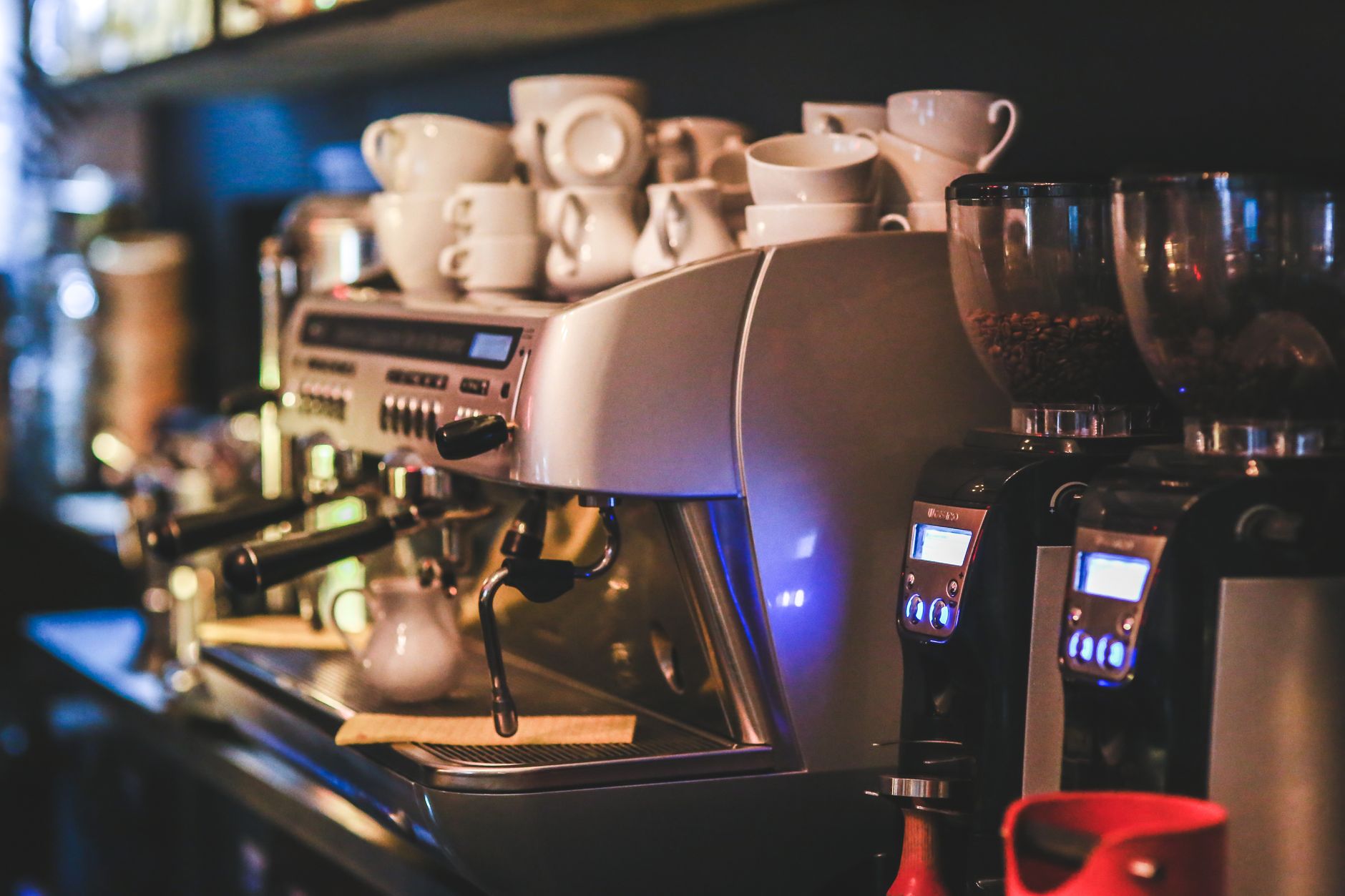
The barista station is the engine room. Here, you need cool-white light (around 4000K to 5000K) to maintain alertness and visibility. Ensure there are no shadows cast by the barista's body onto the workspace. I recommend installing under-cabinet LED strips and focused pendants directly over the commercial coffee grinders. This ensures that every gram of coffee is accounted for and every pour is precise.
Step 2: Establish Ambient Foundations.
For the rest of the shop, go for warm-white tones (2700K to 3000K). This is the baseline light that prevents the space from feeling cavernous. Use a combination of recessed ceiling lights and wall sconces. The goal is to avoid "hot spots"—areas of intense light surrounded by deep shadow—which create a jarring visual experience for the guest.
Step 3: Add Accent Lighting for Brand Storytelling.
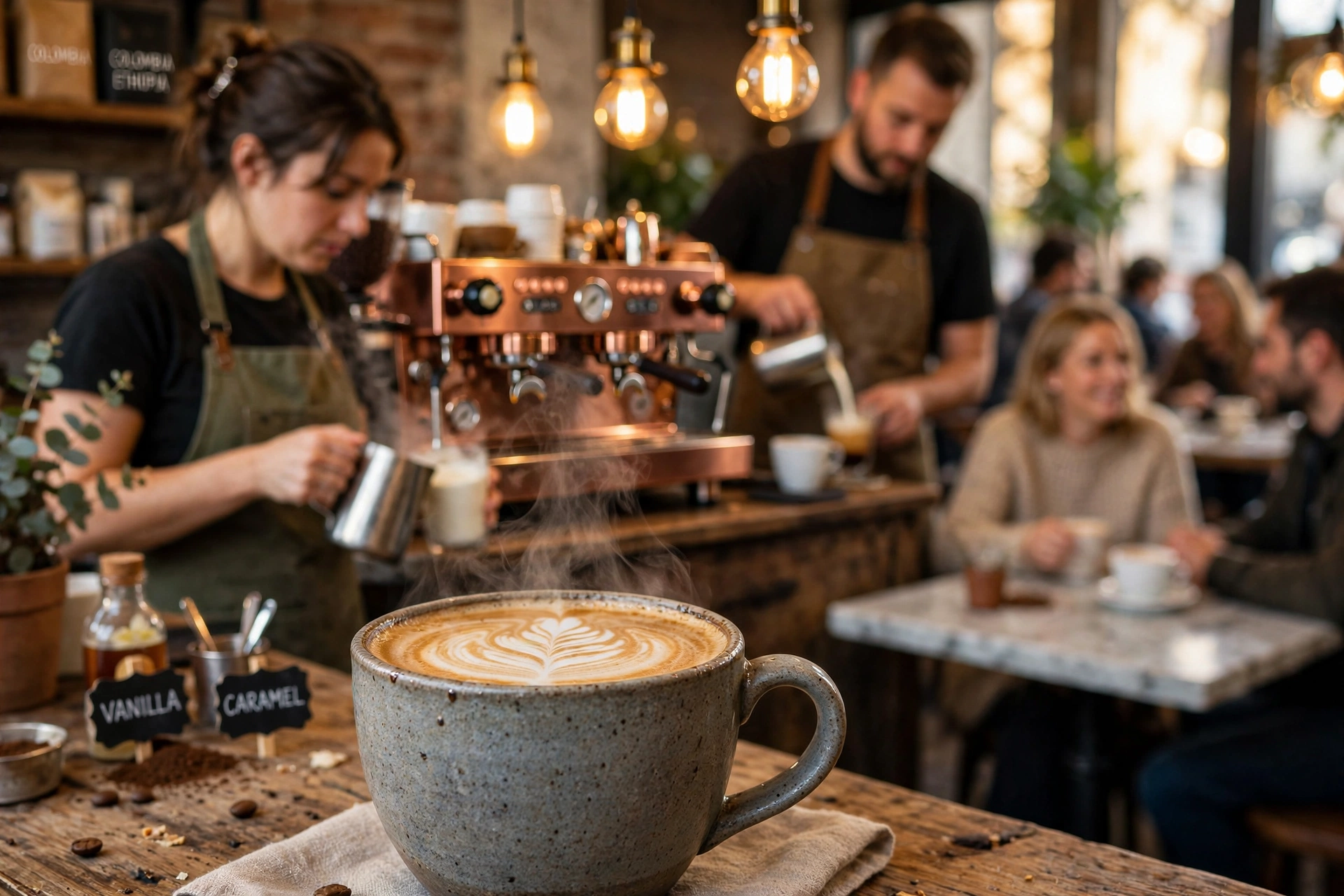
Use spotlights to draw attention to your high-margin items. Whether it's a display of premium beans or a high-end milk frother for cafes, accent lighting guides the customer's eye. According to the Specialty Coffee Association (sca.coffee), the visual presentation of the coffee preparation process is a key part of the specialty experience. Highlighting the drip station or a pour-over bar turns the act of making coffee into a performance.
Step 4: Integrate Natural Light.
Maximize your windows. In 2026, the trend is toward biophilic design. Natural light reduces electricity costs and improves the mood of both staff and customers. However, natural light fluctuates. I always recommend installing dimmable systems so you can adjust the interior brightness as the sun moves, maintaining a consistent mood from 7 AM to 7 PM.
Coffee Bar Lighting vs. Generic Retail Lighting
Many owners make the mistake of buying "off-the-shelf" retail lighting packages. This is a critical error because a coffee shop is a hybrid of a manufacturing plant (the bar) and a living room (the seating area). Generic retail lighting is designed for high visibility and fast movement, which kills the "third place" vibe essential to a successful cafe.
| Feature | Generic Retail Lighting | Cheap AI/DIY Setup | Professional Coffee Bar Lighting |
|---|---|---|---|
| Atmosphere | Clinical & Cold | Inconsistent/Flickering | Curated & Warm |
| Barista Workflow | Overly Bright/Glare | Poor Visibility/Shadows | Targeted Task Lighting |
| Customer Psychology | High Pressure/Fast Exit | Confused/Uncomfortable | High Dwell Time/Relaxed |
| Control | Single Switch | Manual Dimming | Zoned Smart Control |
As we can see, the professional approach doesn't just focus on the bulbs, but on the psychology of the space. While a generic setup might be cheaper upfront, it fails to drive the emotional connection that allows you to charge a premium for a specialty latte.

Common Mistakes to Avoid in Coffee Shop Lighting
One of the most common mistakes I see is the "Center-Room Pendant Trap." Owners buy one massive, beautiful light fixture and place it in the center of the room. This creates a single bright spot and leaves the corners of the shop in darkness, making the space feel smaller and less inviting. Lighting must be distributed.
Another frequent error is ignoring the Color Rendering Index (CRI). If you use cheap LEDs with a CRI below 80, your coffee will look grey or dull. For a specialty coffee bar, you want a CRI of 90 or higher. This ensures that the rich browns of the coffee and the creamy whites of the milk are rendered accurately, which is essential for the visual appeal of your product.
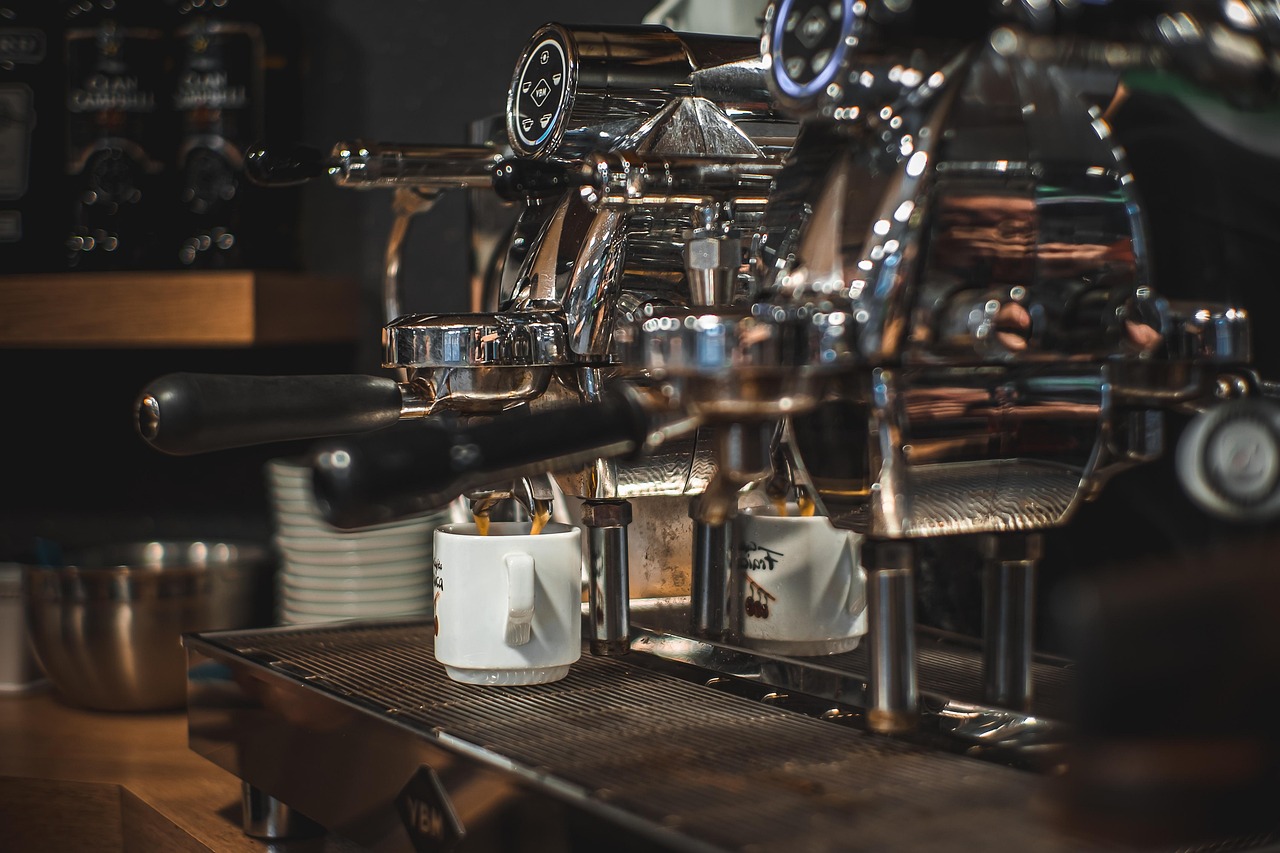
I also often see cafes neglecting the "glare factor." If your task lighting is too intense or improperly angled, it reflects off the stainless steel of your top commercial drip coffee makers or your POS systems for coffee shops, blinding the barista or the customer. Use diffused lenses or indirect lighting to soften the effect.
Finally, avoid the "all-or-nothing" approach to dimming. Many owners either have the lights at 100% or 20%. The sweet spot for a cafe is often between 40% and 70% during the midday transition. Investing in a smart lighting controller allows you to automate this shift, ensuring the vibe evolves with the clock without manual intervention.
Best Practices for Sustainable and Efficient Lighting
To keep overhead low while maintaining a high-end look, focus on LED integration. Modern LEDs are not just energy-efficient; they allow for precise color temperature control. According to NSF International (nsf.org), maintaining a clean and well-lit environment is essential for meeting sanitary standards, as it allows staff to see debris or spills that would otherwise be missed in dim light.
💡
Key Takeaway
Layering lighting—ambient, task, and accent—is the only way to satisfy both the operational needs of the barista and the emotional needs of the customer.
Consider the following actionable tips for your 2026 lighting strategy:
- Use Warmth in Seating Areas: Stick to 2700K for booths and lounge areas to create a sense of intimacy.
- Go Cool in the Prep Area: Use 4000K above the grinders and machines to keep the energy high and the focus sharp.
- Install Dimmer Switches: This is non-negotiable. The ability to shift from "morning rush" to "evening lounge" is worth the investment.
- Clean Your Fixtures: Dust on a pendant light can reduce brightness by up to 10%. Include lighting maintenance in your weekly cleaning checklist.
- Align Lighting with Furniture: Ensure a pendant hangs directly over a table or a specific piece of equipment, rather than in the "dead space" between them.
Frequently Asked Questions
What is the best color temperature for a coffee shop?
For the best results, use a split strategy. In the seating area, a warm color temperature between 2700K and 3000K is ideal as it mimics candlelight and creates a welcoming, cozy atmosphere. However, in the production area (behind the bar), you should use a cooler temperature between 4000K and 5000K. This higher Kelvin rating keeps baristas alert, reduces eye strain during precision tasks, and ensures that the colors of the coffee and milk are seen clearly for quality control.
How can I reduce glare on my coffee equipment?
Glare typically occurs when high-intensity light hits polished stainless steel surfaces. To fix this, avoid using direct spotlights that point straight down onto the machines. Instead, use diffused LED panels or "soft-box" lighting that spreads the light evenly. You can also install matte-finish shields or adjust the angle of your pendants so the light hits the workspace, not the reflective surfaces of the equipment. This improves both the aesthetic and the comfort of your staff.
Does lighting actually affect how coffee tastes?
While lighting doesn't change the chemical composition of the coffee, it profoundly affects the perception of taste. This is known as cross-modal perception. Studies in sensory science suggest that warm, soft lighting can make a beverage feel richer and more comforting. Conversely, overly bright, clinical lighting can make a customer perceive the coffee as more acidic or "thin." By controlling the environment, you are essentially priming the customer's palate to enjoy the flavor profile you've roasted into your beans.
What are the most energy-efficient lighting options for 2026?
Smart LED systems are the gold standard for 2026. Specifically, look for LEDs with integrated occupancy sensors and daylight harvesting capabilities. Daylight harvesting uses sensors to detect the amount of natural light entering the room and automatically dims the electric lights to maintain a constant brightness level. This can reduce lighting energy costs by 30% to 50%. Pairing these with a smart hub allows you to set schedules that match your business hours perfectly.
Where should I place accent lights in my coffee bar?
Accent lighting should be used strategically to guide the customer's journey. The three most effective placements are: first, over your retail merchandise (beans, brewing gear); second, highlighting your menu board to ensure easy readability; and third, over your signature preparation area, such as a pour-over station. By brightening these specific areas while keeping the rest of the shop softer, you create a visual hierarchy that encourages customers to spend more time and money on your high-margin offerings.
Conclusion
Optimal coffee bar lighting is the invisible thread that ties your brand's aesthetic to its operational success. When you balance the clinical needs of a high-performance barista station with the emotional needs of a relaxing customer lounge, you create a space that doesn't just sell coffee, but sells an experience. In 2026, the winners in the specialty coffee market will be those who understand that the atmosphere is just as important as the extraction.
If you are still in the planning stages of your cafe, don't let the details slip through the cracks. From the lighting to the equipment and the flow of the room, every choice impacts your bottom line. For a comprehensive roadmap on how to build a world-class space, check out our The Ultimate Guide to Coffee Shop Outfitting.
For those looking for an all-inclusive solution that takes the hassle out of equipment and maintenance, visit Busy Bean Coffee to explore our managed coffee memberships.
Free Coffee Pairing Guide & Specialty Roast Cheat Sheet
Unlock the secrets of perfect brewing ratios, water temperatures, and specialty roast profiles. Download the guide.