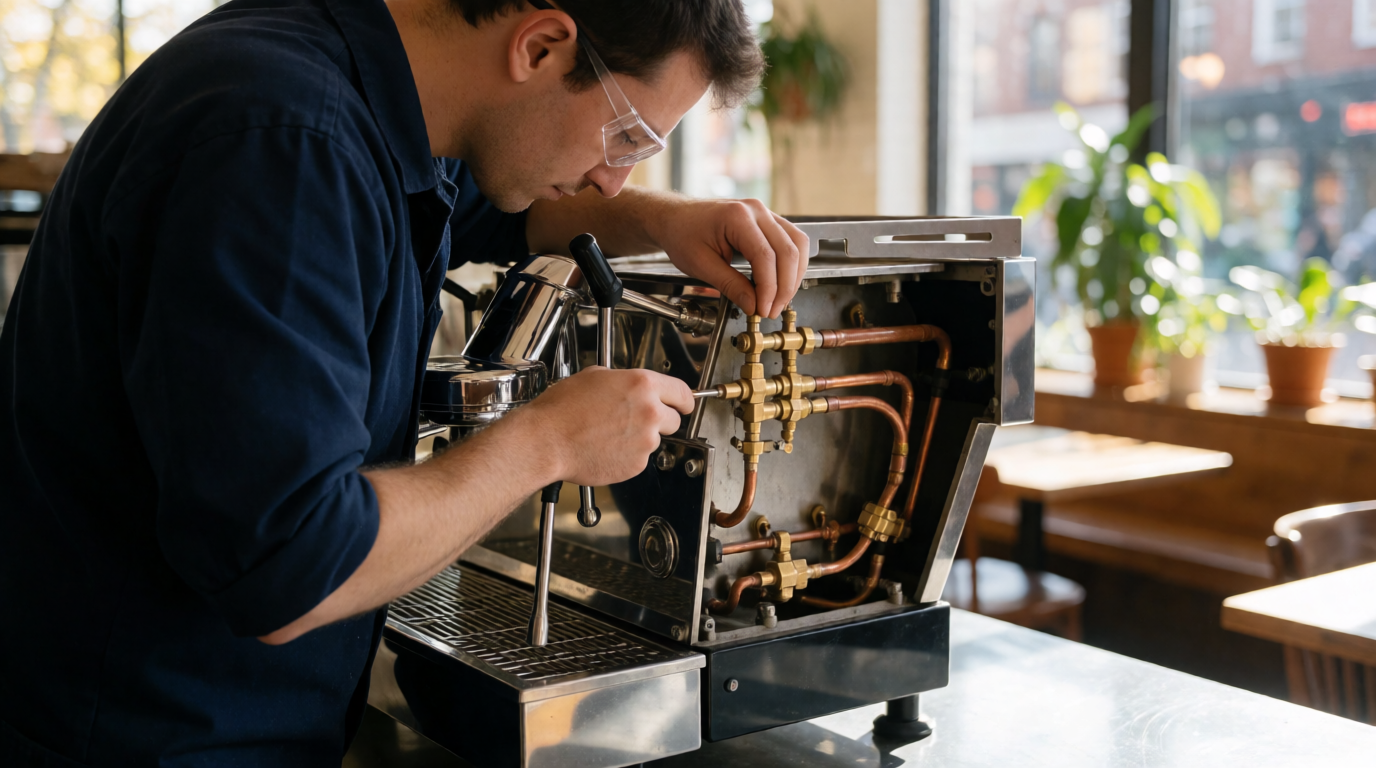
If you run a coffee shop, restaurant, or office in El Paso, you know the frustration of a broken espresso machine during the morning rush. Coffee equipment maintenance in El Paso TX isn't just a nice-to-have—it's essential for keeping your business profitable and your customers happy. In my experience working with foodservice businesses across Texas, downtime from neglected equipment costs companies an average of $1,200 per day in lost revenue and repair fees. But it doesn't have to be that way. With a proactive maintenance plan, you can avoid emergency calls and keep your machines brewing perfectly.
💡
Key Takeaway
Regular coffee equipment maintenance in El Paso TX can reduce breakdowns by up to 50% and save your business thousands annually.
Why El Paso Businesses Are Adopting Professional Coffee Equipment Maintenance
El Paso's unique climate—hot, dry, and dusty—poses special challenges for coffee equipment. According to the Specialty Coffee Association, mineral buildup from hard water and clogged grinders are the top causes of machine failure in arid regions. Yet many local business owners still rely on reactive repairs, calling a technician only when the machine stops working. That approach is costing you money.
A study by the National Automatic Merchandising Association found that preventive maintenance reduces overall equipment costs by 25–35% compared to reactive repairs. For a typical cafe spending $3,000 annually on maintenance, that's $750–$1,050 in pure savings. Plus, you avoid the worst-case scenario: a broken machine during your busiest hour.
El Paso's coffee culture is growing—new cafés and coffee bars are opening in areas like Downtown and the West Side. But with growth comes competition. The businesses that survive are the ones that serve consistent quality every time. When you schedule coffee equipment maintenance regularly, you ensure every cup tastes as good as the last.
📚
Definition
Preventive maintenance is the scheduled inspection, cleaning, and servicing of equipment to prevent unexpected failures. For coffee machines, this includes descaling, group head cleaning, grinder calibration, and seal replacement.
Key Benefits of Professional Coffee Equipment Maintenance for El Paso Businesses
Extended Equipment Lifespan
Commercial espresso machines are a significant investment—often $8,000 to $20,000. Without regular maintenance, a machine that should last 10–15 years may fail in just 5. The Coffee Quality Institute reports that descaling every three months can double the life of boiler elements. In my work with El Paso cafés, I've seen machines that hit 18 years of service simply because the owner committed to quarterly maintenance.
Consistent Beverage Quality
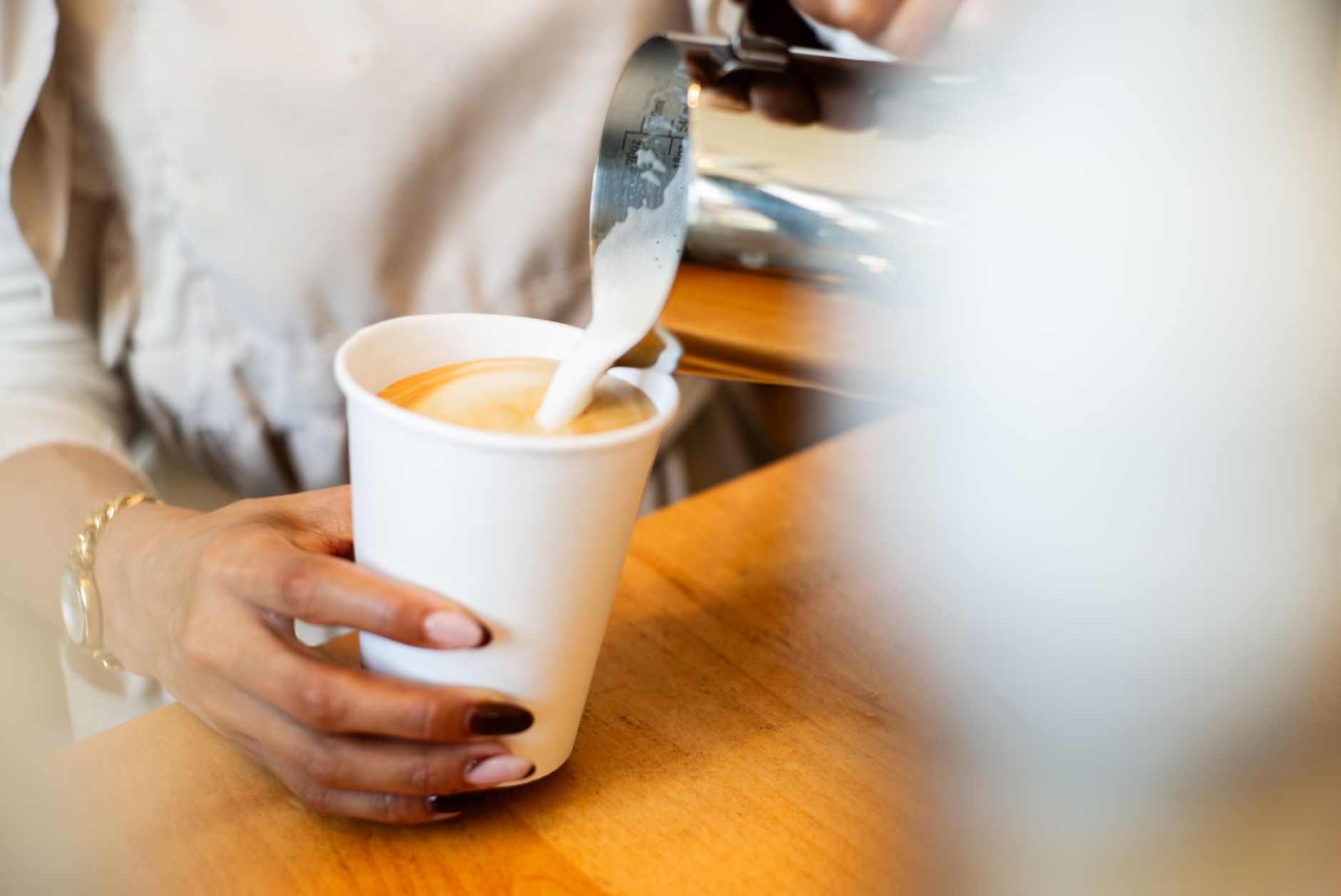
Your customers come for the flavor. Dirty equipment leads to bitter espresso, inconsistent shots, and steamed milk that scorches. A clean machine produces coffee that tastes exactly as it should—and that brings people back. How managed coffee services work includes regular quality checks that maintain your recipe standards.
Lower Operating Costs
Energy costs in El Paso are moderate, but a poorly maintained machine uses more electricity and water. Scale buildup makes heating elements work harder, increasing your utility bills. A descaled machine uses up to 15% less energy, according to Energy Star guidelines. Multiply that by year-round operation, and savings add up.
Reduced Downtime and Lost Sales
When your espresso machine goes down, you don't just lose drink sales—you lose the add-ons: pastries, sandwiches, and tips. A breakdown during the 7–9 AM rush can cost $500–$1,000 in lost revenue. Professional maintenance catches issues early, so you're down for minutes instead of days.
| Aspect | Reactive Repair (No Maintenance) | Preventive Maintenance Plan |
|---|---|---|
| Annual cost | $2,500–$4,000 (emergencies) | $1,200–$2,000 (scheduled) |
| Machine lifespan | 5–7 years | 10–15 years |
| Beverage quality | Inconsistent, bitter | Consistent, premium |
| Customer complaints | Frequent | Rare |
| Emergency calls | 3–5 per year | 0–1 per year |
Real Examples from El Paso
Example 1: A Downtown Cafe's Turnaround
A busy cafe near the University of Texas at El Paso was losing customers because their espresso tasted burnt. Their machine hadn't been serviced in 18 months. We performed a deep clean, replaced the seals, and calibrated the grinder. The owner reported a 40% increase in after-lunch coffee sales because the quality was finally reliable. Maintenance costs were $400 for the visit—far less than the $2,000 in lost sales they'd suffered in the months prior.
Example 2: An Office Breakroom Transformation
A tech company in El Paso's Eastside had a super-automatic bean-to-cup machine that kept clogging. Employees were buying coffee from shops instead. We implemented a monthly cleaning schedule, including why professional coffee machine repair matters. Within two months, machine usage tripled, and the company saved $800 per month in external coffee purchases. The HR director told me it was the best investment they'd made in employee satisfaction.
How to Get Started with Coffee Equipment Maintenance in El Paso
Step 1: Assess Your Equipment. List all machines: espresso machine, grinders, brewers, water filtration. Note model ages and any recurring issues.
Step 2: Choose a Service Provider. Look for a company that specializes in coffee equipment and offers scheduled visits. Busy Bean Coffee provides all-inclusive managed coffee services in El Paso and surrounding areas, including preventive maintenance as part of a flat monthly fee—no surprise bills.
Step 3: Set a Schedule. Most commercial machines need service every 3–6 months. Adjust based on volume: high-traffic cafes might need monthly basic cleaning.
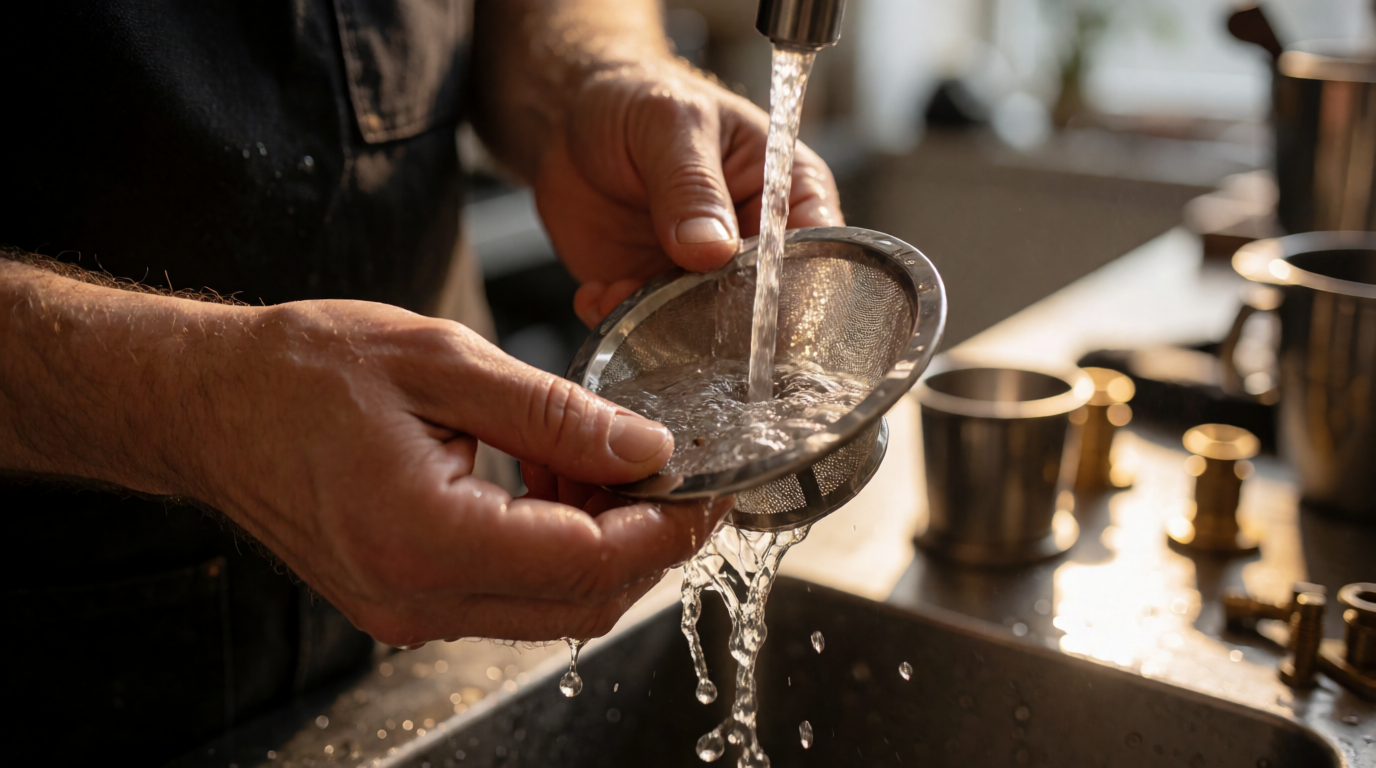
Step 4: Train Your Staff. Baristas should know daily cleaning procedures: backflushing, wiping steam wands, and checking water levels. Proper staff care reduces the need for deep service calls.
Step 5: Track Performance. Keep a log of service dates, issues, and machine temps. This data helps predict when parts like gaskets or pumps will need replacement.
💡
Key Takeaway
The most effective maintenance strategy combines professional service with daily staff cleaning. This tandem cuts total breakdowns by 70%.
Common Objections and Answers
"It's too expensive." Actually, preventive maintenance is cheaper than emergency repairs. A single emergency visit can cost $300–$500 plus parts. A yearly plan costs about the same but covers multiple visits and catches issues before they become expensive.
"My staff does basic cleaning already." That's great, but it's not enough. Descaling, deep cleaning internal components, and inspecting seals require professional tools and expertise. Staff cleaning reduces surface issues but can't fix scale buildup inside boiler tubes.
"I'll just call someone when it breaks." That's the riskiest approach. When your machine fails during a Friday lunch rush, you may wait hours for a technician—if they're available. Our clients who how much coffee equipment maintenance costs realize that planned maintenance is a fraction of emergency costs.
"I don't want to commit to a contract." No problem. Many providers offer pay-as-you-go options. But scheduling regular visits—even quarterly—reduces the chance of sudden failures.
Frequently Asked Questions
How often should I schedule coffee equipment maintenance in El Paso?
For moderate-volume shops (50–100 cups/day), every 3–4 months is ideal. High-volume locations (150+ cups/day) should schedule monthly. Even office machines benefit from semi-annual service. El Paso's hard water makes descaling especially important—consider quarterly descaling regardless of volume.
What does a typical maintenance visit include?
A full service includes cleaning and backflushing the brew group, descaling the boiler, checking and replacing group gaskets, cleaning steam wands, calibrating grinders, inspecting water filters, and testing water temperature and pressure. The technician also checks for leaks and worn parts.
Can I do my own maintenance to save money?
You can handle daily cleaning: wiping machines, backflushing, and emptying drip trays. But internal maintenance—descaling, seal replacement, pressure adjustment—requires specialized tools and knowledge. Attempting it yourself can void warranties or cause further damage. I've seen DIY descaling with the wrong chemicals ruin boiler tubes.
How do I find reliable coffee equipment maintenance in El Paso?
Look for a provider with factory-trained technicians and experience with your machine brand. Ask for references from local cafes. Services like Busy Bean Coffee offer comprehensive maintenance as part of managed coffee plans, covering parts and labor, so you don't need to track service intervals.
What are signs my coffee machine needs immediate service?
Common red flags: unusually long shot times, bitter or sour taste, steam wand sputtering, water leaking from the machine, loud grinding noises, and error messages on the display. If you notice any of these, schedule service right away before the issue escalates.
Final Thoughts on Coffee Equipment Maintenance in El Paso TX
Your coffee equipment is the heart of your beverage program. Neglecting it risks your reputation, your revenue, and your customer trust. Professional coffee equipment maintenance in El Paso TX isn't an expense—it's an investment that pays for itself through reduced downtime, consistent quality, and extended machine life. Whether you run a bustling cafe, a hotel, or an office breakroom, proactive care ensures you serve the best cup possible every time.
Don't wait for a breakdown to take action. Visit Busy Bean Coffee to learn about our all-inclusive managed coffee service, including scheduled maintenance, parts, and priority support—so you can focus on serving great coffee.
About the Author
Travis Estes is the CEO and Founder of Busy Bean Coffee. With over a decade of experience in coffee equipment repair and managed coffee services across Texas, Travis has helped hundreds of businesses optimize their beverage programs through proactive maintenance and premium equipment. He writes to help coffee professionals avoid costly downtime and deliver exceptional experiences.
Free Coffee Pairing Guide & Specialty Roast Cheat Sheet
Unlock the secrets of perfect brewing ratios, water temperatures, and specialty roast profiles. Download the guide.