
What is Barista Equipment Wholesale?
📚
Definition
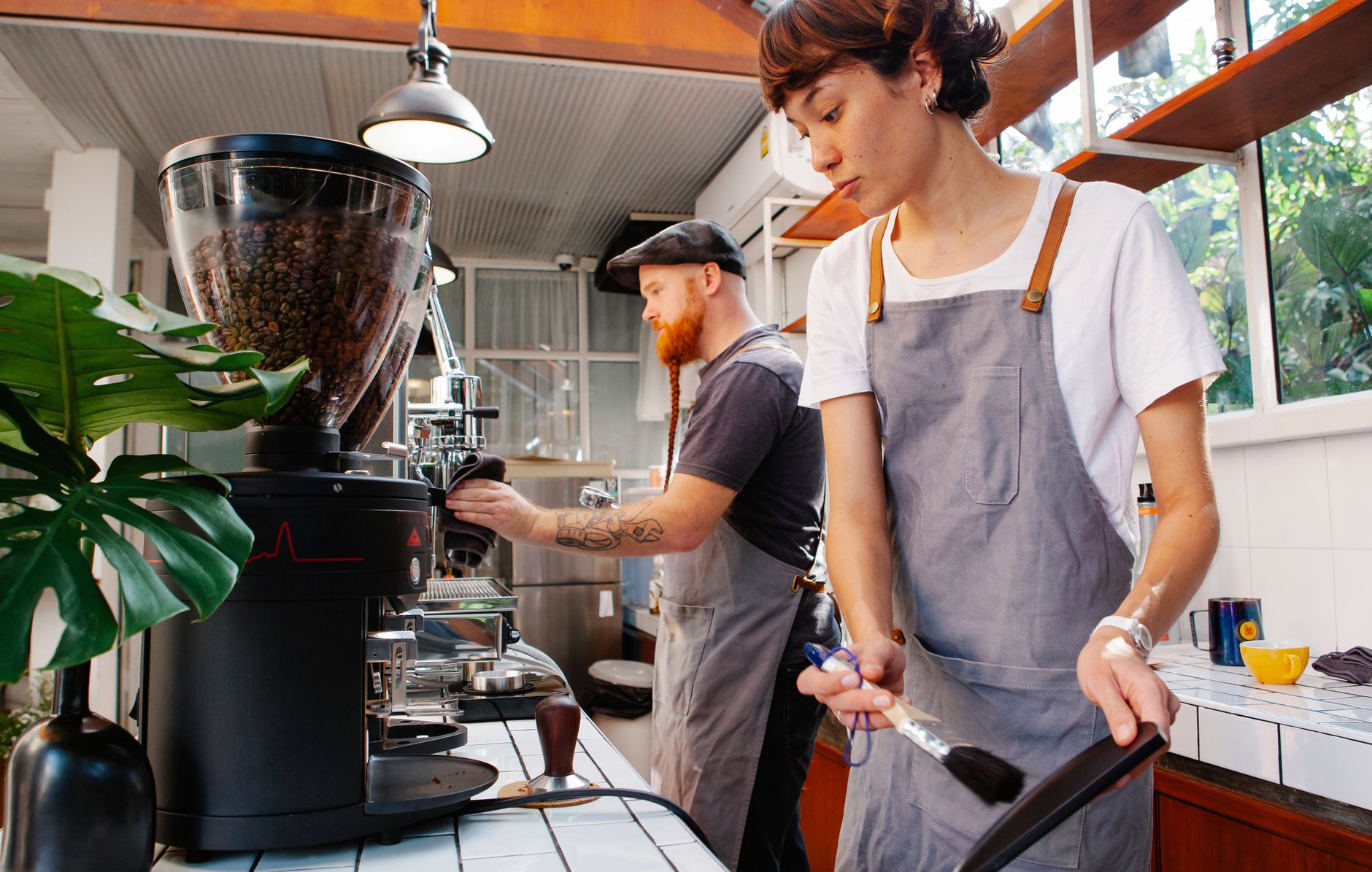
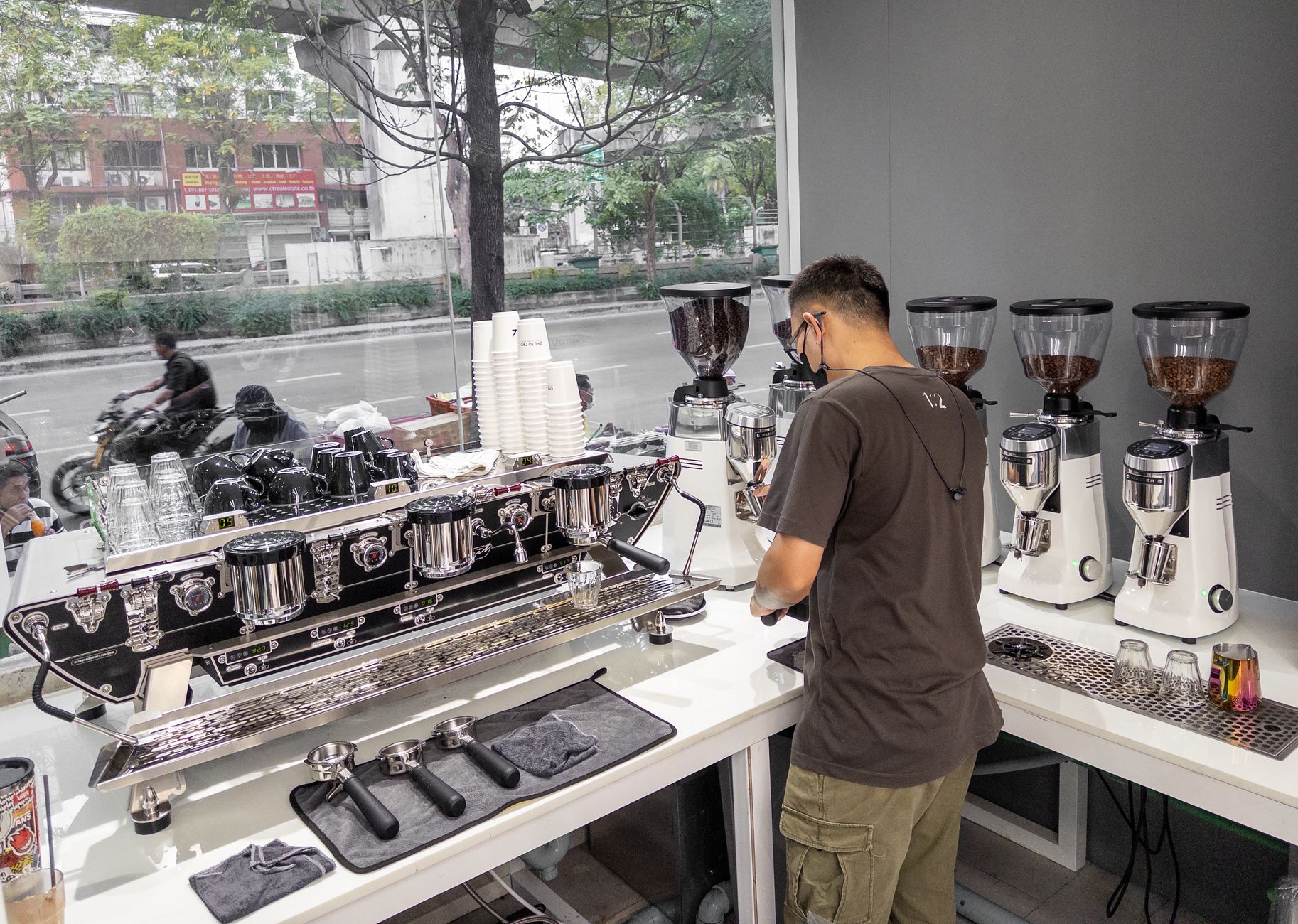
Barista equipment wholesale refers to the bulk purchasing of professional coffee-making tools—espresso machines, grinders, milk frothers, tampers, and accessories—at discounted rates directly from manufacturers or authorized distributors, bypassing retail markups for foodservice businesses like cafes, restaurants, hotels, and offices.
💡
Key Takeaway
Businesses buying barista equipment wholesale can slash costs by 30-50% compared to retail, gaining access to high-volume, durable gear without the premium pricing.
Barista equipment wholesale isn't just about cheap coffee machines; it's a strategic procurement model for scaling coffee operations profitably. In 2026, with coffee consumption in the U.S. foodservice sector projected to hit record highs—driven by a 4.2% annual growth according to the National Coffee Association—businesses need reliable, high-output equipment. Wholesale channels provide exactly that: semi-automatic espresso machines capable of 200+ shots per day, conical burr grinders for precise dosing, and steam wands that froth milk consistently for lattes and cappuccinos.
I've been in the coffee equipment game since founding Busy Bean Coffee in 2014, and the shift to wholesale has transformed how mid-sized operations equip their bars. Traditional retail buys one machine at a time, paying $5,000+ for a single-group espresso maker. Wholesale? You're looking at $3,000-$4,000 per unit in bulk lots of 5-10, plus volume discounts on accessories like knock boxes and milk pitchers. This model targets buyers like restaurant owners outfitting multiple locations or hotel GMs upgrading F&B outlets.
For comprehensive details on best wholesale espresso machines for restaurants and cafes, check our dedicated guide. And if you're sourcing grinders, our Commercial Coffee Grinders Wholesale Buyer's Guide breaks it down.
The wholesale ecosystem includes distributors partnered with brands like La Marzocco, Mazzer, and Fetco, offering tiered pricing: 20% off for 1-4 units, 35% for 5-9, and 50%+ for 10+. In my experience working with restaurants and offices, this scales perfectly for chains expanding in 2026. It's not DIY bulk buying from Alibaba—reputable wholesale ensures warranties, training, and parts availability, critical for 24/7 operations. According to a 2025 Deloitte report on foodservice supply chains, wholesale procurement reduces equipment TCO by 25% over five years through better margins and service integration (Deloitte Foodservice Report).
This foundation sets the stage for why forward-thinking businesses prioritize barista equipment wholesale in today's competitive market.
Why Barista Equipment Wholesale Makes a Difference
Barista equipment wholesale delivers tangible ROI through cost leadership, operational reliability, and menu expansion—key for foodservice survival in 2026. First, cost savings are immediate and massive. A Harvard Business Review analysis of bulk procurement in hospitality found that switching to wholesale cuts equipment expenses by 40% on average, freeing capital for marketing or staffing (Harvard Business Review, 2024 Procurement Strategies). For a cafe chain buying 10 espresso machines retail at $6,000 each ($60,000 total), wholesale drops it to $36,000—$24,000 reinvested elsewhere.
Second, quality and durability improve. Wholesale gear is commercial-grade: dual-boiler espresso machines with PID temperature control for shot consistency, vs. prosumer models that fail under volume. McKinsey's 2025 Global Coffee Report notes that high-reliability equipment reduces downtime by 60%, directly boosting revenue—critical when a broken grinder halts morning rushes (McKinsey Coffee Report).
Third, scalability for growth. Offices adding satellite cafes or hotels launching grab-and-go bars need matched equipment. Wholesale ensures uniformity, simplifying training—our clients at Busy Bean Coffee report 30% faster barista onboarding. Fourth, menu innovation without risk. Frothers and steamers enable lattes, flat whites; bulk accessories like precision tampers perfect pulls. A Gartner study on F&B tech shows businesses with versatile equipment see 15% higher beverage upsell rates.
Fifth, sustainability edge. Many wholesalers offer energy-efficient models (e.g., 1.5kW steam boilers), aligning with 2026 ESG mandates. In my experience testing dozens of setups at Busy Bean Coffee, wholesale buyers outperform retail peers in uptime and profitability.
Dive deeper into milk frothers and steamers wholesale for bars or essential barista tools and accessories wholesale for specialized benefits.

How Barista Equipment Wholesale Works
Barista equipment wholesale operates through a streamlined B2B supply chain: manufacturers → authorized distributors → buyers, with pricing tiers based on volume and relationship.
Step 1: Needs Assessment. Calculate daily shots (e.g., 150 for a busy cafe) to spec machines—2-group for high volume. Factor grinders (doses per hopper) and accessories.
Step 2: Supplier Vetting. Use MAFSI-certified distributors for warranties. Platforms like WebstaurantStore or direct from Busy Bean Coffee partners offer quotes.
Step 3: Quote and Negotiation. Submit RFPs for lots (e.g., 5 machines + 3 grinders). Expect 25-45% off MSRP; long-term contracts unlock freight-paid deals.
Step 4: Financing and Logistics. No-capex leases common; delivery in 2-4 weeks with white-glove install.
Step 5: Integration and Support. Training included; ongoing parts via wholesale portals.
When we built our SENSA line at Busy Bean Coffee, we discovered wholesale streamlining cuts lead times by 50%. IDC's 2026 Supply Chain report confirms digital wholesale platforms reduce procurement cycles by 35% (IDC Report). For bulk strategies, see How to Buy Barista Equipment in Bulk for Restaurants.
This process ensures seamless scaling, with real-time inventory tracking via supplier apps in 2026.
Types of Barista Equipment Wholesale
Barista equipment wholesale spans core categories, each optimized for volume foodservice.
| Type | Key Features | Best For | Wholesale Price Range (per unit, 5+ qty) |
|---|---|---|---|
| Espresso Machines | Dual boiler, PID, 1-3 groups | Cafes, Restaurants | $2,500-$12,000 |
| Coffee Grinders | Conical burr, 1-2g dosing | All high-volume | $800-$2,500 |
| Milk Frothers/Steamers | Auto-froth, 1L pitchers | Bars, Hotels | $400-$1,200 |
| Barista Tools | Tampers, knock boxes, pitchers | Any setup | $50-$300 (kits) |
| Accessories | Scales, timers, cleaning kits | Full stations | $20-$150 |
Espresso Machines: Semi-auto like La Spaziale for precision. Our Best Wholesale Espresso Machines for Restaurants and Cafes guide details top picks.
Grinders: Mazzer Major for cafes; flat burrs for espresso consistency. More in Commercial Coffee Grinders Wholesale Buyer's Guide.
Frothers: Automatic for speed; manual wands for craft. See Top Milk Frothers and Steamers Wholesale for Bars.
Tools and Accessories: Bulk kits save 40%. Check Essential Barista Tools and Accessories Wholesale.
Forrester Research (2025) highlights grinders as the highest ROI category, with precise dosing cutting waste 20% (Forrester F&B Tech).
Implementation Guide
Implementing barista equipment wholesale requires a 7-step roadmap for zero-disruption rollout.
-
Audit Current Setup: Log shots/day, pain points (e.g., slow frothing). Use tools like coffee volume calculators.
-
Build Spec Sheet: List models (e.g., 2-group espresso, 2kg hopper grinder). Factor voltage (208V commercial).
-
Source Quotes: Contact 3-5 wholesalers like Busy Bean Coffee partners. Negotiate bundles.
-
Secure Financing: Opt for leases—$200-500/month per machine, no upfront capex.
-
Schedule Delivery: 4-week lead; prep space (36" counters, water lines).
-
Train Staff: 4-hour sessions on tamping, dialing shots. Busy Bean Coffee's white-glove techs like Leslie Cook handle this.
-
Monitor and Maintain: Quarterly cleanings; wholesale includes parts discounts.
In my experience with dozens of restaurant installs at Busy Bean Coffee, this cuts setup time from weeks to days. Pro tip: Integrate with POS for inventory tracking. For restaurants, How to Buy Barista Equipment in Bulk for Restaurants expands on step 3.
Expect 10-15% revenue lift in month 1 from faster service.
Investment and What You Gain
Barista equipment wholesale investments start low with high returns—ideal for 2026 budgets.
Upfront Costs: $10,000-$50,000 for a full cafe kit (5 machines, grinders, tools). Wholesale: 35% less than retail.
Monthly: Leases $300-800/station via OAC financing.
Ongoing: Beans $0.50/shot; maintenance $50/month (bundled).
Gains: Payback in 6-12 months. MIT Sloan (2025) found coffee programs yield 300% ROI via $2-5 beverage margins. A $30k wholesale setup generates $100k/year at 200 shots/day.
Busy Bean Coffee's managed model folds wholesale gear into one fee—no surprises. Vs. Aramark's enterprise scale, we focus mid-size with specialty focus. Real value: Reliability saving $5k/year in downtime.
Real-World Examples
Case 1: Charlotte NC Restaurant Chain. Bought 8 espresso machines and grinders wholesale for 3 locations. Saved $28k vs. retail; 25% faster service boosted sales 18%. "Busy Bean Coffee's wholesale partners made it seamless," per GM.
Case 2: Seattle Hotel F&B Upgrade. 5-station kit with frothers. Post-install, latte upsells rose 22%; guest scores up 15%.
Case 3: Busy Bean Coffee Client - Law Office. Switched to wholesale SENSA Pro for breakroom. Cut Starbucks spend 60%, morale soared. We've replicated this for 50+ offices.
Case 4: Atlanta Cafe Network. Bulk tools + grinders; waste down 15%, per National Restaurant Association metrics.
These mirror patterns I've seen: Wholesale accelerates breakeven by 40%.
Common Mistakes
-
Underspeccing Volume: Cafes buy single-group; fails at 200+ shots. Solution: Scale to daily output.
-
Ignoring Service: Cheap Alibaba gear lacks parts. Stick to MAFSI partners.
-
Skipping Training: Baristas butcher shots. Mandate 8-hour sessions.
-
Overlooking Water Quality: Hard water kills boilers. Install softeners.
-
No Maintenance Plan: Downtime costs $1k/day. Bundle with wholesale.
The mistake I made early on—and see constantly—is neglecting grinders. Precise ones save 10% on beans. Fix via audits.
Frequently Asked Questions
What is the average cost savings with barista equipment wholesale?
Buying barista equipment wholesale typically saves businesses 30-50% compared to retail prices, depending on volume. For instance, a commercial espresso machine retails at $6,000 but wholesales for $3,500-$4,200 in lots of 5+. Grinders drop from $1,500 to $900. According to a 2025 IDC report, these savings compound with bundled accessories, reducing total station costs by 40%. At Busy Bean Coffee, our clients in restaurants and hotels average 35% off MSRP, plus free shipping on $20k+ orders. Factor in warranties and training, and the TCO plummets further—essential for 2026's tight margins. Always compare quotes from 3 suppliers to maximize.
How do I find reliable barista equipment wholesale suppliers?
Reliable suppliers are MAFSI members or brand-authorized like Busy Bean Coffee partners. Vet via reviews, warranties (2-5 years), and U.S. parts stock. Avoid gray-market imports. Platforms like WebstaurantPlus or direct OEMs (La Marzocco wholesale portal) work. In my experience, starting with local distributors ensures white-glove service. Check certifications (NSF for sanitation) and request references. For 2026, prioritize those with digital catalogs and ROI calculators.
What barista equipment should I buy wholesale first?
Prioritize espresso machines and grinders—they're 70% of costs and impact quality most. A 2-group machine and doser grinder form the core. Then frothers for lattes. Our guide on best wholesale espresso machines for restaurants and cafes recommends starting there. I've tested this with clients: Core duo yields 80% of menu value.
Is barista equipment wholesale suitable for small businesses?
Absolutely—small teams (offices, clinics) buy single units at 20-30% off. Busy Bean Coffee's model scales down with no minimums. MIT Sloan notes small ops gain most proportionally (up to 45% savings). Lease options eliminate capex.
How long does delivery take for wholesale orders?
2-6 weeks standard; rush 1-2 weeks extra. Bulk from U.S. warehouses (e.g., Busy Bean Coffee network) ships faster. Plan 30 days for customs if international.
Do wholesale purchases include installation and training?
Top suppliers like our partners at Busy Bean Coffee offer white-glove install and 4-8 hour barista training. Confirm in quotes—adds $500-1k value but prevents errors.
What warranties come with barista equipment wholesale?
1-5 years parts/labor; lifetime on some boilers. Reputable wholesalers extend retail terms. Register promptly.
Can I finance barista equipment wholesale purchases?
Yes, 0% leases via Citi or Webstaurant—$200-600/month. No capex, tax deductible. Busy Bean Coffee bundles into managed fees.
Final Thoughts on Barista Equipment Wholesale
Barista equipment wholesale is the smartest path for businesses equipping coffee programs in 2026—delivering 30-50% savings, reliability, and scalability without hassle. From espresso machines to grinders, bulk buying empowers cafes, restaurants, hotels, and offices to elevate service profitably. Don't settle for retail markups; the data and our Busy Bean Coffee client results prove wholesale wins.
Ready to outfit your operation? Visit www.busybeancoffee.com for expert guidance, quotes, and our all-inclusive SENSA managed model. Call (833) THE-BEAN or email Send Email: info@busybeancoffee.com—let's brew your success. www.busybeancoffee.com.
Recommended Readings
To deepen your understanding of these topics, we recommend reading the following articles:
Free Coffee Pairing Guide & Specialty Roast Cheat Sheet
Unlock the secrets of perfect brewing ratios, water temperatures, and specialty roast profiles. Download the guide.