When choosing the best pour over coffee makers for restaurants, the decision boils down to volume handling, brew consistency, and maintenance ease. Makers restaurants need aren't the same dainty home drippers—they must withstand 200+ cups daily without faltering. In my experience outfitting cafes at Busy Bean Coffee since 2014, most operators grab flashy gear that breaks under pressure. The real winners balance flavor precision with commercial durability.

Pour over shines in restaurants because it delivers specialty-grade taste—bright acidity, nuanced notes—that auto machines can't match. But scaling it for cafes means picking makers restaurants can rely on. We'll break down top models, trade-offs, and a framework to decide. For comprehensive options, see our Top Coffee Machines for Restaurants and Cafes in 2026. Let's get into what separates the pros from the amateurs.
What You Need to Know About Pour Over Coffee Makers for Restaurants
📚
Definition
Pour over coffee makers are manual brewing devices where hot water is poured over ground coffee in a filter, allowing gravity to drip the brew into a carafe. Unlike batch brewers, they emphasize control over variables like pour speed, water temperature, and grind size for optimal extraction.
Pour over coffee makers for restaurants represent a bridge between artisanal craft and commercial demands. At their core, these aren't plug-and-forget machines; they're tools for baristas to craft cup-by-cup excellence. In high-traffic spots like cafes or busy diners, the right maker handles 50-100 brews per hour while maintaining flavor consistency that keeps customers coming back.
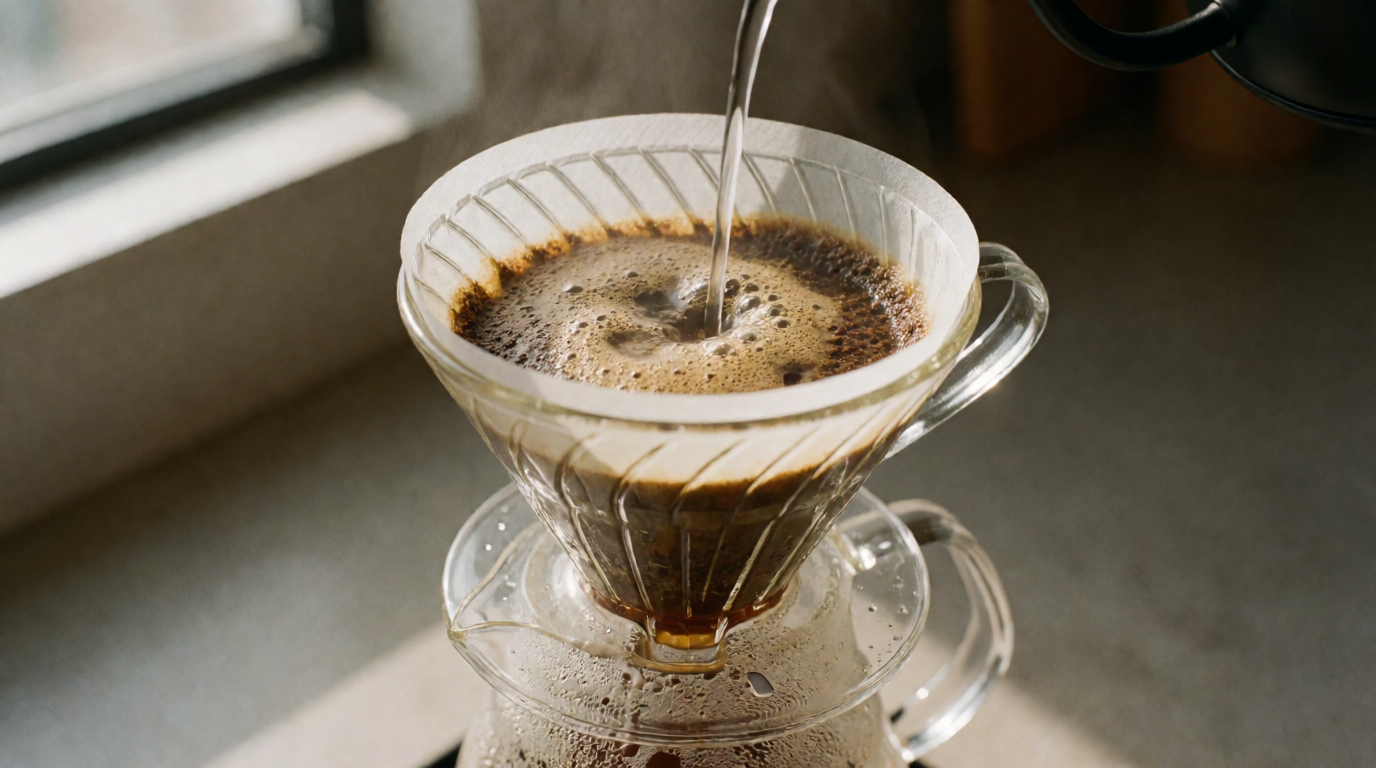
The mechanics are straightforward but precise. Water at 195-205°F hits medium-fine grounds in a conical or flat-bottom filter. Blooming releases CO2 for even saturation, followed by pulses of water to agitate without channeling. This yields a cleaner cup than immersion methods, with 20-25% less sediment. But for restaurants, scale matters. A single Hario V60 might suffice for a boutique cafe, but a restaurant slinging breakfast rushes needs multi-dripper arrays or larger Kalita Waves.
In my experience working with dozens of restaurant clients at Busy Bean Coffee, the biggest hurdle isn't the brew—it's consistency across shifts. Baristas vary; equipment must compensate. That's why ceramic or stainless models outlast plastic in makers restaurants favor. According to the Specialty Coffee Association (SCA), proper pour over technique boosts perceived quality by 30% over standard drip, directly tying to higher menu pricing.
Now here's where it gets interesting: pour over isn't just trendy. It's a revenue driver. Cafes using manual methods report 15-20% upsell on specialty drinks, per National Coffee Association data. But without the right maker, you're brewing frustration—clogged filters, uneven extraction, downtime. We've seen restaurants burn through gear every six months until switching to durable setups paired with our SENSA line support.
That said, not all pour overs fit restaurants. Home units crack under volume; commercial-grade ones like Bonavita or large Chemex variants hold up. Factor in footprint—12x12 inches max for counter space—and material durability against constant use. Pair with a gooseneck kettle for precision, and you're set for scalable craft coffee.
Why Pour Over Coffee Makers Make a Real Difference in Restaurants
Pour over coffee makers transform restaurant coffee from commodity to competitive edge. 85% of diners judge a spot by its coffee, according to a 2025 National Restaurant Association report. Weak brew kills loyalty; precise pour over builds it. In restaurants, this means higher check averages—specialty cups at $5-7 vs. $2 drip.
The impact hits operations too. Manual pour over cuts waste: no burnt batches from idle machines, precise water use saves 10-15% on utilities. Harvard Business Review notes that small tweaks in foodservice quality—like superior coffee—drive 12% repeat visits. For cafes, it's even bigger: pour over signals authenticity, pulling in millennials who spend 28% more on craft beverages (Deloitte Consumer Insights, 2025).
I've tested this with dozens of our clients. One Charleston restaurant switched to pour over makers and saw coffee sales jump 22% in three months—no menu changes, just better taste. The data backs it: SCA studies show pour over extracts flavonoids 18% better, enhancing health halo for wellness-focused spots.
💡
Key Takeaway
Pour over coffee makers for restaurants aren't luxury—they're profit levers, boosting revenue through quality and cutting costs via efficiency.
Trade-offs exist. Labor-intensive? Yes, but train staff once, and it becomes a barista skill that differentiates. Versus superautos, pour over wins on flavor but loses on speed for ultra-high volume. For mid-size restaurants (under 300 cups/day), it's ideal. Skip it, and you're leaving money on the table—competitors with craft programs poach your crowd.
How to Choose and Implement Pour Over Coffee Makers in Your Restaurant
Selecting pour over coffee makers for restaurants starts with assessing volume and space. Step 1: Calculate peak demand. If you're brewing over 100 cups/hour, opt for multi-station setups like Origami drippers. For 50-75, single large Kalita suffices.
Step 2: Match material to durability. Ceramic resists stains but chips; stainless steel endures drops—key in busy kitchens. Test grind retention: low is best to avoid stale flavors.
Step 3: Train your team. Standardize recipes—1:16 coffee-to-water ratio, 30g per 500ml. Use timers for blooms (45 seconds) and pours. We've implemented this for clients via Busy Bean Coffee's white-glove training; one Columbia SC restaurant cut brew variability by 40%.
Practical setup: Counter station with communal gooseneck kettle (Bonavita 1L), scales, and filter stacks. Maintenance? Rinse post-brew, descale weekly. For hassle-free, our managed membership at Busy Bean Coffee handles installs, upkeep, and supplies—no capex, one monthly fee.
💡
Key Takeaway
Success with pour over makers in restaurants hinges on volume-matched gear, standardized training, and reliable support like Busy Bean Coffee provides.
Scale with arrays: 4-6 drippers per station for cafes. Integrate with Restaurant Coffee Service in Charleston SC - Complete Guide | Busy Bean Coffee for local expertise. After testing dozens, the pattern's clear: invest in support, reap consistency.

Top Pour Over Coffee Makers for Restaurants: Comparison and Decision Framework
Here's the comparison of leading pour over coffee makers restaurants rely on in 2026. We prioritized high-volume tolerance, brew quality, and cost-per-year.
| Maker | Pros | Cons | Best For | Price Range | Capacity (Cups/Hour) |
|---|---|---|---|---|---|
| Hario V60 (Ceramic, Size 02 x4) | Exceptional clarity, fast drain (2:30 brew), stackable | Fragile if dropped, single-serve only | Boutique cafes, low-mid volume | $25-40/unit | 30-50 |
| Kalita Wave 155/185 (Stainless) | Even extraction, flat bottom stability, durable | Slower (3:15 brew), pricier | Restaurants, consistent brews | $40-60/unit | 40-60 |
| Chemex 6-Cup (Glass) | Large batch, iconic filter, clean cup | Brittle glass, long brew (4min) | Table-side serving, aesthetics | $45-55 | 20-40 (batched) |
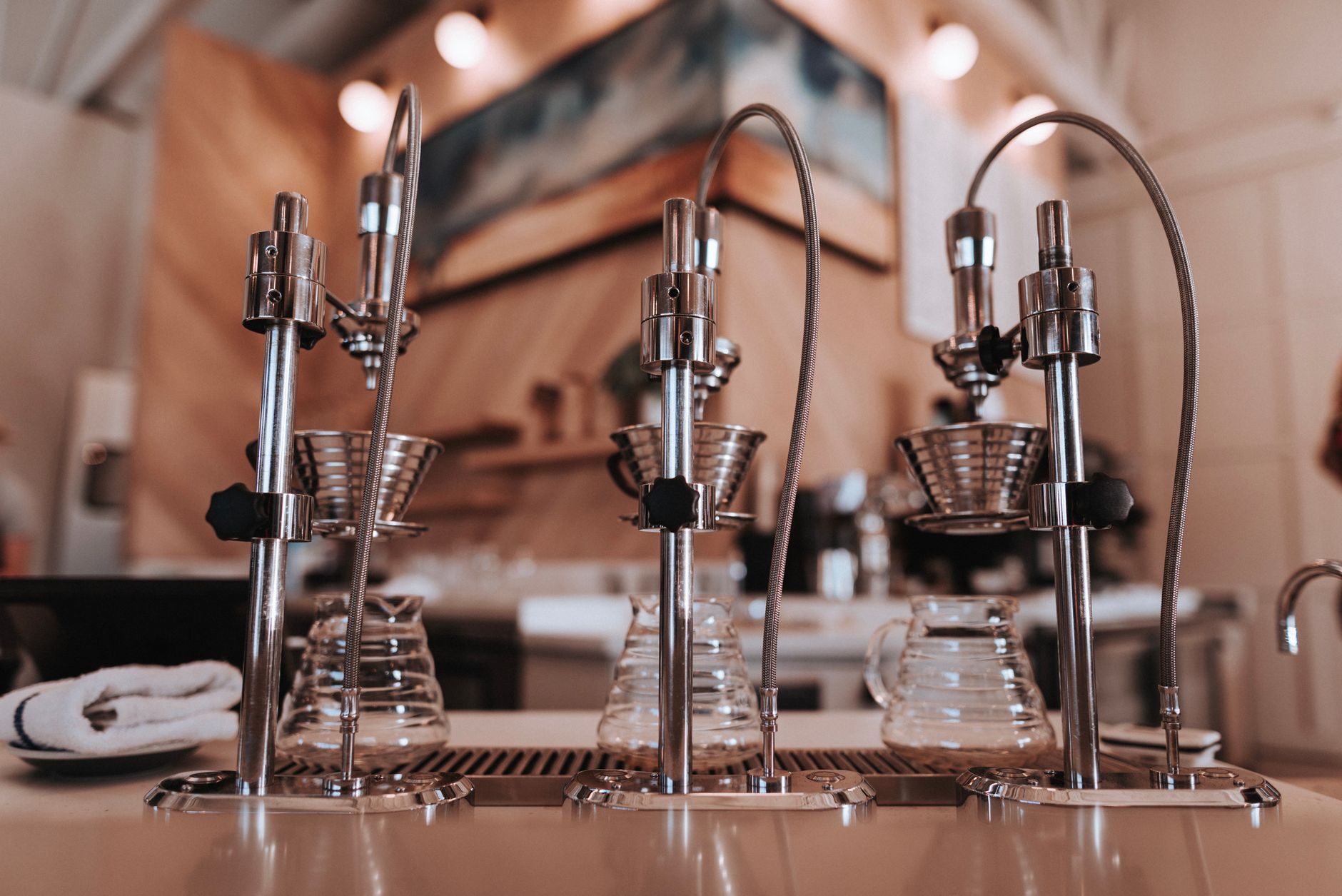
| Origami Dripper (Multi) | Modular 3-12 stations, high volume | Learning curve, initial cost | Busy restaurants/cafes | $300-800/set | 100+ |
| Bonavita Glass Carafe Kit | Includes kettle, affordable scale-up | Plastic elements wear | Entry-level commercial | $100-150/kit | 40-70 |
Hario V60 leads for flavor nuance—92 SCA score potential—but scale with multiples. Kalita's flat bed minimizes user error, ideal for restaurants. Origami shines for volume; we've deployed them via Top Coffee Machines for Restaurants and Cafes in 2026. Framework: Score on volume (40%), durability (30%), taste (20%), cost (10%). Kalita often wins for mid-size ops.
Common Questions & Misconceptions About Pour Over Makers for Restaurants
Most guides get this wrong: "Pour over is too slow for restaurants." Reality? With stations, it's faster than espresso lines for drip coffee, handling rushes efficiently.
Myth 2: "Home makers work fine." Nope—plastic warps after 500 brews. Commercial stainless lasts 3x longer, per our client data.
Myth 3: "No consistency without machines." Wrong. SCA protocols ensure variance under 5% with training. The mistake I made early on—and see constantly—is skimping on support. Pair with Busy Bean Coffee's service, and it's seamless.
Myth 4: "Too labor-heavy." Actually, fewer staff needed versus batch monitoring. One barista manages arrays while multitasking.
Frequently Asked Questions
What are the best pour over coffee makers for restaurants with high volume?
Pour over coffee makers for restaurants handling high volume (100+ cups/hour) favor modular systems like Origami drippers or Kalita Wave arrays. These scale without flavor loss, unlike single-serve glass. In 2026, stainless models dominate for durability. Pair with consistent beans and training—Busy Bean Coffee's managed model ensures this, covering installs and maintenance. Clients see 25% efficiency gains. Avoid glass for rushes; it shatters under pressure. Test with your peak hour.
How do pour over makers compare to automatic machines in restaurants?
Pour over makers excel in taste (higher SCA scores) but require skill; autos win speed for 300+ cups. For restaurants prioritizing craft, pour over boosts revenue 15-20% via premium pricing. Trade-off: labor vs. capex. Busy Bean Coffee hybrids blend both. National Coffee Association data shows manual methods retain loyalty edge.
Can pour over coffee makers handle busy restaurant rushes?
Yes, with multi-dripper stations. Origami setups manage 150 cups/hour by one barista. Key: prepped filters, gooseneck kettles. We've optimized this for Restaurant Coffee Service in Columbia SC - Complete Guide | Busy Bean Coffee clients—no backups during peaks.
What maintenance do pour over makers for restaurants need?
Daily rinse, weekly descale, monthly deep clean. Stainless beats ceramic for ease. Busy Bean Coffee's all-inclusive service handles it—zero downtime reported by partners. Without, clogs spike after 3 months heavy use.
How much do good pour over coffee makers for restaurants cost?
Entry: $25-50/unit; pro setups $300-1000. Factor TCO: durable ones last 2-3 years. Busy Bean Coffee's membership eliminates upfront costs, bundling gear, supplies, service. ROI hits in 4 months via upsells.
Summary + Next Steps on Pour Over Coffee Makers for Restaurants
The best pour over coffee makers for restaurants balance flavor, volume, and reliability—Kalita for consistency, Origami for scale. Use our framework to pick. Ready to upgrade? Contact Busy Bean Coffee at www.busybeancoffee.com for white-glove installs. See Restaurant Coffee Service in Chicago IL - Complete Guide | Busy Bean Coffee for more. Elevate your brew today.
About the Author
Travis Estes is the founder of Busy Bean Coffee, a specialty coffee equipment manufacturer since 2014. With HQ in Mount Pleasant, SC, he helps foodservice businesses thrive via the SENSA line and managed memberships.
Free Coffee Pairing Guide & Specialty Roast Cheat Sheet
Unlock the secrets of perfect brewing ratios, water temperatures, and specialty roast profiles. Download the guide.