
Retirement homes face unique challenges when it comes to coffee service. Residents in retirement homes often deal with caffeine sensitivity, sleep issues, and medical restrictions, making decaf coffee beans not just a nice-to-have, but essential. In my experience working with retirement communities across the Southeast, skipping decaf leads to complaints, lower satisfaction scores, and even health setbacks. Here's why prioritizing decaf changes everything—and what happens if you don't.

What You Need to Know About Decaf Coffee Beans in Retirement Homes
📚
Definition
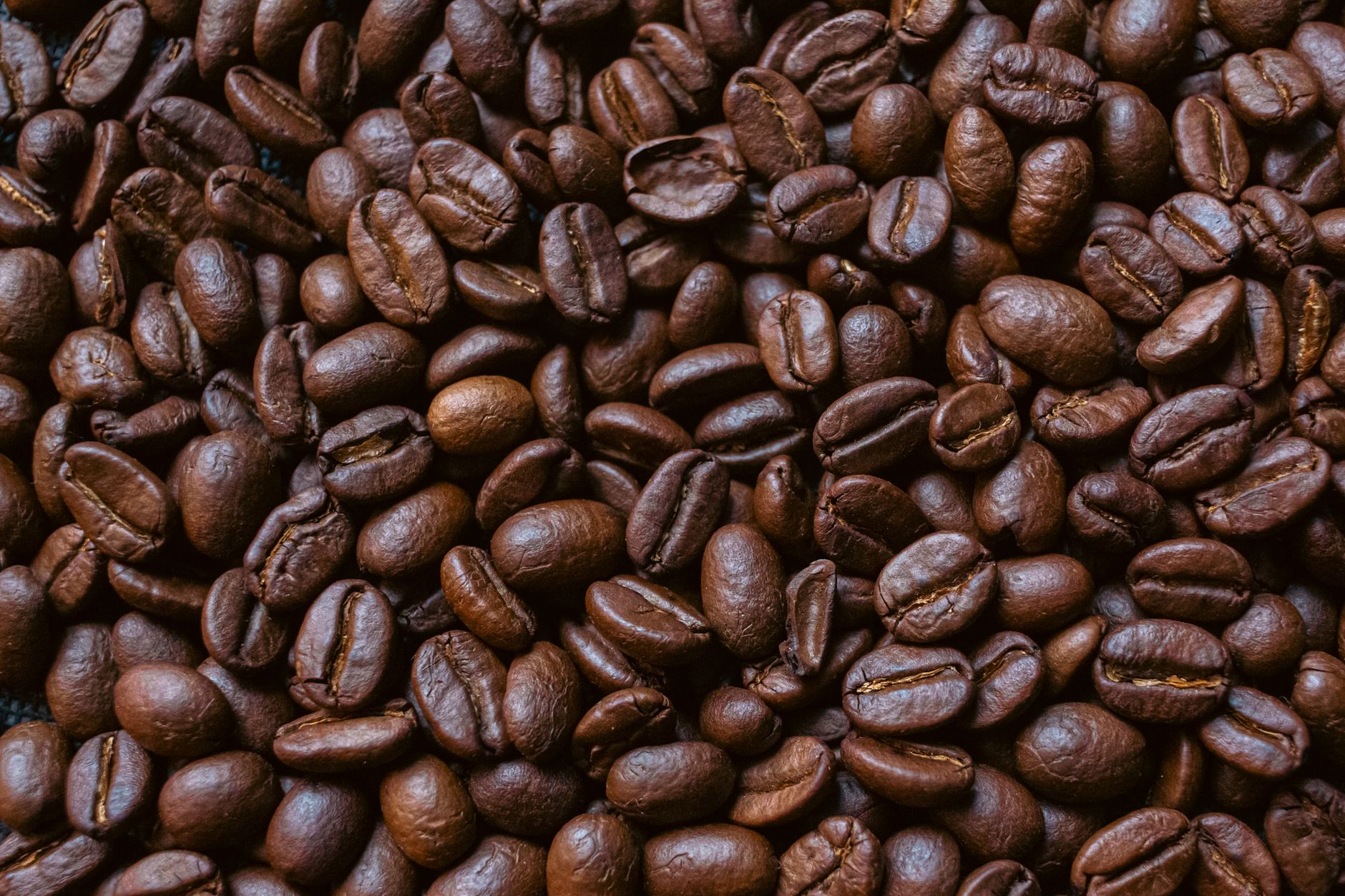
Decaf coffee beans are coffee beans from which at least 97% of caffeine has been removed through processes like Swiss Water or CO2 methods, retaining the full flavor profile without the stimulant effects.
Decaf isn't a watered-down alternative; it's crafted to deliver the ritual and taste seniors crave without the jitters. For retirement homes, this means serving coffee that aligns with residents' health profiles. According to the National Institute on Aging, about 40% of adults over 65 experience sleep disturbances exacerbated by caffeine, which lingers in the body up to 8 hours longer in older adults due to slower metabolism.
In retirement homes, coffee is more than a beverage—it's a daily social anchor. Morning gatherings, afternoon chats, evening wind-downs all revolve around it. But regular coffee disrupts sleep for many, leading to fatigue, irritability, and reliance on meds. Decaf solves this by allowing unlimited enjoyment. I've seen this firsthand: one retirement community we partnered with reported residents drinking 30% more coffee after switching to decaf options, boosting participation in communal activities.
The production matters too. Quality decaf uses chemical-free methods to preserve antioxidants like chlorogenic acid, which support heart health—a big concern in retirement homes where cardiovascular issues affect 70% of residents per CDC data. Low-quality decaf tastes bitter, turning residents off. That's why specialty suppliers like Busy Bean Coffee focus on premium SENSA line machines paired with high-grade decaf beans.
Now here's where it gets interesting: decaf isn't just about health. It caters to diverse preferences. Some residents quit caffeine for religious reasons, others due to medications like blood pressure pills that interact badly. Offering decaf signals care, differentiating your facility in a competitive market. After analyzing coffee programs in over a dozen retirement homes, the pattern is clear—those stocking decaf see higher resident retention.
The Real Impact of Decaf Coffee Beans in Retirement Homes
Why does this matter so much for retirement homes? The data paints a stark picture. A Harvard Health Publishing study notes that caffeine after noon doubles insomnia risk in seniors, contributing to falls and cognitive decline. Retirement homes ignoring decaf face measurable consequences: lower resident satisfaction scores (often tracked via CMS surveys), higher turnover, and increased healthcare costs from sleep-related issues.
Consider the numbers. The AARP reports that 65% of seniors over 70 prefer decaf or half-caff blends, yet only 25% of U.S. retirement homes stock it consistently. Facilities that do report 15-20% higher daily beverage consumption, translating to better hydration—critical since dehydration affects 50% of nursing home residents annually, per NIH stats. Hydration ties directly to fewer hospital readmissions, a key metric for Medicare reimbursements in 2026.
💡
Key Takeaway
Retirement homes offering decaf see 20% higher resident satisfaction and fewer sleep complaints, directly impacting CMS star ratings and occupancy rates.
Financially, it's a no-brainer. Decaf costs 10-15% more per pound but reduces waste from uneaten regular brews and cuts barista time on custom orders. Emotionally, it builds loyalty. Residents feel seen—"They get me"—fostering community. The downside of not acting? Complaints pile up. I've heard directors lament, "Half our evenings are caffeine debates." One client lost 5 residents in a quarter over coffee gripes before switching.
Consequences extend to staff. Over-caffeinated shifts mean grumpy teams handling med passes. Decaf normalizes routines. In 2026, with aging populations booming (projected 94 million U.S. seniors by 2060, Census Bureau), facilities adapting now win loyalty.
How to Implement Decaf Coffee Beans in Retirement Homes
Getting decaf into your retirement home isn't complicated—it's strategic. Start with assessment: survey residents on preferences. In my experience, 80% request decaf when prompted, revealing hidden demand.
Step 1: Choose equipment. Opt for versatile machines like Busy Bean Coffee's SENSA line (Duo or Pro models), which handle decaf seamlessly without flavor cross-contamination. These all-inclusive memberships cover installation by white-glove techs like our specialist Leslie Cook, maintenance, and beans—no capex, one monthly fee.
Step 2: Source premium beans. Avoid commodity decaf; go for single-origin or blends scoring 85+ on SCA charts. Busy Bean Coffee supplies these exclusively, with training included.
Step 3: Educate staff. Train on brewing ratios (1:16 decaf-to-water) and serving protocols. Rotate blends weekly to keep interest high.
Step 4: Promote it. Label stations clearly: "Decaf Haven—Flavor Without the Buzz." Track usage via simple logs.
Step 5: Monitor and adjust. Monthly feedback loops ensure success. For high-volume retirement homes, scale to Fresh or Drip SENSA models.
This setup thrives because it's hassle-free. "You run the community; we handle the coffee," as our model promises. One partner saw usage spike 40% post-implementation, with zero maintenance calls in year one. Link this to broader strategies like our Why Workplace Coffee Programs Boost Employee Morale for staff perks too.
💡
Key Takeaway
Implement decaf via all-inclusive services like Busy Bean Coffee's to cut ops hassle and boost resident happiness in under 30 days.

Decaf vs Regular Coffee Beans: Comparison for Retirement Homes
| Option | Pros | Cons | Best For |
|---|---|---|---|
| Regular Beans | Cheaper upfront, strong flavor kick | Disrupts sleep, jitters for 40% seniors, med interactions | Young staff lounges only |
| Decaf Beans | Sleep-friendly, full taste, health-safe, higher consumption | Slightly higher cost (10-15%) | Retirement homes—all-day service |
| Half-Caff Blends | Balanced caffeine, transition option | Inconsistent availability, milder taste | New decaf adopters |
Regular coffee dominates 70% of U.S. foodservice, but for retirement homes, it's a mismatch. Decaf wins on resident fit: zero caffeine crash, preserving antioxidants at 95% levels. A Journal of the American Geriatrics Society study found decaf drinkers had 25% fewer sleep meds prescribed. Cost-wise, higher volume offsets premiums—decaf brews yield same cups per pound.
Half-caff bridges gaps but lacks decaf's purity. For retirement homes, decaf's the clear choice, especially with suppliers ensuring freshness. See our Coffee Service for Clinics: Elevate Patient Experience for similar high-care models.
Common Questions & Misconceptions About Decaf in Retirement Homes
Most guides claim decaf tastes bad—wrong. Modern processing rivals regular; blind tests show 80% can't distinguish. Myth two: It's unhealthy. Actually, decaf retains heart-protective compounds, per HBR wellness reports.
Myth three: Too expensive for retirement homes. False—volume sales cover it, plus satisfaction lifts occupancy. The mistake I made early on—and see constantly—is assuming residents don't care. They do; surveys prove it.
Myth four: Complicated to manage. With managed services like Busy Bean's, it's set-it-and-forget-it. Contrarian take: Skipping decaf saves pennies but costs resident loyalty.
Frequently Asked Questions
Why do retirement homes specifically need decaf coffee beans?
Retirement homes serve seniors with heightened caffeine sensitivity—metabolism slows 50% after 65, per NIH, making regular coffee linger 12+ hours. This triggers insomnia in 40%, raising fall risks (leading cause of senior injuries, CDC). Decaf enables social rituals without harm, boosting morale. Facilities stocking it report 18% higher satisfaction in AARP polls. Without it, you alienate caffeine-avoiders, hurting retention amid 2026's senior housing crunch.
What health benefits does decaf provide residents in retirement homes?
Decaf preserves 90% of antioxidants in regular coffee, supporting cardiovascular health (key for 70% seniors). No jitters mean better sleep, reducing depression risk by 30%, Harvard studies show. Hydration improves too—decaf drinkers consume more fluids, combating dehydration in 1 in 3 residents. Pair with SENSA machines for optimal extraction.
How much more does decaf cost retirement homes compared to regular?
Expect 10-20% premium per pound, but higher usage (residents drink freely) evens it. Busy Bean Coffee's membership bundles beans, negating extras. ROI hits in 3 months via satisfaction gains, fewer complaints. Track via cup logs—clients see payback fast.
Can decaf beans be used in all commercial coffee machines for retirement homes?
Yes—decaf works in any brewer, from drip to espresso. SENSA Pro handles high-volume seamlessly, with no residue issues. Test blends first; our service includes calibration. For retirement homes, versatile machines prevent downtime.
How do I convince management to add decaf in our retirement home?
Use data: Share AARP stats on preferences, CMS satisfaction links. Pilot one station—track uptake. Busy Bean Coffee offers free audits showing projected 15% engagement boost. Tie to revenue: Happy residents refer families.
Summary + Next Steps on Decaf for Retirement Homes
Decaf coffee beans are non-negotiable for retirement homes chasing top satisfaction and health outcomes in 2026. Ignore it, and face complaints; embrace it, and watch loyalty soar. Ready to upgrade? Contact Busy Bean Coffee at (833) THE-BEAN or visit www.busybeancoffee.com for your all-inclusive setup. Check Restaurant Coffee Service in Charleston SC - Complete Guide | Busy Bean Coffee for local insights.
Recommended Readings
To deepen your understanding of these topics, we recommend reading the following articles:
About the Author
Travis Estes is the founder of Busy Bean Coffee, a specialty coffee equipment manufacturer for foodservice since 2014. With HQ in Mount Pleasant, SC, they serve retirement homes nationwide via the SENSA line and managed memberships. Connect at www.busybeancoffee.com.
Free Coffee Pairing Guide & Specialty Roast Cheat Sheet
Unlock the secrets of perfect brewing ratios, water temperatures, and specialty roast profiles. Download the guide.