📖This article is part of the complete guide to Ultimate Guide to Office Coffee Solutions for Businesses.
The workplace coffee break has evolved far beyond the days of stale, burnt drip coffee sitting in a glass pot for hours. In 2026, the office coffee experience is a strategic tool for employee satisfaction, productivity, and even recruitment. The latest office coffee trends reflect a shift toward specialty-grade beverages, all-inclusive managed services, and sustainable practices that align with modern workplace values.
For comprehensive context on how these trends translate into hardware choices, see our Ultimate Guide to Office Coffee Brewers for Business.
What Are the Top Office Coffee Trends in 2026?
📚
Definition
Office coffee trends refer to the prevailing preferences, technologies, and service models that define how businesses provide coffee to their employees and guests. These trends are driven by changing consumer habits, technological advancements, and a focus on employee experience.
The coffee industry has undergone a remarkable transformation over the past decade. According to the National Coffee Association's 2025 report, 70% of Americans drink coffee weekly, and the specialty coffee segment—which includes lattes, cappuccinos, and single-origin pour-overs—has grown to account for 62% of all coffee consumed (National Coffee Association, 2025). This shift in consumer preference has directly influenced what employees expect from their workplace coffee program.
Gone are the days when a simple drip brewer sufficed. Today's workforce, particularly millennials and Gen Z who now make up the majority of the labor force, has been trained by third-wave coffee shops like Blue Bottle, Stumptown, and Intelligentsia. These employees expect fresh-ground, properly extracted coffee with options for milk-based drinks. A 2024 survey by the Society for Human Resource Management (SHRM) found that 47% of employees rated high-quality office coffee as a "very important" factor in job satisfaction, up from 32% in 2020 (SHRM, 2024).
Why Office Coffee Trends Matter for Your Business
The implications of ignoring these office coffee trends extend far beyond a few grumpy employees. Research from McKinsey's 2025 Future of Work report indicates that companies investing in workplace amenities see a 12% improvement in employee retention rates (McKinsey & Company, 2025). Coffee is the most used workplace amenity, making it a high-leverage investment.
1. Employee Satisfaction and Productivity
A well-executed coffee program signals that the company cares about its people. When employees have access to specialty coffee without leaving the office, they save time and money. A Harvard Business Review study found that employees who take a short coffee break with colleagues report 23% higher collaboration scores (Harvard Business Review, 2024). The key is quality—employees will not gather around a mediocre coffee station.
2. Talent Attraction and Retention
In a competitive labor market, small perks differentiate employers. According to Glassdoor's 2025 Employer Branding Survey, 62% of job seekers consider workplace perks—including coffee quality—when evaluating offers (Glassdoor, 2025). Forward-thinking companies use their coffee program as a tangible demonstration of company culture.
3. Cost Savings for Employees
The average office worker spends $2,500 annually on coffee shop purchases, according to a 2024 study by Acorns. By providing premium coffee in-house, employers effectively give their staff a raise. This is especially relevant as inflation has pushed the average price of a latte above $5.50 in major metro areas.
For more on why upgrading your setup matters, see our guide on Office Coffee Machine Cost Breakdown and Savings.
How to Implement the Latest Office Coffee Trends
Implementing these trends requires a shift in mindset from "buying a coffee machine" to "designing a coffee experience." Here is a practical step-by-step approach based on what I have seen work for dozens of businesses across the country.
Step 1: Assess Your Workplace Demographics
Before purchasing equipment, understand your workforce. A tech startup with 50 engineers who drink espresso-based drinks will need a different solution than a medical office with 15 staff who prefer drip coffee. Conduct a quick survey—I have found that most companies discover their employees' preferences are more sophisticated than assumed.
Step 2: Choose the Right Equipment Platform
The trend in 2026 is toward bean-to-cup machines that grind fresh beans for each cup. These machines eliminate stale coffee and offer a variety of drinks. For businesses with 20–100 employees, a commercial-grade bean-to-cup brewer like the SENSA Duo or SENSA Fresh from Busy Bean Coffee provides fresh-ground coffee, espresso, and milk-based drinks in a single unit.
Step 3: Consider a Managed Service Model
One of the biggest office coffee trends is the shift away from capital purchases toward subscription-based managed services. Instead of buying a $10,000 machine and dealing with maintenance, companies pay a predictable monthly fee that covers equipment, installation, maintenance, and premium coffee. This is the model we pioneered at Busy Bean Coffee.
Step 4: Design the Coffee Station
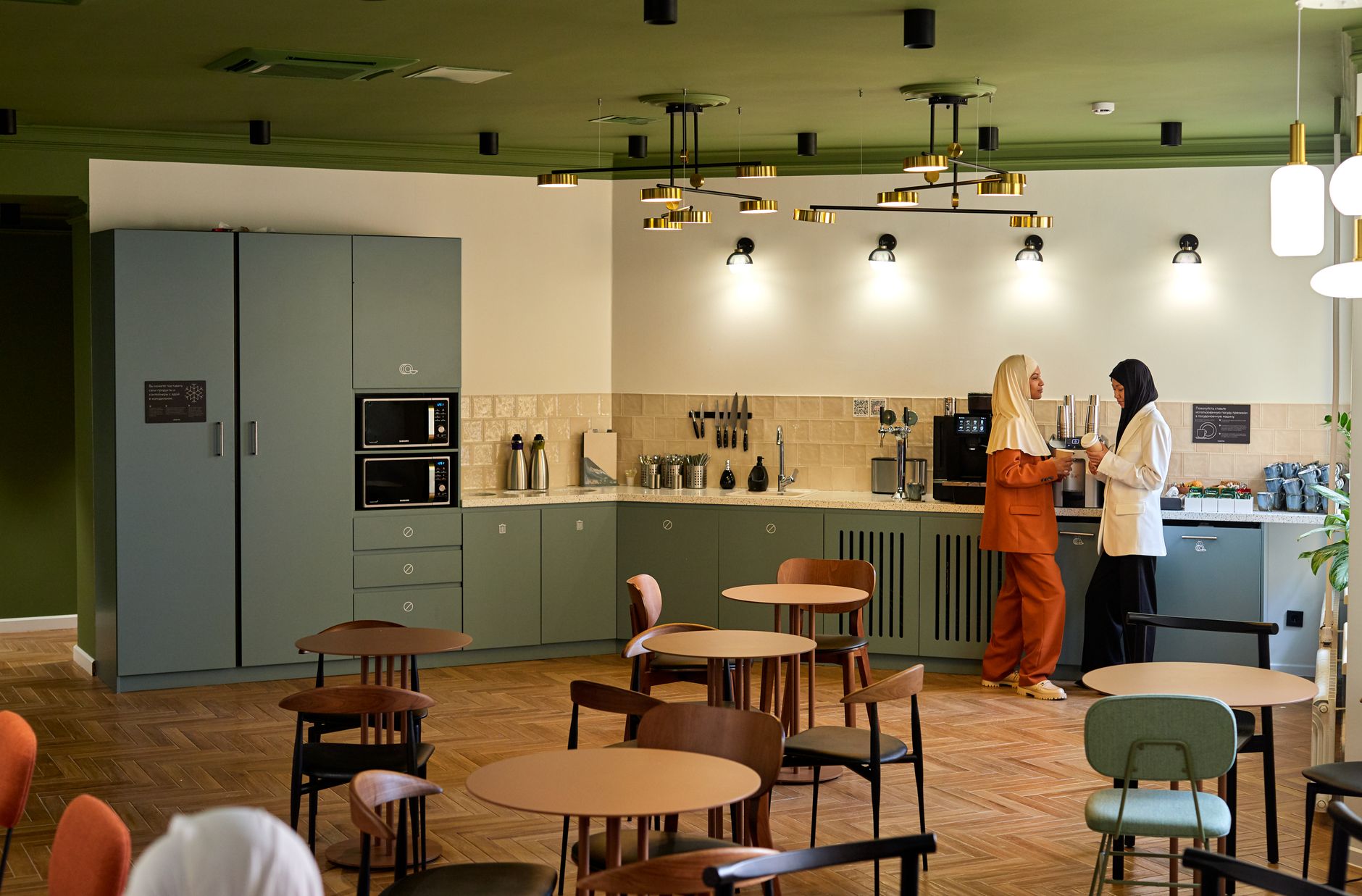
A dedicated coffee station with proper lighting, organized supplies, and comfortable seating encourages use. The trend is toward "coffee nooks" that feel like a specialty café rather than a break room corner.
Step 5: Train Your Team
Even the best equipment underperforms without proper use. White-glove training, which we provide as part of our managed membership, ensures that employees know how to use the machine and care for it.
For specific recommendations on popular equipment types, check out our guide on Bean-to-Cup Coffee Machines Ideal for Offices and Single-Serve Coffee Machines for Busy Offices.
Key Office Coffee Trends to Watch in 2026
Let us examine the most significant trends driving workplace coffee decisions this year.
Trend 1: Specialty Bean-to-Cup Machines
Traditional office coffee brewers produce a single type of coffee that sits on a hot plate, degrading in quality by the minute. Bean-to-cup machines grind whole beans immediately before brewing, ensuring every cup is fresh. According to a report by Grand View Research, the global bean-to-cup coffee machine market is projected to grow at a CAGR of 8.2% through 2030, driven by workplace adoption (Grand View Research, 2025).
Trend 2: Managed Coffee Memberships
The all-inclusive managed membership model is the fastest-growing segment in the office coffee industry. Companies like Busy Bean Coffee offer a single monthly fee that covers the SENSA equipment line, professional installation, ongoing maintenance, and premium specialty coffee. This eliminates capital expenditure and budget surprises.
Trend 3: Sustainability and Ethical Sourcing
Employees increasingly care about where their coffee comes from. The 2025 Specialty Coffee Association report noted that 73% of coffee drinkers consider sustainability important when choosing a coffee brand (Specialty Coffee Association, 2025). Offices are responding by partnering with roasters that offer direct-trade or Rainforest Alliance-certified beans.
Trend 4: Cold Brew and Nitro Coffee on Tap
Cold brew has moved from a summer novelty to a year-round staple. Offices are installing cold brew towers and nitro coffee taps that offer a smooth, creamy alternative to hot coffee. This trend is particularly popular in creative agencies and tech companies.
Trend 5: Contactless and Smart Machine Interfaces
Post-pandemic hygiene concerns persist, and touchless interfaces are now standard on new office coffee machines. Many modern machines feature smartphone app controls, allowing employees to queue their drink and receive a notification when it is ready.
Comparison: Traditional vs. Modern Office Coffee Solutions
| Feature | Traditional Drip Brewer | Modern Bean-to-Cup (e.g., SENSA) |
|---|---|---|
| Freshness | Coffee sits on hot plate, degrades | Grinds fresh beans per cup |
| Drink Variety | Black coffee only | Espresso, latte, cappuccino, drip |
| Maintenance | Manual cleaning, owner responsibility | Managed service, full support |
| Cost Model | Upfront purchase + ongoing supplies | Predictable monthly fee |
| Employee Satisfaction | Low | High |
Best Practices for Adopting Office Coffee Trends
Based on my experience working with businesses from law offices to retirement communities, here are the best practices for successfully implementing these trends.
1. Prioritize Quality Over Quantity
It is better to have one excellent coffee machine than two mediocre ones. A single SENSA Duo can serve 50–100 employees efficiently, producing specialty-grade drinks that employees actually look forward to.
2. Keep It Simple for Users
Employees should not need a barista certification to get a decent cup. Look for machines with intuitive touchscreens and preset drink options. The best setups allow someone to press one button and receive a perfectly extracted latte.
3. Plan for Maintenance
💡
Key Takeaway
The most common mistake companies make is ignoring maintenance. A broken machine erodes trust and sends employees back to Starbucks. Choose a provider like Busy Bean Coffee that includes white-glove maintenance in the membership.
4. Offer Variety
Not everyone wants the same drink. Ensure your coffee program includes options for drip coffee, espresso-based drinks, and cold brew. Also offer a selection of milks, including oat and almond, which are now expected in any modern workplace.
5. Measure ROI Beyond the Dollar
Track employee satisfaction scores, break room usage, and retention rates. Companies that measure these metrics consistently find that the investment in premium coffee pays for itself through reduced turnover and increased productivity.
For more on sizing your setup, see our Best Office Coffee Brewers for Small and Medium Teams guide.
Frequently Asked Questions
What are the most important office coffee trends for 2026?
The most important trends include the shift to bean-to-cup machines that grind fresh coffee for each serving, managed coffee memberships that eliminate capital expenditure, and a focus on sustainability and ethical sourcing. Cold brew on tap and smart, touchless interfaces are also gaining traction. Companies that adopt these trends report higher employee satisfaction and retention.
How much should a company budget for a premium office coffee program?
The cost varies based on the number of employees and the service model. Traditional capital purchases of commercial machines range from $3,000 to $15,000, plus ongoing supply costs. Managed membership models like Busy Bean Coffee's offer predictable monthly fees that include equipment, installation, maintenance, and coffee. For a mid-sized office of 50 people, a managed service typically costs less than the collective amount employees would spend at coffee shops.
Is a bean-to-cup machine better than a traditional drip brewer for an office?
For most modern offices, yes. Bean-to-cup machines offer superior freshness by grinding beans immediately before brewing, and they provide a wider variety of drinks, including espresso and milk-based options. Traditional drip brewers are simpler and cheaper upfront, but they produce lower-quality coffee that degrades quickly. The choice depends on your workforce's preferences and budget.
What is a managed coffee membership and how does it work?
A managed coffee membership is an all-inclusive service model where a provider supplies the coffee machine, installs it professionally, handles all maintenance and repairs, and provides premium coffee beans for a single predictable monthly fee. This model eliminates capital expenditure and budget surprises. Busy Bean Coffee pioneered this approach with our SENSA line and white-glove technician support.
How do office coffee trends impact employee retention?
Multiple studies show a direct correlation between workplace amenities and retention. A 2024 SHRM survey found that 47% of employees consider high-quality coffee important to job satisfaction. When employees feel their employer invests in their daily experience, they are more likely to stay. Additionally, a premium coffee program reduces the time employees spend leaving the office for coffee, keeping them on-site and productive.
Conclusion
The office coffee trends shaping 2026 are clear: employees expect specialty-grade coffee, businesses want predictable costs without capital risk, and sustainability matters more than ever. Companies that adapt to these trends position themselves as employers of choice, while those that ignore them risk falling behind in the competition for talent.
At Busy Bean Coffee, we have been helping businesses navigate these trends since 2014. Our managed membership model delivers premium SENSA equipment, white-glove installation, and ongoing support—all for one predictable monthly fee. We handle the coffee so you can run your business.
For a deeper dive into the equipment driving these trends, revisit our Ultimate Guide to Office Coffee Brewers for Business.
Ready to bring these trends to your workplace? Contact Busy Bean Coffee today for a free consultation and discover how our all-inclusive managed coffee service can transform your office.
Recommended Readings
To deepen your understanding of these topics, we recommend reading the following articles:
- Ultimate Guide to Office Coffee Solutions for Businesses
- Benefits of In-Office Coffee for Employee Productivity
- How to Cut Starbucks Costs with Office Coffee Service
- Managed Office Coffee Services Explained
About the Author
the author is the CEO & Founder of the company, a manufacturer of specialty coffee equipment for the foodservice industry since 2014. With a decade of experience equipping offices, hotels, and restaurants across the United States, he is uniquely qualified to guide businesses through the evolving landscape of workplace coffee.
Free Coffee Pairing Guide & Specialty Roast Cheat Sheet
Unlock the secrets of perfect brewing ratios, water temperatures, and specialty roast profiles. Download the guide.