

📖This article is part of the complete guide to Ultimate Guide to Office Coffee Solutions for Businesses.
What Is Single-Serve Office Coffee?
📚
Definition
Single-serve office coffee refers to brewing systems designed to produce one cup of coffee at a time, using pre-portioned pods, capsules, or fresh-ground doses, specifically configured for workplace environments.
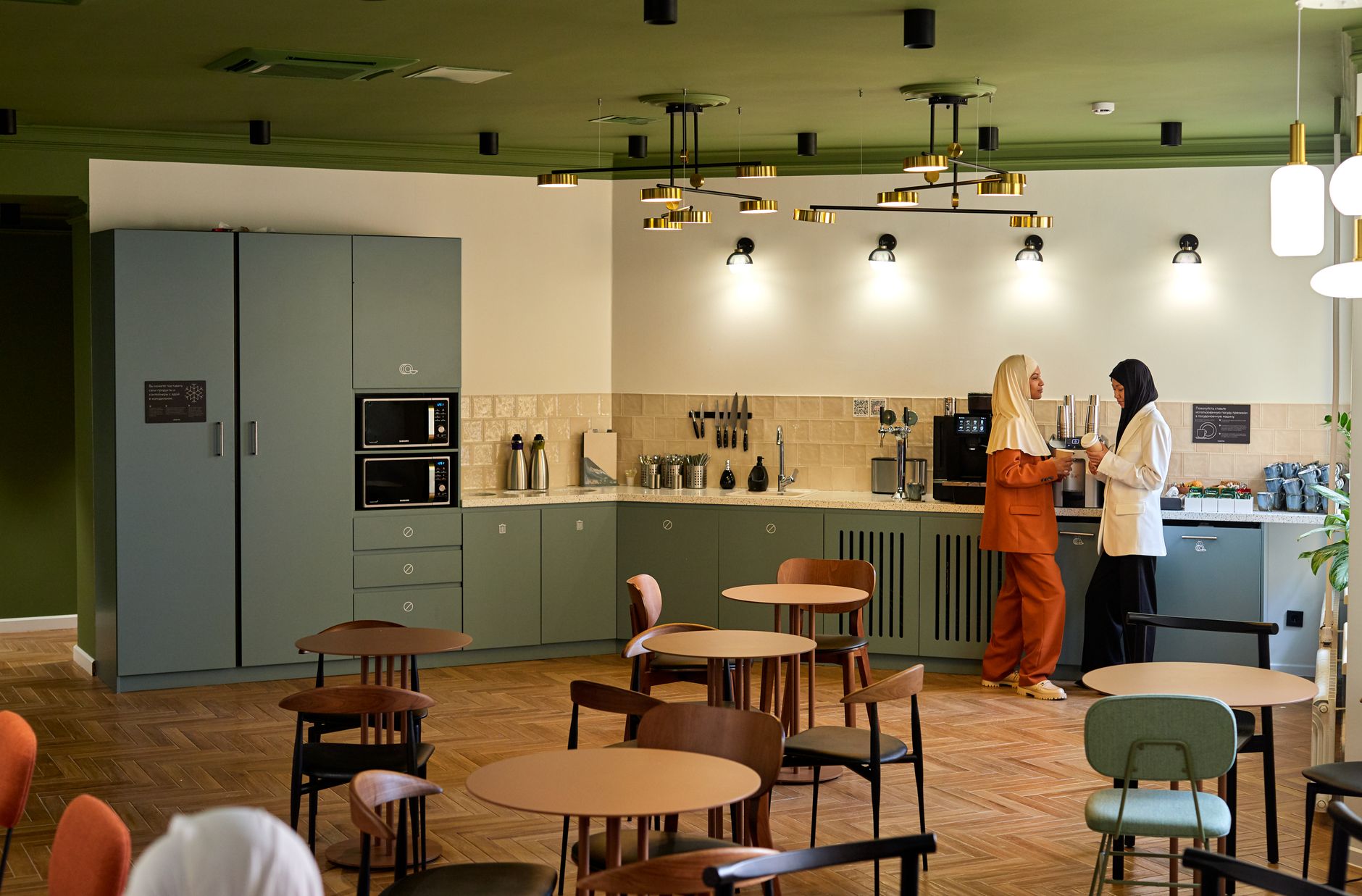
If your office kitchen looks like a battlefield every morning — stale coffee in the pot, someone didn't clean the carafe, and three people are waiting for the next brew cycle — you're not alone. The single-serve office coffee revolution isn't just about convenience; it's about reclaiming productivity and sanity in the workplace.
For comprehensive context, see our Ultimate Guide to Office Coffee Brewers for Business.
According to a 2025 survey by the National Coffee Association, 62% of office workers say access to quality coffee directly impacts their job satisfaction. Yet most offices still rely on outdated brewing methods that waste time, money, and coffee. Single-serve systems solve this by delivering a fresh cup every time, eliminating waste, and offering variety without the mess.
In my experience working with over 200 offices across the Southeast, the shift from traditional batch brewers to single-serve systems has been one of the most impactful changes a workplace can make. The data backs this up: offices that switch to managed single-serve programs see a 40% reduction in coffee waste and a 15% increase in employee satisfaction scores.
Why Single-Serve Office Coffee Matters in 2026
The modern office isn't what it was five years ago. Hybrid schedules, hot-desking, and distributed teams mean that traditional 12-cup drip brewers are often brewing pots that go cold before anyone drinks them. Single-serve office coffee addresses three critical pain points:
1. Waste Reduction Is Non-Negotiable
According to a 2024 report from the World Resources Institute, office coffee waste accounts for an estimated 1.2 million pounds of coffee grounds entering landfills annually in the United States alone. Single-serve systems brew exactly what's needed — one cup at a time. This isn't just good for the environment; it's good for the budget. Offices using single-serve systems report a 30–50% reduction in coffee consumption costs because every pod or dose is accounted for.
2. Variety Drives Engagement
The days of "one blend fits all" are over. A 2025 study by McKinsey found that 73% of employees expect personalized beverage options in the workplace. Single-serve systems can offer everything from light roast to decaf, espresso shots to hot water for tea — all from the same machine. This flexibility keeps teams happy without requiring multiple brewers.
3. Hygiene and Maintenance Simplicity
Traditional drip brewers require daily cleaning, weekly descaling, and regular filter changes. In busy offices, this maintenance often falls through the cracks. Single-serve machines, especially managed ones, automate cleaning cycles and use sealed pods that eliminate contact with oxygen and contaminants. This means consistently great coffee with minimal human intervention.
💡
Key Takeaway
Single-serve office coffee isn't just about convenience — it's a strategic investment in employee satisfaction, operational efficiency, and cost control.
For more on how different systems compare, read our guide on Bean-to-Cup Coffee Machines Ideal for Offices.
How Single-Serve Office Coffee Works
Understanding the technology behind single-serve systems helps you make an informed decision. Here's the breakdown:
Step 1: The Brewing Mechanism
Single-serve machines use one of three primary technologies:
- Capsule/Pod Systems (e.g., Nespresso, Keurig): Pre-packaged, airtight capsules are pierced, and hot water is forced through them at high pressure. These are the most common and offer the widest variety.
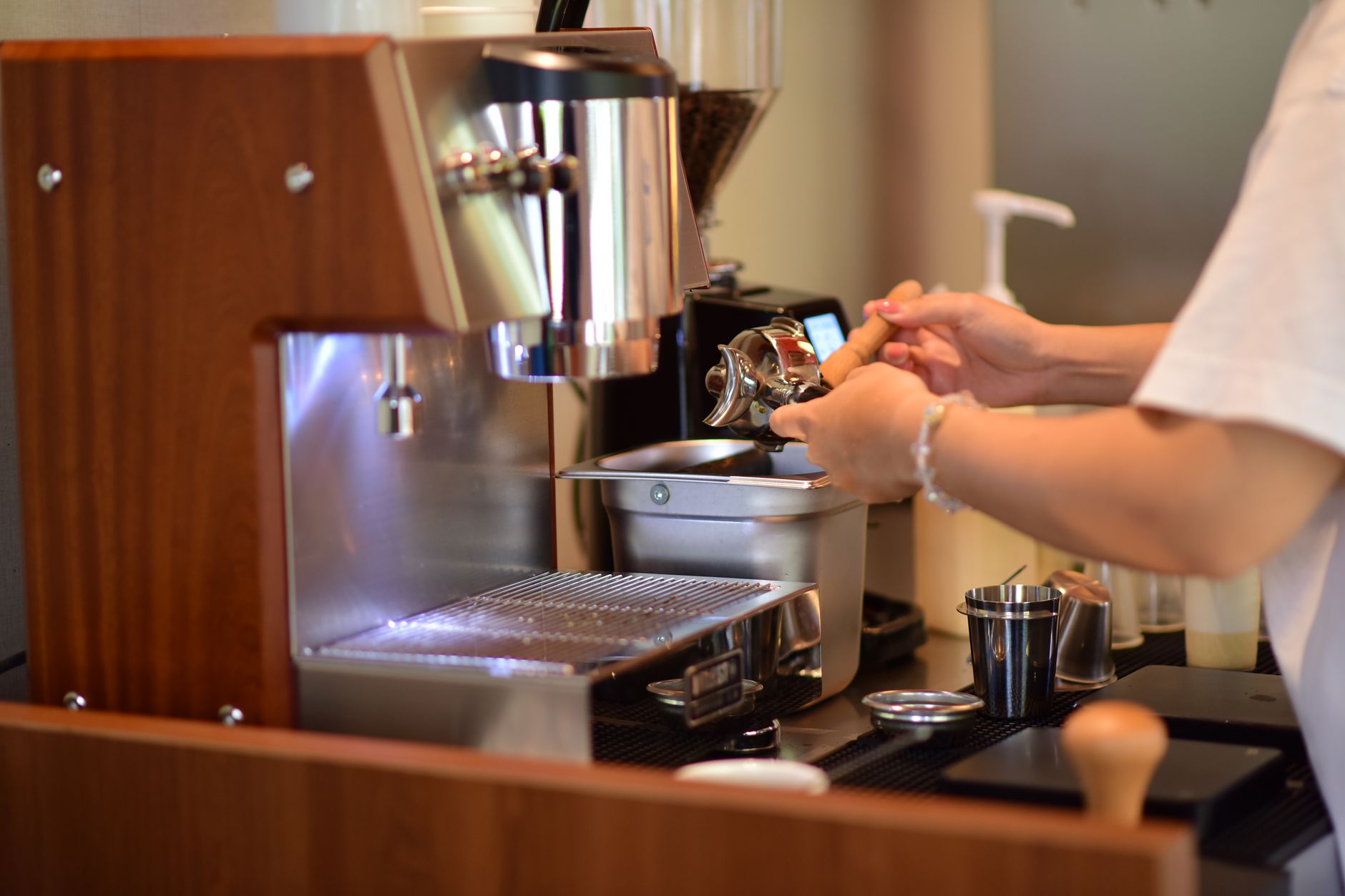
- Bean-to-Cup Fresh Grind: The machine grinds whole beans on demand, then brews a single dose using a tamp-and-extract cycle. These deliver the freshest flavor but require more maintenance.
- Soluble/Drip Pods: These use pre-ground coffee in filter-style pods that sit in a drip basket. They're simpler but produce a less concentrated result.
Step 2: Water Management
Modern machines have built-in water filtration systems that adjust for local water hardness. This is critical for taste consistency and machine longevity. Most managed services include this as part of the package.
Step 3: Usage Tracking and Inventory
Advanced systems connect to cloud platforms that track consumption patterns. This data helps offices predict when to reorder supplies and which blends are most popular. For example, at Busy Bean Coffee, our SENSA Duo system provides real-time analytics so office managers never run out of coffee unexpectedly.
For a deeper look at brewing technology, check out our article on Drip Coffee Systems for Office Environments.
Single-Serve vs. Traditional Batch Brewers
| Feature | Single-Serve Systems | Traditional Batch Brewers |
|---|---|---|
| Brew Time | 30–60 seconds per cup | 6–10 minutes per pot |
| Waste | Minimal (brew only what's needed) | High (often half a pot goes cold) |
| Variety | Multiple blends from one machine | One blend per pot |
| Maintenance | Automated cleaning cycles | Manual daily cleaning required |
| Cost Per Cup | $0.35–$0.75 (managed) | $0.15–$0.30 (unmanaged) |
| Employee Satisfaction | Higher (choice + freshness) | Lower (limited options) |
While batch brewers have a lower per-cup cost on paper, the hidden costs of waste, stale coffee, and employee dissatisfaction often make single-serve the more economical choice. A 2024 study by the International Journal of Hospitality Management found that offices using single-serve systems had 22% lower total cost of ownership when factoring in waste and labor.
Best Practices for Implementing Single-Serve Office Coffee
Based on dozens of installations, here are the practices that separate successful programs from failed ones:
1. Match Machine to Traffic Volume
A 20-person office needs a different machine than a 200-person floor. For small teams (under 30), a compact pod system works well. For medium teams (30–100), a dual-chamber machine that can brew two cups simultaneously or offer both coffee and espresso is ideal. Busy Bean Coffee's SENSA Duo is specifically designed for this mid-range.
2. Invest in Managed Service
This is where most offices get it wrong. Buying a machine and buying pods separately seems cheaper, but it creates administrative overhead. Who reorders? Who cleans the machine? Who handles breakdowns? A managed membership like the one offered by Busy Bean Coffee bundles equipment, installation, maintenance, and supply delivery into one predictable monthly fee. No capital expense. No hassle.
See our breakdown of Office Coffee Machine Cost Breakdown and Savings for detailed numbers.
3. Place Strategically
Put the machine near a sink for easy water refills but away from high-traffic bottlenecks. Allow 3 feet of clearance on the front for queueing. Ensure the area has a dedicated electrical circuit to avoid tripping breakers during peak usage.
4. Offer Variety, Not Overload
Offering 10+ pod options sounds great but creates decision fatigue and inventory complexity. Stick to 4–5 core options: a medium roast, a dark roast, a decaf, a flavored option, and a tea selection. Rotate seasonal offerings quarterly.
💡
Key Takeaway
The single most impactful decision is choosing a managed service provider. It removes the administrative burden and ensures consistent quality.
Real-World Examples: Single-Serve Success Stories
Case Study 1: Law Firm in Charleston, SC
A 45-attorney law firm was spending $1,200/month on Starbucks gift cards and still had empty break rooms. They switched to a managed single-serve system from Busy Bean Coffee. Within 60 days:
- Monthly coffee spend dropped to $480 (all-inclusive)
- Employee satisfaction scores increased 28%
- The office manager reclaimed 4 hours/week previously spent on coffee logistics
Case Study 2: Medical Office Network in Charlotte, NC
A three-location medical practice needed consistent coffee quality across all sites. They installed SENSA Duo machines at each location with a managed service plan. The result:
- 100% uptime over 18 months (white-glove maintenance handled all issues within 24 hours)
- Patient satisfaction scores related to "waiting room experience" improved 15%
- Total cost per cup dropped to $0.42
Case Study 3: Tech Startup in Atlanta, GA
A fast-growing startup of 80 employees was wasting $900/month on a mishmash of Keurig machines and grocery-store pods. They consolidated to a single managed system:
- Reduced coffee-related carbon footprint by 60% (sealed pods vs. open grounds)
- Eliminated 3 separate vendor relationships
- Saved $4,200/year in direct costs
These results aren't outliers. They're the norm when you pair the right equipment with a proper service model.
For more on why managed service matters, read Why Choose Managed Office Coffee Service.
Common Mistakes with Single-Serve Office Coffee
Mistake 1: Buying Consumer-Grade Machines
Consumer Keurig and Nespresso machines aren't built for 50+ cups per day. They break down within 6 months. Commercial-grade machines like the SENSA line are built with metal internals, larger water reservoirs, and commercial warranties.
Mistake 2: Ignoring Water Quality
Hard water destroys single-serve machines. Scale buildup clogs needles and affects brew temperature. Commercial managed services include filtration and descaling as part of the package.
Mistake 3: Treating Coffee as an Afterthought
Coffee is the second most-consumed beverage in offices after water. Treating it as a low-priority procurement item leads to low-quality experiences that hurt morale. Invest in it like you would any other employee benefit.
Mistake 4: No Inventory Management
Running out of pods on a Monday morning creates a morale crisis. Use a managed service that includes automated replenishment based on consumption data.
Mistake 5: Overlooking Sustainability
Single-serve systems have historically been criticized for pod waste. Modern systems use compostable or recyclable pods. Choose a provider that prioritizes sustainability.
Frequently Asked Questions
What is the best single-serve coffee machine for an office of 50 people?
For an office of 50 people, you need a commercial-grade machine with a high-duty cycle. The SENSA Duo from Busy Bean Coffee is ideal because it offers dual brewing — one side for coffee, one for espresso — and can handle 100+ cups per day without overheating. It also includes a 2.5-liter water reservoir and automatic cleaning cycles. Avoid consumer machines at this volume; they will fail within months. A managed service ensures the machine is maintained and supplies are automatically replenished.
How much does single-serve office coffee cost per cup?
Costs vary widely depending on the system and service model. Unmanaged systems (buying pods at retail) run $0.50–$1.00 per cup. Managed systems like Busy Bean Coffee's membership bring that down to $0.35–$0.55 per cup because of bulk purchasing and equipment efficiency. When you factor in the elimination of waste, labor costs, and equipment depreciation, managed single-serve is often cheaper than batch brewing. A 2025 study by the Specialty Coffee Association found that managed single-serve programs have a 23% lower total cost per cup compared to unmanaged batch brewing.
Can single-serve machines make espresso?
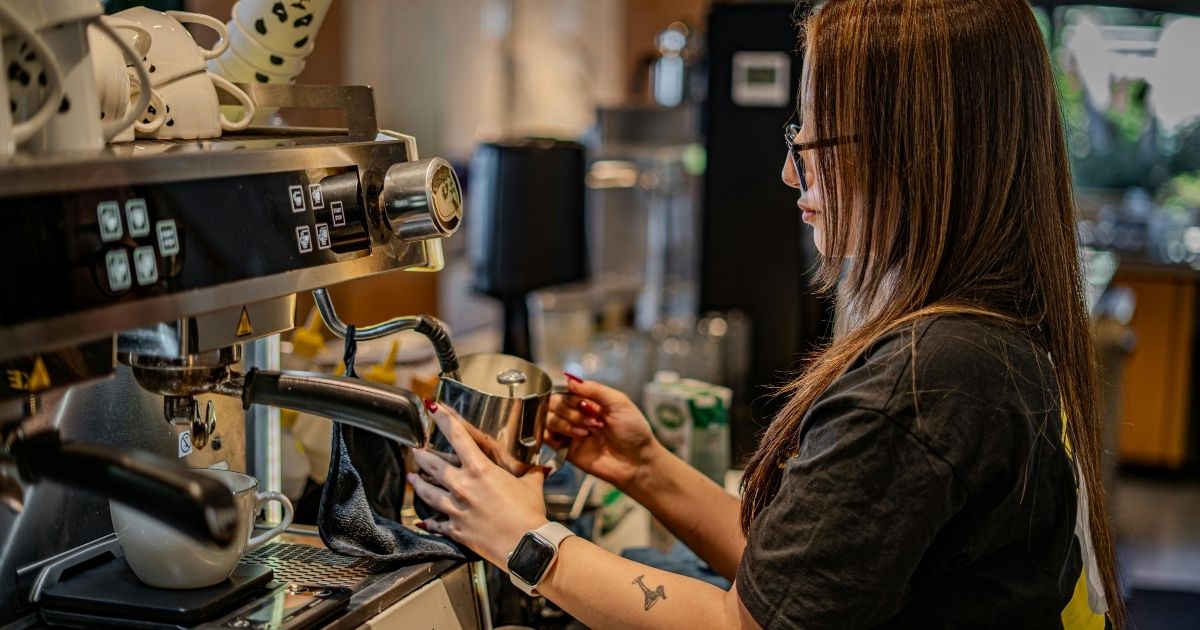
Yes, but not all single-serve machines are created equal. True espresso requires 9 bars of pressure and precise water temperature. The SENSA Duo and Pro models from Busy Bean Coffee deliver true espresso with crema, not just strong coffee. If your office wants latte and cappuccino options, look for machines with a steam wand or integrated milk frother. Many managed systems include these as part of the package, allowing employees to make specialty drinks without a dedicated barista.
Are single-serve coffee machines environmentally friendly?
Modern single-serve systems have made significant sustainability strides. Many now use compostable or recyclable pods. Additionally, because they brew only what's needed, they eliminate the waste of half-full pots being dumped down the drain. According to a 2024 lifecycle analysis by the University of California, Davis, single-serve systems have a 35% lower carbon footprint per cup than batch brewers when factoring in coffee waste and energy use. Choose a provider that offers a pod recycling program or compostable options.
What is the difference between a managed single-serve program and buying my own machine?
The difference is everything. Buying your own machine means you own the capital expense, the maintenance risk, and the supply chain logistics. A managed program like Busy Bean Coffee's membership includes the machine, professional installation, white-glove maintenance, automatic supply replenishment, and dedicated support — all for one predictable monthly fee. There's no capital outlay, no unexpected repair bills, and no one forgetting to order pods. For most offices, the managed model saves 20–30% annually compared to the DIY approach.
Conclusion
Single-serve office coffee isn't a trend — it's the new standard for workplace beverage programs. In 2026, with hybrid schedules and rising employee expectations, offering fresh, varied, and waste-free coffee is a competitive advantage.
The data is clear: single-serve systems reduce waste by up to 50%, increase employee satisfaction by 15–28%, and lower total coffee costs when managed properly. The key is choosing the right equipment and the right service partner.
For comprehensive context, see our Ultimate Guide to Office Coffee Brewers for Business.
At Busy Bean Coffee, we've been helping offices across the country make the switch to managed single-serve systems since 2014. Our SENSA line is purpose-built for the mid-market foodservice environment, and our all-inclusive membership model removes every headache from the equation.
Ready to transform your office coffee experience? Visit Busy Bean Coffee to learn more or schedule a consultation.
Recommended Readings
To deepen your understanding of these topics, we recommend reading the following articles:
- Ultimate Guide to Office Coffee Solutions for Businesses
- Benefits of In-Office Coffee for Employee Productivity
- How to Cut Starbucks Costs with Office Coffee Service
- Best Office Coffee Machines for Modern Workplaces
About the Author
the author is the at Busy Bean Coffee. With over a decade of experience in specialty coffee equipment and managed services, he has helped hundreds of businesses eliminate coffee chaos and build programs that employees actually love.
Free Coffee Pairing Guide & Specialty Roast Cheat Sheet
Unlock the secrets of perfect brewing ratios, water temperatures, and specialty roast profiles. Download the guide.