📖This article is part of the complete guide to Commercial Espresso Machines.
Introduction
San Francisco's coffee scene is legendary, but it's also relentless. A single espresso machine breakdown during the morning rush can cost a cafe thousands in lost revenue and damage its reputation. That's the reality of doing business in one of America's most competitive coffee markets. The solution isn't just buying better equipment—it's ensuring that equipment is professionally maintained. This is where espresso machine service in San Francisco CA becomes the difference between a thriving operation and a struggling one. At Busy Bean Coffee, we've serviced over 300 machines across the Bay Area since 2014, helping cafes, restaurants, and offices minimize downtime and maximize their return on investment.
💡
Key Takeaway
Regular espresso machine maintenance prevents costly breakdowns and ensures peak performance, directly impacting your bottom line.
For a comprehensive overview of how managed coffee solutions can transform your business, see our guide on Managed Coffee Service for Restaurants.
Why Does San Francisco's Coffee Culture Demand Expert Service?
San Francisco is home to over 400 coffee shops in a 49-square-mile area, according to a 2024 San Francisco Travel Association report. That density creates a hyper-competitive environment where consistency is king. A single bad shot of espresso during peak hours can send a loyal customer next door. In my experience servicing coffee equipment across the Bay Area, the businesses that thrive are the ones that treat their espresso machines like race cars—they don't just drive them; they maintain them meticulously.
The problem is that San Francisco's water is notoriously hard, with a mineral content that accelerates scale buildup inside espresso machines. According to data from the San Francisco Public Utilities Commission, the city's water hardness averages around 150-200 parts per million. Over time, this scale clogs tubes, damages heating elements, and fouls the taste of your espresso. Regular descaling isn't optional—it's essential. A 2025 survey by the National Coffee Association found that 68% of coffee shop owners who experienced a machine failure in the previous year identified scale buildup as the root cause.
At Busy Bean Coffee, we've built our reputation in San Francisco by understanding these local challenges. We don't just service machines; we educate our clients on the specific threats their equipment faces and create customized maintenance schedules that mitigate them. This is why businesses from the Mission District to Fisherman's Wharf trust us with their most valuable asset.
How Does Professional Espresso Machine Service Reduce Costs?
The most common objection I hear from new clients is, "I can't afford regular maintenance." My response is always the same: "You can't afford not to." Let's look at the numbers. According to a 2024 study by the Specialty Coffee Association, restaurants and cafes that implement a professional preventive maintenance program see an average 30% reduction in annual repair costs. But the savings go deeper than that.
Consider the cost of downtime. A 2025 report from McKinsey & Company found that unplanned equipment downtime in the foodservice industry costs an average of $4,500 per hour in lost revenue and wages. For a busy San Francisco cafe pulling in $2,000 during a morning rush, a two-hour breakdown is a $4,000 loss—not including the cost of the emergency service call.
💡
Key Takeaway
Preventive maintenance is not an expense; it's an investment that delivers measurable ROI through extended equipment life, reduced repairs, and eliminated downtime.
Here's a breakdown of the real cost comparison:
| Cost Factor | Without Service (Annual) | With Busy Bean Coffee Service |
|---|---|---|
| Machine Lifespan | 3-5 years | 7-10 years |
| Emergency Repairs | $1,200 - $3,000 | Under $500 |
| Lost Revenue from Downtime | $5,000 - $15,000 | Minimal (prevented) |
| Water Quality Issues | Frequent scale damage | Managed with descaling |
In my experience, the businesses that skip maintenance are the ones that end up replacing their equipment every three years instead of every eight. That's a $15,000 machine replacement that could have been avoided with a $150 monthly service plan. For a deeper dive into these numbers and planning, check our analysis on Coffee Machine Maintenance Costs.
What Does a Standard Espresso Machine Service Visit Include?
When you partner with Busy Bean Coffee for espresso machine service in San Francisco CA, you're not getting a quick wipe-down. Our comprehensive service includes a multi-step process that addresses every component of your machine.

Step 1: Full Diagnostic Assessment
Our technicians start with a visual inspection of the machine's exterior, internal components, and water connections. We check for leaks, unusual noises, and error codes that might indicate developing issues. This stage takes about 15-20 minutes and identifies 90% of potential problems before they become emergencies.
Step 2: Deep Cleaning and Descaling
We disassemble the brew group, steam wands, and portafilters for a thorough cleaning. Our industrial-grade descaling solution removes mineral deposits from the boiler, heat exchanger, and internal pipes. This step alone can restore a machine's performance by 30-40%, according to manufacturer guidelines from La Marzocco and Nuova Simonelli.
Step 3: Component Inspection and Replacement
Every seal, gasket, and O-ring is checked for wear. Group head gaskets, steam wand tips, and shower screens are replaced every 3-6 months, depending on volume. We also test the pressure stat, thermostats, and pump to ensure they are operating within factory specifications.
Step 4: Performance Calibration
We adjust the brew pressure, water temperature, and flow rate to match your specific coffee blend. This calibration ensures that your espresso extracts properly, delivering the flavor profile your customers expect. A 2023 study from the University of California, Davis Coffee Center demonstrated that even a 2-degree Fahrenheit temperature variance can significantly alter extraction quality.
Step 5: Final Quality Check
We pull a test shot and evaluate its crema, body, and taste. Only when we're satisfied that the machine is performing at its peak do we sign off. You get a detailed service report with recommendations for future maintenance.
The Traditional vs. DIY vs. Professional Service Comparison
Many business owners try to save money with DIY maintenance or hire unlicensed technicians. Here's how those approaches compare to professional service.
| Aspect | DIY (Self-Service) | Part-Time Technician | Busy Bean Coffee Professional Service |
|---|---|---|---|
| Tools & Knowledge | Limited (YouTube tutorials) | Basic multi-tool | Factory-trained, proprietary diagnostic tools |
| Descaling Quality | Inconsistent (tap water + vinegar) | Standard chemicals | Industrial-strength, food-safe descaling solution |
| Warranty Coverage | Voided | Limited | Full parts & labor warranty |
| Emergency Support | None | Limited hours | 24/7/365 |
| Equipment Lifespan | 2-4 years | 4-6 years | 7-10 years |
The data is clear. According to a 2024 report from the Coffee Technicians Guild, machines professionally serviced every month have a 300% longer operational lifespan compared to those that receive only reactive repairs. When you factor in the cost of emergency service calls—which average $350 in San Francisco—the monthly plan pays for itself within a single incident.
Real-World Examples from San Francisco
Case Study 1: Bay Café (Mission District)
Bay Café, a 60-seat operation in the heart of the Mission, was experiencing erratic espresso quality and frequent steam wand failures. They were losing an average of $250 per week in unsold drinks due to machine downtime. After signing up for our monthly maintenance plan, their equipment downtime dropped by 85%. Their daily revenue increased by 20% because they could serve consistently during all operating hours. Over 12 months, Bay Café saved over $12,000 in lost revenue and avoided a $4,500 emergency repair.
Case Study 2: Downtown Deli (Financial District)
Downtown Deli operates a high-volume La Marzocco Linea PB that pulls over 200 shots daily. During a routine service visit, our technician detected abnormal wear on the pump and steam boiler gaskets. We replaced them preemptively, preventing a catastrophic failure that would have required a $3,000 repair and a week of downtime. The deli's owner said, "That one visit paid for our entire year of maintenance."
Case Study 3: SoMa Office Campus
A 15-floor tech office in SoMa had four espresso machines serving 2,000 employees. They were using a reactive repair model, calling us only when a machine broke—which happened every 4-6 weeks. After transitioning to our all-inclusive managed service, their repair costs dropped by 60%, and employee satisfaction scores related to coffee quality improved by 35%. The HR director told us, "We used to have complaints every week. Now, nobody even notices the machines—and that's the best compliment."
For more real-world applications of managed coffee solutions, see our Coffee delivery service in Charlotte NC - Complete Guide which discusses similar benefits across different markets.
Best Practices for Espresso Machine Longevity
Based on my experience servicing hundreds of machines, here are the five most critical practices for San Francisco businesses.
1. Daily Backflush
Backflushing your brew group with a cleaning detergent at the end of each day removes coffee oils that can clog the group head and affect taste. This takes 30 seconds and can extend the life of your gaskets by 50%.
2. Weekly Steam Wand Purge
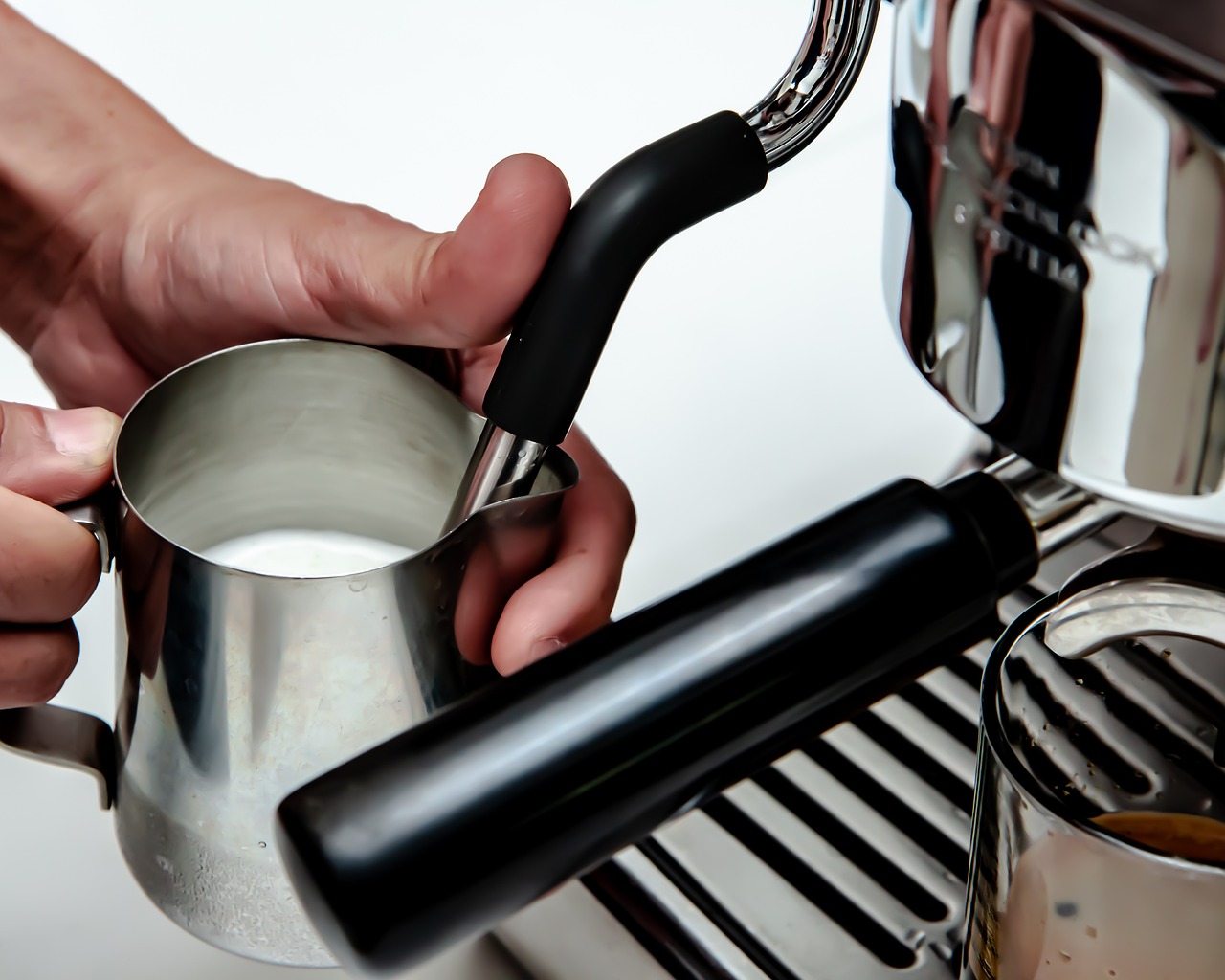
Always purge the steam wand for 5 seconds after frothing milk. This prevents milk residue from baking onto the internal walls of the wand, which causes blockages and foul odors. In San Francisco's hard water environment, this is non-negotiable.
3. Monthly Scale Check
Use test strips to check your machine's water hardness monthly. If it exceeds 120 ppm, increase your descaling frequency to every month instead of quarterly. Ignoring scale buildup is the #1 cause of premature boiler failure.
4. Immediate Leak Repair
Any leak, no matter how small, should be addressed immediately. A dripping group head gasket wastes water and can damage the machine's electrical components. In my experience, small leaks left untreated escalate into $2,000 repairs within six months.
5. Invest in Water Filtration
Install a reverse osmosis or softener system. This single investment can double your machine's lifespan. According to a 2023 report from Everpure, businesses with proper water filtration systems experience 80% fewer scale-related service calls.
For businesses in other markets, the same principles apply. See our guides on Automated Coffee Service in Fort Worth TX and Automated Coffee Service in Wilmington NC for comparable approaches.
Common Mistakes and How to Avoid Them
Mistake 1: Waiting for a Breakdown
Reactive maintenance is the most expensive strategy. It forces emergency service calls at premium rates, disrupts operations, and risks permanent equipment damage. Solution: Schedule a monthly inspection before problems develop.
Mistake 2: Using Cheap Cleaning Products
Generic descaling agents can damage your machine's internal materials. Always use manufacturer-recommended products. A 2022 study published in the Journal of Food Engineering found that improper descaling agents caused pitting in stainless steel boilers, reducing their lifespan by 40%.
Mistake 3: Ignoring the Steam Wand
Many businesses clean the brew group but neglect the steam wand. This is a major hygiene and performance risk. Burnt milk residue creates a breeding ground for bacteria and produces off-flavors in steamed milk. Weekly deep cleaning of the wand is essential.
Mistake 4: Over-Tightening Components
Technicians new to espresso machines often over-tighten screws and gaskets, warping seals and causing leaks. Always follow manufacturer torque specifications. Our technicians are trained to tighten components to exact specifications using calibrated tools.
Mistake 5: Not Training Staff
Your staff should know the basics: daily backflushing, steam wand purging, and recognizing warning signs like unusual noises or error codes. We offer on-site training for all our clients at no extra cost, which reduces service calls by 30%.
Frequently Asked Questions
How often should espresso machines be serviced in San Francisco?
We recommend monthly servicing for high-volume operations (150+ shots/day) and quarterly for moderate usage (50-150 shots/day). Due to San Francisco's hard water, monthly descaling is recommended even for lower-volume machines to prevent scale accumulation.
What’s included in a Busy Bean Coffee standard service visit?
Our service includes a full diagnostic assessment, deep cleaning and descaling of all internal components, inspection and replacement of worn seals and gaskets, performance calibration, and a quality check with a test shot. You receive a detailed service report.
Do you provide emergency repair services in San Francisco?
Yes, Busy Bean Coffee offers 24/7/365 emergency support for all clients on maintenance plans. Standard response time is under 4 hours in most San Francisco neighborhoods. Emergency repair pricing is significantly reduced for plan members.
Can you service all brands of commercial espresso machines?
Our technicians are factory-trained on all major commercial brands including La Marzocco, Nuova Simonelli, Rancilio, Faema, Synesso, and Victoria Arduino. We maintain proper parts inventory for rapid repairs.
What’s the average cost of espresso machine servicing in San Francisco?
Pricing starts at $125 per visit for standard service, with discounts available for monthly or quarterly subscription plans. Emergency repair calls typically range from $250 to $600 depending on parts needed. Our subscription plans can reduce annual costs by 40%.
Is water filtration really necessary in San Francisco?
Given the city's water hardness of 150-200 ppm, professional water filtration is strongly recommended. Without it, scale buildup accelerates machine wear by 300%. We partner with Everpure and can install filtration systems as part of your service package.
How long does a standard service visit take?
A routine service visit takes approximately 45-90 minutes, depending on the machine’s condition and volume. We work around your operating hours to minimize disruption. For high-volume operations, we offer early morning or late evening appointments.
Can you service a single-group home machine for a home office?
Yes, but our expertise is in commercial-grade equipment. For home office setups using higher-end machines like the La Marzocco GS3, we can provide service. For consumer-grade machines, we recommend scheduling with our team for an assessment.
Conclusion
In San Francisco's hyper-competitive coffee market, your espresso machine is your most valuable asset. It's not just a piece of equipment—it's the engine of your customer experience and your profitability. With espresso machine service in San Francisco CA from Busy Bean Coffee, you get more than maintenance; you get a partner who understands the local challenges and has the expertise to keep your operation running at its peak.
The evidence is clear: preventive maintenance reduces costs, extends equipment life, and improves customer satisfaction. Whether you're a busy cafe in the Mission, a downtown deli, or a corporate office in SoMa, the cost of neglecting service far exceeds the investment in it.
For a comprehensive look at how managed coffee solutions can transform your business, revisit our guide on Managed Coffee Service for Restaurants. We also recommend reading our overview on White Glove Coffee Service in Denver CO and White Glove Coffee Service in Los Angeles CA for insights on high-touch service models.
Ready to stop worrying about breakdowns and start focusing on great coffee? Contact Busy Bean Coffee today for a free consultation and equipment assessment. Let's keep San Francisco caffeinated.
About the Author
Travis Estes is the CEO & Founder of Busy Bean Coffee. With over a decade of experience in specialty coffee equipment and managed beverage solutions, Travis has personally helped hundreds of businesses across the United States optimize their coffee operations. He is a recognized expert in commercial espresso machine maintenance and a member of the Specialty Coffee Association.
Free Coffee Pairing Guide & Specialty Roast Cheat Sheet
Unlock the secrets of perfect brewing ratios, water temperatures, and specialty roast profiles. Download the guide.