

📖This article is part of the complete guide to The Ultimate Guide to Commercial Coffee Brewers.
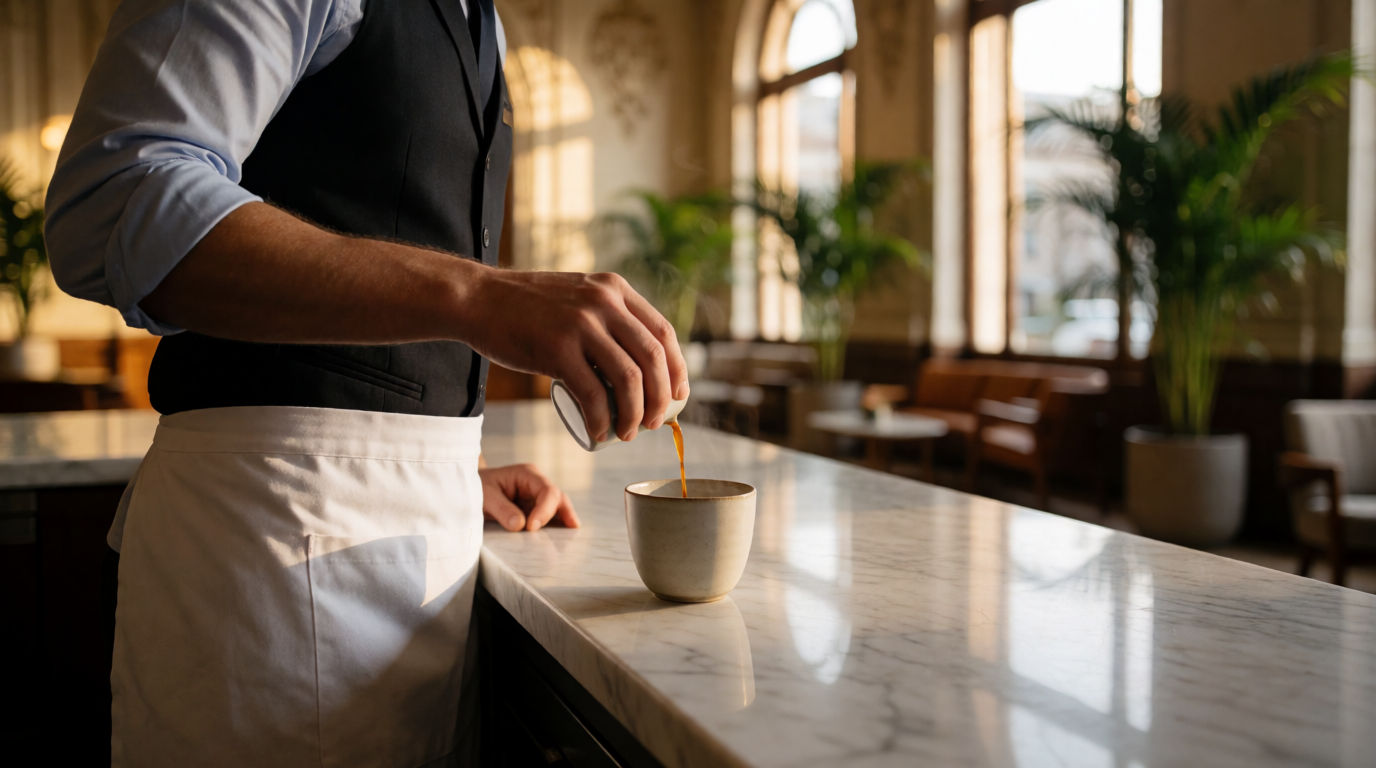
The first thing a guest notices upon checking into a luxury hotel isn't the thread count of the linens; it's the aroma of the lobby. In my experience working with hospitality groups across the Southeast, I've seen how a subpar coffee experience can negatively impact a guest's overall perception of a property. When a traveler arrives after a ten-hour flight, the quality of that first cup is an immediate signal of the hotel's commitment to quality. If the coffee is burnt, lukewarm, or tastes like a generic vending machine, the guest subconsciously associates that mediocrity with the rest of the stay.
For a comprehensive overview of the technology driving these systems, explore our guide on commercial coffee brewers.
What Exactly Are Commercial Coffee Machines for Hotels?
📚
Definition
Commercial coffee machines for hotels are industrial-grade beverage systems designed for high-volume output, durability, and consistency, tailored to the specific environments of guest rooms, lobbies, breakfast buffets, and high-end concierge services.
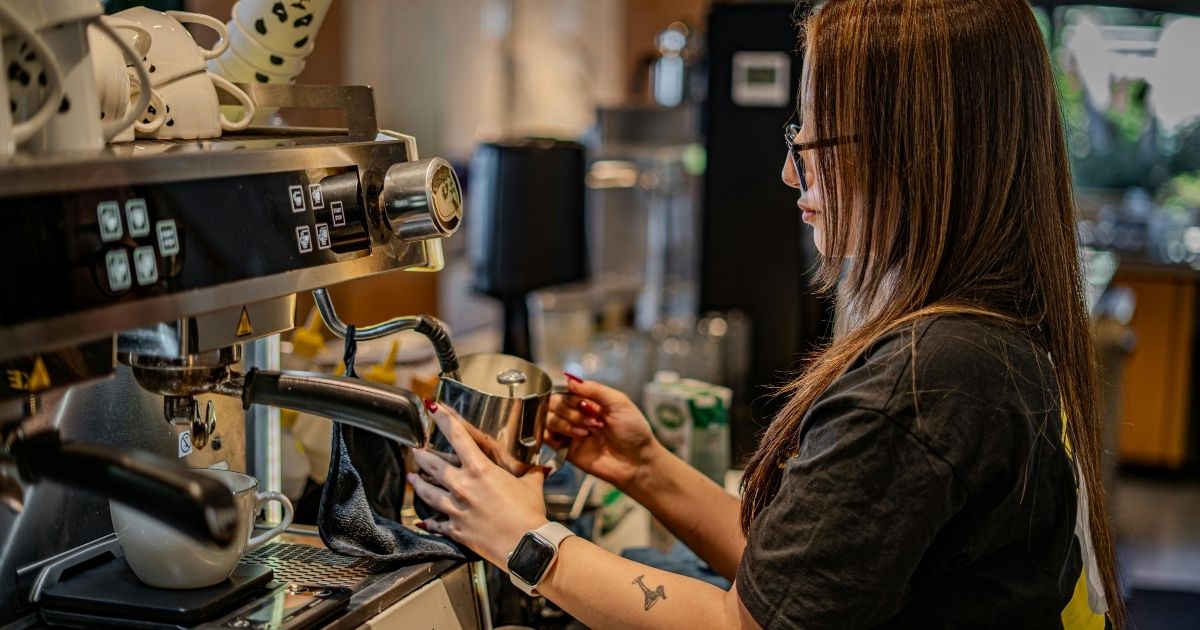
Unlike residential brewers, these machines are engineered to handle continuous use without overheating or losing thermal stability. When we talk about commercial coffee machines for hotels, we are generally discussing three distinct tiers of equipment: in-room precision brewers, high-volume lobby systems, and full-scale espresso stations managed by a professional barista. The goal is to bridge the gap between convenience and the specialty coffee experience that modern travelers now demand.
In 2026, the trend has shifted heavily toward automation. Guests no longer want a basic pot of drip coffee; they want the ability to customize their drink with a touch of a button. This means integrating machines that can handle everything from a bold espresso to a creamy latte, all while maintaining strict food safety standards. According to the NSF International guidelines, equipment used in commercial food service must meet specific sanitary designs to prevent contamination, a factor that is paramount in high-traffic hotel environments where cross-contamination risks are elevated.

Why Does the Right Coffee Choice Matter for Hotel ROI?
Choosing the right commercial coffee machines for hotels is not just about beverage quality; it is a strategic move to increase guest loyalty and operational efficiency. When you provide a premium coffee experience, you are essentially creating a "sticky" amenity. Guests who enjoy a high-quality brew in the lobby are more likely to spend time in the hotel's common areas, increasing the likelihood of ancillary spends at the hotel bar or gift shop.
From a financial perspective, the shift toward managed services reduces the hidden costs of equipment downtime. When a machine breaks down during a Sunday morning rush at a breakfast buffet, the result is not just lost revenue but a cascade of negative guest reviews. By utilizing an all-inclusive model, hotels can convert a volatile capital expenditure into a predictable monthly operational cost. This stability is vital for maintaining a healthy GOPPAR (Gross Operating Profit Per Available Room).
Furthermore, the rise of the "coffee connoisseur" traveler means that specialty coffee is now a baseline expectation. Research from the Specialty Coffee Association (SCA) indicates that consumers are increasingly prioritizing the origin and roasting quality of the coffee bean. If your hotel serves a generic, over-roasted blend, you are missing an opportunity to align your brand with the luxury and quality of your physical property. Integrating high-grade Arabica coffee into your service ensures that the taste profile matches the visual elegance of your interior design.
Moreover, efficiency in the lobby reduces labor costs. An automated system that produces a consistent latte in 30 seconds allows your front-desk staff to focus on guest check-ins rather than playing barista. For those looking to scale their beverage offerings, exploring automated coffee service in Fort Worth TX can provide a blueprint for how to balance automation with a premium feel.
How to Implement Coffee Solutions Across Different Hotel Zones
Implementing commercial coffee machines for hotels requires a zoned approach. You cannot use the same equipment in a guest room that you use in a high-traffic lobby. The requirements for durability, speed, and cleaning differ wildly across the property.
The Lobby and Concierge Zone
In the lobby, the priority is speed and "wow factor." This is where you deploy high-end super-automatic espresso machines. These machines grind the coffee bean fresh for every cup and steam milk automatically. To maximize efficiency, these should be paired with a professional coffee service that includes regular calibration. I've found that many hotels make the mistake of buying a machine and ignoring it for six months; by that time, the internal components are scaled with minerals, and the coffee tastes bitter.
The Breakfast Buffet
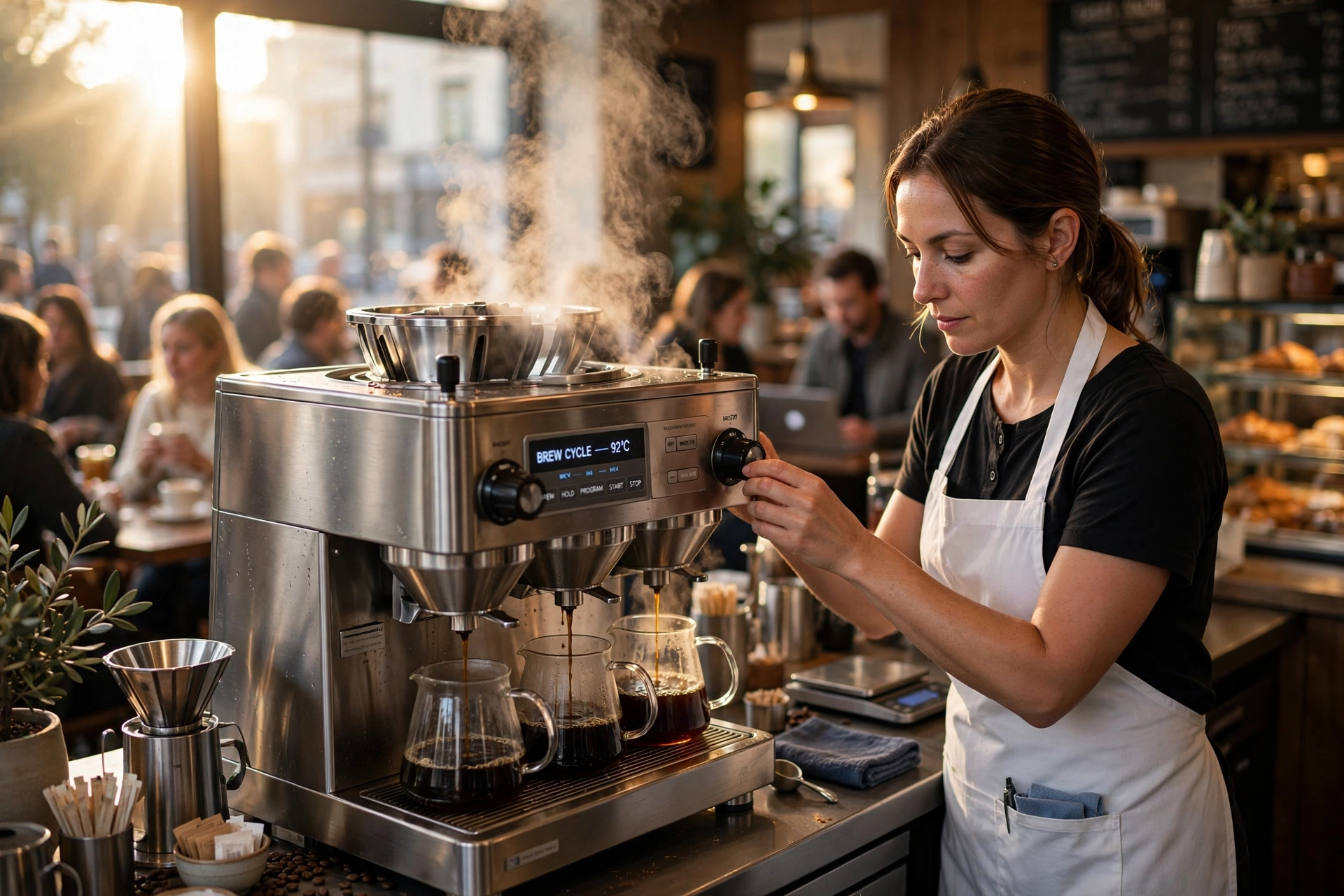
For the breakfast area, volume is the primary metric. You need high-capacity drip brewers that can keep large quantities of coffee hot without scorching the brew. This is where commercial drip coffee brewers become essential. The key here is thermal carafes. Glass pots with heating elements burn the coffee, creating an acrid taste that ruins the guest's morning. Thermal servers maintain the temperature through insulation, preserving the integrity of the roast.
Guest Room Amenities
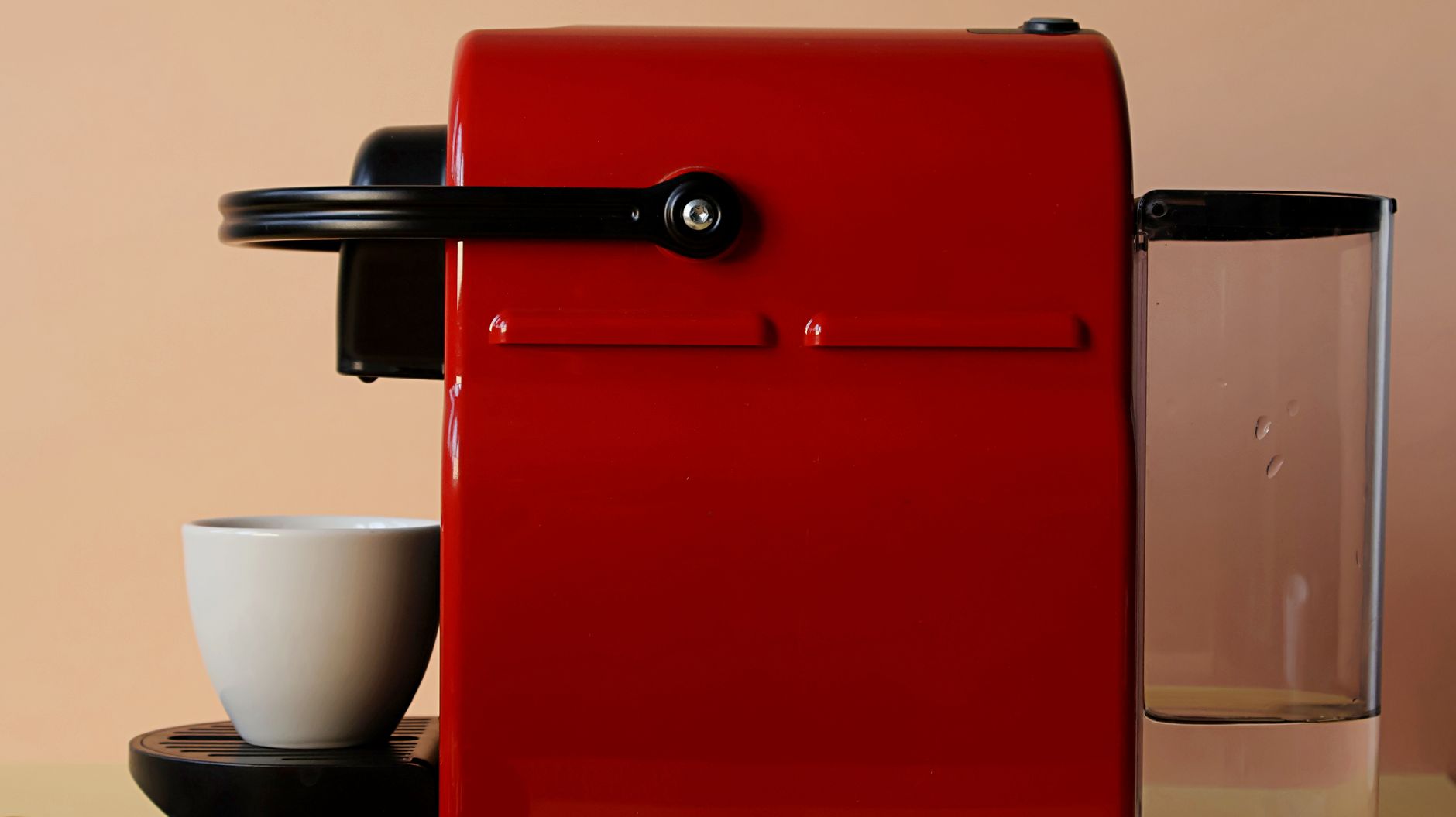
In-room coffee has evolved from the dreaded plastic pod to high-quality capsule systems or small-scale precision brewers. The goal is to provide a "boutique" experience. Using high-quality capsules of specialty coffee allows the guest to feel they are getting a curated experience. If you are managing a boutique hotel with smaller teams, looking into the best office espresso machines for small teams in 2026 can give you ideas on how to provide that same high-end feel in smaller footprints.
The Executive Lounge
Executive lounges require a balance of self-service and luxury. A combination of a bean-to-cup machine and a selection of high-end teas provides the versatility needed for business travelers. In these environments, cleanliness is the most visible metric of quality. A messy coffee station suggests a lack of attention to detail throughout the hotel.

Comparing Coffee Service Strategies for Hotels
When deciding on the infrastructure for your beverage program, you generally have three paths. Most hotel managers start with the traditional approach, but the risks of downtime often lead them toward more modern, managed solutions.
| Feature | Traditional Purchase | Cheap/Generic AI Machines | Busy Bean Managed Service |
|---|---|---|---|
| Upfront Cost | Very High (CAPEX) | Low to Medium | Zero / Predictable Fee |
| Maintenance | Reactive (Wait for break) | Limited/Basic | Proactive & All-Inclusive |
| Coffee Quality | Variable | Low/Industrial | Premium Specialty Grade |
| Technical Support | Third-party (Slow) | Online only | Dedicated Local Support |
| Consistency | Declines over time | Poor/Generic | Guaranteed Calibration |
As soonar as you move away from the "buy it and forget it" mentality, you start to see the impact on guest reviews. I once worked with a property that spent $20k on a top-tier machine but had no service contract. Three months in, the boiler failed during a holiday weekend. They had no backup, no technician on call, and their guests were furious. That is the exact pain point we solve at Busy Bean Coffee by providing full maintenance coverage.
Common Mistakes to Avoid When Selecting Hotel Coffee Equipment
One of the most frequent errors I see is the "one-size-fits-all" mentality. Hotel owners often buy a machine that looks great in a showroom but isn't rated for the actual volume of their lobby. A machine rated for 20 cups a day will fail miserably in a 200-room hotel where 50 people want a latte at 7:00 AM. Always check the "duty cycle" of the equipment.
Another mistake is neglecting water filtration. Coffee is 98% water. If your hotel has hard water—common in many parts of the US—the calcium and magnesium will build up inside your espresso machine’s heat exchanger. This not only ruins the taste of the coffee but can permanently damage the machine. According to the FDA, maintaining clean and sanitized equipment is non-negotiable for food safety. A scaled-up machine is a breeding ground for bacteria and inconsistent temperatures.
Finally, many hotels ignore the training of their staff. Even the most expensive machine in the world will produce a terrible cup of coffee if the barista doesn't know how to dial in the grind size for the specific coffee bean being used. Whether you have a dedicated barista or a front-desk employee, they need to understand the basics of extraction. If you are expanding into new markets, you might consider a white glove coffee service in Los Angeles CA to ensure your staff is trained to a world-class standard.
Deep Dive: The Impact of Coffee Roasting on Guest Perception
To truly elevate the experience, hotels should move beyond "commercial grade" coffee and embrace the world of coffee roasting. The difference between a mass-produced roast and a small-batch specialty roast is palpable. When you use beans that are roasted locally and delivered fresh, you are offering a taste of the region. This adds a layer of authenticity to the guest's stay.
For example, a hotel in Mount Pleasant, SC, that serves a roast specifically profiled for the local palate creates a unique sensory memory for the guest. This is where the science of Coffea arabica comes into play. Arabica beans, grown at higher altitudes, offer a complexity of flavor—notes of citrus, chocolate, or berry—that Robusta beans simply cannot match. When guests recognize the quality of the roast, it justifies the premium pricing of the room.
If you are managing multiple properties, you may want to look into automated coffee service in Wilmington NC to see how consistency can be maintained across different locations without sacrificing the quality of the roast. The goal is to create a brand standard where the coffee at your hotel in one city is just as exceptional as the coffee in another.
Frequently Asked Questions
How do I choose the best commercial coffee machine for a high-traffic hotel lobby?
Focus on "super-automatic" machines that handle the entire process from bean to cup. Ensure the machine has a high-capacity hopper and a robust steaming system that can produce milk foam quickly. Most importantly, verify the daily cup capacity to ensure it can handle peak morning rushes without overheating. A managed service is recommended here to handle the frequent cleaning and calibration required for these complex machines.
What is the difference between a capsule machine and a bean-to-cup machine for guest rooms?
Capsule machines offer maximum convenience and minimal mess, making them ideal for rooms where guests self-serve. Bean-to-cup machines provide superior freshness and a more "premium" feel but require more maintenance and produce more waste (coffee grounds). For luxury tiers, bean-to-cup is preferred; for mid-scale or boutique hotels, high-quality specialty capsules are often the most efficient choice.
How often should commercial coffee machines in hotels be serviced?
Professional calibration should happen weekly, and deep cleaning should occur daily. However, a full technical service—including gasket replacement and boiler descaling—should happen every 3 to 6 months depending on volume. Ignoring these cycles leads to "bitter coffee syndrome" and eventual equipment failure. A managed coffee membership typically includes these visits automatically to prevent downtime.
Can I use a standard office coffee brewer in my hotel breakfast area?
While possible, it is not recommended. Office brewers are designed for intermittent use. Hotel breakfast areas face "surge demand," where 100 guests may need coffee within a 60-minute window. You need a commercial-grade brewer with large thermal servers to ensure the last guest gets a cup as hot and fresh as the first guest. For more on this, see our guide on fresh brew coffee machines for cafes.
How does water filtration affect the taste and longevity of hotel coffee machines?
Hard water contains minerals that create scale buildup inside the machine's heating elements. This restricts water flow, causes temperature instability, and eventually burns out the heating element. A professional-grade reverse osmosis or multi-stage filtration system is essential. This not only protects your investment but ensures that the mineral content of the water doesn't mask the delicate flavors of your specialty coffee beans.
Conclusion
Integrating the right commercial coffee machines for hotels is a high-leverage move. It is one of the few amenities that guests interact with every single morning, meaning it has a disproportionate impact on their overall satisfaction scores. From the high-energy environment of the lobby to the quiet sanctuary of a guest room, your coffee strategy should reflect your brand's commitment to excellence. By moving away from outdated, high-maintenance hardware and embracing a managed, all-inclusive solution, you can ensure your guests start every day with a perfect cup.
If you are ready to upgrade your guest experience without the headache of equipment maintenance, Busy Bean Coffee is here to help. We specialize in end-to-end beverage solutions that keep your property running smoothly and your guests coming back. To learn more about the different technologies available, visit our Ultimate Guide to Commercial Coffee Brewers or contact us today to build a custom plan for your property.
Free Coffee Pairing Guide & Specialty Roast Cheat Sheet
Unlock the secrets of perfect brewing ratios, water temperatures, and specialty roast profiles. Download the guide.