📖This article is part of the complete guide to Ultimate Guide to Commercial Coffee Brewers for Business.
In my experience working with high-traffic hotel lobbies and corporate breakrooms, the biggest drain on profitability isn't the cost of the coffee bean, but the volume of brewed coffee poured down the drain. I've seen managers throw away up to five gallons of premium roast daily simply because they brewed for a crowd that didn't materialize. This systemic waste is why the shift toward precision-based brewing is accelerating in 2026.
For a comprehensive overview of all brewing technologies, explore our Ultimate Guide to Commercial Coffee Brewers for Business.
What Are Single Serve Commercial Coffee Brewers?
📚
Definition
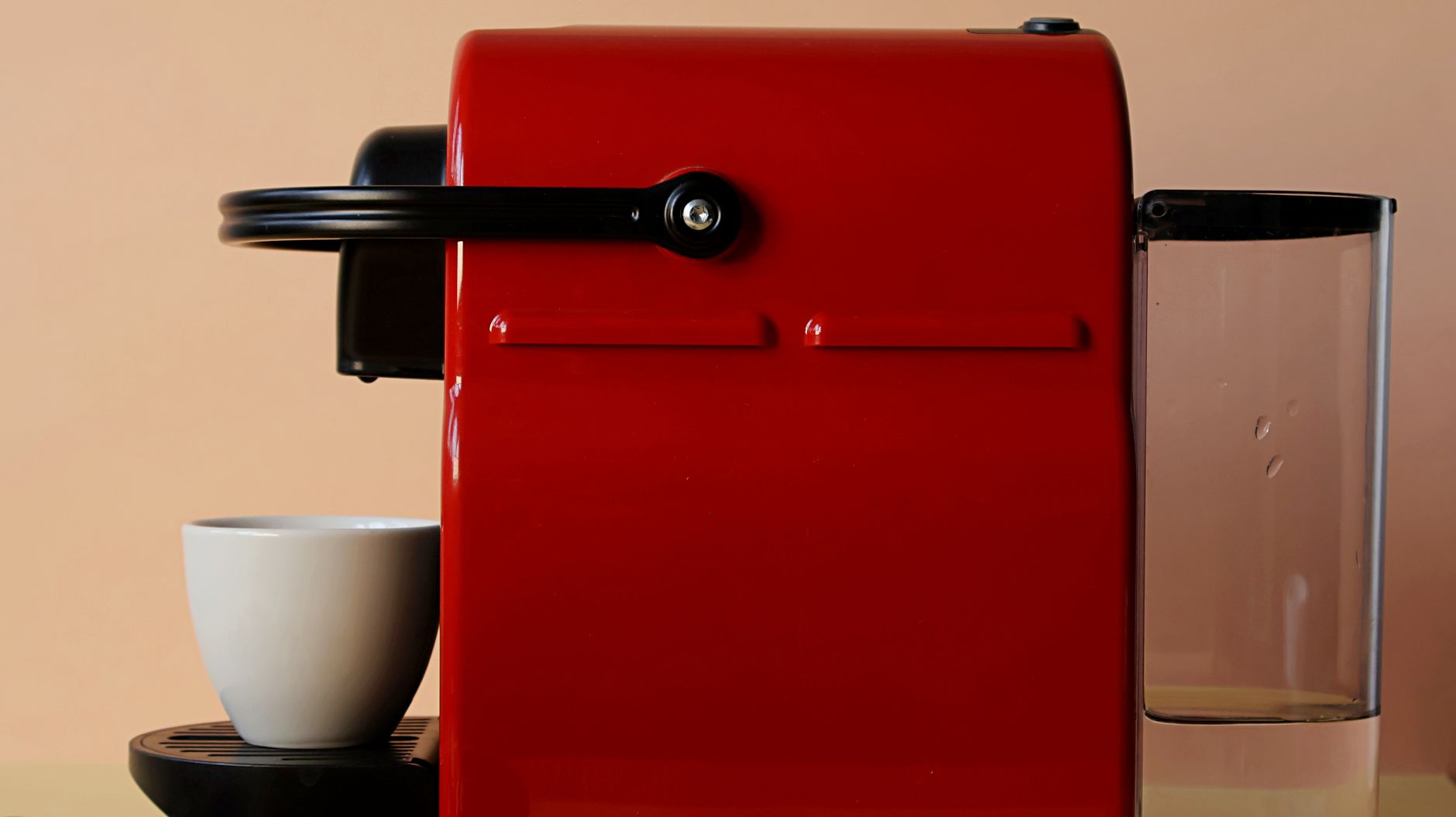
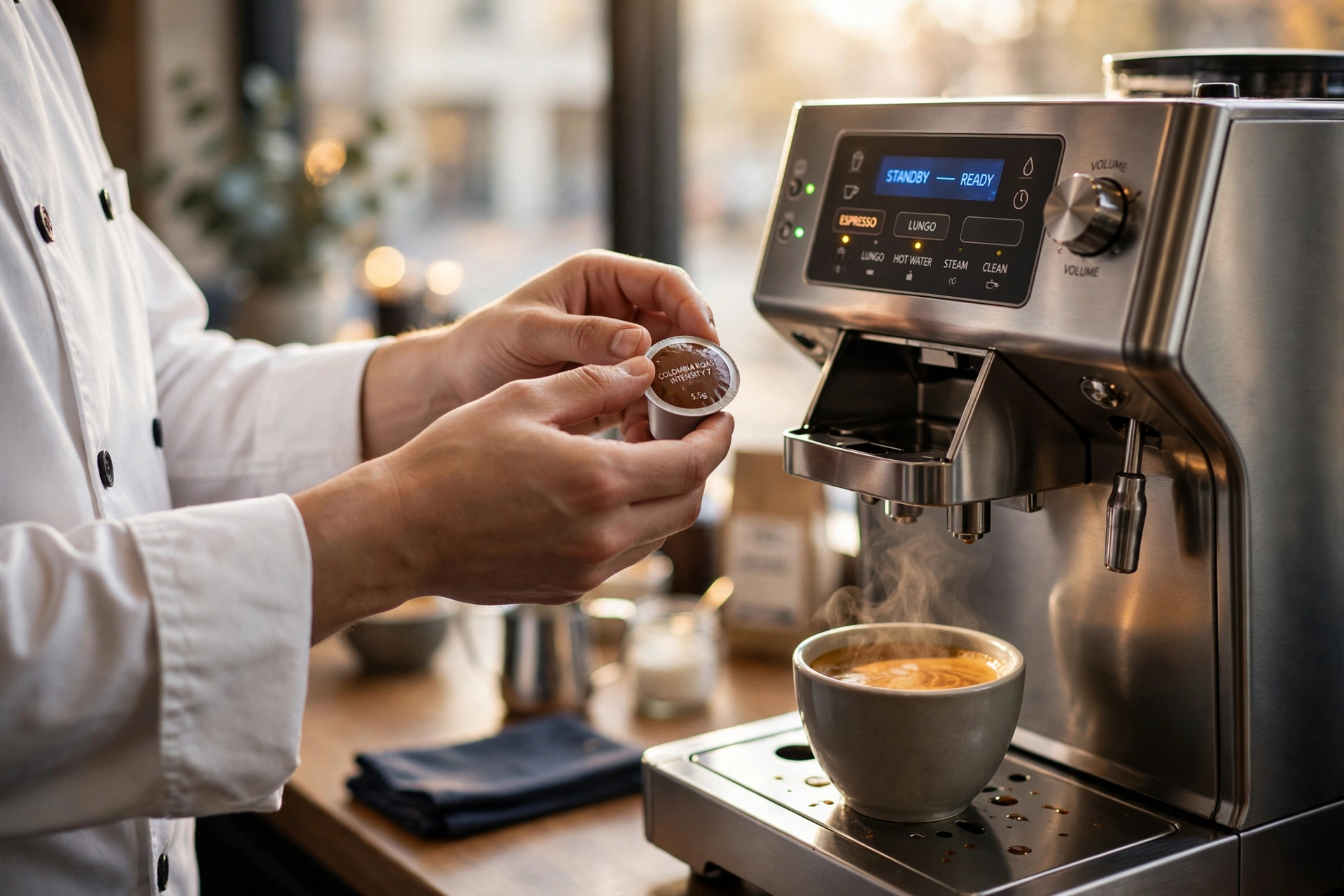
Single serve commercial coffee brewers are industrial-grade machines designed to brew one cup of coffee at a time, typically using a pre-measured pod, capsule, or a precision-dosed ground coffee chamber, ensuring consistency and zero waste per serving.
Single serve commercial coffee brewers solve the "pot-waste" problem by eliminating the need to brew large batches of coffee that may sit on a warming plate for hours. Unlike residential pod machines, commercial units are engineered with high-capacity pumps, heavy-duty boilers, and NSF-certified materials to withstand hundreds of cycles per day without degradation. These machines utilize high-pressure extraction to ensure that a single 8-ounce cup retains the complexity and body of a traditionally brewed pot.
From a technical standpoint, these brewers focus on the relationship between water temperature and extraction time. According to the Specialty Coffee Association (SCA), the ideal brewing temperature for specialty coffee typically falls between 195°F and 205°F. Commercial single-serve units maintain this precise window using PID controllers, ensuring that every cup is identical, regardless of whether it's the first or the 500th of the day. This consistency is paramount for businesses in Mount Pleasant, SC, where luxury hospitality standards demand perfection in every pour.

Why Single Serve Technology Matters for Your Business ROI
The primary driver for adopting single serve commercial coffee brewers is the drastic reduction in operational waste and labor costs. When a business uses a traditional drip system, they are gambling on demand; if the demand is lower than the brew volume, the product is wasted. In contrast, a single-serve system only uses the exact amount of coffee and water needed for one customer.
Beyond waste, the labor efficiency is significant. A barista or employee no longer needs to monitor pot levels or perform the tedious process of scrubbing large thermal carafes every few hours. This allows staff to focus on higher-value tasks. For those managing smaller footprints, integrating these units can be a bridge toward a more robust Sensa Coffee Service in Mount Pleasant SC: Complete Guide, providing a professional experience without the need for a full-scale cafe setup.
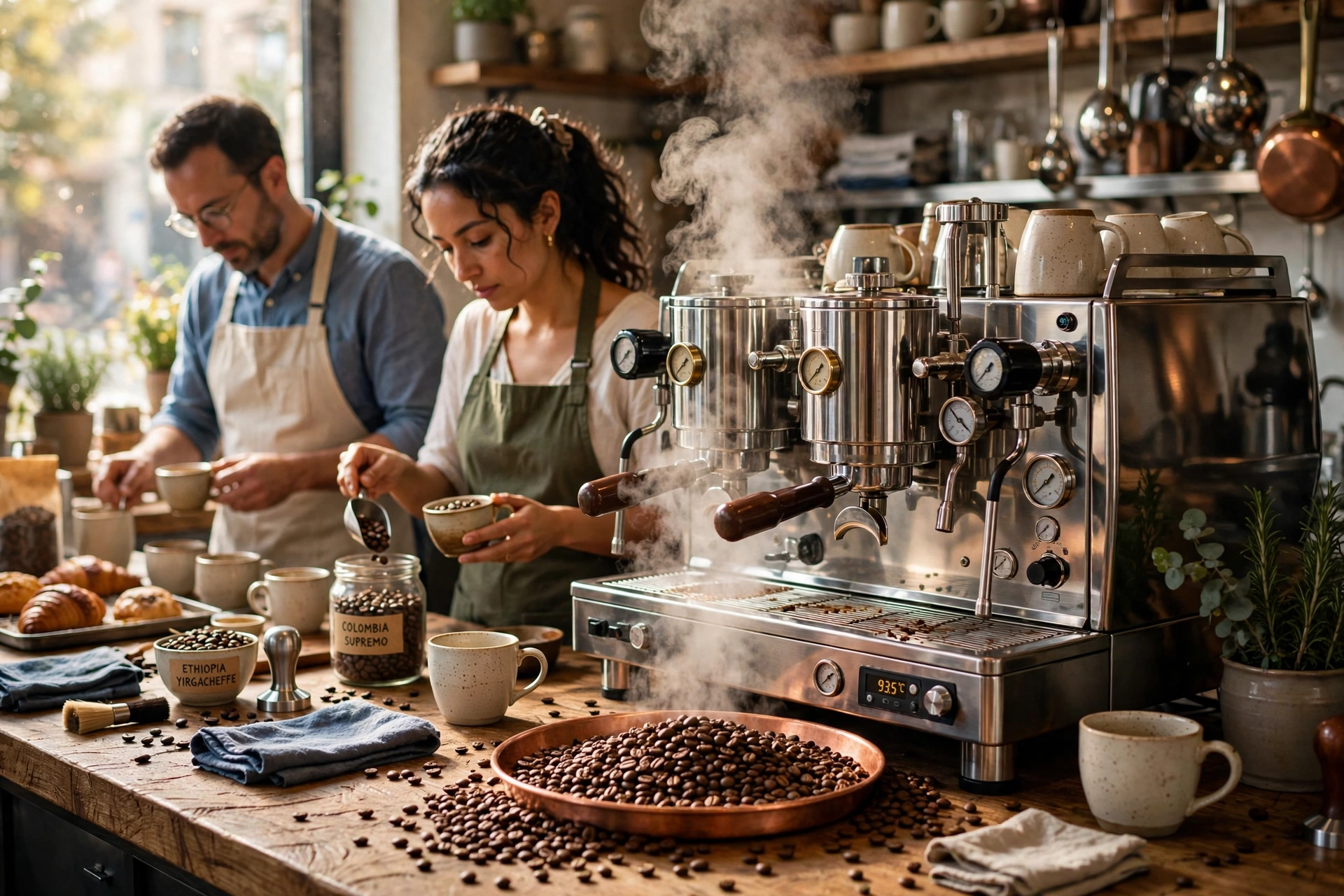
Moreover, the versatility of offering multiple roast profiles—from a light Ethiopian Yirgacheffe to a dark Italian roast—without needing multiple machines is a massive competitive advantage. This flexibility caters to the diverse palates of modern consumers who increasingly view coffee as a curated experience rather than a commodity. According to National Coffee Association USA (NCA), the preference for specialty coffee continues to grow, and the ability to offer various origins in a single-serve format allows businesses to capture this trend without increasing overhead.
💡
Key Takeaway
Switching to single-serve systems can reduce coffee waste by up to 40%, directly impacting the bottom line by lowering Cost of Goods Sold (COGS).
How to Implement a Single Serve Program Effectively
Implementing a single-serve program requires more than just plugging in a machine; it requires a strategic approach to bean selection and water quality. The first step is auditing your daily peak volume. If you are seeing 100+ cups per hour, you need a multi-head system or a high-pressure commercial unit capable of rapid recovery times.
Second, prioritize water filtration. Because these machines use smaller volumes of water per cycle, mineral buildup (scale) can clog the narrow internal tubing much faster than in a large drip brewer. Using a reverse osmosis or high-grade carbon filtration system is essential to protect the heating element. This is a critical step that I've seen many businesses skip, leading to premature machine failure and expensive repairs.
Third, select your medium. While pods are convenient, many high-end commercial units now offer "ground-based" single-serve options where the machine doses the coffee from a hopper. This reduces the environmental impact of plastic pods and often allows for a higher grade of specialty coffee. If you are scaling your operations, you might find that combining these units with Sensa Coffee Service in Charleston SC: Complete Guide | Busy Bean Coffee provides the balance of automation and artisanal quality your clients expect.
Step-by-step implementation checklist:
- Volume Analysis: Determine peak hourly demand to select the correct pump capacity.
- Filtration Setup: Install an NSF-certified water filter to prevent calcium buildup.
- Bean Sourcing: Partner with a roaster providing commercial-grade pods or precision-grind beans.
- Staff Training: Teach employees the correct cleaning cycle to maintain flavor profile.
- Feedback Loop: Monitor which roasts are most popular to optimize inventory.
Single Serve vs. Traditional Batch Brewing
Choosing between a single-serve system and a traditional batch brewer depends on your volume and service model. A batch brewer is designed for "mass output," whereas the single-serve unit is designed for "individual precision."
| Feature | Traditional Batch Brewing | Generic Pod Machines | Professional Single Serve |
|---|---|---|---|
| Waste Level | High (due to leftover pots) | Medium (pod waste) | Low (precision dosing) |
| Consistency | Varies by time since brew | High | Ultra-High (PID Control) |
| Labor Required | Moderate (cleaning/monitoring) | Low | Minimal |
| Customization | One roast per pot | High (per pod) | High (per cup) |
| Equipment Cost | Moderate | Low | Moderate to High |
As seen in the table, the traditional approach is often inefficient for low-to-medium volume settings. While cheap pod machines are tempting, they lack the thermal stability and build quality required for a business. A professional single-serve system, like those integrated into a Sensa Coffee Service in Columbia SC: Complete Guide | Busy Bean Coffee, provides the durability of an industrial machine with the convenience of a pod system.

Common Mistakes to Avoid with Commercial Single Serve Systems
One of the most frequent errors I see is the "set it and forget it" mentality regarding maintenance. Because these machines are automated, owners often assume they don't need cleaning. However, coffee oils accumulate in the brewing chamber, leading to a rancid taste that can alienate customers. Daily rinsing and weekly descaling are non-negotiable for maintaining a specialty coffee profile.
Another mistake is ignoring the environmental impact of pods. In 2026, consumers are increasingly sensitive to plastic waste. If your business uses pods, ensure they are compostable or part of a recycling program. Switching to a hopper-based single-serve system—where the machine grinds a fresh dose for every cup—eliminates this issue entirely and often results in a superior taste because the coffee is fresher.
Finally, avoid underestimating the power requirements. Commercial brewers have powerful heating elements that can trip standard circuit breakers if shared with other heavy appliances. Always verify that your electrical infrastructure can handle the peak load of the machine to avoid mid-morning outages.
For those wondering if a single-serve unit is enough or if they need something more robust, comparing this to Commercial Brewers for Small Businesses can help clarify which path aligns with your growth strategy.
Frequently Asked Questions
Do single serve commercial brewers produce the same quality as drip coffee?
Yes, provided the machine uses high-pressure extraction and precise temperature control. While traditional drip coffee relies on a slower saturation process, professional single-serve units use a high-pressure pump to extract oils and flavors more efficiently. According to NSF International, equipment meeting commercial standards ensures that the thermal stability is maintained, which is the key to replicating the flavor profile of a high-end drip brew in a single cup.
How often should a commercial single serve machine be descaled?
Depending on the hardness of your water, descaling should occur every 30 to 90 days. In areas with high mineral content, such as parts of South Carolina, buildup can occur faster. I recommend using a dedicated commercial descaling agent and following the manufacturer's guidelines strictly. Failure to descale leads to slower brew times, inconsistent temperatures, and eventually, a total pump failure, which can take your coffee service offline for days.
Are pod-based systems more expensive per cup than bulk brewing?
Initially, the cost per cup for pods is higher than buying coffee in bulk. However, when you factor in the "waste cost" of a batch brewer (the coffee thrown away at the end of the day), the gap narrows significantly. For many businesses, the labor savings—reducing the time staff spends brewing and cleaning pots—actually makes the single-serve system the more economical choice over a 12-month period.
Can these machines handle high-volume rushes in a hotel lobby?
It depends on the specific model. Entry-level commercial units may have a recovery time between cups, while high-end professional units feature dual boilers that allow for continuous brewing. If you are managing a high-traffic environment, you should look for machines with a larger water reservoir or a direct-plumbed connection to ensure you never run out of water during a morning rush.
Which is better: pods or ground-coffee single serve?
Pods offer the ultimate convenience and speed, making them ideal for self-service areas. However, ground-coffee (hopper-based) systems offer superior freshness and a lower environmental footprint. If your brand identity is built around "Specialty Coffee," the hopper-based system is the better choice as it allows you to showcase the quality of the Coffea arabica beans you are using without the barrier of a plastic capsule.
Conclusion
Single serve commercial coffee brewers are no longer just a convenience; they are a strategic tool for reducing waste and increasing consistency in the foodservice industry. By eliminating the guesswork of batch brewing and focusing on precision extraction, businesses can offer a premium experience while protecting their margins. Whether you are operating a boutique hotel in Mount Pleasant or a corporate office in Charleston, the move toward individualization is the defining trend of 2026.
If you are still deciding which brewing method fits your specific operational needs, we recommend revisiting our Ultimate Guide to Commercial Coffee Brewers for Business to compare different technologies side-by-side. To eliminate the stress of equipment maintenance and bean sourcing entirely, explore the managed solutions at Busy Bean Coffee.
Free Coffee Pairing Guide & Specialty Roast Cheat Sheet
Unlock the secrets of perfect brewing ratios, water temperatures, and specialty roast profiles. Download the guide.