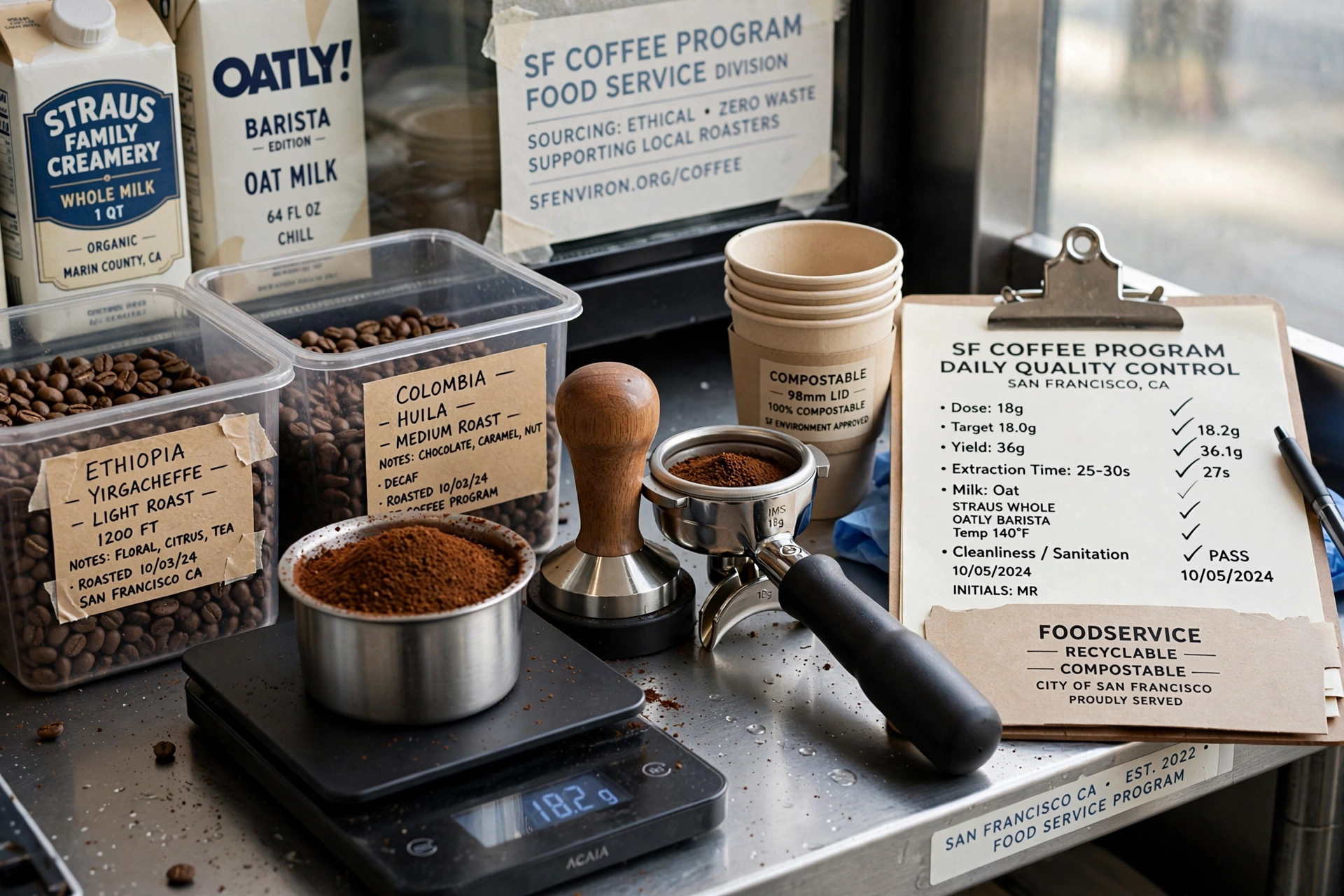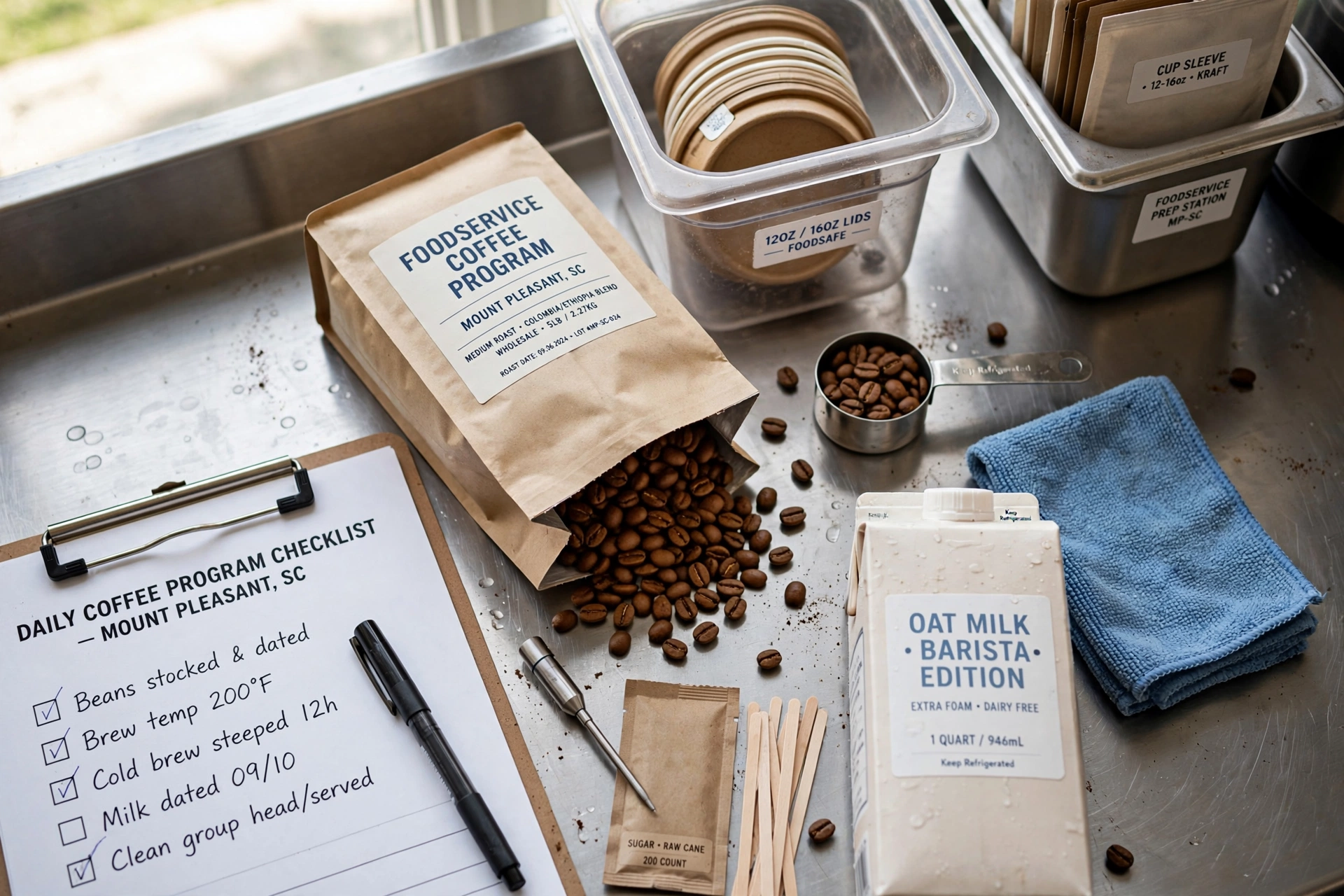
Running a restaurant or hotel in the Lowcountry means balancing high guest expectations with the brutal reality of labor shortages and equipment downtime. A professional foodservice coffee program in Mount Pleasant SC is a strategic operation that combines premium specialty coffee, industrial-grade brewing equipment, and a managed service model to maximize profit margins while ensuring every cup meets a gold standard. At Busy Bean Coffee, we provide the end-to-end infrastructure, from SENSA equipment to expert maintenance, that allows local business owners to stop worrying about their brewers and start focusing on their guests.
In my experience working with hospitality businesses across the Southeast, the biggest mistake owners make is treating coffee as a secondary amenity rather than a high-margin revenue driver. When you shift from a basic "pot of coffee" to a managed program, you aren't just buying beans; you are installing a predictable, scalable system. For those managing larger operations, seeing how an automated coffee service in Wilmington NC can streamline high-volume mornings provides a great blueprint for what works in the Mount Pleasant market.
Why Mount Pleasant Businesses Are Adopting Managed Foodservice Programs?
The hospitality landscape in Mount Pleasant is unique, characterized by a mix of high-end tourism and a sophisticated local residential base. This demographic doesn't just want caffeine; they want a curated experience. According to the Specialty Coffee Association (SCA), the global shift toward specialty coffee, defined by beans that score 80 points or higher on a 100-point scale, has fundamentally changed consumer expectations. Guests in the Lowcountry now recognize the difference between commodity coffee and high-grade Coffea arabica, and they are willing to pay a premium for it.
Beyond the flavor profile, the operational pressure in South Carolina is immense. Labor costs have surged, and finding a skilled barista who can maintain consistency across a 12-hour shift is nearly impossible. This is why we see a massive shift toward "managed" programs. Instead of buying a machine and hoping for the best, businesses are opting for all-inclusive memberships. This model removes the capital expenditure (CapEx) burden and replaces it from a fixed monthly fee that covers installation, premium roasts, and full maintenance.
Furthermore, the National Coffee Association USA (NCA) reports that coffee consumption patterns are shifting toward "experience-based" drinking, where the quality of the brew is as important as the environment. For a hotel or restaurant in Mount Pleasant, this means that a subpar coffee program isn't just a missed opportunity; it's a brand liability. If your coffee is burnt or inconsistent, guests perceive the rest of your service as equally lacking. By integrating a professional system, you ensure that the technical variables, water temperature, grind size, and extraction time, are locked in, regardless of who is behind the counter.
What Are the Key Benefits of a Professional Coffee Program?
Implementing a structured foodservice coffee program transforms your beverage station from a cost center into a profit engine. The primary advantage is the elimination of "hidden costs" associated with equipment failure. When a brewer goes down on a Sunday morning in the middle of a tourist surge, the loss isn't just the repair bill; it's the lost revenue from every single missed cup and the damage to your guest's experience.
Increased Revenue and Higher Margins
Coffee has some of the highest margins in the entire foodservice industry. By transitioning to a specialty coffee program, you can move from a $2.00 "house blend" to a $5.00 - $7.00 premium latte or pour-over. When you use professional-grade equipment and high-quality beans, the perceived value increases. The data is clear: customers are not just buying a drink; they are buying the ritual of specialty coffee. For those looking to enhance their presentation, knowing where to buy latte art tools can help your staff create visual appeal that justifies these higher price points.
Operational Consistency and Labor Reduction
One of the most persistent pain points in Mount Pleasant is staff turnover. A managed program reduces the need for highly specialized labor because the equipment is designed for consistency. Modern SENSA machines and automated brewers ensure that the coffee is brewed exactly the same way every time, removing the human error that leads to wasted batches. This means your staff spends less time troubleshooting the machine and more time interacting with guests.
Elimination of Capital Expenditure
Most businesses dread the $10,000 to $30,000 upfront cost of a commercial espresso machine and brewer setup. Our managed membership model flips this. By moving the cost to an operational expense (OpEx), you maintain your cash flow for other critical areas of your business, such as marketing or kitchen upgrades.
💡
Key Takeaway
The shift from ownership to a managed membership model removes the financial risk of equipment depreciation and ensures you always have the latest technology without paying for a full upgrade every few years.
Comparison of Coffee Program Approaches
| Feature | Traditional Purchase | Cheap/Generic Rental | Busy Bean Managed Program |
|---|---|---|---|
| Upfront Cost | Very High (CapEx) | Low | Zero / Predictable Fee |
| Maintenance | You pay per visit | Slow, basic response | Full coverage included |
| Coffee Quality | Variable | Commodity/Generic | Premium Specialty Coffee |
| Technology | Outdated quickly | Basic/Old models | Latest SENSA Equipment |
| Staff Training | Limited/External | None | Integrated & Professional |
📚
Definition
Specialty Coffee refers to coffee that meets strict quality standards as defined by the SCA, involving a rigorous grading process from the farm to the final cup to ensure an exceptional sensory experience.

Real-World Examples from the Southeast Market
To understand the impact of a professional program, we have to look at the actual numbers. I've seen a recurring pattern where businesses in the Southeast struggle with "the mid-morning slump", where equipment fails or quality drops just as the rush hits.
Case Study 1: The Boutique Hotel Transformation
A boutique hotel in a high-traffic area similar to Mount Pleasant was using a standard consumer-grade brewer in their breakfast nook. They were losing approximately 15% of their coffee revenue due to machine downtime and inconsistent taste. After switching to a managed foodservice coffee program, they replaced their outdated hardware with a high-capacity system and a premium roast. Within the first 90 days, they reported a 22% increase in beverage revenue. More importantly, their guest satisfaction scores regarding the "morning experience" rose from 3.4 to 4.8 stars. The key was that they stopped treating coffee as a freebie and started treating it as a destination feature.
Case Study 2: The High-Volume Brunch Cafe
A cafe struggling with labor costs had three different staff members attempting to calibrate their espresso machine daily, leading to massive waste of coffee beans. By implementing a system that focuses on precision and consistency, they reduced their bean waste by 11% per month. By integrating a white glove coffee service approach to maintenance, they eliminated the two-day outages they previously suffered during peak seasons. The result was a more stable bottom line and a staff that felt empowered rather than frustrated by their tools.
How to Get Started With a Professional Coffee Program
Transitioning your business to a professional level doesn't happen overnight, but it should be systematic. The goal is to minimize disruption to your current service while maximizing the impact of the new setup.
Step 1: Audit Your Current Volume
Before picking equipment, you must analyze your peak hours. Are you doing 50 cups an hour or 500? A program for a small bed-and-breakfast is vastly different from a program for a 200-seat restaurant. In my experience, most owners underestimate their growth potential and buy machines that they outgrow within six months. We recommend looking at best office espresso machines for small teams if you are operating a smaller footprint, but for foodservice, scalability is the priority.
Step 2: Define Your Flavor Profile
Not every customer wants a light-roast Ethiopian Yirgacheffe. A successful program in Mount Pleasant needs a balance. I suggest a "Tiered Menu": a reliable, chocolatey medium roast for the traditionalists, and a high-scoring specialty coffee for the enthusiasts. This ensures you capture the widest possible market share.
Step 3: Implement the Infrastructure
This is where Busy Bean Coffee steps in. We handle the professional installation and the technical calibration. We don't just drop off a machine; we ensure your water filtration is correct. According to NSF International, improper water filtration is the leading cause of equipment failure and poor taste in commercial coffee. We install industrial filtration systems that protect your machine and your flavor.
Step 4: Staff Training and Optimization
Equipment is only as good as the person operating it. We provide the training necessary to ensure your team can maintain the equipment and deliver a consistent product. Whether you are looking for an automated coffee service in Fort Worth TX or a local setup in Mount Pleasant, the principle is the same: training reduces waste and increases speed of service.
Common Objections and Professional Answers
Many owners hesitate to switch to a managed program because they are operating on outdated assumptions. Here is the reality of the modern coffee market.
"I can just buy a machine on Amazon or from a wholesaler and save money."
Most people assume that the lowest upfront cost is the cheapest option. However, the data shows otherwise. When you buy a standalone machine, you are responsible for the "Total Cost of Ownership" (TCO). This includes descaling, gasket replacements, pump failures, and the cost of emergency technicians. In the Lowcountry, where humidity and water hardness can wreak havoc on boilers, a machine without a managed maintenance contract is a ticking time bomb. A managed program converts these unpredictable spikes into a flat, predictable monthly cost.
"My customers aren't 'coffee snobs'; they just want a cheap cup of joe."
This is a dangerous assumption. Consumer behavior is evolving. Even the most casual coffee drinker can tell when a cup is burnt or watered down. By offering a higher quality product, you aren't just appealing to "snobs"; you are appealing to the basic human desire for quality. When you improve the quality of your coffee, you increase the likelihood of repeat visits. It is much easier to sell a premium product once you have established a reputation for excellence.
"I don't have the space for a massive industrial setup."
Modern equipment design has moved toward a smaller footprint with higher output. We specialize in integrating high-performance SENSA equipment into tight spaces. Whether you have a full-scale kitchen or a small kiosk, there is a configuration that fits. The efficiency of a professional program actually saves space by reducing the need for multiple small, inefficient brewers.
Frequently Asked Questions
What is the difference between a standard coffee service and a managed foodservice coffee program?
A standard service usually involves a vendor dropping off beans and perhaps leasing you a machine. If the machine breaks, you call them, and they schedule a visit. A managed foodservice coffee program, like the one offered by Busy Bean Coffee, is a holistic partnership. We provide the equipment, the professional installation, the premium roasts, and full maintenance coverage under one monthly fee. This removes the operational burden from the owner and ensures that the coffee quality remains consistent 365 days a year without the risk of unexpected repair bills.
How does a professional coffee program improve my bottom line?
It improves your bottom line in three ways: waste reduction, increased pricing power, and labor efficiency. By using precision equipment, you eliminate the "bad batches" that end up in the sink. By serving specialty coffee, you can increase your per-cup price significantly. Finally, because the machines are automated and easy to use, you reduce the amount of training time and labor hours required to maintain a high standard of quality. Many of our clients see a direct increase in their average check size simply by upgrading their coffee offering.
Do I need a certified barista to run a professional program?
No, and that is the beauty of modern managed programs. While having a certified barista is great for a dedicated coffee shop, most foodservice businesses need a system that is "barista-proof." We provide equipment that handles the complex variables of extraction and temperature automatically. We also provide the necessary training to your existing staff so they can operate the machines with confidence. This allows you to serve cafe-quality coffee without the high overhead of a full-time specialty coffee professional.
Why is water filtration so important for a coffee program in Mount Pleasant?
Water is 98% of your coffee. In South Carolina, the local water chemistry can vary, and mineral buildup (scale) is the primary enemy of commercial espresso machines and brewers. According to the FDA, maintaining food-contact equipment is essential for safety and performance. Professional filtration doesn't just protect your machine from breaking down; it removes impurities that distort the taste of the coffee. Without proper filtration, even the most expensive beans will taste flat or bitter.
How long does it take to set up a full foodservice coffee program?
Depending on the complexity of your space, we can typically have a full program operational within a few weeks. This includes the site survey, equipment selection, installation, and staff training. Because we handle the end-to-end process, there is no need for you to coordinate between a machine vendor, a bean supplier, and a technician. We provide a turnkey solution that is ready for guests from day one, ensuring there is no gap in your service during the transition.
Final Thoughts on a Foodservice Coffee Program in Mount Pleasant SC
In a competitive market like Mount Pleasant, the details define your brand. Your coffee program is one of the few touchpoints that every single guest interacts with, often at the very start or very end of their experience. Moving to a professional foodservice coffee program in Mount Pleasant SC is not just about better beans; it's about operational sanity. When you remove the stress of equipment failure and the inconsistency of manual brewing, you free yourself to lead your business.
Whether you are running a high-end hotel, a busy breakfast cafe, or a corporate dining facility, the goal is the same: a predictable, high-quality product that drives revenue. Don't let your beverage program be an afterthought. Invest in a system that scales with your ambition.
Ready to elevate your guest experience and lock in your margins? Visit us at Busy Bean Coffee Blog to explore our managed membership options and see how we can transform your coffee service into a profit center. For those expanding their reach into other regions, our coffee delivery service in Charlotte NC shows the level of precision we bring to every market we serve.
Ready to Upgrade Your Business Coffee?
Café-quality coffee, zero maintenance headaches, and one predictable monthly price. Let's build your custom coffee program.
Free Coffee Pairing Guide & Specialty Roast Cheat Sheet
Unlock the secrets of perfect brewing ratios, water temperatures, and specialty roast profiles. Download the guide.