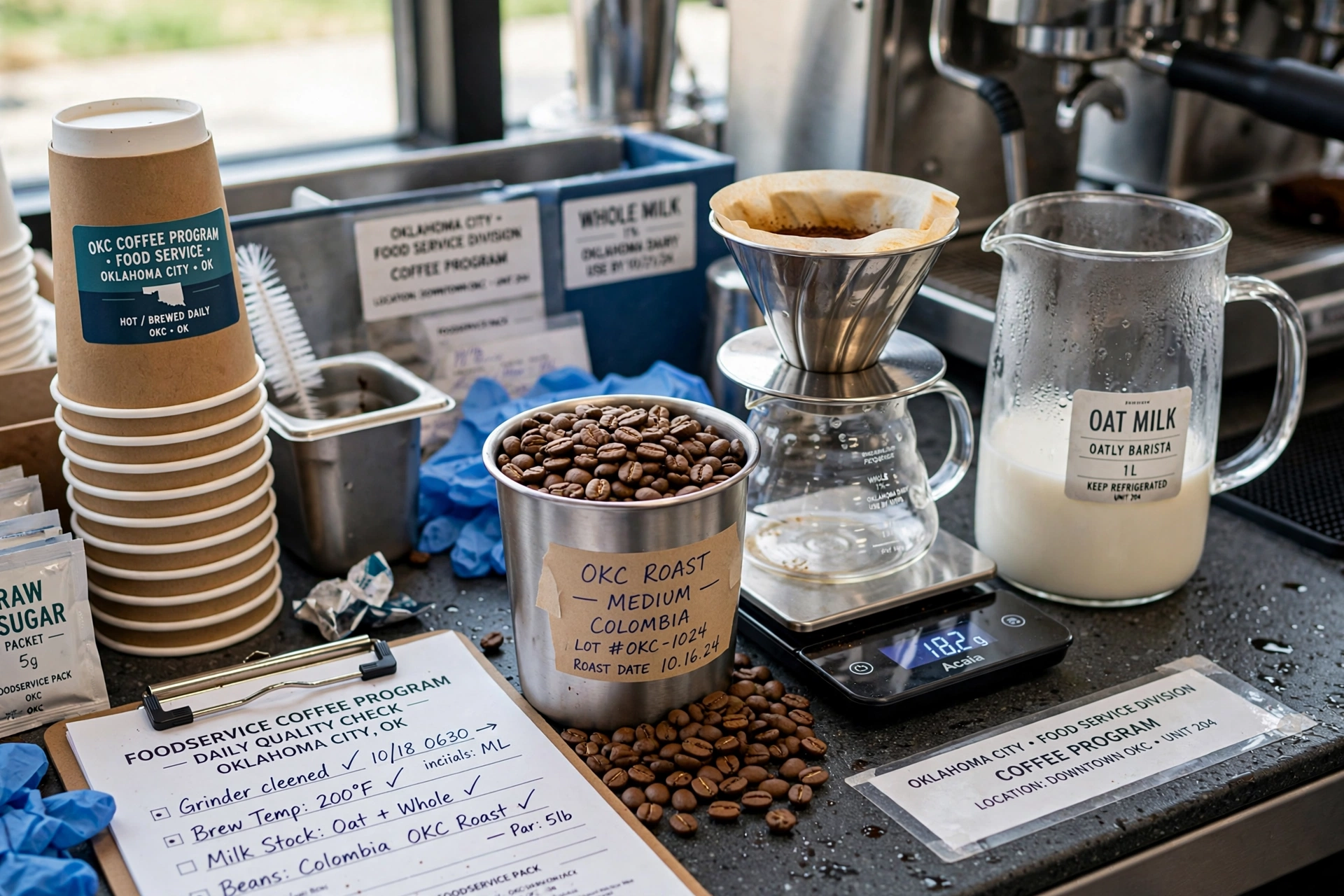
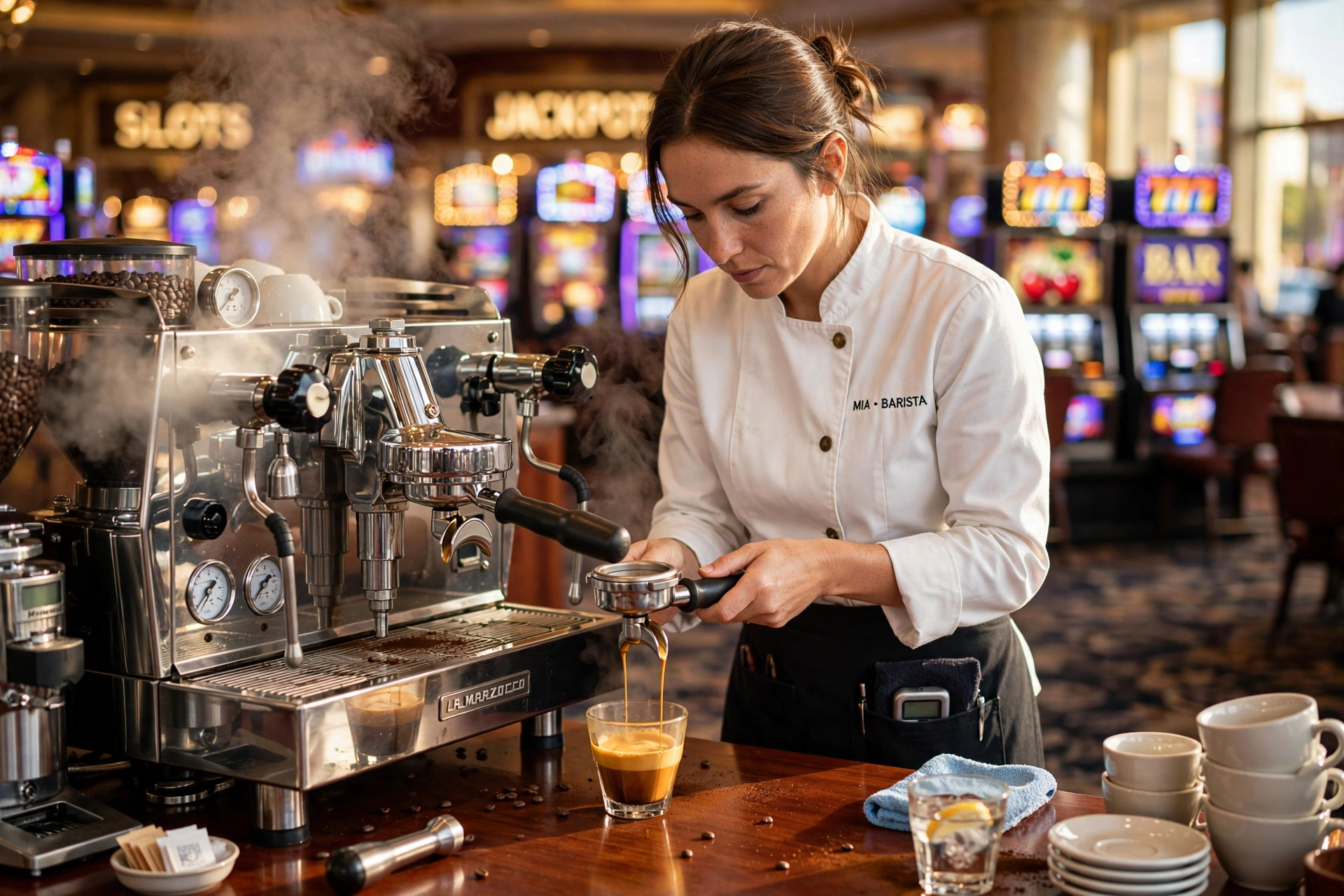
Scaling a beverage program in the Live Music Capital of the World requires more than just a machine; it requires a system that handles high volume without sacrificing the quality Austin locals expect. A professional foodservice coffee program in Austin TX is a comprehensive managed solution combining premium equipment, a consistent supply of specialty coffee, and technical maintenance to ensure zero downtime during peak brunch or lunch rushes. By shifting from a fragmented 'buy-and-hope' approach to a managed membership, businesses in Austin can stabilize their margins while delivering a barista-level experience that keeps guests returning.
In my experience working with high-volume hospitality groups across the Southeast and major US hubs, the biggest bottleneck isn't the bean quality, but the operational friction of equipment failure. I've seen Austin cafes lose thousands in potential revenue on a single Saturday morning because a boiler gasket failed and they didn't have a service contract. This is why a managed program is no longer a luxury; it is a risk-mitigation strategy for any serious foodservice operator.
For those managing smaller corporate environments before scaling to a full foodservice model, reviewing the Best Office Espresso Machines for Small Teams in 2026 can provide a baseline for quality expectations.
Why Are Austin Businesses Adopting Managed Foodservice Coffee Programs?
The shift toward managed coffee services in Austin is driven by a sophisticated consumer base that views coffee as a culinary experience rather than a commodity. Austin's market is uniquely competitive, blending a high density of independent specialty shops with large-scale hospitality groups. To compete, businesses are moving away from traditional leasing models and toward all-inclusive memberships that guarantee equipment uptime and roast consistency.
According to the National Coffee Association USA (NCA), coffee consumption patterns have shifted heavily toward specialty brews, with a growing percentage of consumers demanding high-quality espresso-based drinks even in non-traditional foodservice settings like hotels and bistros. This demand puts immense pressure on the hardware. When a machine goes down in a fast-paced Austin environment, the loss isn't just the price of a latte; it's the loss of the entire ticket and the guest's trust.
Furthermore, the labor market in Texas has made finding and retaining skilled baristas increasingly difficult. By implementing a program that utilizes intuitive, high-performance equipment, businesses can reduce the training gap. I've noticed a consistent pattern: when the equipment is reliable and the workflow is optimized, staff turnover decreases because the employees feel less stressed during the rush. This operational stability is exactly why the White Glove Coffee Service in Los Angeles CA - Complete Guide | Busy Bean Coffee has seen such success in similar high-pressure urban markets; the same principles of reliability and support apply directly to the Austin landscape.
What Are the Key Benefits of a Professional Coffee Program in Austin?
Integrating a managed coffee solution transforms a cost center into a profit center. Instead of worrying about the depreciation of a machine or the volatility of bean pricing, operators can focus on the guest experience. The primary advantage is the elimination of capital expenditure (CapEx) in favor of a predictable operational expense (OpEx), allowing Austin businesses to keep their cash flow liquid for other growth initiatives.
Consistent Quality and Brand Trust
Consistency is the bedrock of hospitality. In a city where guests are spoiled for choice, a single bad cup of coffee can alienate a customer for life. A managed program ensures that your beans are roasted to specific profiles and your machines are calibrated daily. This level of precision is what separates a generic coffee station from a destination beverage program. By utilizing high-grade Coffea arabica beans and precision-engineered espresso machines, you ensure that every shot has the correct extraction and crema.
Zero-Downtime Maintenance
Equipment failure is the silent killer of margins. A professional program includes proactive maintenance, meaning technicians visit your site before a part fails, not after. This is critical for Austin's seasonal spikes, such as during SXSW or ACL, where the volume of guests can triple overnight. When your equipment is backed by a professional service agreement, you aren't waiting three days for a part to arrive from another state.
Optimized Labor and Training
Reducing the complexity of the brew process allows your staff to move faster. Whether you are training a seasoned barista or a general server, the goal is a repeatable result. This efficiency is further enhanced when you provide the right tools. For those looking to elevate their presentation, knowing where to buy latte art tools for foodservice pros can help in training staff to create the visual appeal that drives social media mentions and organic marketing for Austin businesses.
💡
Key Takeaway
The most significant benefit of a managed program is the shift from reactive crisis management to proactive operational excellence, ensuring your coffee service is a reliable revenue stream rather than a liability.
Comparison of Coffee Service Models
| Feature | Traditional Purchase | Generic Cheap Lease | Busy Bean Managed Program |
|---|---|---|---|
| Upfront Cost | High CapEx | Moderate | Zero / Low Monthly Fee |
| Maintenance | Pay-per-visit (Slow) | Basic / Limited | All-Inclusive / Proactive |
| Bean Quality | Variable | Commodity Grade | Premium Specialty Coffee |
| Technical Support | Third-Party | Generic Call Center | Dedicated Industry Experts |
| Equipment | Outdated quickly | Low-end / Plastic | Professional-Grade SENSA |
Real-World Examples of Austin Coffee Program Success
To understand the impact of a professional foodservice coffee program in Austin TX, we have to look at the actual numbers. In my work, I've seen how the right infrastructure changes the financial trajectory of a business.
Case Study 1: The Boutique Hotel Transition
An upscale boutique hotel in downtown Austin was struggling with a fragmented system: they bought a mid-range machine and sourced beans from a local wholesaler. However, they had no maintenance contract. During a peak weekend, their primary espresso machine suffered a heating element failure. They were offline for 48 hours, losing an estimated $2,400 in high-margin beverage sales and facing numerous guest complaints. After switching to Busy Bean Coffee's managed solution, they experienced zero unplanned downtime over the following year. By stabilizing their service, they saw a 22% increase in morning beverage revenue because guests felt confident in the quality and availability of the coffee.
Case Study 2: The Fast-Casual Eatery Scale-Up
A fast-casual spot in East Austin wanted to introduce a specialty coffee menu to increase their average check size. They initially tried using automated pods, which guests found lacking in flavor. They transitioned to a professional managed program with a high-capacity espresso machine and a consistent supply of specialty coffee. This shift allowed them to price their lattes at a premium. Within six months, their average ticket size increased by $4.50 per customer. The ability to serve a true specialty brew without needing a master barista on every shift allowed them to scale their volume without increasing their labor cost proportionally.

How to Implement a Foodservice Coffee Program in Austin
Setting up a professional program isn't as simple as plugging in a machine. It requires a strategic approach to layout, sourcing, and staffing. If you are operating in other Texas hubs, you might consider how an automated coffee service in Fort Worth TX optimizes speed, but for Austin's specialty-focused market, a balanced approach of automation and craftsmanship is key.
Step 1: Audit Your Volume and Flow
Before selecting equipment, you must analyze your peak hours. How many drinks per hour are you projecting during the morning rush? A machine that can handle 20 drinks an hour will fail miserably in a high-volume Austin environment where 60+ is the norm. Map out the 'triangle' of movement: where the beans are stored, where the machine sits, and where the customer receives the drink. Minimizing steps for the barista increases throughput and reduces guest wait times.
Step 2: Selection of Equipment and Bean Profile
Don't settle for commodity coffee. In Austin, your customers know the difference between a burnt roast and a nuanced specialty bean. Choose a roast profile that complements your food menu. For example, a brighter, citrusy Arabica works well with breakfast pastries, while a chocolatey, full-bodied roast pairs better with savory lunch items. Busy Bean Coffee simplifies this by providing professional-grade equipment that is pre-calibrated for our premium roasts.
Step 3: Staff Training and Standardization
Even the best machine produces bad coffee if the operator doesn't understand dosing and tamping. Implement a standardized training protocol. Every staff member should know how to purge the steam wand and how to dial in the grind. This ensures that a latte tastes the same at 7:00 AM as it does at 2:00 PM. This is where we focus heavily during our installation process at Busy Bean Coffee, ensuring your team is confident before the first customer walks through the door.
Step 4: Establishing a Maintenance Cadence
Water quality is the most overlooked part of any coffee program. Austin's water can be hard, leading to scale buildup that destroys boilers. A professional program includes high-end filtration and a scheduled cleaning cycle. Never wait for a machine to stop working to call a technician. Proactive descaling and gasket replacement are the difference between a 10-year machine life and a 3-year failure.
Addressing Common Objections to Managed Coffee Services
Many operators hesitate to move to a managed model because they believe owning the equipment is cheaper. However, the data tells a different story. Most people assume that a one-time purchase is a safer bet, but they fail to account for the hidden costs of maintenance and the loss of revenue during downtime.
Objection 1: "I can just buy a machine and call a technician when it breaks."
In practice, this is a gamble. In a busy Austin market, the best technicians are booked weeks in advance. Waiting three days for a repair during a holiday weekend isn't just an inconvenience; it's a financial hit. When you calculate the cost of lost sales plus the emergency repair premium, the "cheap" ownership model becomes significantly more expensive than a predictable monthly fee.
Objection 2: "A monthly fee is too expensive for my current margins."
This is a perspective shift issue. You aren't paying for a machine; you are paying for a guaranteed revenue stream. By eliminating the risk of downtime and providing a product that allows for premium pricing, the program typically pays for itself through increased sales volume. According to the Specialty Coffee Association (SCA), businesses that adhere to specialty standards can command significantly higher price points per cup than those serving commodity coffee, directly offsetting the cost of the managed service.
Objection 3: "I don't want to be locked into a contract."
Modern managed services are built on partnerships, not traps. The value is in the service. If the equipment is performing and the coffee is selling, the contract is an asset, not a burden. It provides a hedge against inflation in bean pricing and equipment costs. If you look at the success of automated coffee service in Wilmington NC, the ability to scale without worrying about individual equipment failures is what allows those businesses to expand their footprint rapidly.
📚
Definition
CapEx (Capital Expenditure) refers to the funds used by a company to acquire or upgrade physical assets, such as espresso machines, whereas OpEx (Operating Expenditure) refers to the ongoing costs to run a product or system.
Frequently Asked Questions
What is the difference between a standard coffee machine and a professional foodservice coffee program?
A standard machine is a piece of hardware you buy and maintain yourself. A professional foodservice coffee program is a comprehensive business solution. It includes the high-end hardware, the sourcing of specialty-grade beans, professional installation, and an ongoing maintenance agreement. While a machine provides coffee, a program provides a consistent, scalable revenue stream by removing the operational risks associated with equipment failure and bean inconsistency, ensuring your Austin business remains competitive and efficient.
How does a managed coffee service help with labor shortages in Austin?
Labor shortages are a chronic issue in the Texas hospitality sector. Managed programs mitigate this by providing equipment that is designed for consistency and ease of use. By reducing the technical complexity required to pull a perfect shot, you lower the barrier to entry for new employees. Furthermore, because the maintenance is handled by experts, your staff spends their time serving customers rather than troubleshooting a malfunctioning machine, which reduces burnout and improves overall employee retention.
Which type of coffee beans are best for a high-volume Austin foodservice program?
For high-volume settings, you want a balance of quality and versatility. We recommend using premium specialty coffee derived from Coffea arabica, which offers a more complex and smoother flavor profile than Robusta. Depending on your menu, a medium-dark roast typically provides the best balance for milk-based drinks like lattes and cappuccinos, while a lighter roast can be offered as a pour-over option for the more discerning coffee enthusiast in the Austin market.
Is it better to lease coffee equipment or use a managed membership?
Leasing often only covers the hardware and might still leave you responsible for maintenance or bean sourcing. A managed membership, like those provided by Busy Bean Coffee, is all-inclusive. It bundles the equipment, the supply chain, and the technical support into one predictable monthly fee. This converts a volatile expense into a stable operational cost, allowing you to forecast your budget with precision while ensuring you always have the latest, most efficient equipment in your shop.
How do I ensure the coffee quality stays consistent during peak hours?
Consistency is achieved through two things: calibration and equipment capacity. First, your grinds must be adjusted daily to account for humidity and temperature changes, which is a core part of a professional program's training. Second, you need a machine with sufficient boiler capacity to maintain temperature stability even when pulling back-to-back shots. Without this, the first drink of the hour will taste different from the twentieth, which damages your brand's reputation with local regulars.
Final Thoughts on a Foodservice Coffee Program in Austin TX
Building a successful beverage program in a city as vibrant and demanding as Austin requires a shift in mindset. You cannot rely on outdated, fragmented systems if you want to capture the high-margin potential of the specialty coffee market. The goal is to create a seamless experience where the coffee is always exceptional, the machine never fails, and the costs are entirely predictable.
Whether you are running a boutique hotel, a busy bistro, or a high-end corporate office, the operational burden of managing your own equipment is a distraction from your core business. By implementing a professional foodservice coffee program in Austin TX, you trade uncertainty for stability and commodity-grade output for specialty excellence. If you are looking for a partner who understands the unique pressures of the Texas market and can provide an all-inclusive solution that scales with you, we invite you to discover how we can transform your beverage service.
Stop worrying about boiler gaskets and bean volatility. Let us handle the technical complexities so you can focus on your guests. Visit Busy Bean Coffee today to start your transition to a managed, high-performance coffee program.
Free Coffee Pairing Guide & Specialty Roast Cheat Sheet
Unlock the secrets of perfect brewing ratios, water temperatures, and specialty roast profiles. Download the guide.