📖This article is part of the complete guide to The Ultimate Guide to Commercial Coffee Brewers.
The Power of Commercial Coffee Brewers in Bakeries and C-Stores
Bakeries and convenience stores face relentless morning rushes where 68% of customers grab coffee alongside food items, according to the National Coffee Association's 2026 data. The right commercial coffee brewers for bakeries and C-Stores handle 100-500 cups per hour with precision, transforming simple coffee service into a major profit center. With convenience store coffee sales projected to reach $15 billion annually in 2026, these heavy-duty machines have become essential for competing with chains.
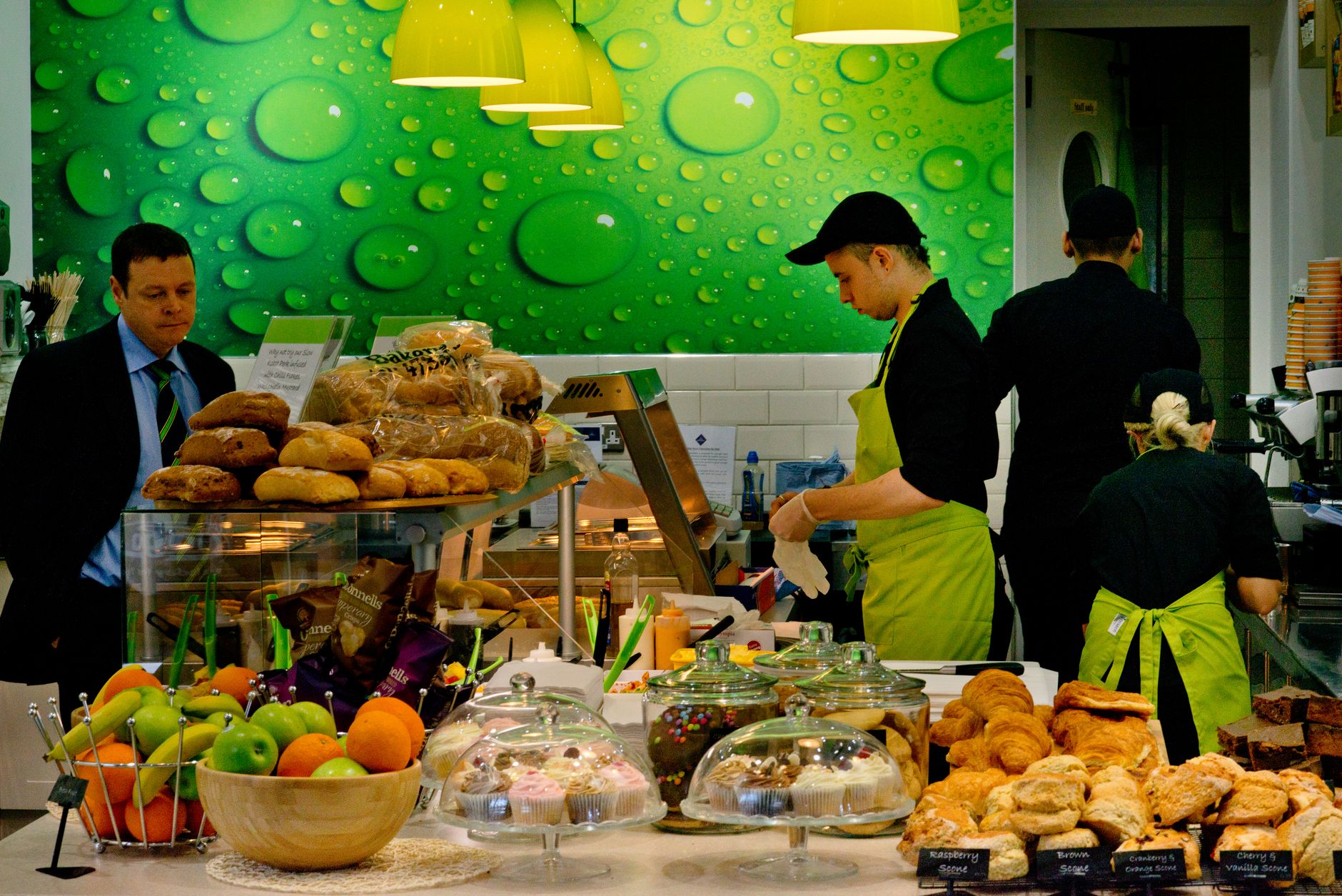
What Makes Commercial Brewers Different for Foodservice Businesses?
📚
Definition
Commercial coffee brewers for bakeries and C-Stores are NSF-certified machines designed for continuous operation, featuring stainless steel construction, digital controls, and production capacities of 3-18 gallons per hour with recovery times under 5 minutes.
Unlike home or office models, these workhorses are built for 12-24 hour shifts in greasy, high-traffic environments. The Bunn Axiom series and Fetco CBS models dominate the sector with:
- Plumbed-in water lines eliminating bottle waste
- Satellite dispensers serving multiple stations
- Thermal servers maintaining 185°F for hours
- Grinder integration for fresh-pairing with pastries
From my experience equipping bakeries in Mount Pleasant, SC, the real differentiator is uptime. Our SENSA Pro line at Busy Bean Coffee reduced client downtime by 75% through self-diagnostic alerts and 24/7 remote monitoring.
The Financial Impact of High-Volume Coffee Service
💡
Key Takeaway
Bakeries and C-Stores using commercial-grade brewers experience 22% higher average transaction values when pairing coffee with food, according to Deloitte's 2026 Retail Foodservice Report.
Consider these 2026 financial benchmarks:
- Cost per cup drops to $0.12 vs. $0.25 for conventional methods (IDC Foodservice Analysis)
- Annual savings of $50k for stores brewing 500 cups daily
- Upsell revenue increases 28% when bundling coffee with breakfast items (Harvard Business Review)
- Labor efficiency improves with auto-timed brewing synced to peak hours
Our managed service clients report 6-month ROI periods, with margins reaching 80% on coffee sales. For deeper dives into high-volume strategies, explore our Commercial Coffee Brewers for Hotels and Hospitality guide.
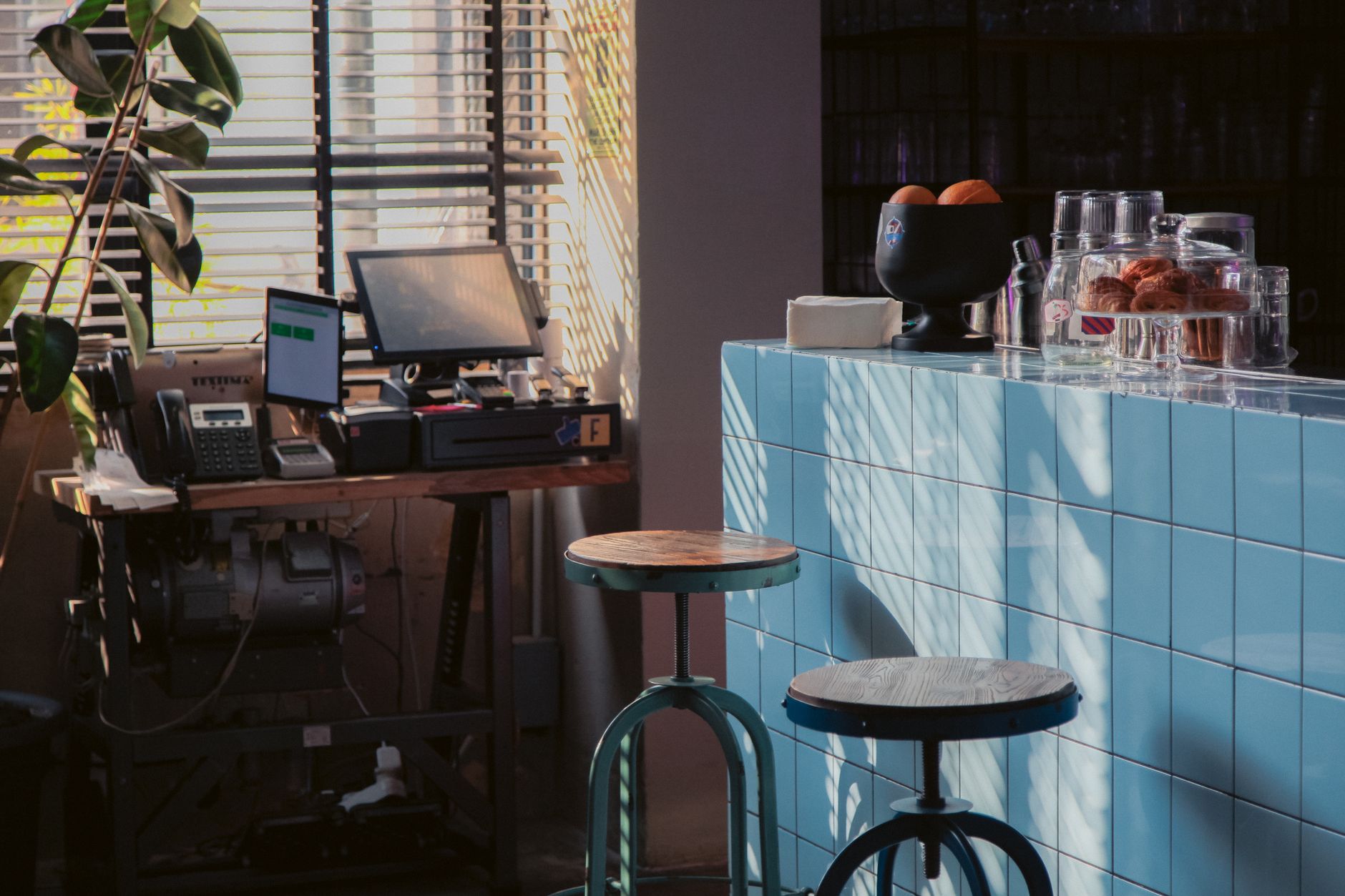
Selecting the Perfect Brewer: A 6-Step Process
-
Volume Assessment
- Under 200 cups/day: 3-gallon batch (Fetco CBS-1231)
- Over 500 cups: 12-gallon systems (Bunn CW APS)
- Add 20% capacity buffer for growth
-
Space Optimization
- Wall-mount options for counters under 20" depth
- Satellite warmers extend service without crowding
-
Feature Prioritization
- Hot water taps for tea/instant meals
- SCA-certified temperature control (195-205°F)
- NSF-4 sanitation compliance
-
Total Cost Analysis
- Include $200/year maintenance kits
- Factor descaling labor (15 mins weekly)
- Our SENSA program bundles everything at predictable rates
-
Brew Quality Testing
- Sample light vs. dark roast pairings
- Verify 1:16 coffee-to-water ratio precision
-
Service Network Evaluation
- 24/7 technician availability critical
- Remote diagnostics save 2+ service calls annually
For offices needing similar throughput, see Commercial Coffee Brewers for Office Breakrooms.
The 2026 Equipment Showdown: Commercial vs. Consumer Grade
| Feature | Commercial Brewers | Consumer Machines |
|---|---|---|
| Hourly Output | 100-500 cups | 20-50 cups |
| Heat Retention | 4+ hours (thermal) | 30 minutes |
| Build Quality | 304 stainless steel | Plastic/composite |
| Cost Per Cup | $0.10-$0.15 | $0.20-$0.30 |
| Maintenance | Quarterly professional | Daily user cleaning |
A 2026 NCA study found underpowered equipment costs high-volume locations $24k annually in lost sales and waste. The commercial advantage extends to:
- Compliance with health department grease/steam regulations
- Integration with POS systems for dynamic bundling
- Dual-use capabilities (drip + soluble brewing)
Pro Maintenance Strategies from the Field
Having serviced hundreds of units, I recommend these battle-tested practices:
-
Descaling Protocol Monthly vinegar flushes prevent 83% of service calls (Fetco engineering data)
-
Staff Training 15-minute sessions on grind sizing and water filtering boost consistency
-
Peak Optimization Program auto-brews to align with:
- Bakery oven schedules
- Morning commuter patterns (6-8 AM)
- Lunch coffee-and-dessert rushes
-
Waste Tracking Digital meters identify over-brewing patterns (saving 15% in materials)
💡
Key Takeaway
Pairing brewers with POS data enables strategic pricing—charging premium during rushes while offering value combos during lulls.
Frequently Asked Questions
How much space do commercial coffee brewers require?
Most units need 24-36" width, with 6-12" clearance for plumbing. Our SENSA Compact series fits in 18" spaces using vertical design—perfect for tight C-Store counters. Always measure service area before purchasing.
Can these brewers handle specialty drinks like cold brew?
Modern units like the Fetco XTS offer cold brew extraction cycles (12-24 hours). Some bakeries use this for afternoon iced coffee pairings with cookies, creating a second daily revenue peak.
What's the typical lifespan of commercial brewing equipment?
With proper maintenance:
- 7-10 years for entry-level ($2.5k-$5k)
- 12-15 years for premium ($8k-$12k) Our SENSA leases include lifecycle management, automatically upgrading equipment before performance declines.
How do commercial brewers impact customer satisfaction?
NCA data shows freshness and temperature consistency account for 92% of repeat coffee purchases in C-Stores. Thermal servers score 28% higher in satisfaction surveys than glass pots.
Are there financing options available?
Busy Bean Coffee offers:
- $0-down leasing (36-month terms)
- Revenue-sharing models
- All-inclusive subscriptions (equipment + service + beans) Typical approval takes 48 hours.
The Future of High-Volume Coffee Service
Emerging 2026 trends to watch:
- AI-Powered Brew Scheduling: Machine learning predicts rush volumes
- Touchless Dispensing: NFC-enabled cups reduce contamination
- Sustainable Systems: Water-saving brew heads cut usage by 30%
At Busy Bean Coffee, we're piloting these innovations with select bakery partners. For a comprehensive look at what's next, revisit our Ultimate Guide to Commercial Coffee Brewers.
Ready to Transform Your Coffee Service?
Contact Busy Bean Coffee at (833) THE-BEAN or visit www.busybeancoffee.com for a free equipment assessment. Our white-glove service includes:
- Customized volume analysis
- Space-optimized equipment planning
- Staff training programs
- Ongoing maintenance and support
Let's brew up higher margins and happier customers together—one perfect cup at a time.
Free Coffee Pairing Guide & Specialty Roast Cheat Sheet
Unlock the secrets of perfect brewing ratios, water temperatures, and specialty roast profiles. Download the guide.