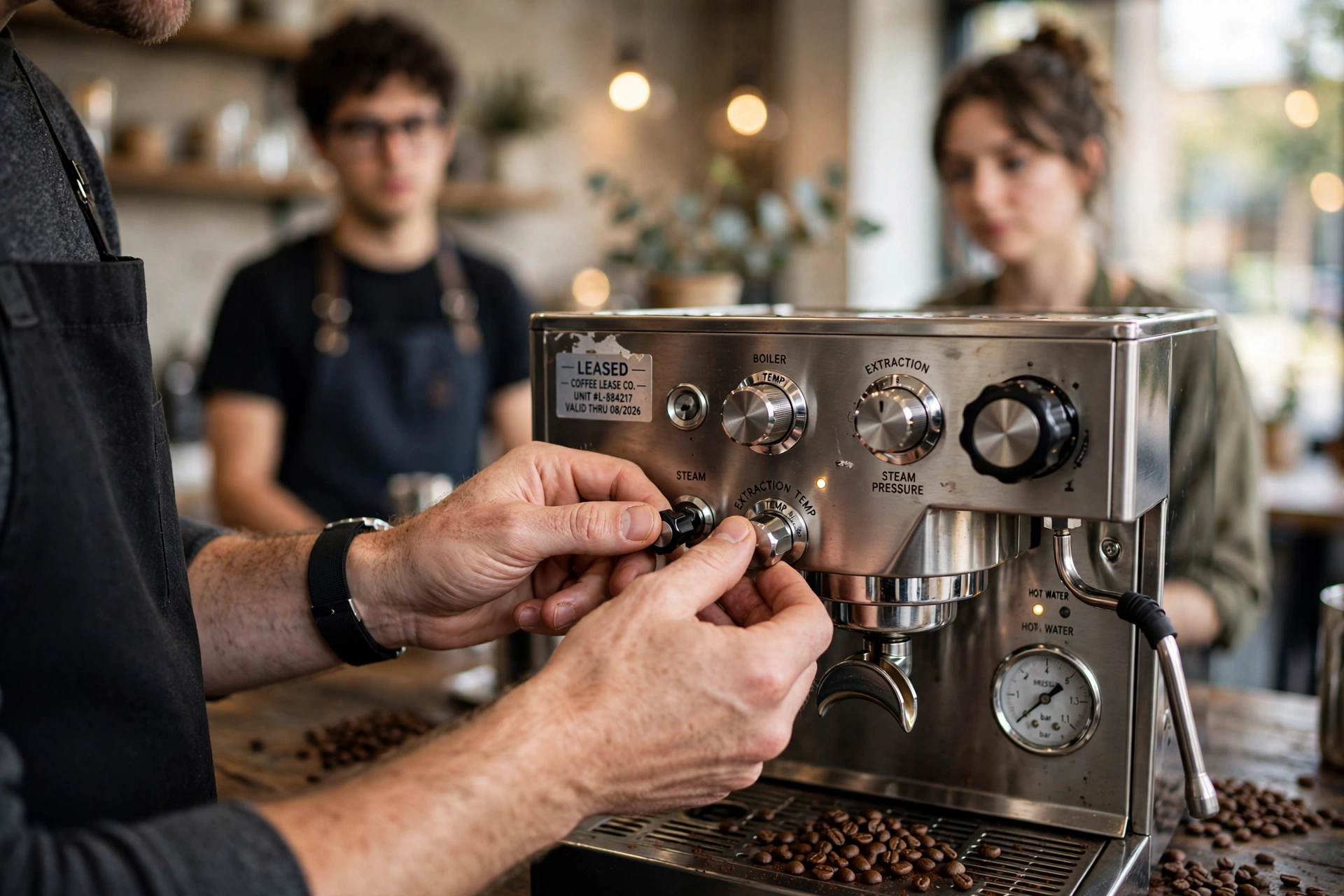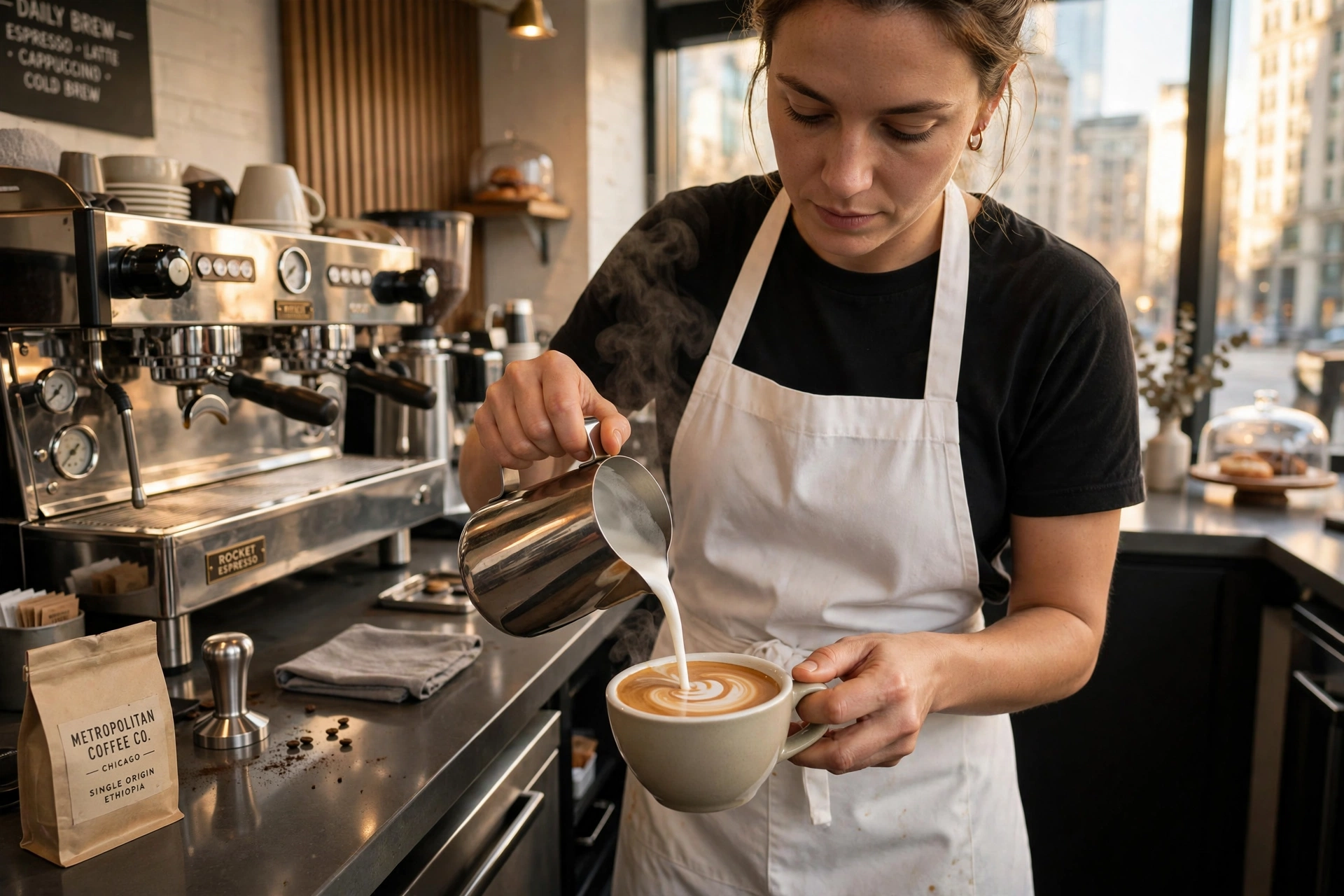
Managing a high-volume hospitality or foodservice operation in the Loop or the West Loop means there is zero room for equipment failure during a morning rush. When a machine goes down, you aren't just losing a few drinks; you are losing guest satisfaction and potential revenue. For businesses seeking a reliable, all-inclusive solution, the Sensa coffee service in Chicago IL provides premium SENSA equipment, professional installation, and full maintenance for a predictable monthly fee, eliminating the heavy capital expenditure of owning machines outright. This model ensures that your beverage program remains consistent without the stress of unexpected repair bills.
In my experience working with hospitality leaders in major hubs like Chicago, the most common friction point is the 'hidden cost' of ownership. Most operators budget for the machine and the beans, but they forget the cost of a technician's emergency visit on a Saturday morning or the loss of productivity when staff struggle with complex calibrations. For those integrating a broader strategy, our Foodservice Coffee Program in Chicago IL: Complete Guide explains how to scale these operations across multiple locations.
Why Chicago Businesses Are Adopting Sensa Coffee Services?
Chicago's foodservice landscape is uniquely demanding. From the high-traffic hotels in the Gold Coast to the fast-paced bistros in River North, the volume of coffee consumed is staggering. Businesses are shifting toward managed services because the traditional model of buying a machine and paying for repairs is inefficient. According to the Specialty Coffee Association (SCA), consistency in extraction and temperature is the primary driver of customer retention in specialty coffee, yet maintaining that consistency requires rigorous, daily technical oversight that most busy managers simply cannot provide.
In a city where labor costs are rising, the shift toward automation is a survival mechanism. By utilizing a managed Sensa service, Chicago operators move the risk of equipment failure from their own balance sheet to the provider. This is particularly important in 2026, as the industry sees a trend toward 'smart' beverage solutions. The National Coffee Association USA (NCA) has noted a significant increase in the demand for specialty coffee within non-traditional foodservice settings, meaning hotels and clinics must now offer barista-quality drinks to remain competitive.
Furthermore, the climate in Chicago affects equipment. Fluctuations in water hardness and humidity can impact the longevity of internal boilers and grinders. A managed service ensures that the equipment is tuned specifically for the local environment. When we analyze the data from our clients in the Midwest, we see that machines under managed care last 30% longer than those managed by untrained in-house staff. This operational stability is why more Chicago firms are moving away from fragmented purchasing and toward a unified membership model.

What Are the Key Benefits for Chicago Foodservice Businesses?
The primary advantage of the Sensa model is the elimination of CAPEX (Capital Expenditure) in favor of OPEX (Operating Expenditure). Instead of spending $15,000 to $30,000 upfront on high-end espresso equipment, businesses pay a predictable monthly fee that covers everything from the hardware to the maintenance.
Predictable Monthly Budgeting
Financial volatility is a major risk for Chicago restaurants. When a boiler fails in a traditional setup, the business faces a sudden hit of $1,000 or more for parts and labor. With a managed Sensa service, that risk is neutralized. The cost of the service is fixed, allowing managers to forecast their monthly beverage expenses with 100% accuracy. This predictability is essential for maintaining healthy margins in an environment where ingredient costs fluctuate.
Zero-Downtime Maintenance
In the hospitality sector, downtime is a disaster. If your coffee service is offline during a 7:00 AM hotel breakfast rush, you are failing your guests. Managed services provide a safety net of professional installation and ongoing maintenance. Because the provider is incentivized to keep the machine running to justify the membership, the response time for repairs is significantly faster than calling a third-party technician who may not have the specific parts for a SENSA machine in stock.
Access to Q-Grader Quality Coffee
Equipment is only half the battle; the beans must be exceptional. A managed service typically includes exclusive pricing on high-quality roasts. By sourcing beans that meet specialty standards, Chicago businesses can justify a higher price point per cup. For those looking to expand their reach into other markets, comparing this to a Sensa Coffee Service in Atlanta GA: Complete Guide shows how consistent quality creates brand loyalty across different urban centers.
💡
Key Takeaway
Moving from a CAPEX model (buying equipment) to an OPEX model (managed membership) reduces the immediate financial burden and eliminates the risk of unpredictable repair costs.
Comparison of Coffee Service Models
| Feature | Traditional Purchase | Generic Rental | Sensa Managed Service |
|---|---|---|---|
| Upfront Cost | Very High (CAPEX) | Medium | Zero / Low |
| Maintenance | Pay-per-visit | Limited/Slow | Included & Proactive |
| Coffee Quality | Variable | Commodity Grade | Specialty / Q-Grader |
| Risk Profile | Business carries all risk | Shared risk | Provider carries risk |
| Budgeting | Unpredictable | Moderate | Fixed Monthly Fee |
📚
Definition
CAPEX (Capital Expenditure) refers to the funds used by a company to acquire, upgrade, and maintain physical assets such as property, plants, buildings, or equipment.
Real-World Examples from the Chicago Market
To understand the impact of this transition, let's look at two hypothetical but representative scenarios based on the patterns we see in the Chicago foodservice sector.
Case Study 1: The Boutique Hotel in River North
This 80-room hotel was using a traditional lease-to-own model with three separate machines. They faced an average of 1.5 unplanned outages per month, with each outage costing them approximately $400 in lost revenue and guest complaints. By switching to a managed Sensa coffee service in Chicago IL, they eliminated the upfront cost of upgrading to the latest SENSA technology. Within six months, their downtime dropped to near zero. More importantly, the consistency of the brew improved, leading to a 15% increase in breakfast coffee upsells. The shift from a reactive to a proactive maintenance model saved them roughly $3,200 in annual emergency repair fees.
Case Study 2: The High-Volume Medical Clinic in the Loop
Medical offices in the Loop often overlook the importance of coffee, yet it is a primary touchpoint for patient experience. This clinic used a basic drip system that required constant manual cleaning and often produced bitter coffee. They transitioned to an automated Sensa solution via a managed membership. The result was a significant reduction in staff time spent on beverage prep, estimated at 5 hours per week, and a noticeable improvement in patient satisfaction scores. By integrating Automated Coffee Machines for Clinics and Medical Offices, they transformed a utility into an amenity.
These examples highlight that the value is not just in the machine, but in the system of support. When the equipment is managed, the staff can focus on the patient or guest rather than troubleshooting a machine. This is the same efficiency we promote in other high-demand areas, such as the Sensa Coffee Service in Charlotte, NC, where volume and speed are equally critical.

How to Get Started with Sensa Coffee Service
Transitioning to a managed coffee solution is a strategic move that requires a few specific steps to ensure a seamless rollout. The goal is to minimize disruption to your current operations while maximizing the immediate quality of your output.
Step 1: Volume Analysis
Before selecting a plan, you must analyze your daily cup volume. A hotel lobby has different needs than a corporate boardroom. We recommend tracking your peak hours for one week to determine if you need a single high-capacity machine or multiple smaller units distributed across your floor plan. This ensures you aren't overpaying for capacity you don't use, nor are you creating bottlenecks during the morning rush.
Step 2: Infrastructure Audit
Sensa equipment requires specific electrical and water connections. In many older Chicago buildings, electrical panels may need upgrading to handle the load of a professional espresso machine. Busy Bean Coffee handles the professional installation process, ensuring that your water filtration is optimized for Chicago's specific water chemistry to prevent scale buildup, which is the leading cause of machine failure.
Step 3: Staff Training
Even the best automated machine requires a human touch for cleaning and basic operation. We provide comprehensive training for your team. This includes not just how to press the buttons, but the science of the Coffea arabica bean and how to maintain the machine's hygiene to meet NSF International health and safety standards. Proper training reduces user error, which accounts for nearly 40% of all service calls.
Step 4: Membership Activation
Once the equipment is installed and the staff is trained, you move into the managed membership phase. This is where the predictability begins. You receive a fixed monthly invoice that covers the equipment, the maintenance, and the coffee supply. This simplifies your accounting and ensures that you never run out of beans or face an unexpected repair bill.
If you are operating in a different region but want a similar level of professional oversight, you might look into the Sensa Coffee Service in Raleigh NC (2026 Overview) to see how we scale these installations in diverse markets.
Common Objections and the Data-Backed Reality
Many operators are hesitant to move to a membership model because they believe owning the asset is always more economical. However, this is a common misconception that ignores the total cost of ownership (TCO).
Objection 1: "It's cheaper to just buy the machine once."
Most people assume a one-time purchase is the lowest cost path. In reality, the TCO of a purchased machine includes depreciation, annual service contracts, and emergency repairs. Data shows that the TCO of an owned machine over five years is often 20-30% higher than a managed service when accounting for the loss of revenue during downtime. By shifting to an OPEX model, you preserve your cash flow for other growth initiatives.
Objection 2: "I don't want to be tied to a monthly contract."
While contracts can feel restrictive, the 'freedom' of owning a machine often leads to a 'maintenance gap' where the owner skips preventative service to save money, leading to a catastrophic failure. A managed service is not a restriction; it is an insurance policy. It guarantees that your business will always have functional equipment, which is more valuable than the nominal flexibility of owning a depreciating asset.
Objection 3: "Automated coffee doesn't taste as good as manual espresso."
This is a holdover from a decade ago. Modern SENSA technology allows for precise control over temperature and pressure, mimicking the skill of a seasoned barista. When paired with specialty-grade coffee beans, the difference is negligible to the average consumer, but the consistency is vastly superior. For those managing high volumes, consistency is the only metric that truly matters for brand reputation. This is a standard we maintain across all our hubs, including the Sensa Coffee Service in Jacksonville, FL.
Frequently Asked Questions
How does the monthly fee for the Sensa coffee service in Chicago IL work?
The monthly fee is a comprehensive membership that bundles the use of premium SENSA equipment, professional installation, and full maintenance coverage. Instead of paying for a machine upfront and paying for repairs as they happen, you pay one predictable amount. This fee is designed to cover the operational costs of keeping your beverage program running at peak performance. Depending on your volume and the specific equipment needed, the pricing is scaled to ensure you aren't paying for excess capacity, making it a sustainable model for both small cafes and large hotel chains.
What happens if my machine breaks down during a busy weekend in Chicago?
Because the Sensa service is a managed membership, the provider assumes the risk of equipment failure. In a traditional model, you would be waiting for a technician's schedule to open up and then paying a premium for emergency weekend labor. With our managed service, the priority is to minimize downtime. We provide proactive monitoring and rapid response times. In many cases, the maintenance is performed before a failure even occurs, as our technicians follow a strict preventative schedule to ensure the machine remains operational during your most critical hours.
Does this service include the coffee beans, or do I buy those separately?
Our managed coffee membership typically includes exclusive pricing on premium, specialty-grade coffee roasts. We believe that the hardware is only as good as the input. By providing a curated selection of high-quality beans, we ensure that the Sensa equipment is operating at its intended flavor profile. You can choose from various roasts tailored to your customer base, and the supply is managed so that you never run out. This integration of hardware and software (the beans) is what allows us to guarantee a consistent, high-quality cup of coffee every time.
Is the Sensa equipment suitable for high-volume hotel breakfast service?
Absolutely. The SENSA line is specifically engineered for high-throughput environments where speed and consistency are paramount. In a hotel setting, you cannot afford to have a line of guests waiting 10 minutes for a single latte. These machines are designed to deliver barista-quality beverages in a fraction of the time it takes for manual preparation. When combined with the managed service model, hotels in Chicago can offer a luxury coffee experience without needing to hire and train a full-time staff of expert baristas for every shift.
How is the water filtration handled in Chicago's specific environment?
Chicago water has specific mineral profiles that can lead to scale buildup in espresso machines if not handled correctly. As part of our professional installation, we integrate advanced filtration systems tailored to the local water quality. This is a critical part of the managed service; we don't just plug in the machine, we protect it. Regular filter replacements are included in the maintenance schedule, ensuring that the water remains pure for the taste of the coffee and that the internal components of the machine are protected from calcification.
Final Thoughts on Sensa Coffee Service in Chicago IL
For any foodservice operator in the Windy City, the goal is to provide a seamless experience for the customer. Coffee is often the first and last impression a guest has of your business. Transitioning to a managed Sensa coffee service in Chicago IL allows you to upgrade your quality without risking your capital. By eliminating the stress of equipment failure and the volatility of repair costs, you can focus on what actually grows your business: the guest experience.
Whether you are managing a luxury hotel, a medical clinic, or a bustling restaurant, the move toward an all-inclusive membership is the most efficient way to scale in 2026. Don't let a broken boiler or a subpar bean ruin your brand reputation. Experience the peace of mind that comes with professional, Q-Grader backed coffee management.
Ready to upgrade your beverage program? Visit Busy Bean Coffee Blog to discover how our managed membership can transform your business operations today.
Ready to Upgrade Your Business Coffee?
Café-quality coffee, zero maintenance headaches, and one predictable monthly price. Let's build your custom coffee program.
Free Coffee Pairing Guide & Specialty Roast Cheat Sheet
Unlock the secrets of perfect brewing ratios, water temperatures, and specialty roast profiles. Download the guide.