

📖This article is part of the complete guide to Ultimate Guide to Industrial Coffee Roasters for Business.
Hoteliers are waking up to a powerful truth: the coffee served in the lobby, at breakfast, and in the minibar is not just a beverage—it's a defining element of the guest experience. Yet, most hotels continue to rely on stale, pre-ground commodity coffee that fails to impress. This is where the strategic deployment of industrial coffee roasters for hotels changes the game. Bringing the roasting process in-house or partnering with a specialist that uses industrial-grade equipment allows properties to deliver a level of freshness and customization that chain suppliers simply cannot match.
For comprehensive context on the machinery itself, see our Ultimate Guide to Industrial Coffee Roasters for Business.
What Are Industrial Coffee Roasters for Hotels?
📚
Definition
Industrial coffee roasters for hotels are high-capacity, commercial-grade machines designed to roast large batches of green coffee beans to precise profiles. When deployed in a hotel setting—either on-premises or through a dedicated service provider—they enable the property to control the entire coffee supply chain from bean to cup.
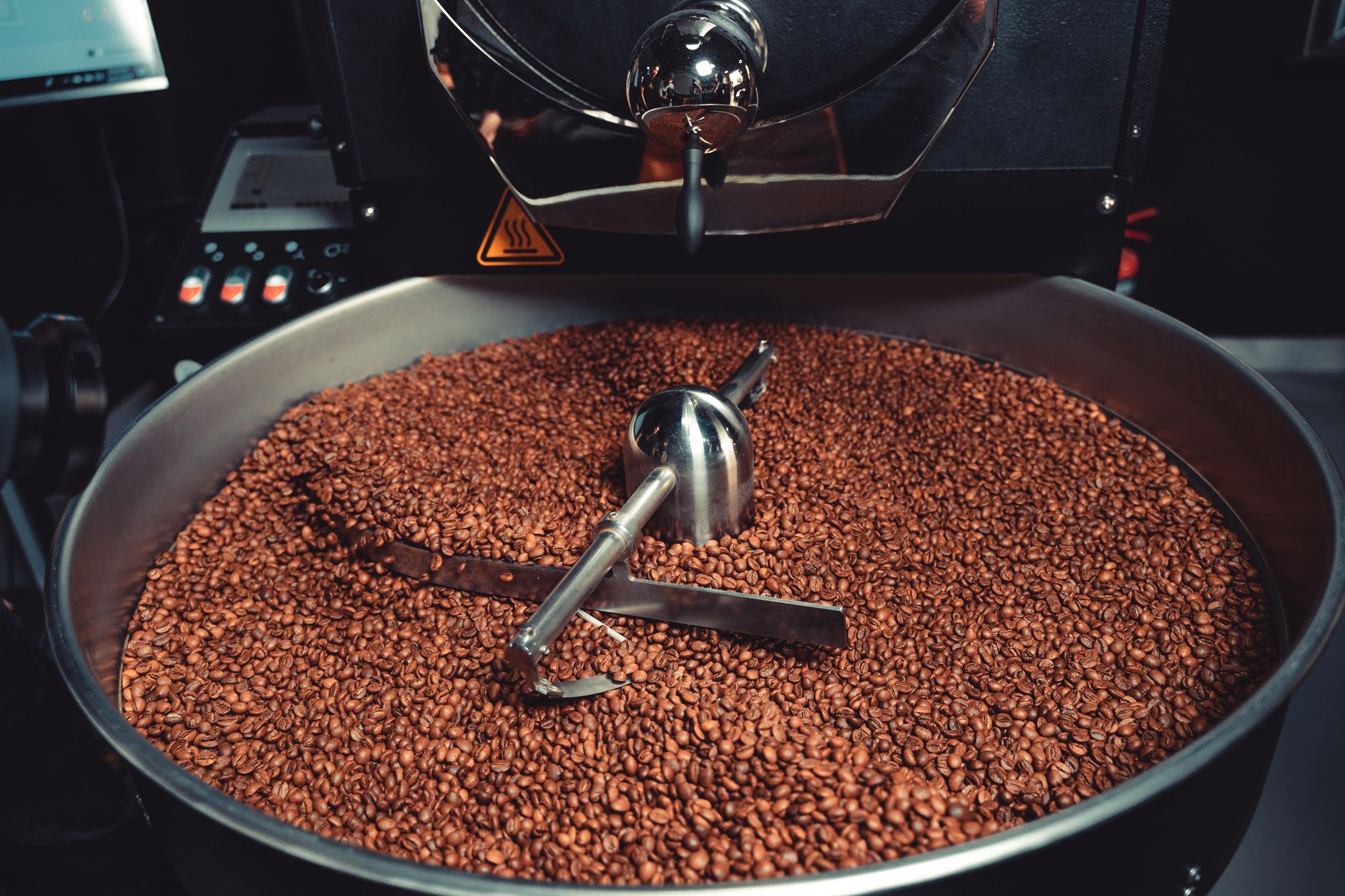
Unlike small-batch artisanal roasters used in specialty cafes, industrial roasters can process 50 to 300 pounds of coffee per hour. This capacity is critical for hotels that serve hundreds of cups daily across restaurants, room service, banquets, and lobby bars. The equipment typically includes a rotating drum, precise temperature controls, and a cooling tray to halt the roasting process at the exact desired moment.
In my experience working with hospitality groups across the Southeast, the shift toward industrial roasting is driven by a single, undeniable factor: freshness. Coffee begins to lose its volatile aromatic compounds within minutes of roasting. By the time most hotel coffee reaches the guest, it is often weeks or months old. An industrial roaster on-site or managed through a program like Busy Bean Coffee’s membership model guarantees that beans are used within days of roasting, not weeks.
For hotels that cannot justify the capital expenditure of purchasing a roaster outright, managed service providers offer a compelling alternative. These providers install the equipment, handle maintenance, and supply green beans—all for a predictable monthly fee. This model is particularly attractive for mid-sized properties and boutique hotels that want the quality of a specialty roaster without the operational complexity.
Why Industrial Coffee Roasters Matter for Hotels
The hospitality industry is in the midst of a coffee revolution. According to a 2024 report by the Specialty Coffee Association, 67% of travelers say that the quality of in-room coffee influences their overall satisfaction with a hotel stay. Furthermore, a study by McKinsey found that hotels investing in premium F&B experiences see a 15–20% increase in guest retention rates.
Here are the primary benefits that make industrial coffee roasters for hotels a strategic investment:
1. Unmatched Freshness and Flavor
Freshly roasted coffee contains a complex matrix of over 800 aromatic compounds. Within 14 days of roasting, those compounds begin to degrade significantly. Hotels using industrial roasters can serve coffee that is 2–5 days off the roast, providing a flavor profile that pre-ground, bagged coffee cannot replicate. This freshness translates directly into higher guest satisfaction scores and positive online reviews.
2. Significant Cost Savings Over Time
While the upfront cost of an industrial roaster can range from $15,000 to $100,000, the long-term savings are substantial. Green coffee beans cost $2–$5 per pound, compared to $8–$15 per pound for pre-roasted specialty coffee. A hotel serving 500 cups per day can save over $40,000 annually by roasting in-house or through a managed program that includes the roaster as part of the service fee.
3. Customizable Roast Profiles
Different hotel outlets require different coffee profiles. The breakfast buffet calls for a bright, medium roast. The fine dining restaurant needs a complex, dark roast. The lobby bar might want a single-origin espresso. Industrial roasters allow hotels to create multiple profiles from the same green bean inventory, offering unprecedented flexibility.
4. Brand Differentiation and Marketing
In a crowded market, unique coffee programs are a powerful differentiator. Hotels can brand their own signature roast, offer coffee tastings as a guest activity, or feature the roaster as a visual centerpiece in the lobby. A 2023 survey by Deloitte found that 41% of luxury travelers are willing to pay a premium for hotels that offer locally sourced or artisanal food and beverage options.
5. Sustainability and Waste Reduction
Industrial roasters allow hotels to buy green beans in bulk, reducing packaging waste. Additionally, the roasting process can be optimized to minimize defects, resulting in less waste than pre-roasted coffee that may have been sitting on a shelf for months. According to the World Coffee Research organization, green coffee storage has a significantly lower carbon footprint than storing roasted coffee.
For more on how roasting integrates into a broader coffee program, see our guide on Managed Coffee Services.
How Industrial Coffee Roasters Work in a Hotel Setting
Integrating an industrial roaster into a hotel operation requires careful planning. Here is how the process typically unfolds, whether the equipment is owned or managed through a service provider:
Step 1: Sourcing Green Beans
The foundation of great coffee is the green bean. Hotels work with importers or managed service partners to source high-quality Arabica beans from regions like Colombia, Ethiopia, or Brazil. The green beans are stored in a cool, dry environment until they are ready to be roasted.
Step 2: Roasting to Profile
Using the industrial roaster, the operator—often a trained barista or a technician from the service provider—applies a specific time-temperature curve to develop the desired flavor. Light roasts are pulled at around 400°F, while dark roasts reach 460°F. The entire batch is then rapidly cooled to lock in the flavor.
Step 3: Degassing and Packaging
Freshly roasted coffee releases carbon dioxide for 12–24 hours. The beans are stored in one-way valve bags to allow degassing while preventing oxygen ingress. Hotels typically roast on a schedule that aligns with their peak service times.
Step 4: Grinding and Brewing
The roasted beans are ground just before brewing using commercial-grade grinders. This step is critical because ground coffee loses its aroma within 15 minutes. Hotels using industrial coffee roasters for hotels ensure that every cup is brewed from freshly ground, freshly roasted beans.
Step 5: Quality Control and Training
Consistency is king in hospitality. Regular cupping sessions—tasting and evaluating the coffee—ensure that the roast profile remains stable. Staff training on proper brewing techniques, water temperature, and equipment maintenance is essential. Busy Bean Coffee’s white-glove service includes ongoing training for hotel staff, ensuring that the investment in the roaster translates into a flawless guest experience.
Industrial Coffee Roasters vs. Traditional Hotel Coffee Programs
To understand the value proposition, it is helpful to compare the traditional hotel coffee model with one that incorporates industrial roasting:
| Feature | Traditional Hotel Coffee | Industrial Roaster Program |
|---|---|---|
| Freshness | Pre-ground, weeks old | Roasted 2–5 days prior |
| Cost per cup | $0.50–$1.00 | $0.20–$0.40 |
| Customization | One-size-fits-all | Multiple roast profiles |
| Branding | Generic supplier label | Proprietary hotel blend |
| Sustainability | High packaging waste | Bulk green beans, less waste |
| Capital required | Low (leased equipment) | Moderate to high (roaster) |
| Operational complexity | Low | Moderate (with managed service) |
For hotels that want the benefits of industrial roasting without the capital outlay, a managed membership model like the one offered by Busy Bean Coffee is the ideal solution. You get the equipment, installation, maintenance, and training—all for one predictable monthly fee.
See our comparison with traditional providers in Commercial Coffee Roasting Equipment Options.
Best Practices for Implementing Industrial Coffee Roasters in Hotels
💡
Key Takeaway
The success of an in-house roasting program depends on staff training, consistent sourcing, and a clear quality control protocol.
Based on my work with hotels transitioning to specialty coffee programs, here are the best practices that separate successful implementations from costly failures:
1. Start with a Pilot Program
Before committing to a full-scale industrial roaster, run a pilot program using a managed service. This allows you to test demand, refine your roast profile, and train staff without a large capital investment. Busy Bean Coffee’s membership model is perfect for this phase.
2. Invest in Staff Training
A roaster is only as good as the person operating it. Ensure that at least two staff members are trained on the equipment to avoid service interruptions. Include training on cupping, grind adjustment, and equipment maintenance.
3. Create a Signature Blend
Work with your roaster or service provider to develop a unique blend that reflects your hotel’s brand. This blend can be used across all outlets and offered for retail sale in the lobby shop.
4. Integrate with Your F&B Strategy
Coordinate with your executive chef and F&B director to pair specific roasts with menu items. A light roast may complement a seafood dish, while a dark roast pairs well with chocolate desserts.
5. Monitor and Adjust
Use guest feedback and sales data to refine your program. If the breakfast buffet coffee is getting rave reviews but the in-room pods are being ignored, consider expanding the roast-to-order program to room service.
For more tips, see Best Industrial Coffee Roasters for Restaurants.
Frequently Asked Questions
What size industrial coffee roaster does a hotel need?
The size depends on daily volume. A 200-room hotel serving 400–600 cups per day should consider a roaster with a capacity of 30–60 pounds per hour. Larger properties with multiple outlets and banquet facilities may need a 120-pound-per-hour machine. A managed service provider like Busy Bean Coffee can help you assess your needs and recommend the right equipment without requiring a large upfront purchase.
How much does an industrial coffee roaster cost for a hotel?
Prices range from $15,000 for a 15-pound-capacity machine to over $100,000 for a 120-pound industrial model. However, the total cost of ownership includes installation, ventilation, green bean storage, and ongoing maintenance. Many hotels find that a managed membership—where the roaster is included in a monthly fee—is more cost-effective and predictable than buying the equipment outright.
Can a hotel roast its own coffee without a dedicated roaster?
Yes, but the options are limited. Small-batch countertop roasters can handle 1–2 pounds per batch, which is insufficient for a hotel’s volume. The only practical way to achieve the freshness and customization of in-house roasting at scale is with an industrial roaster or through a managed service that provides one as part of the program.
What are the maintenance requirements for an industrial coffee roaster?
Industrial roasters require daily cleaning of the drum and cooling tray, weekly inspection of burners and thermocouples, and annual professional servicing. Proper ventilation is critical to remove chaff and smoke. Busy Bean Coffee’s managed membership includes all maintenance and support, so hotel staff can focus on guest service rather than equipment upkeep.
How does in-house roasting impact a hotel’s sustainability goals?
Significantly. Buying green beans in bulk reduces packaging waste by up to 80% compared to pre-roasted coffee. Additionally, roasting on-demand minimizes spoilage and waste. Many hotels use the spent chaff as compost for landscaping. According to the Sustainable Coffee Challenge, shifting to green bean sourcing can reduce a hotel’s coffee-related carbon footprint by 30–40%.
Conclusion
The evidence is clear: industrial coffee roasters for hotels are not a luxury—they are a strategic investment in guest satisfaction, operational efficiency, and brand differentiation. From the unparalleled freshness of beans roasted days—not weeks—ago, to the significant cost savings over commodity coffee, the benefits are substantial. Hotels that make this shift are seeing higher guest retention, stronger online reviews, and new revenue streams from branded retail coffee.
Whether you choose to purchase a roaster outright or leverage a managed membership model, the path to a superior coffee program starts with understanding your volume, your brand, and your guest expectations. Busy Bean Coffee specializes in helping hotels of all sizes implement and manage industrial roasting programs without the capital risk. Our all-inclusive membership covers the equipment, installation, maintenance, training, and premium green bean sourcing—all for one predictable monthly fee.
Ready to transform your hotel’s coffee program? Contact Busy Bean Coffee today to schedule a consultation and learn how our managed roasting solutions can elevate your guest experience and your bottom line.
Recommended Readings
To deepen your understanding of these topics, we recommend reading the following articles:
About the Author
the author is the CEO and Founder of Busy Bean Coffee, a specialty coffee equipment provider serving the foodservice industry since 2014. With over a decade of experience helping hotels, restaurants, and offices implement premium coffee programs, he has a deep understanding of how industrial roasting technology can transform the guest experience.
Free Coffee Pairing Guide & Specialty Roast Cheat Sheet
Unlock the secrets of perfect brewing ratios, water temperatures, and specialty roast profiles. Download the guide.