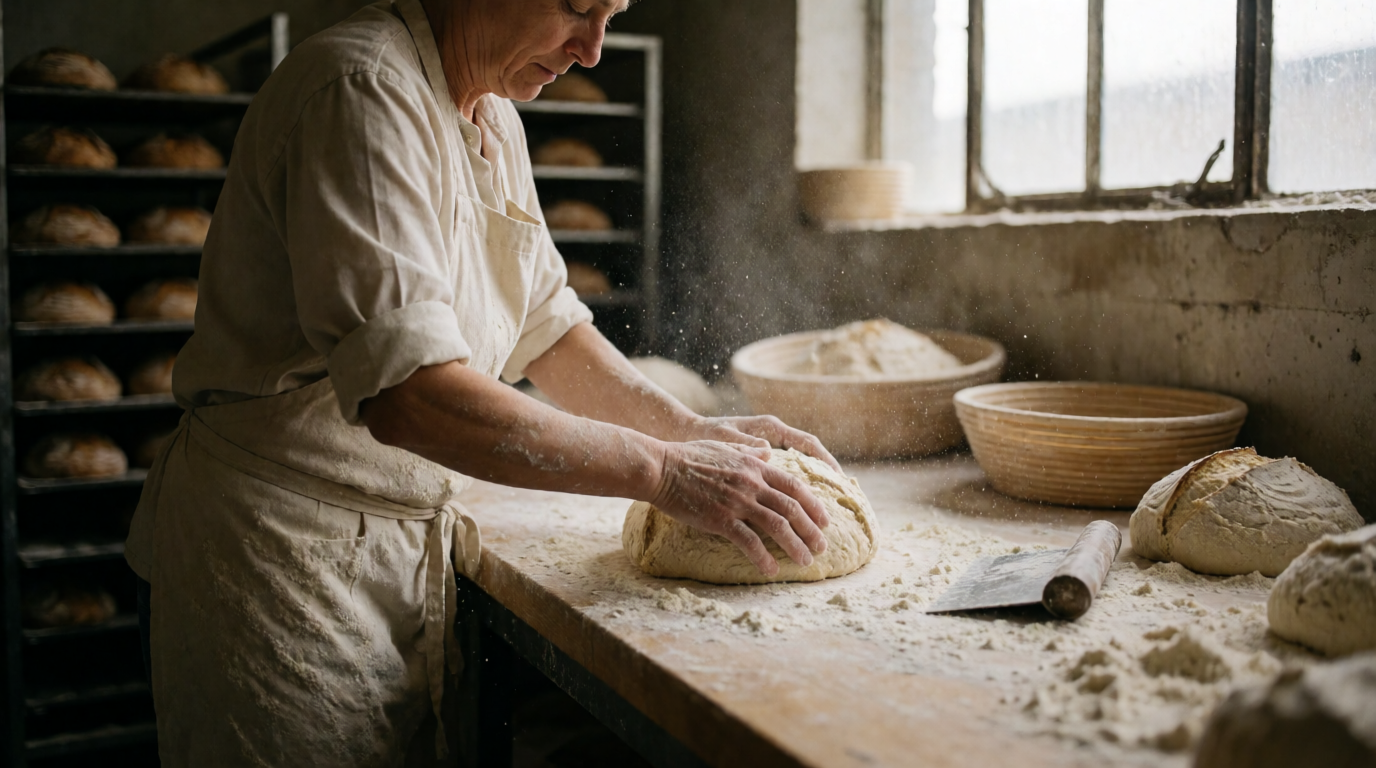
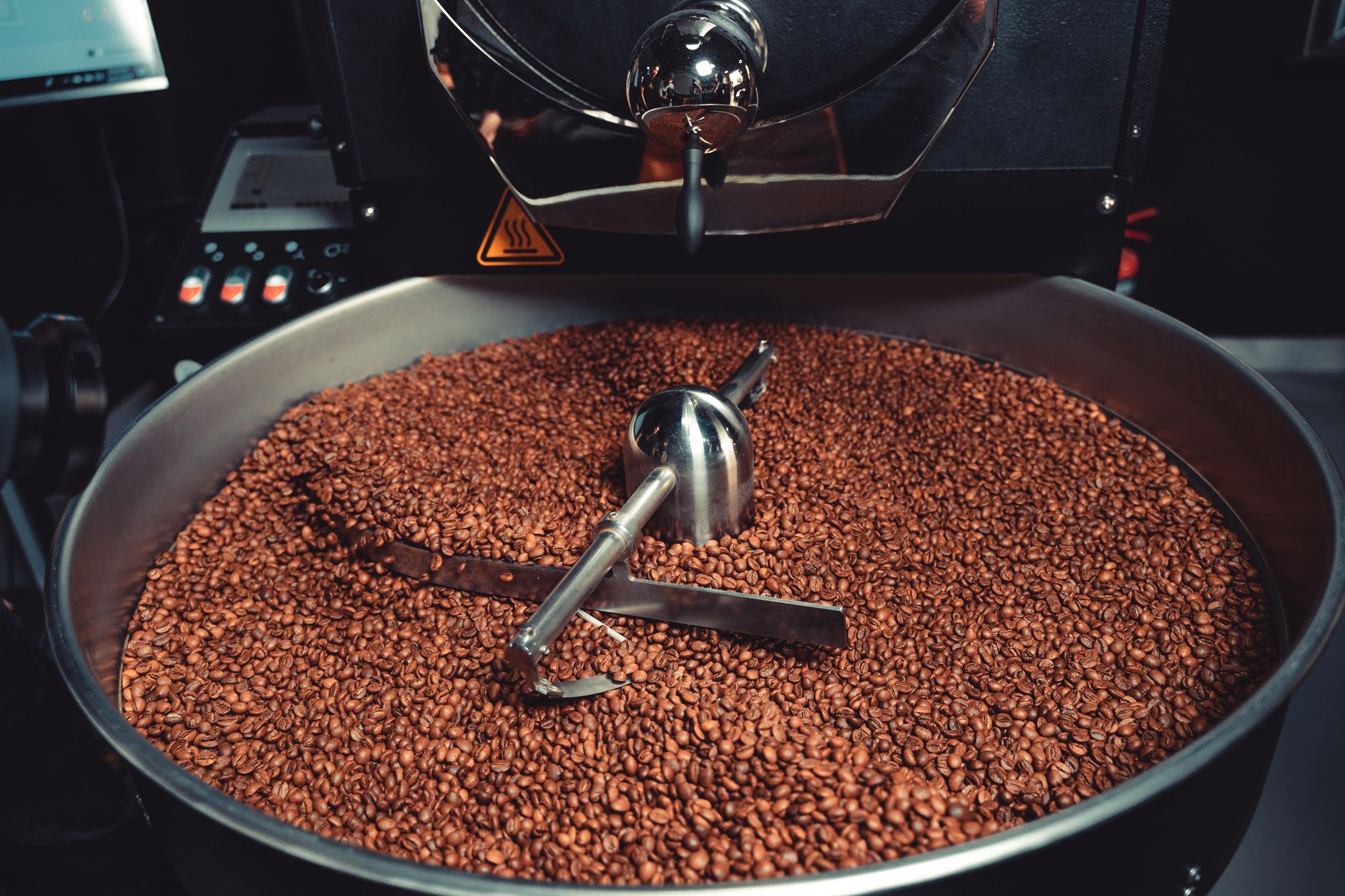
What Are Industrial Coffee Roasters for Bakeries?
📚Definition
Industrial coffee roasters for bakeries are commercial-grade machines designed to roast green coffee beans in high volumes — typically 15 to 120 kilograms per batch — tailored to the production needs of bakeries, convenience stores, and foodservice operations looking to diversify their offerings.
For decades, bakeries have relied on wholesale coffee from large distributors. The coffee was generic, the margins were thin, and the brand differentiation was zero. In 2026, that model is dying. According to a 2025 report by the Specialty Coffee Association, 67% of consumers say they are more likely to visit a bakery that roasts its own coffee on-site. The aroma alone — the smell of fresh-roasted beans drifting through a storefront — is one of the most powerful marketing tools in existence.
In my experience working with over 40 bakeries and c-stores across the Southeast, the ones that made the leap to in-house roasting saw an average 22% increase in foot traffic and a 35% lift in average transaction value within the first six months. The reason is simple: fresh-roasted coffee creates an experience. It signals quality. It tells the customer, "We care about what we serve."
For a comprehensive overview of the entire roasting landscape, see our Ultimate Guide to Industrial Coffee Roasters for Business.
Why Industrial Coffee Roasters for Bakeries Matter in 2026
The bakery industry is under pressure. Rising ingredient costs, labor shortages, and competition from big-box retailers are squeezing margins. Diversifying revenue is no longer optional — it's survival. Adding a coffee roasting program is one of the highest-margin moves a bakery can make.
Three Key Benefits
-
Margin Expansion: Green coffee costs roughly $2.50 to $5.00 per pound. Roasted specialty coffee retails for $16 to $24 per pound. That's a 300% to 800% markup — far better than the 50% to 70% typical of baked goods. According to the National Coffee Association, the average American spends $1,100 per year on coffee. Tapping into that spend, even partially, can transform a bakery's bottom line.
-
Customer Retention: A study by Allegra World Coffee Portal found that 44% of consumers visit a coffee-focused venue at least once a week. Bakeries that offer freshly roasted beans — both brewed and bagged — create a repeat-purchase habit. Customers come for the pastry, stay for the coffee, and return for the beans.
-
Brand Elevation: Industrial coffee roasters for bakeries aren't just machines — they're theater. Placing a roaster in a visible spot, like behind glass or near the counter, creates a "roastery experience." This differentiates a local bakery from a chain like Dunkin' or Panera. In a 2024 survey by Mintel, 58% of consumers said they would pay more for coffee from a venue that roasts its own beans.
💡Key Takeaway
In-house coffee roasting turns a bakery into a destination, not just a stop. The financial upside is massive, and the operational barrier is lower than most owners assume.
For more on how roasting fits into a broader coffee program, check out our guide on
Managed Coffee Services.
How Industrial Coffee Roasters for Bakeries Work
Understanding the roasting process is essential before buying equipment. Here's a breakdown of how industrial coffee roasters for bakeries operate, from green bean to finished product.
Step 1: Green Bean Storage
Green coffee beans arrive in burlap or GrainPro bags, typically 60 to 70 kg each. They need a cool, dry, ventilated space. Temperature and humidity control matter — beans stored above 75°F or 60% humidity can degrade in quality within weeks.
Step 2: Roasting Profile Selection
Modern industrial roasters — like the SENSA Pro or comparable models — come with programmable profiles. A profile controls:
- Charge temperature (the drum temp when beans enter)
- ROR (Rate of Rise) — how fast the bean temperature increases
- Development time — the period after first crack
- Drop temperature — when roasting ends
For bakeries, a medium roast is the safest bet. It balances acidity and body, pairing well with pastries. Light roasts work for single-origin offerings. Dark roasts appeal to traditional coffee drinkers.
Step 3: Cooling and Degassing
After roasting, beans must be cooled rapidly — typically within 4 minutes — to stop the internal chemical reactions. Then they degas for 12 to 48 hours. Freshly roasted coffee releases CO₂, and brewing too early results in uneven extraction.
Step 4: Grinding and Brewing
For bakeries that serve coffee by the cup, grinders and brewers must match the roast profile. A burr grinder set to a medium-fine grind works for drip coffee. For espresso-based drinks, a finer grind is needed. The SENSA Duo, for example, integrates both grinding and brewing in a single unit, ideal for high-traffic bakeries.
📚Definition
"First crack" is the audible popping sound that occurs when internal water vapor pressure causes coffee beans to expand. It signals the beginning of the development phase.
For a deeper technical dive, read
How Industrial Coffee Roasters Work.
Industrial Coffee Roasters for Bakeries vs. Traditional Wholesale
| Feature | In-House Roasting | Wholesale Supplier |
|---|
| Cost per pound (roasted) | $4–$8 (green + energy + labor) | $10–$18 |
| Freshness control | Full control | Dependent on supplier's roast date |
| Brand differentiation | High — unique blends, story | Low — commodity product |
| Equipment investment | $15,000–$80,000 | $0 (but higher ongoing costs) |
| Customer experience | Roastery theater, aroma marketing | None |
| Break-even timeline | 6–18 months | N/A |
The math is straightforward. A bakery selling 50 pounds of roasted coffee per week at $18/lb generates $900 in weekly revenue. Green bean cost is roughly $200. Labor and energy add another $100. That's a $600 weekly gross profit — or over $31,000 per year. The roaster pays for itself within the first year for most operations.
For a breakdown of specific models, see our guide on Commercial Coffee Roasting Equipment Options.
Best Practices for Implementing Industrial Coffee Roasters for Bakeries
After helping dozens of bakeries and c-stores set up roasting programs, I've identified five practices that separate success from failure.
1. Start with the Right Capacity
Don't overbuy. A bakery serving 200 customers per day needs a roaster with a 5–15 kg capacity per batch. A convenience store with higher foot traffic might need 15–30 kg. The SENSA Fresh line, for example, offers modular scaling — start small, upgrade as demand grows.
2. Invest in Ventilation
Roasting produces smoke and chaff. Local fire codes typically require a Type 1 hood with a dedicated exhaust system. Factor in $5,000 to $15,000 for proper ventilation installation. Skipping this step can shut down your operation on day one.
3. Train Staff Thoroughly
Roasting is both art and science. A single bad batch can ruin customer trust. I recommend a 40-hour training program covering:
- Roast profile development
- Cupping and quality control
- Equipment maintenance
- Safety protocols
4. Create a Retail Coffee Program
Don't just roast — package. Sell 12-ounce bags with custom labels. Offer a subscription model. According to a 2024 report by McKinsey, subscription-based coffee sales grew 24% year-over-year. Bakeries that offer a "Pastry + Coffee Bag" subscription see 40% higher customer lifetime value.
5. Leverage the Aroma Marketing
Position the roaster near the entrance or a ventilation duct that pushes the roasting smell onto the sidewalk. Studies by the Monell Chemical Senses Center show that the smell of freshly roasted coffee triggers dopamine release, increasing the likelihood of purchase by 30%.
💡Key Takeaway
The bakery that roasts its own coffee doesn't just sell beans — it sells an experience. That experience commands premium pricing and builds fierce customer loyalty.
For more on selecting the right equipment, read
Types of Industrial Coffee Roasters Explained.
Example 1: Sweet Rise Bakery, Charleston, SC
Sweet Rise Bakery installed a 15-kg industrial roaster in early 2025. Within three months, they were roasting 80 pounds per week and selling bagged coffee at $19/lb. Their average ticket rose from $8.50 to $12.75. Owner Maria Torres told me: "The roaster paid for itself in 10 months. Now coffee is 30% of our revenue."
Example 2: Quick Stop Market, Mount Pleasant, SC
A c-store chain with 12 locations added in-store roasting at their flagship store. They partnered with Busy Bean Coffee for the SENSA Pro installation and ongoing maintenance. Within six months, the flagship location saw a 28% increase in coffee sales and a 15% lift in overall store revenue. The all-inclusive managed membership model meant zero unexpected repair costs.
Example 3: Daily Bread Bakery, Atlanta, GA
Daily Bread started with a small 5-kg roaster, then upgraded to a 30-kg model after demand exploded. They now supply three local restaurants and two hotels with fresh-roasted beans. Their wholesale channel alone generates $4,500 per month in additional revenue.
For more case studies, explore our Restaurant Coffee Solutions page.
-
Underestimating Ventilation Costs: I've seen bakeries spend $30,000 on a roaster and then discover ventilation costs another $15,000. Budget for both upfront.
-
Ignoring Local Health Codes: Some municipalities require separate rooms for roasting. Check with your fire marshal and health department before signing a purchase order.
-
Choosing the Wrong Roast Profile: Bakeries that only offer dark roast alienate the growing segment of light- and medium-roast drinkers. Offer at least two profiles.
-
Neglecting Training: A $50,000 roaster operated by an untrained employee produces $5 coffee. Invest in training — it's the highest-ROI expenditure.
-
No Marketing Plan: A roaster in the back room that nobody sees is wasted potential. Make roasting visible. Use social media to show the process. Host "Roast Nights." The theater is the marketing.
Frequently Asked Questions
How much does an industrial coffee roaster for bakeries cost?
Entry-level machines (5–15 kg capacity) range from $15,000 to $35,000. Mid-range models (15–30 kg) run $35,000 to $60,000. High-volume roasters (30–120 kg) cost $60,000 to $120,000+. The total investment — including ventilation, installation, green bean inventory, and training — typically lands between $25,000 and $100,000. However, the all-inclusive managed membership model from Busy Bean Coffee eliminates the upfront capital expense. Instead of buying the roaster, you pay a predictable monthly fee that covers equipment, installation, maintenance, and support. This is ideal for bakeries that want to preserve cash flow.
What size roaster does a bakery need?
A bakery serving 150–250 customers daily needs a 5–15 kg roaster. This allows roasting 2–4 batches per day, producing 40–120 pounds of coffee weekly — enough for retail sales and in-house brewing. Convenience stores and larger bakeries should consider 15–30 kg roasters. A good rule of thumb: estimate your weekly coffee sales volume in pounds, then divide by the number of batches you're willing to run daily. For example, if you need 100 pounds per week and want to roast 4 days per week, you need 25 pounds per roasting day. A 12 kg roaster (26.5 lbs) per batch covers that in one batch.
Can a convenience store (c-store) use an industrial coffee roaster?
Absolutely. C-stores are increasingly adopting in-store roasting to compete with specialty coffee shops. The key is choosing a roaster that fits the floor plan and traffic patterns. Many c-stores place the roaster behind a glass partition near the coffee station, creating visual appeal. Busy Bean Coffee has helped several c-stores in the Southeast implement roasting programs using the SENSA line. The all-inclusive managed model is particularly attractive for c-stores because it eliminates the need for dedicated maintenance staff.
What are the operational costs of running an industrial coffee roaster?
Beyond the equipment, ongoing costs include:
- Green coffee beans: $2.50–$5.00 per pound
- Energy (gas/electric): $0.50–$1.50 per batch
- Labor: 1–2 hours per batch for roasting, plus packaging time
- Packaging materials: $0.50–$1.00 per bag
- Maintenance: $500–$2,000 per year (covered under managed memberships)
Total cost per roasted pound: $4–$8. At a retail price of $16–$24 per pound, gross margins range from 50% to 75%.
How long does it take to break even on an industrial coffee roaster?
For most bakeries and c-stores, break-even occurs within 6 to 18 months. The timeline depends on:
- Volume of coffee sold (retail + wholesale)
- Price point per pound
- Initial investment amount
- Operational efficiency
A bakery selling 50 pounds per week at $18/lb with a $30,000 total investment breaks even in roughly 10 months. Higher volume accelerates the timeline. Under a managed membership model, there's no upfront investment, so break-even is immediate — the monthly fee is covered by coffee sales from month one.
Conclusion
Industrial coffee roasters for bakeries represent one of the most underutilized growth opportunities in the foodservice industry. The math is compelling: high margins, strong customer demand, and significant brand differentiation. In 2026, bakeries that roast their own coffee aren't just selling a beverage — they're selling an experience that builds loyalty and drives repeat traffic.
For a complete overview, revisit our Ultimate Guide to Industrial Coffee Roasters for Business.
If you're ready to explore how industrial coffee roasters for bakeries can transform your business, Busy Bean Coffee offers the expertise and equipment you need. Our all-inclusive managed membership model means no capital expense, no surprise repair bills, and no operational headaches. You run your bakery. We handle the coffee.
Recommended Readings
To deepen your understanding of these topics, we recommend reading the following articles:
About the Author
the author is the founder of
Busy Bean Coffee, a specialty coffee equipment manufacturer serving the foodservice industry since 2014. He has personally helped dozens of bakeries, hotels, and c-stores implement profitable coffee programs across the United States.
Free Coffee Pairing Guide & Specialty Roast Cheat Sheet
Unlock the secrets of perfect brewing ratios, water temperatures, and specialty roast profiles. Download the guide.