
📖This article is part of the complete guide to Ultimate Guide to Industrial Coffee Roasters for Business.
What Are Industrial Coffee Roaster Prices in 2026?
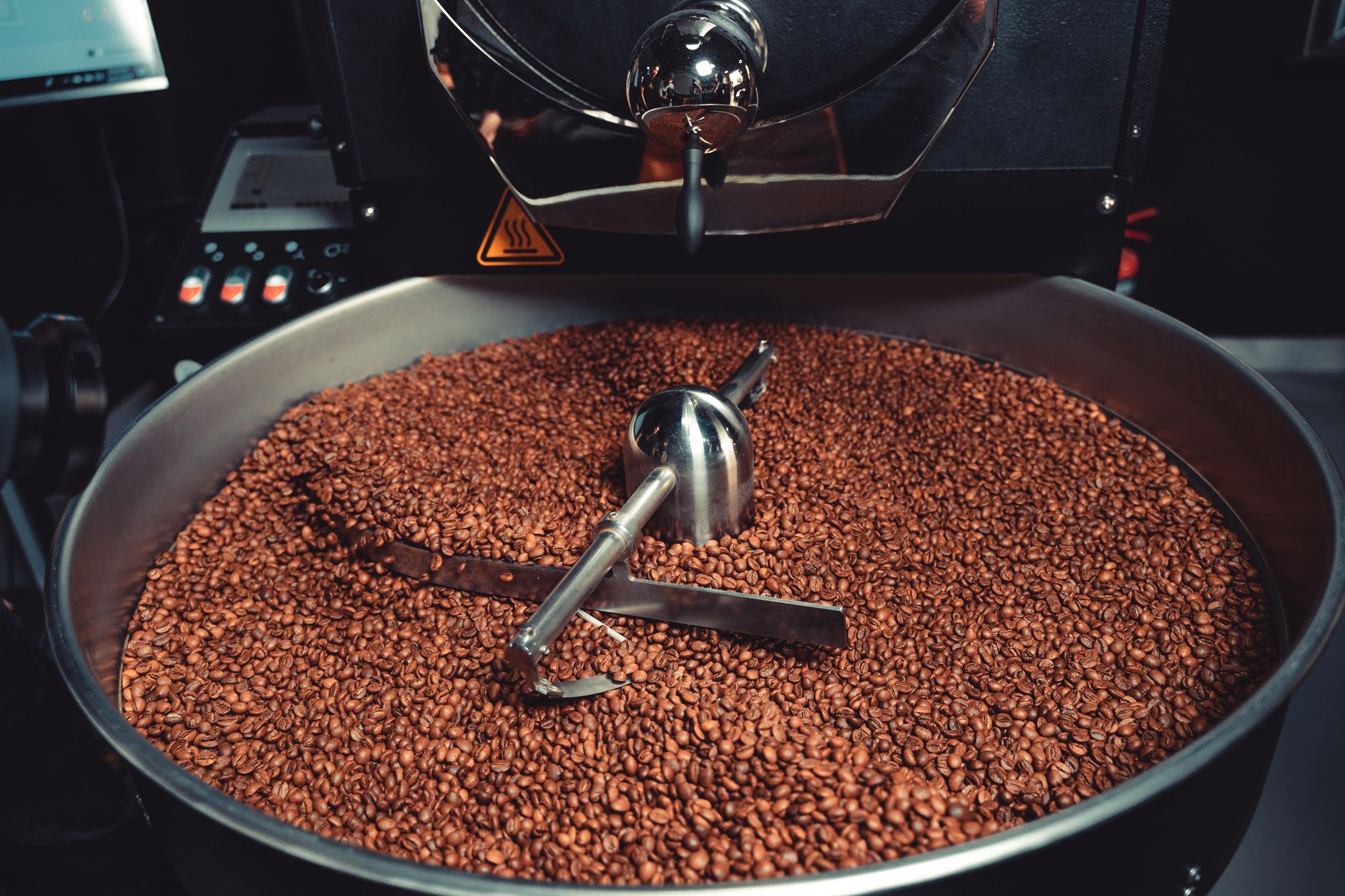
When we talk about industrial coffee roaster prices in 2026, we're referring to the total financial commitment required to purchase, install, and operate a commercial-grade roasting machine capable of producing 5kg (11 lbs) to 60kg (132 lbs) or more per batch. This isn't just an equipment cost—it's a capital expenditure that impacts your balance sheet, operational workflow, and long-term profitability.
📚
Definition
Industrial Coffee Roaster Prices encompass the upfront capital expenditure for the machine itself, plus all associated costs for installation, ventilation, permitting, training, maintenance, and the labor required for operation and quality control.
In 2026, the market is segmented. Entry-level "semi-industrial" roasters (5-15kg capacity) start around $25,000 to $50,000. True mid-capacity industrial workhorses (15-30kg), which are common for small chains or high-volume single locations, range from $50,000 to $120,000. Large-capacity production roasters (30kg+), used by regional roasteries or large hospitality groups, can command $120,000 to $300,000+. According to industry data compiled by the Specialty Coffee Association, the average price for a new 25kg roaster in 2026 is approximately $85,000, not including ancillary systems.
Breaking Down the Cost Components
Understanding industrial coffee roaster prices means dissecting the quote. A $75,000 machine can easily become a $150,000 project.
1. The Machine Itself (Capital Cost)
This is the base price for the roaster drum, burner, control system, and cooling tray. Factors affecting price include:
- Capacity: Price increases nearly exponentially with batch size.
- Automation Level: Basic manual controls vs. fully programmable, recipe-driven systems with data logging.
- Heat Source: Natural gas, propane, or electric. Gas is most common for industrial units but requires specific utility hookups.
- Brand & Origin: European-engineered roasters (e.g., Probat, Loring) command a premium over quality Asian-manufactured options.
2. Ancillary & Support Equipment
No roaster operates in a vacuum. Essential add-ons include:
- Afterburner or Catalytic Converter: For emissions control and meeting air quality regulations. Cost: $15,000 - $40,000.
- Ventilation Ducting & Hood: Custom fabrication and installation. Cost: $5,000 - $20,000.
- Chaff Collection System: Cyclone or barrel system. Cost: $2,000 - $8,000.
- Green Coffee Storage & Handling: Bins, conveyors, loaders. Cost: $3,000 - $15,000.
- Electrical & Gas Upgrades: Many facilities require panel upgrades or new gas lines. Cost: $5,000 - $25,000+.
3. "Soft Costs" & Installation
These are the silent budget killers:
- Freight & Rigging: Moving a 2,000-lb machine. Cost: $2,000 - $10,000.
- Professional Installation & Calibration: Requires specialized technicians. Cost: $5,000 - $15,000.
- Building Permits & Inspections: For gas, electrical, and ventilation. Cost: $1,000 - $5,000.
- Staff Training: Sending your team to roaster school or hosting an on-site trainer. Cost: $3,000 - $10,000.
The Hidden Costs of Ownership (Beyond the Price Tag)
The purchase is a one-time event. The ownership is a perpetual cost center. This is where most businesses using traditional commercial coffee roasting equipment miscalculate.
- Preventive Maintenance & Repairs: Industrial roasters need quarterly servicing. Annual service contracts run $3,000 - $8,000. A major repair (like a burner or drum motor replacement) can cost $5,000 - $20,000.
- Dedicated Labor: You need a trained, salaried roaster. At a conservative $45,000/year salary + benefits, that's $250,000+ over five years.
- Downtime Cost: If your roaster is down for a week, what's the cost of lost sales, spoiled green coffee, and broken supply chains?
- Green Coffee Capital: You must tie up significant capital in inventory—purchasing 5,000+ lbs of green coffee at a time to get viable pricing.
- Energy Consumption: Industrial roasters are gas and electricity hogs. Monthly utility increases can be substantial.
Industrial Roaster Pricing vs. The Managed Service Model
This is the critical pivot in the 2026 conversation about industrial coffee roaster prices. For most foodservice businesses—hotels, restaurant groups, corporate campuses—owning a roaster is a distraction, not a core competency.
At Busy Bean Coffee, we built our managed membership model precisely because we saw clients struggle with these massive, unpredictable costs. Instead of a $150,000 capital outlay, you get a turnkey, premium coffee program with a predictable monthly fee.
| Cost Factor | Traditional Roaster Purchase | Busy Bean Managed Membership |
|---|---|---|
| Upfront Capital | $50,000 - $300,000+ | $0 (No Capex) |
| Installation/Ventilation | $10,000 - $80,000 | Included |
| Maintenance & Repairs | $3,000 - $20,000/yr | 100% Covered |
| Dedicated Roaster Labor | $45,000+/yr salary | Included (Our Experts) |
| Green Coffee Inventory | Tied-up capital | Included in fee |
| Contract | Equipment loan (5-7 yrs) | Flexible, no long-term lock-in |
| Primary Risk | You bear all cost & operational risk | We assume the risk & management |
💡
Key Takeaway
The managed service model converts a large, risky capital expenditure and complex operational burden into a predictable, all-inclusive operating expense with zero upfront cost.
Is Buying a Roaster Ever the Right Choice?
For some businesses, yes. Purchasing an industrial roaster makes strategic sense if:
- Roasting IS Your Core Business: You are a wholesale roastery or a brand built entirely on proprietary roast profiles.
- You Have Massive, Consistent Volume: You operate at a scale where the per-pound cost of roasting in-house creates a decisive competitive advantage.
- You Have In-House Expertise: You have, or are willing to hire, a master roaster and a maintenance technician.
- Capital is Not a Constraint: You have the cash reserves to absorb the upfront cost and potential unexpected expenses.
For the vast majority of hotels, multi-unit restaurants, and offices, however, the expertise, risk, and capital are better deployed elsewhere. This is why we see such strong adoption of our managed coffee service model—it allows businesses to offer exceptional, freshly roasted coffee without becoming a coffee manufacturing company.
How to Evaluate Your Total Cost of Ownership (TCO)
Before you get a quote, do this math:
1. Calculate 5-Year TCO for Ownership:
- Machine + Ancillaries: $______
- Installation & Permits: $______
- Annual Maintenance (x5): $______
- Roaster Salary + Benefits (x5): $______
- Estimated Repairs/Downtime: $______
- Total 5-Year Cost: $______
2. Calculate Cost per Pound:
- Divide Total 5-Year Cost by total pounds you expect to roast.
- Add cost of green coffee (~$3-$6/lb for quality specialty beans).
- This is your true production cost.
3. Compare to a Managed Service:
- Get a quote for a premium, all-inclusive service like Busy Bean.
- Your cost is simply the monthly fee. No hidden math.
In my analysis for clients, the TCO for owning often exceeds the cost of a premium managed service, without delivering any quality, consistency, or operational advantage. The managed service often wins on both cost and quality.
Financing Options for Industrial Roasters (If You Purchase)
If, after analysis, ownership is your path, understand the financing landscape in 2026:
- Equipment Loans: Traditional bank loans, typically 20-30% down, 5-7 year terms.
- Equipment Leasing: Often offered by the roaster manufacturer. You "rent-to-own," but interest rates can be high.
- SBA 7(a) Loans: For qualifying small businesses, offering favorable terms.
- Vendor Financing: Some dealers offer in-house financing.
Warning: Financing adds interest expense to an already large number. A $100,000 roaster on a 7-year loan at 8% APR means you'll pay over $130,000.
Frequently Asked Questions
What is the cheapest industrial coffee roaster I can buy?
The absolute lowest entry point for a new, small-capacity (5kg) industrial-grade roaster is around $25,000. However, this price rarely includes essential ancillaries like ventilation, installation, or training. Be extremely wary of used roasters marketed for under $15,000; they often come with unknown maintenance histories, obsolete control systems, and can require $10,000+ in immediate refurbishment. For businesses seeking quality without the capital outlay, a managed service subscription from a provider like Busy Bean Coffee provides industrial-grade roasted coffee for a predictable monthly fee with zero equipment cost.
How much does it cost to install an industrial roaster?
Installation is a major cost component, typically ranging from $10,000 to $80,000+ on top of the machine price. This covers professional rigging to move the heavy equipment, connecting high-pressure gas lines and 3-phase electrical power, fabricating and installing custom ventilation ductwork and hoods, and integrating an emissions control afterburner (often required by local code). You must also budget for permits, inspections, and potential building modifications. This complex process is a key reason our all-inclusive coffee service is appealing—we handle the entire installation with our white-glove technicians at no upfront cost to the client.
Are there ongoing costs after buying the roaster?
Yes, significant and ongoing. Annual preventive maintenance contracts cost $3,000-$8,000. Utilities (gas/electric) will increase substantially. You must budget for replacement parts (thermocouples, motors, bearings). The largest recurring cost is labor: a skilled roaster's salary, benefits, and ongoing training. You also carry the cost (and risk) of holding inventory in green coffee beans, which ties up capital. Finally, factor in the cost of downtime and lost production during repairs or maintenance.
Is it better to buy or lease a commercial coffee roaster?
Leasing can reduce upfront capital outlay but often results in a higher total cost due to interest and fees. It also typically locks you into a long-term contract (5-7 years) for technology that may become outdated. The more strategic question for most foodservice businesses is not "buy vs. lease," but "own vs. subscribe." A managed service model, like the one we offer at Busy Bean Coffee, provides the output (freshly roasted, premium coffee) without any of the equipment ownership, maintenance, or staffing headaches, converting a capital problem into a simple operating expense.
What is the ROI on an industrial coffee roaster?
Calculating ROI is complex. You must weigh the total cost of ownership (machine, install, maintenance, labor, green coffee, utilities) against your increased revenue from selling roasted coffee and your cost savings from not buying roasted coffee wholesale. For a roastery, the ROI can be positive. For a hotel or restaurant, it's often negative or break-even at best when you consider the management distraction and opportunity cost. Many of our clients, such as law firms and medical offices, find the ROI on our service is clear: they save 20-40% versus high-end retail coffee programs while offering a superior product with zero operational burden.
Final Thoughts on Industrial Coffee Roaster Prices in 2026
Navigating industrial coffee roaster prices in 2026 requires looking beyond the equipment brochure. The true cost is a multi-year commitment of capital, labor, and management focus. For businesses whose primary mission is hospitality, dining, or corporate services, owning a roaster is often a costly detour.
The evolution in the market is toward access over ownership. Why tie up $150,000 and hire a specialist when you can partner with experts who guarantee quality, consistency, and reliability for a single monthly fee? This is the future of commercial coffee: exceptional product without the manufacturing complexity.
At Busy Bean Coffee, we've built our entire company around this premise. Our managed membership delivers the benefits of an in-house roasting program—freshness, customization, brand alignment—without the staggering upfront costs and operational burdens detailed in this guide. We provide the premium SENSA equipment, the installation, the maintenance, the support, and the freshly roasted coffee, all for one predictable investment.
If you're evaluating industrial coffee roaster prices for your hotel, restaurant group, or corporate campus, contact Busy Bean Coffee for a custom analysis. Let us show you how a managed service can deliver superior coffee and a stronger bottom line.
Recommended Readings
To deepen your understanding of these topics, we recommend reading the following articles:
About the Author
Chris is the CEO & Founder of Busy Bean Coffee. With over a decade in specialty coffee equipment and service, he has helped hundreds of businesses from boutique hotels to national restaurant chains implement profitable, hassle-free coffee programs without the massive capital expenditure of in-house roasting.
Free Coffee Pairing Guide & Specialty Roast Cheat Sheet
Unlock the secrets of perfect brewing ratios, water temperatures, and specialty roast profiles. Download the guide.