

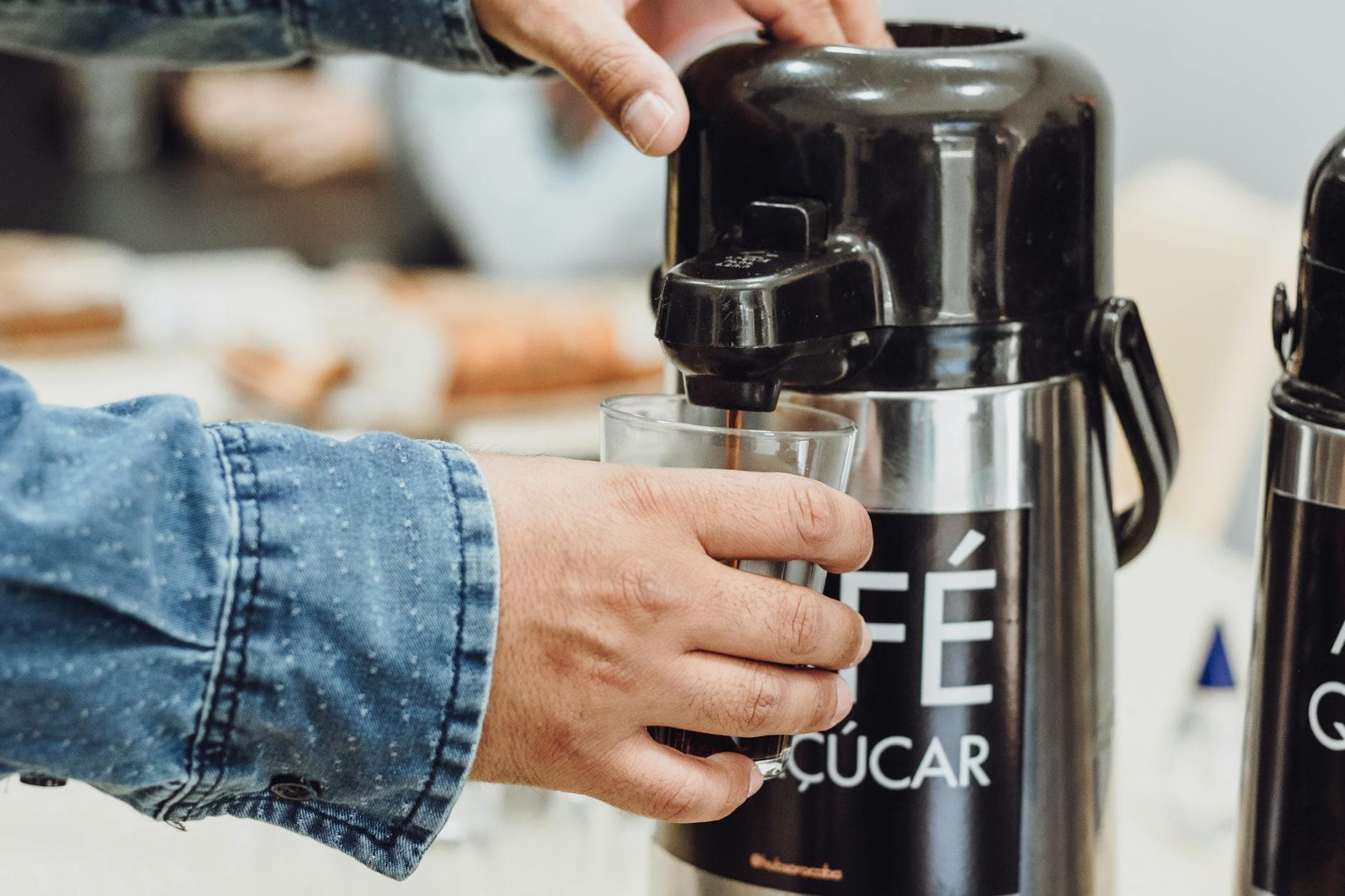
What Is Managed Coffee Service for Business?
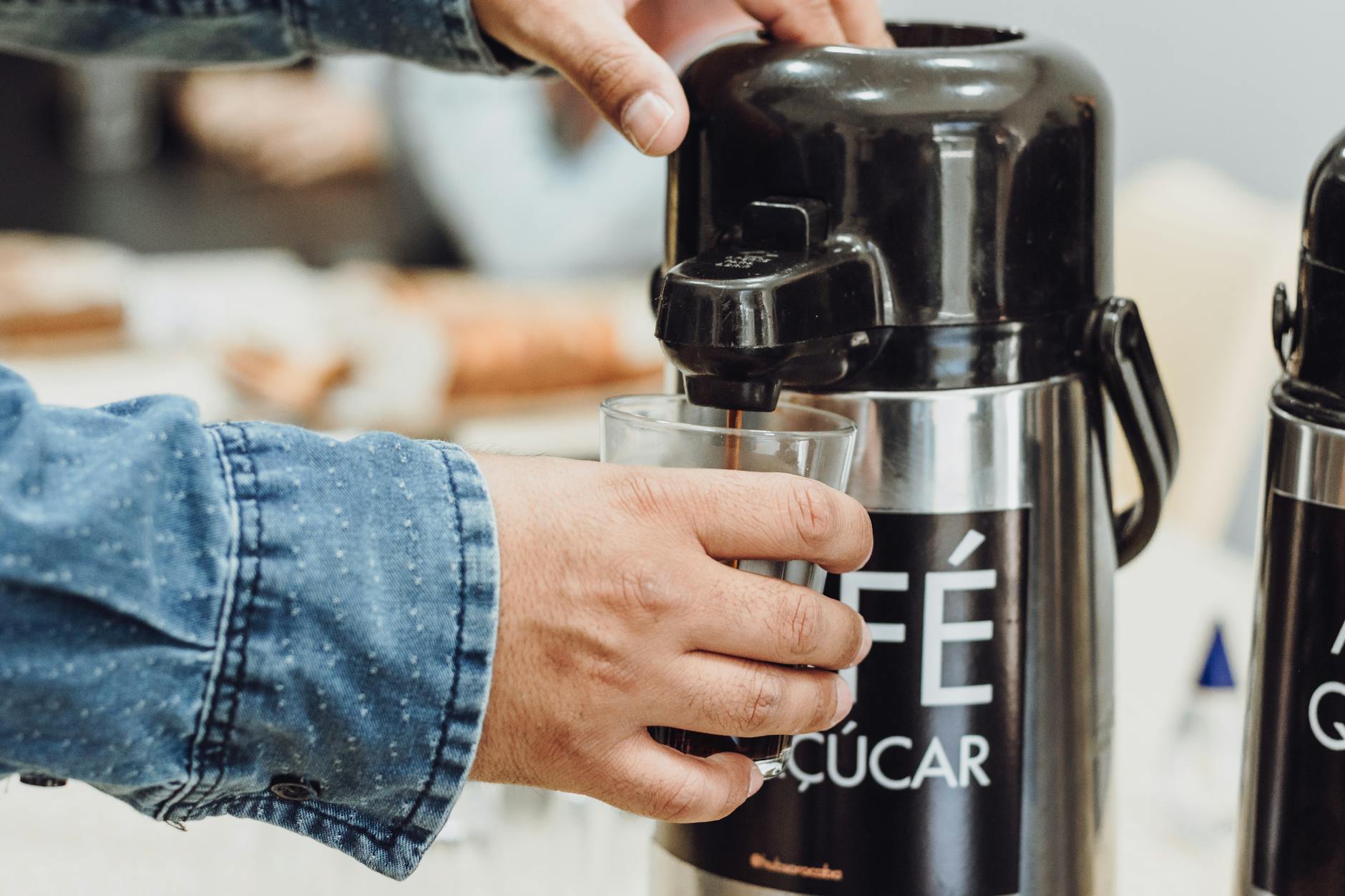
What is a Managed Coffee Service?
A Managed Coffee Service is a comprehensive, subscription-based operational model where a specialized provider assumes full responsibility for a business's coffee program. This includes the supply, installation, maintenance, and ongoing support of commercial-grade coffee equipment and premium products, all for a single, predictable monthly fee, with no capital expenditure required by the business.
Why Managed Coffee Service Matters for Modern Businesses
-
Financial Predictability and Cost Control: The most immediate benefit is the transformation of coffee from a variable cost nightmare into a fixed, predictable monthly expense. There's no surprise $3,000 repair bill, no need to allocate capital for a new machine, and no price volatility on coffee beans passed directly to you. You get one invoice. Period. This is especially powerful for budgeting in industries like hospitality and healthcare, where financial forecasting is critical. When comparing options, the Cost Savings: Managed Coffee vs Starbucks for Business analysis reveals staggering potential.
-
Elimination of Capital Expenditure (No CapEx): High-quality commercial coffee equipment, like the systems in our SENSA Coffee Line, represents a significant upfront investment, often ranging from $5,000 to $20,000+ for a full setup. A managed service, like the Busy Bean Membership, requires zero capital outlay. The equipment is provided as part of the service. This frees up crucial capital for other strategic investments in your business.
-
Operational Efficiency and Hassle Elimination: This is the "set it and forget it" advantage. Your staff is freed from tasks like ordering supplies, troubleshooting error codes, descaling machines, or dealing with service calls. The managed service provider handles all maintenance, repairs, and restocking. A study by McKinsey & Company on operational productivity found that redirecting employee time from low-value administrative tasks to core customer-facing activities can improve venue productivity by up to 15-20%. Your kitchen staff can focus on food; your front desk can focus on guests.
-
Guaranteed Uptime and Expert Support: Downtime is lost revenue and frustrated customers. Managed services include proactive maintenance and rapid, expert repair—often with service level agreements (SLAs). Providers like Busy Bean employ dedicated White-Glove Coffee Techs who are specialists, not general appliance repairers. This ensures problems are resolved correctly the first time.
-
Elevated Quality and Brand Enhancement: Serving bland, inconsistent coffee undermines a premium brand. Managed services provide access to commercial-grade equipment and often, high-quality, exclusive coffee blends. Whether it's a hotel impressing a guest at breakfast, a law firm hosting a client, or a tech company catering to employees, a superior coffee experience reinforces a message of quality and attention to detail. This is a cornerstone of a successful Hotel Coffee Program.
How a Managed Coffee Service Works: The Step-by-Step Model
-
Consultation & Needs Assessment: It begins with a deep dive into your business. A good provider will analyze your volume (cups per day), user types (employees, guests, patients), space constraints, aesthetic preferences, and desired beverage types (espresso, drip, cold brew). This ensures the solution fits your operational reality.
-
Customized Solution Design: Based on the assessment, the provider recommends a specific equipment package and coffee product lineup. This could involve a combination of super-automatic espresso machines, batch brewers, and soluble coffee systems for speed and consistency. The goal is to match the right Commercial Coffee Brewers and grinders to your workflow.
-
Professional Installation & Training: This isn't a drop-shipment. Certified technicians deliver, install, and calibrate all equipment. They then conduct hands-on training with your staff, ensuring everyone is confident in using the system to produce perfect drinks every time. This white-glove approach is a key differentiator.
-
Ongoing Managed Service Delivery: This is the continuous phase. It includes:
- Automated Product Supply: Coffee, milk, syrups, and other consumables are monitored and delivered on a schedule before you run out.
- Preventive Maintenance: Regular scheduled visits to clean, descale, and inspect equipment to prevent failures.
- 24/7 Remote Monitoring (Advanced Providers): Some systems, like SENSA, can be connected to report usage and potential issues in real-time.
- Unlimited Repair Support: If anything goes wrong, a single call or online ticket dispatches a specialist.
-
Single Monthly Invoice: You receive one comprehensive invoice covering the entire service: equipment "right-to-use," all products consumed, maintenance, and support. This is the essence of a No CapEx Coffee model, providing total Predictable Coffee Cost.
-
Continuous Optimization: The partnership evolves. The provider should review usage data and check in periodically to see if needs have changed—perhaps a new floor needs service, or a seasonal menu requires a new coffee offering.
Types of Managed Coffee Service Models
| Feature | Equipment Rental / Lease | Partial Management (Break-Fix) | Full-Service Managed Membership (e.g., Busy Bean) |
|---|---|---|---|
| Equipment Cost | Monthly lease/rental fee | Capital Purchase (CapEx) or Lease | Included in monthly fee (No CapEx) |
| Coffee & Supplies | You purchase separately | You purchase from vendor or open market | Included and automatically delivered |
| Preventive Maintenance | Often extra cost or not included | You schedule and pay for it | Included and scheduled proactively |
| Repairs & Service Calls | Extra cost, often with service contracts | Extra cost per incident ("break-fix") | Included (unlimited, parts & labor) |
| Training & Support | Minimal or one-time | Typically one-time at install | Included (ongoing for staff turnover) |
| Financial Model | Lease + variable product costs | High CapEx + variable ops costs | One predictable monthly fee |
| Primary Advantage | Lower monthly than full-service | More control over product choice | Total hassle-free operation & predictability |
The "Full-Service Managed Membership" model represents the pinnacle of the managed coffee service concept. It transfers all operational risk, asset burden, and logistical complexity to the provider, allowing the business to purely enjoy the benefit of a premium, always-operational coffee program.
- Equipment-Centric Models: These are essentially Coffee Machine Leases or rentals. You pay for the hardware, but you're still responsible for everything else—buying beans, fixing breaks, maintenance. This solves the CapEx problem but not the operational headache.
- Product-Centric Models: Often offered by big distributors, the focus is on locking you into their coffee beans. They may provide a basic machine at low cost (or "free") but the service and equipment quality are secondary to product sales. Repairs can be slow.
- All-Inclusive Managed Membership (The Busy Bean Model): This is the holistic approach. The provider's profit is derived from the success of the entire service relationship, not from selling machines or marking up beans. This aligns incentives perfectly. The provider is motivated to install reliable equipment (like our SENSA line), perform flawless maintenance, and respond instantly to issues to keep you, the subscriber, happy. It’s the model behind a true Business Coffee Program.
Implementation Guide: How to Transition to a Managed Coffee Service
-
Internal Audit & Goal Setting: Before talking to providers, document your current state. How much are you spending monthly on coffee, creamer, sugar, and repairs? How often does your machine break? What’s the staff sentiment? Define your goals: Is it pure cost savings, improved quality, reduced staff burden, or enhancing guest experience?
-
Identify and Vet Potential Providers: Look beyond the first Google ad. Seek providers specializing in managed coffee service for your industry (e.g., healthcare, office, hotel). Key vetting questions:
- Is your model truly all-inclusive? What is NOT covered?
- What is your average response time for service issues?
- Can you provide client references in my industry?
- What is the process for staff training?
- How do you handle product delivery and inventory?
-
Schedule Deep-Dive Consultations: Invite 2-3 top contenders for an on-site visit. A good provider will ask detailed questions about traffic flow, cup volume, and peak times. They should be evaluating your needs, not just pushing a standard package. This is where you assess their expertise and cultural fit.
-
Review and Compare Proposals Scrupulously: The proposal should be crystal clear. It must detail the exact equipment models (not just "espresso machine"), the specific coffee products included, the service level agreement (SLA) for repairs, the frequency of preventive maintenance, and the all-in monthly price. Watch for hidden fees or "not included" clauses.
-
Plan the Transition & Installation: Once you select a partner, coordinate an installation date that minimizes disruption. A professional provider will handle the removal of old equipment. Ensure key staff are scheduled for the in-depth training session. This is the moment to leverage their White-Glove Coffee Techs.
-
Launch, Monitor, and Communicate: Go live! Designate an internal point of contact for the first few weeks to collect feedback from users. Monitor the usage and quality. Maintain an open line with your provider for the first 90-day review. A good partner will schedule this check-in proactively to optimize the service.
Pricing & ROI of a Managed Coffee Service
- Capital Cost of Equipment (amortized over 5-7 years)
- Cost of Coffee, Milk, Syrups, Cups
- Cost of Preventative Maintenance Contracts
- Cost of Repair Calls (parts & labor)
- Staff Time for ordering, inventory, troubleshooting
- Cost of Downtime (lost sales, dissatisfied customers/employees)
- Old Way: $800/month on Starbucks runs (conservative) + $200/month on in-office supplies + $150/month avg. for machine lease/repairs + 5 hours of admin time = ~$1,200+ in visible and hidden costs.
- New Way (Managed Service): A comprehensive service with premium equipment and coffee might be $900/month. All-inclusive.
- Direct Savings: $300+ per month, plus reclaimed admin time, plus the intangible benefit of having a premium amenity on-site that keeps people in the office.
Real-World Examples and Case Studies
- Challenge: High monthly spend on Starbucks catering for meetings and daily attorney/ staff runs. Poor-quality office brewer created constant complaints.
- Solution: Implemented a Busy Bean managed service with a SENSA Duo super-automatic espresso machine and a premium single-origin drip coffee brewer in the main lounge.
- Results: Eliminated daily Starbucks runs, saving over $1,800 per month. The new coffee bar became a hub for internal collaboration and a impressive feature for client meetings. The firm's office manager reported a "complete elimination" of coffee-related tasks from her workload. The white-glove installation and training ensured immediate adoption by all staff.
- Challenge: Outdated, unreliable coffee equipment in the breakfast room led to guest complaints and negative reviews mentioning "terrible coffee." In-house maintenance was ill-equipped to service the specialized machines.
- Solution: A full Hotel Coffee Service overhaul with a managed membership. Installed a sleek, high-volume SENSA Fresh brewer for the buffet and added an on-demand espresso machine behind the concierge desk for premium drinks.
- Results: Guest satisfaction scores for the breakfast service improved by 34% within one quarter. The hotel's General Manager noted they could now confidently advertise "artisan coffee" as an amenity. The predictable monthly cost simplified the F&B department's budgeting.
- Challenge: Inconsistent coffee experiences across three clinics. Doctors and staff were buying their own, and waiting room coffee was an afterthought. Each location had different, aging equipment.
- Solution: A standardized Busy Bean managed service rolled out to all three locations, featuring identical, easy-to-use machines and a calming, medium-roast blend.
- Results: Created a unified, welcoming experience for patients. Staff morale improved with a reliable, high-quality perk. The practice administrator valued the single point of contact and invoice for all locations, drastically simplifying administration. The provider's guaranteed uptime was critical, as a broken machine in a waiting room is a significant patient satisfaction issue.
Common Mistakes to Avoid When Choosing a Service
- Focusing Only on the Monthly Fee: The cheapest monthly price often means cut corners—lower-quality beans, slower service response, or basic equipment. Evaluate the value, not just the cost.
- Not Reading the Service Level Agreement (SLA): What is the guaranteed response time for a repair? Is it "next business day" or "4 hours"? During peak season for a hotel or restaurant, a day without coffee is unacceptable.
- Overlooking the Coffee Quality: The machine is important, but the coffee is what people drink. Insist on a tasting. Ensure the blends align with your brand—whether it's a bold, dark roast for a tech office or a smooth, approachable blend for a medical waiting room.
- Assuming All Equipment is Equal: There's a vast difference between a $1,500 super-automatic and a $15,000 one in terms of durability, speed, and beverage quality. A true managed service partner will invest in commercial-grade, reliable equipment to minimize their own service calls. Our guide to the Best Commercial Coffee Machines highlights key durability features.
- Not Planning for Growth or Change: Your contract should have flexibility. Can you add a second machine if you expand to another floor? Can you change your coffee blend quarterly? Avoid long-term, rigid contracts that lock you into a service that may not evolve with your business.
The most common and costly mistake is treating coffee as a commodity purchase. Selecting a managed coffee service is a strategic partnership decision. Vet your provider as you would an IT managed services firm or a key catering partner—based on reliability, expertise, and cultural alignment.