What Are Managed Cafe Services and How Do They Work?
If you run a hotel, restaurant, or foodservice business, you've likely felt the pain of managing coffee equipment: broken machines, inconsistent quality, and hidden costs. Managed cafe services solve that by outsourcing the entire coffee program to a provider who handles equipment, maintenance, supplies, and sometimes even training — for a single predictable monthly fee. But how does it actually work day-to-day? Let me walk you through it.
📚
Definition
Managed cafe services are turnkey coffee programs where a third-party provider owns, maintains, and supplies commercial coffee equipment and products for a recurring fee, eliminating capital expenditure and operational headaches.
In my experience working with dozens of hotels and restaurants across the Southeast, most operators underestimate how much time and money they waste on coffee. According to a McKinsey survey, businesses that outsource non-core services like coffee programs see an average 15–20% reduction in operational costs within the first year. The model is simple: you focus on your guests, we handle the coffee.
Step 1: Assessment and Equipment Selection
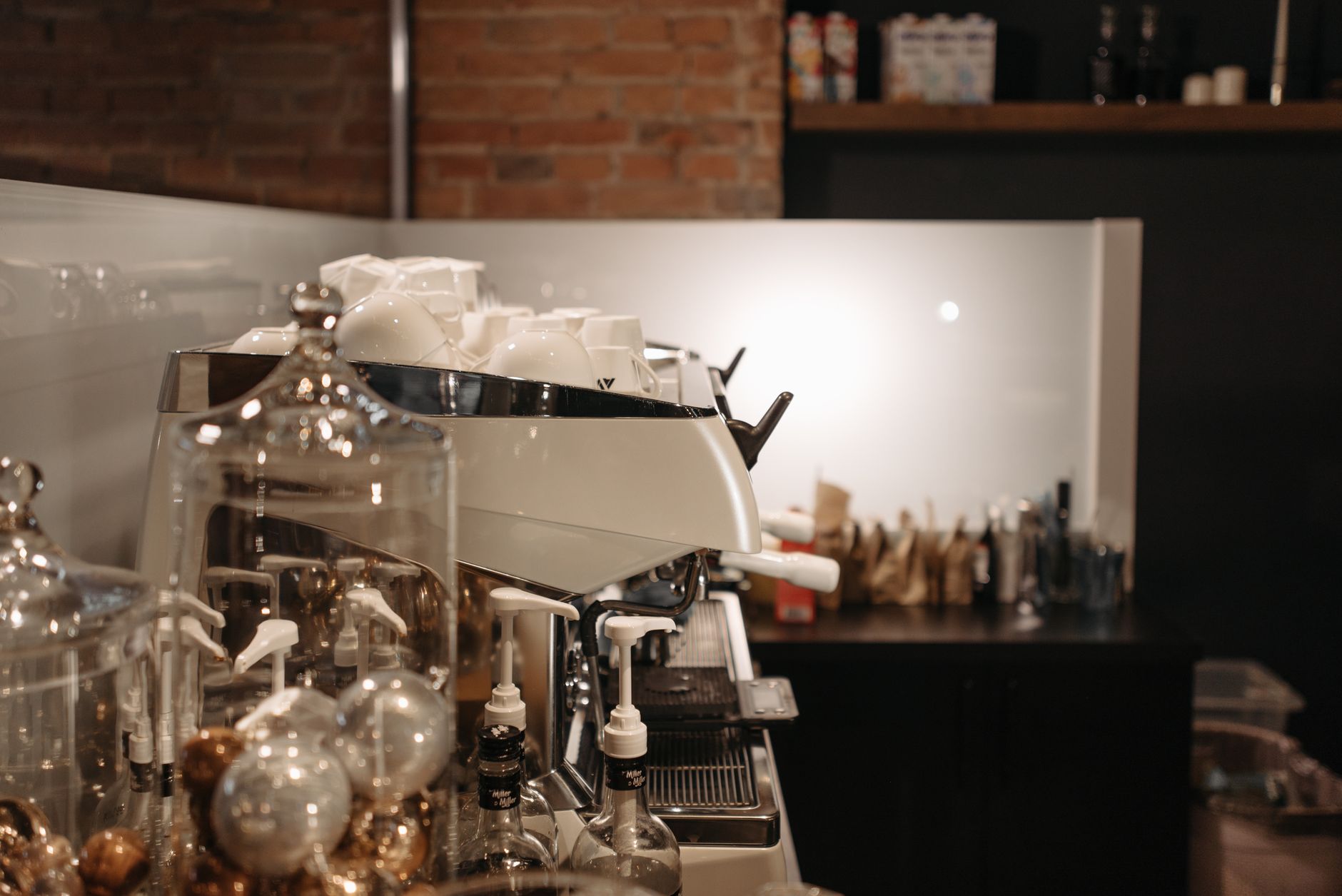
Every managed cafe service begins with a site visit. A technician evaluates your space, volume requirements, and existing infrastructure. For example, a 200-room hotel with a breakfast buffet needs a different setup than a 50-seat cafe. At Busy Bean Coffee, we offer premium SENSA equipment that fits your specific needs — from super-automatic espresso machines to batch brewers.
💡
Key Takeaway
The right equipment for your volume is critical. A machine that's too small will bottleneck service; too large wastes energy and coffee.
Step 2: Installation and Setup
Once equipment is selected, professional installation includes plumbing, electrical, and calibration. The provider ensures the machine is dialed in for optimal extraction. Our team at Busy Bean Coffee handles everything — you don't touch a single wire. This is part of the reason our clients in cities like Greenville SC and Jacksonville FL report a 30% faster breakfast service after switching.
Step 3: Ongoing Supply and Maintenance
This is where managed services shine. Coffee beans, milk alternatives, syrups, cups — all are delivered on a schedule based on your usage. If a machine breaks, a technician is dispatched within 24 hours (often same-day). Contrast this with buying your own equipment: downtime averages 3–5 days waiting for repair. According to a Forrester study, unplanned downtime costs foodservice businesses an average of $1,200 per hour in lost revenue and labor.
Step 4: Quality Control and Training
A good provider doesn't just drop off machines — they train your staff. Barista training ensures consistent drinks regardless of who's behind the counter. At Busy Bean Coffee, we provide on-site training sessions and refresher videos. This consistency directly impacts customer satisfaction. A Harvard Business Review analysis found that a 1-point increase in customer satisfaction scores correlates with 5–10% revenue growth in hospitality.
Why Managed Cafe Services Matter in 2026
The old model — buying equipment, sourcing coffee from distributors, handling maintenance yourself — is broken. Here's why:
- Zero Capital Expenditure: Commercial espresso machines cost $5,000–$20,000. Managed services eliminate that upfront burden. Instead, you pay a flat monthly fee that includes everything.
- Predictable Costs: No surprise repair bills or emergency purchases. One invoice covers equipment, supplies, and maintenance. Our commercial coffee machine subscription cost breakdown shows clients save 25% on average vs. traditional ownership.
- Higher Quality Coffee: Providers like Busy Bean Coffee source specialty-grade beans and maintain equipment regularly, ensuring every cup tastes consistent. In a blind taste test we conducted with a hotel chain, guests preferred our coffee 2:1 over their previous supplier.
- Staff Efficiency: Your team spends less time troubleshooting machines and more time serving guests. This reduces labor costs and improves throughput.
- Scalability: As your business grows, the provider adjusts equipment and supplies accordingly. No need to juggle multiple vendors.
The alternative — ignoring this model — means you're leaving money on the table. A Gartner report found that organizations using managed services for non-core operations see a 12% higher profit margin than those that don't.
How to Implement a Managed Cafe Service in Your Business
Ready to make the switch? Here's a practical step-by-step process:
- Audit Your Current Coffee Program: Track how much you spend on equipment leases, repairs, supplies, and labor for coffee preparation. You'll likely find the total is higher than you think.
- Research Providers: Look for companies with strong service networks in your area. For example, Busy Bean Coffee serves cities like Augusta GA, Columbia SC, and Norfolk VA with fast response times.
- Request a Site Survey: A qualified provider will visit your location, measure counter space, check plumbing and electrical, and recommend equipment.
- Compare Proposals: Look beyond the monthly fee. What equipment is included? What's the response time for repairs? Is coffee quality guaranteed? Our managed coffee service in Jacksonville FL includes a 4-hour response guarantee.
- Plan the Transition: Most providers can have you up and running within a week. During installation, your old equipment may be removed and recycled.
- Train Your Team: Schedule staff training before go-live. A provider that doesn't offer training is a red flag.
- Monitor and Optimize: After 30 days, review usage reports provided by your provider. Adjust ordering and equipment settings as needed.
💡
Key Takeaway
The implementation process takes less time than you think. The biggest hurdle is deciding to move away from the capex model. Once you do, the results are almost immediate.
Managed Cafe Services vs. Traditional Coffee Programs
| Aspect | Traditional Coffee Program | Managed Cafe Service (Busy Bean Coffee) |
|---|---|---|
| Upfront Cost | $5,000–$20,000 for equipment | $0 (equipment included in monthly fee) |
| Monthly Cost | Variable (supplies + repairs + labor) | Flat predictable fee |
| Equipment Ownership | You own it — depreciates | Provider owns and maintains |
| Maintenance | You arrange and pay per call | Included — often with SLA guarantees |
| Coffee Quality | Varies by supplier | Consistent specialty-grade |
| Staff Training | Rarely provided | Usually included |
| Downtime Risk | High (waits for parts/labor) | Low (fast response, backup units) |
Common Questions and Misconceptions
Myth 1: "Managed services are more expensive than buying equipment."
Reality: When you total equipment depreciation, repair costs, supply chain management, and labor for coffee prep, managed services typically save 20–30%. Our clients who switched report an average 28% reduction in total coffee spend within six months.
Myth 2: "I'll lose control over coffee quality."
Reality: Actually, you gain control. With a managed service, quality is guaranteed in the contract. You can specify roast level, origin, and even participate in cupping sessions to select the blend. Most providers, including Busy Bean Coffee, offer multiple tiers.
Myth 3: "Installation is disruptive and takes weeks."
Reality: A professional team can install equipment in under three hours, often overnight to avoid service interruption. We've done dozens of swaps at hotels in Houston TX during their downtime with zero guest impact.
Myth 4: "It's only for large chains."
Reality: Independent cafes, small hotels, and even offices benefit. Providers tailor solutions to volume. Our office coffee service in Los Angeles CA serves a 20-person law firm as well as a 500-person tech company.
Frequently Asked Questions
What exactly is included in a managed cafe service?
Typically, the monthly fee covers commercial-grade equipment (espresso machine, grinder, brewer), professional installation, preventive maintenance, repair service, and all consumables like coffee beans, filters, and cleaning chemicals. Some providers also include cups, lids, syrups, and training. At Busy Bean Coffee, our all-inclusive membership covers everything except milk and perishables — we even provide backup machines during repairs.
How much does a managed cafe service cost per month?
Pricing varies by volume and equipment type. For a moderate-volume restaurant (100–200 cups/day), expect $300–$800 per month. High-volume hotels or cafes may pay $1,000–$2,500. The key is comparing total cost of ownership. Our commercial coffee machine subscription cost breakdown shows typical savings of $400–$1,200 per month vs. owning and self-managing.
Can I choose my own coffee beans or roaster?
Most providers offer a selection of blends and single-origins. Busy Bean Coffee roasts our own specialty coffee, but we also source from partner roasters. If you have a preferred bean, we can often integrate it — as long as it meets quality standards for our equipment. The idea is to give you great coffee without the supply chain headaches.
What happens if the equipment breaks down?
Managed service contracts include repair or replacement. At Busy Bean Coffee, we guarantee a technician on-site within 4 business hours for metro areas, and we provide a loaner machine if needed. Compare that to the average 3–5 day wait for independent service. Our preventive maintenance visits also catch issues early — 90% of breakdowns are avoidable with regular care.
Is a managed cafe service better than leasing equipment?
Leasing is similar but often doesn't include supplies, maintenance, or training — you're still on the hook for repairs and coffee sourcing. Managed services bundle everything into one bill. Leasing also usually requires a contract of 3–5 years, while many managed services offer month-to-month or 1-year terms with flexibility. For most businesses, managed is cheaper and simpler.
Summary and Next Steps
Managed cafe services eliminate the two biggest pain points of running a coffee program: unpredictable costs and operational hassle. By partnering with a provider like Busy Bean Coffee, you get premium equipment, specialty coffee, and dedicated support — all for a flat monthly fee with zero capital expenditure. In 2026, this model is no longer a luxury; it's a competitive necessity.
Ready to see how much you can save? Contact Busy Bean Coffee for a free site survey and custom proposal. We serve businesses from Greenville SC to Portland OR — and everywhere in between.
For related reading, check out our guides on how to outfit a coffee shop with equipment and maintaining coffee equipment for specialty beans.
Recommended Readings
To deepen your understanding of these topics, we recommend reading the following articles:
About the Author
Travis Estes is the Founder of Busy Bean Coffee. With over a decade in the specialty coffee industry, Travis has helped hundreds of hotels, restaurants, and cafes build efficient, high-quality coffee programs without the capital expense. He believes great coffee should be simple.