Running a restaurant or hotel in the Chattahoochee Valley means competing with a rising tide of specialty cafes and high guest expectations. A professional foodservice coffee program in Columbus GA is a comprehensive system that integrates premium equipment, high-grade Arabica coffee beans, and managed maintenance to ensure every cup served increases your average check and improves guest loyalty. Rather than just buying a machine, a true program focuses on consistency, speed of service, and waste reduction to turn your beverage station into a profit center.
In my experience working with hospitality businesses in the Southeast, the biggest mistake owners make is treating coffee as an afterthought. They buy a mid-range machine and generic beans, only to find that guests are complaining about the taste or the machine is down during the Sunday brunch rush. When we implement a managed solution at Busy Bean Coffee, we shift the focus from 'buying a product' to 'optimizing a revenue stream.' For those looking to scale their beverage operations, exploring a White Glove Coffee Service in Los Angeles CA can provide a benchmark for how high-end hospitality hubs handle volume without sacrificing quality.

Why Columbus GA Businesses are Adopting Managed Foodservice Coffee Programs?
Columbus is experiencing a shift in consumer behavior, with a growing preference for specialty coffee that rivals the quality found in metropolitan hubs. Local diners and hotel guests are no longer satisfied with 'burnt' drip coffee; they are looking for a nuanced experience, from perfectly textured lattes to precise pour-overs. This shift is mirrored in national trends. According to the National Coffee Association USA, there has been a significant increase in the consumption of specialty coffee among US adults, pushing foodservice operators to upgrade their offerings to remain competitive.
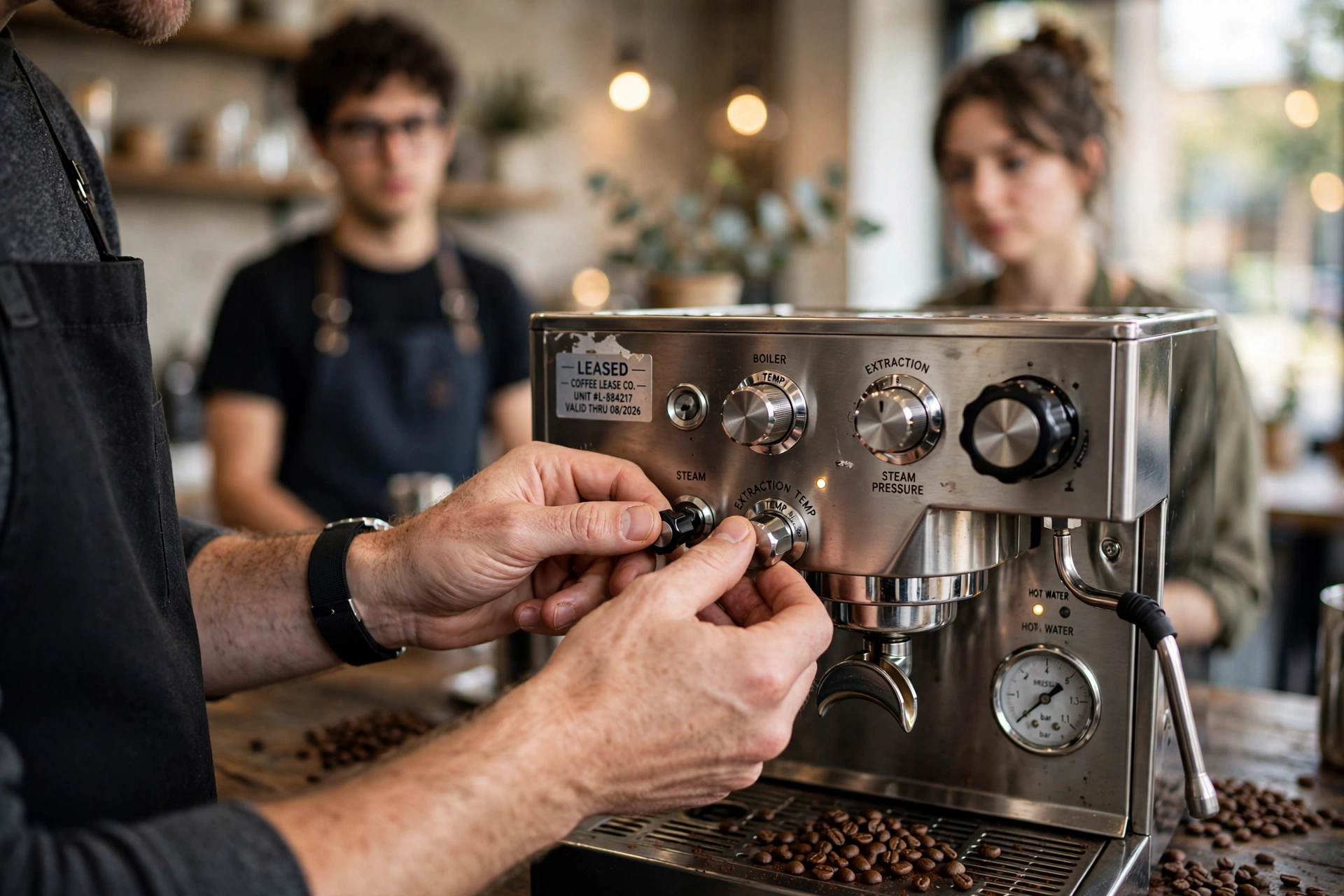
For a business in the Fountain City, the challenge isn't just the coffee quality, but the operational friction. Maintaining an espresso machine requires technical knowledge, scaling, water filtration, and calibration. Most restaurant managers are already overwhelmed with staffing and food costs; they don't have the bandwidth to troubleshoot a boiler issue at 7:00 AM. This is why managed programs have become the standard. By outsourcing the technical overhead, operators can focus on their core business while ensuring the beverage quality remains consistent.
Furthermore, the regional economy in the Southeast is seeing a push toward 'experiential dining.' Guests are staying longer and spending more on high-margin add-ons. A well-executed coffee program allows a restaurant to charge a premium for a specialty latte, which often carries a significantly higher profit margin than a standard entrée. In practice, this means that the equipment pays for itself through increased average ticket sizes and repeat visits from coffee enthusiasts who specifically seek out venues with high-quality brews.
What are the Key Benefits of a Professional Coffee Program for Columbus Businesses?
Implementing a structured program replaces the 'guesswork' of beverage service with a data-driven approach to quality and efficiency. The primary advantage is the elimination of capital expenditure (CapEx) risk. Instead of dropping $15,000 on a high-end machine that may be obsolete or broken in three years, a managed program provides the latest technology as part of a predictable monthly operational expense.
Increased Revenue via Higher Average Check
When you transition from basic drip coffee to a full espresso menu, your pricing power increases. A standard cup of coffee might sell for $2.50, but a handcrafted Cappuccino or a seasonal Mocha can easily command $5.00 to $7.00. Because the cost of the coffee beans and milk is relatively low compared to the retail price, these drinks are among the most profitable items on any menu. In my experience, businesses that upgrade their coffee program see an immediate lift in dessert and appetizer sales, as guests are more likely to linger over a high-quality beverage after their meal.
Operational Consistency and Reduced Waste
Consistency is the hallmark of a professional program. Using precision-engineered equipment and standardized training for baristas ensures that the latte served on Tuesday is identical to the one served on Saturday. This reduces waste significantly. Poorly calibrated machines lead to 'dialing in' errors where pounds of expensive coffee are wasted just trying to get the shot right. A managed program includes regular calibration and maintenance, ensuring that every gram of coffee is used efficiently.
📚
Definition
Calibration in coffee service is the process of adjusting the grind size and dose of the coffee beans to achieve a specific extraction time and flavor profile, typically aiming for a balanced acidity and sweetness.
Enhanced Guest Loyalty and Brand Perception
Coffee is often the last thing a guest tastes before they leave your establishment. If the coffee is bitter or lukewarm, it can overshadow a fantastic meal and leave a negative final impression. Conversely, a specialty coffee offering signals to the guest that you care about quality in every detail. This attention to detail builds trust and encourages word-of-mouth referrals in the tight-knit Columbus community. For businesses operating in larger markets, seeing how Automated Coffee Service in Fort Worth TX is implemented can show the efficiency gains possible when high-volume consistency is prioritized.
💡
Key Takeaway
The shift from a traditional 'equipment purchase' to a 'managed program' transforms coffee from a cost center into a high-margin profit engine while removing the technical burden from the staff.
Comparison of Coffee Service Approaches
| Feature | Traditional Purchase | Cheap/Generic AI Systems | Busy Bean Managed Program |
|---|---|---|---|
| Initial Cost | High Upfront CapEx | Low/Moderate | Low/Predictable Monthly Fee |
| Maintenance | Reactive (Break-Fix) | Limited/Remote | Proactive & All-Inclusive |
| Coffee Quality | Variable/Generic | Standardized/Bland | Specialty Grade / Fresh Roast |
| Staff Training | Self-Taught | Basic Manuals | Professional Barista Coaching |
| Equipment | Ages Rapidly | Generic/Low-Durability | Premium SENSA/Industry Lead |

Real-World Examples of Coffee Program Impact in the Southeast
To understand the tangible impact, we can look at two different scenarios common to the Columbus and broader Southeast market. These examples illustrate the difference between a fragmented approach and a cohesive foodservice coffee program.
Case Study 1: The Boutique Hotel Transformation
A mid-sized boutique hotel in the region was struggling with its breakfast service. They used standard commercial brewers that produced inconsistent, often burnt coffee. Guests frequently mentioned the poor coffee in online reviews, which affected their overall rating. After implementing a managed specialty coffee program, they introduced a curated selection of Coffea arabica roasts and high-efficiency brewers.
The Result: Within six months, the hotel saw a 12% increase in breakfast revenue due to the introduction of a 'premium coffee' tier. More importantly, their guest satisfaction scores regarding the breakfast experience rose from 3.2 to 4.7 stars. By removing the hassle of maintenance, the hotel staff could focus on guest interaction rather than fighting with a clogged machine.
Case Study 2: The High-Volume Casual Dining Restaurant
A popular brunch spot in the Southeast was dealing with massive bottlenecks at their beverage station. Their single, aging espresso machine required constant attention and often broke down during peak hours, leading to lost sales and frustrated customers. We replaced their setup with a high-capacity, automated system and provided comprehensive barista training to streamline the workflow.
The Result: The restaurant increased its coffee-related throughput by 40% during the Sunday rush. By reducing the time to prepare a latte from 3 minutes to 90 seconds, they captured revenue that was previously lost to long wait times. The predictability of the monthly fee also allowed the owner to stabilize their cash flow, knowing that no surprise repair bills would hit them mid-month. If you are looking for similar efficiency in a different region, our Automated Coffee Service in Wilmington NC guide explains how these systems scale.
How to Get Started with a Professional Foodservice Coffee Program
Starting a professional program isn't about buying the biggest machine; it's about designing a workflow that fits your specific volume and staff skill level. The goal is to create a frictionless path from the bean to the cup.
Step 1: Conduct a Volume Audit
Before choosing equipment, you must analyze your peak hours. How many cups are you serving per hour between 8:00 AM and 11:00 AM? A machine that works for a slow-paced cafe will fail in a high-turnover brunch spot. We look at your current transaction data to determine if you need a fully manual espresso machine for a high-end experience or an automated solution for speed and consistency.
Step 2: Define Your Beverage Menu
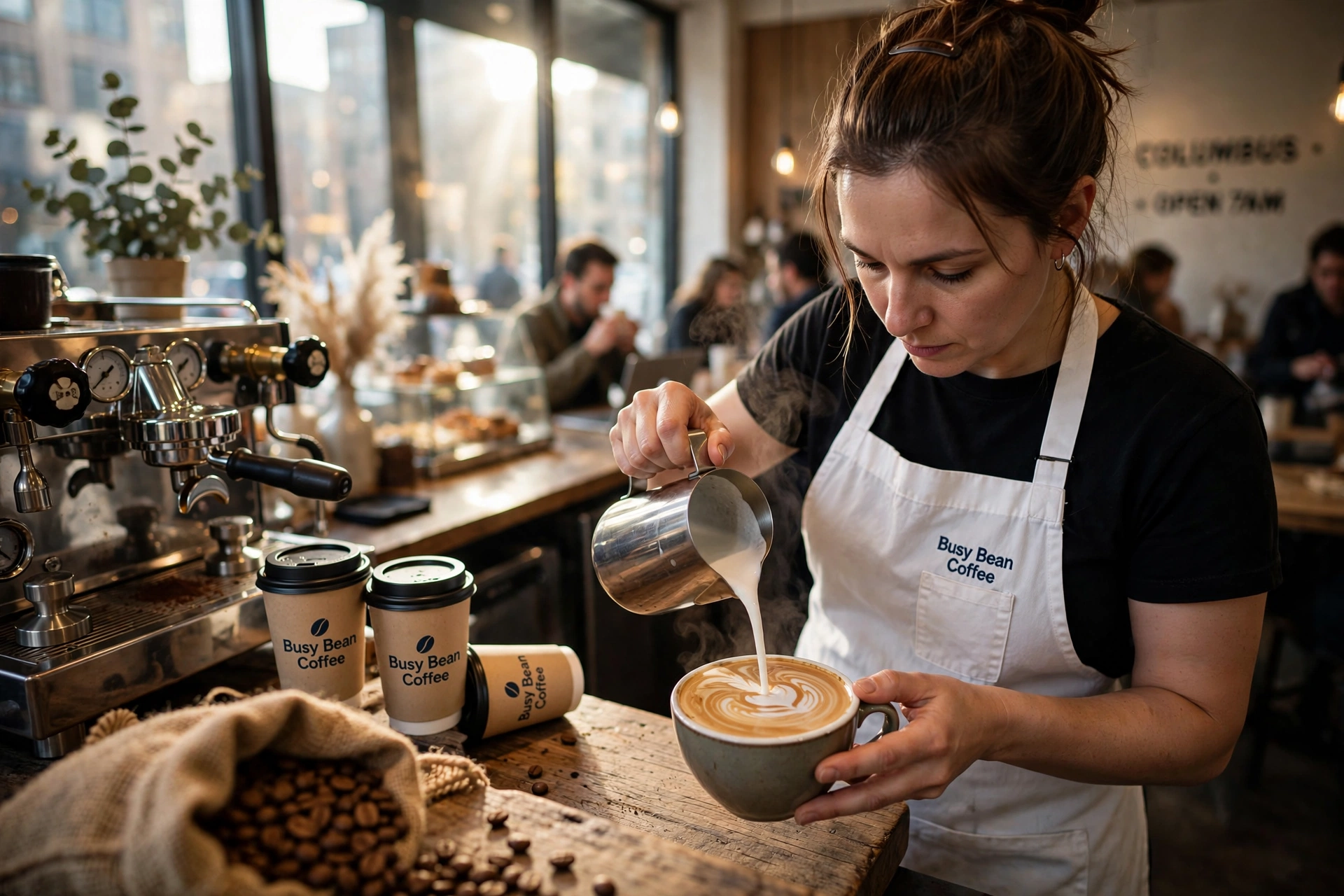
Your menu should align with your brand. If you are a luxury hotel, you need a menu that emphasizes the origin of the beans and the artistry of the pour. If you are a fast-casual spot, you need a menu that emphasizes speed and variety. This is where choosing the right coffee bean becomes essential. Whether it's a bold dark roast for traditionalists or a bright, acidic light roast for the specialty crowd, your selection defines your market position. For those focusing on the visual appeal, knowing where to buy latte art tools can help your staff elevate the presentation.
Step 3: Implement a Managed Equipment Solution
Rather than navigating the complex world of commercial equipment warranties, partner with a provider like Busy Bean Coffee. We provide an all-inclusive membership that includes premium SENSA equipment, professional installation, and full maintenance. This ensures your equipment is always running at peak performance without you ever having to call a technician on your own dime.
Step 4: Staff Training and Calibration
Equipment is only as good as the person operating it. A professional program includes training on milk texturing, espresso extraction, and machine hygiene. We teach your team the science of the 'golden ratio' to ensure every drink is balanced. This training reduces waste and empowers your staff, making them more confident in their roles. For smaller teams, focusing on the best office espresso machines for small teams can provide a similar quality boost with less complexity.
Common Objections to Managed Coffee Programs
Many operators hesitate to switch to a managed program because of misconceptions about cost and control. However, when you look at the data, the 'safe' route of buying your own equipment is often the most expensive in the long run.
Objection 1: "I can buy a machine cheaper on my own."
Most people assume that paying a monthly fee is more expensive than a one-time purchase. That said, this ignores the 'hidden costs' of ownership. When a boiler fails or a pump dies, the cost of an emergency technician visit, plus the lost revenue from not being able to sell coffee for two days, often exceeds the cost of a year's worth of membership. A managed program provides a fixed cost, which is far more beneficial for financial planning than unpredictable repair spikes.
Objection 2: "I don't want to be locked into a contract."
There is a fear of losing flexibility. In practice, the flexibility provided by a managed service is actually higher. When technology evolves or your business grows, managed programs often allow for equipment upgrades that would be prohibitively expensive if you owned the hardware. You aren't locked into a machine; you are locked into a standard of quality.
Objection 3: "My staff can just learn how to use it."
Some owners believe that a modern machine is 'plug-and-play.' This is a dangerous assumption. According to standards set by the Specialty Coffee Association (SCA), the variables involved in a perfect extraction, temperature, pressure, and grind, are precise. Without professional training, staff often over-extract the coffee, leading to a bitter taste that drives guests away. Professional training isn't a luxury; it's a requirement for quality control.
Frequently Asked Questions
What exactly is a 'managed' foodservice coffee program?
A managed program is an all-inclusive partnership where a provider supplies the commercial equipment, the specialty coffee beans, and the ongoing technical support for a predictable monthly fee. Unlike traditional purchasing, where the business owns the machine and handles its own repairs, a managed program shifts the risk and maintenance to the provider. This ensures that the equipment is always calibrated to industry standards and that there is zero downtime during peak business hours, which is essential for high-volume environments in Columbus GA.
How does a professional coffee program increase my bottom line?
It increases revenue in two primary ways: through price premiums and waste reduction. First, by offering specialty-grade beverages, you can shift your pricing from 'commodity' levels to 'specialty' levels, significantly increasing the average ticket. Second, managed programs reduce the amount of coffee wasted during the 'dialing-in' process through professional calibration and staff training. When you combine higher prices with lower waste and zero unexpected repair costs, the net profit per cup increases substantially.
Do I need a full-time barista to run a high-end coffee program?
Not necessarily. While a dedicated barista is great for a specialty cafe, most foodservice operations in Columbus GA can achieve excellent results with 'trained' staff using semi-automated or automated professional equipment. The key is the training provided within the program. We teach your existing staff the fundamental skills of milk steaming and shot pulling, and we provide equipment that removes the most common points of human error, allowing your team to produce cafe-quality drinks without needing a specialized degree in coffee.
What happens if the espresso machine breaks during a holiday weekend?
This is the primary reason businesses choose managed services. In a traditional ownership model, you would be at the mercy of a technician's schedule, potentially losing thousands in revenue. In a managed program, maintenance is proactive, and emergency support is prioritized. Because the provider's goal is to keep your business running, they provide rapid-response repairs and, in some cases, loaner equipment to ensure that your coffee service never stops, regardless of the date or time.
How do I know if my business needs a specialty program or just a standard brewer?
If your guests are increasingly asking for lattes, cappuccinos, or 'better' coffee, or if you are located in a competitive area of Columbus GA, a specialty program is necessary. Standard brewers are fine for 'fuel' coffee, but they don't drive revenue or guest loyalty. If you want coffee to be a destination or a highlighted part of your dining experience, you need the precision of an espresso-based program. We typically recommend a volume audit to see if the projected increase in average check justifies the upgrade.
Final Thoughts on Foodservice Coffee Program in Columbus GA
Integrating a professional foodservice coffee program in Columbus GA is no longer just an option for high-end cafes; it is a strategic necessity for any hospitality business that wants to maximize its revenue and guest satisfaction. By moving away from the outdated model of owning depreciating equipment and moving toward a managed, all-inclusive service, you eliminate technical stress and unlock a high-margin revenue stream.
Whether you are running a boutique hotel or a bustling breakfast spot, the goal is the same: consistency, quality, and profitability. Don't let a broken machine or a bitter cup of coffee be the reason a guest chooses a competitor. It is time to treat your coffee service with the same professionalism as your kitchen and your front-of-house staff.
Ready to elevate your beverage game and stop worrying about equipment failure? Visit Busy Bean Coffee today to discover how our managed memberships can transform your business. For those looking for tailored solutions in other regions, we also offer Coffee delivery service in Charlotte NC and Automated Coffee Service in Wilmington NC to ensure quality across the Southeast.
Free Coffee Pairing Guide & Specialty Roast Cheat Sheet
Unlock the secrets of perfect brewing ratios, water temperatures, and specialty roast profiles. Download the guide.