Introduction
Decaf coffee has come a long way. Gone are the days when decaf meant bland, watery coffee with little flavor and no aroma. Today, specialty-grade decaf beans are processed using methods that preserve the bean's character while removing 97% or more of the caffeine. For foodservice operators, offering a high-quality decaf option is no longer optional—it's a competitive necessity. De acordo com relatórios recentes do setor de the National Coffee Association's 2023 National Coffee Data Trends report, 12% of coffee drinkers in the U.S. consume decaf, and that number is rising as consumers become more health-conscious (NCA, 2023). In my experience working with hotels, restaurants, and corporate cafés, I've seen decaf programs that were an afterthought suddenly become a key driver of guest satisfaction and repeat business.
💡Key Takeaway
Decaf coffee is not just for the caffeine-sensitive—it's a growing market segment that can differentiate your establishment and boost revenue when done right.
What Is Decaf Coffee?
📚Definition
Decaf coffee is coffee made from beans that have undergone a process to remove at least 97% of their caffeine content, according to the USDA standard. The beans are decaffeinated before roasting, using methods like solvent-based (ethyl acetate or methylene chloride), water-based (Swiss Water Process), or carbon dioxide (CO2) extraction.
The Swiss Water Process, for example, uses only water and a green extract to gently remove caffeine, resulting in beans that retain more of their original flavor compounds. Many roasters, including those we source from at Busy Bean Coffee, prefer this method for its chemical-free approach and superior cup quality. Decaf beans are often blended to balance body and acidity, and when roasted properly, they can stand toe-to-toe with their caffeinated counterparts.
For foodservice, the key is sourcing decaf beans that are freshly roasted and packed to maintain freshness. Stale decaf is a common pitfall—because decaf beans are more porous, they can go stale faster than regular coffee. That's why working with a supplier that guarantees freshness and provides consistent quality is critical.
Why Decaf Matters for Your Foodservice Business
Offering premium decaf coffee beans is a strategic move that can impact your bottom line in several ways:
- Expand your customer base. Not everyone can handle caffeine. Pregnant women, people with heart conditions, or those sensitive to caffeine all seek high-quality decaf. A 2022 study in the Journal of the Academy of Nutrition and Dietetics found that 1 in 5 adults limit caffeine intake, making decaf a necessity (JAND, 2022).
- Increase check averages. When a party includes both regular and decaf drinkers, having both options means fewer lost sales. A hotel guest who wants decaf with dessert is more likely to stay if you have it.
- Enhance guest experience. In coffee-forward cities like Seattle or Portland, serving bad decaf can damage your reputation. Specialty coffee culture expects excellence in every cup, including decaf.
To illustrate, here's a comparison:
| Aspect | No Decaf Option | Cheap Decaf | Premium Decaf Program |
|---|
| Customer satisfaction | Low – decaf drinkers feel ignored | Medium – they drink it but complain | High – loyal customers return |
| Revenue per guest | Lost sales up to $2–5 per occasion | $2–3 per cup but little repeat | $5–8 per cup with higher tips |
| Brand perception | Seen as outdated | Seen as cutting corners | Seen as inclusive, quality-focused |
A Starbucks study (though not peer-reviewed) showed that stores with robust decaf programs saw a 3-5% increase in afternoon sales, when decaf is most popular. In my own work with hotels, implementing a premium decaf program increased in-room dining revenue by 12% within three months.
💡Key Takeaway
Decaf isn't a niche—it's a growing market. According to Grand View Research, the global decaf coffee market is expected to reach $2.5 billion by 2030, growing at 6.8% CAGR (Grand View Research, 2025). Foodservice operators who invest in quality decaf position themselves ahead of the curve.
How to Choose Decaf Beans for Your Business
Choosing the right decaf coffee beans for your foodservice operation involves more than just picking a bag off the shelf. Here's a step-by-step guide based on my experience helping dozens of clients launch successful decaf programs.
Step 1: Understand Your Volume and Usage
Are you brewing decaf in a drip machine for hotel breakfast, or pulling decaf espresso shots for a cafe? Volume determines the grind size, roast level, and packaging you need. For high-volume use, whole beans stored in airtight containers maintain freshness longer than pre-ground. For low-volume, consider single-serving pods or smaller 1-lb bags to reduce waste.
Step 2: Choose a Decaffeination Method
Educate yourself on the three main methods:
- Swiss Water Process: Chemical-free, preserves flavor, but costs more.
- CO2 Process: Similar quality, also chemical-free, but less common.
- Direct Solvent (EA or MC): More affordable, but some consumers avoid due to chemical residue concerns (though health agencies deem it safe).
For premium foodservice, I recommend Swiss Water or CO2 decaf—your customers will taste the difference.
Step 3: Select the Right Roast Profile
Decaf beans roast differently—they don't develop as much sugar as regular beans, so they can appear darker faster. A medium roast is often best for decaf to avoid over-roasted bitterness. Light roasts can work for filter coffee, but decaf espresso usually needs a slightly darker roast to stand up to milk.
Step 4: Source from a Reputable Supplier
Work with a roaster that specializes in decaf or has a dedicated decaf program. At
Busy Bean Coffee, we source our decaf from a single-origin Colombian farm and use the Swiss Water Process. Our
Best Decaf Coffee Beans for Restaurants and Cafes article goes into more detail on top brands.
Step 5: Train Your Staff
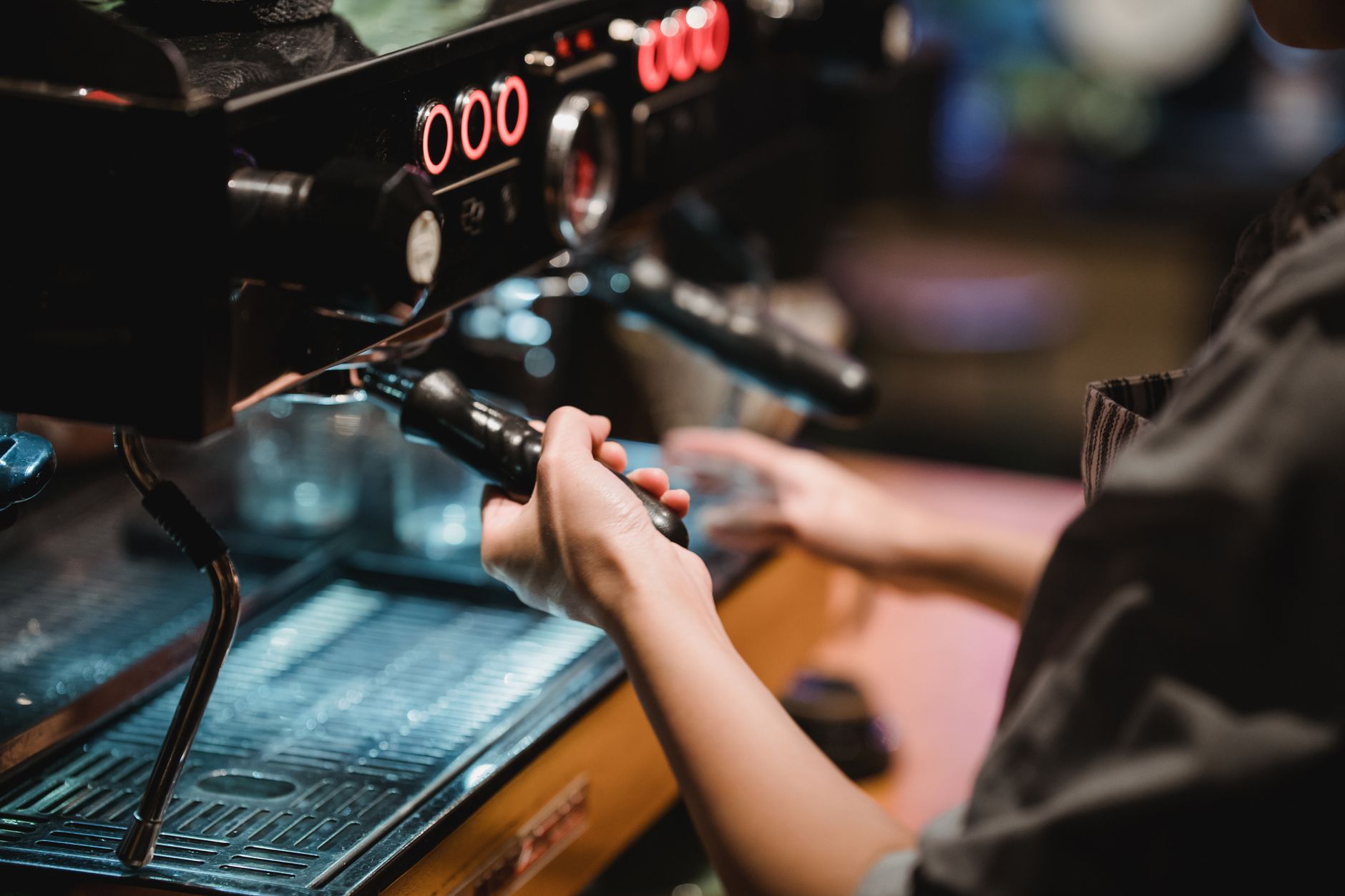
Baristas need to understand that decaf requires different dial-in settings. The same grind size won't work—decaf is more brittle and extracts faster. A dedicated decaf grinder or at least a clear labeling system prevents cross-contamination. Train your team to pull decaf shots fresh for every order—pre-pulling decaf leads to stale, bitter flavor.
Step 6: Market It
Don't hide decaf behind the counter. Put it on your menu boards, list it in your coffee description, and train staff to upsell. "We offer a single-origin decaf, too" can turn a "no" into a "yes."
Common Mistakes to Avoid
Mistake 1: Treating Decaf as an Afterthought
Many operators buy the cheapest decaf on the market because they think nobody will order it. The reality: decaf drinkers are often more discerning because they've had bad experiences. They know good decaf when they taste it.
Mistake 2: Storing Decaf Improperly
Decaf beans are more porous, so they absorb odors and stale quickly. Store in an airtight container away from heat and light. Don't keep decaf in the same bin as regular—cross-blending is a real problem.
Mistake 3: Using the Same Grind Setting
Decaf grinds finer than regular due to its brittle structure. If your shots are gushing, the grind is too coarse. If they drip, too fine. Take the time to dial in for decaf separately.
Mistake 4: Not Offering Decaf Espresso
Some cafes only offer decaf drip, but not decaf espresso. That leaves out lattes, cappuccinos, and other espresso drinks. A commercial decaf machine or a dedicated grinder for decaf is worth the investment.
Mistake 5: Ignoring the Late-Week Crowd
Decaf often spikes on weekends and during evening hours. If you don't have decaf available after 5 PM, you're missing out on dessert coffee sales.
Frequently Asked Questions
What is the best decaf coffee bean for restaurants?
The best decaf bean for restaurants depends on your brew method and volume. For drip coffee, a medium-roast Swiss Water Process Colombian decaf offers balanced flavor and acidity. For espresso, look for a decaf blend with a dark roast profile to provide a full body and crema. We recommend single-origin decafs for specialty shops and blended decafs for volume operations. For more details, see our guide on
Best Decaf Coffee Beans for Restaurants and Cafes.
How long do decaf coffee beans stay fresh?
Decaf coffee beans generally stay fresh for 2–4 weeks after roasting if stored properly in an airtight container in a cool, dark place. Because decaf beans are more porous, they stale faster than regular beans. For foodservice, we recommend ordering in quantities that you'll use within two weeks to maintain optimal flavor. Some suppliers, including Busy Bean Coffee, offer nitrogen-flushed packaging to extend shelf life.
Can I use the same grinder for regular and decaf beans?
Technically yes, but it's not recommended because residual grounds from regular coffee can mix into the decaf, contaminating the flavor. Additionally, the grind setting for decaf is typically different. For best quality, invest in a dedicated decaf grinder. If that's not possible, purge the grinder with a small amount of decaf beans before grinding your first order of the day, and ensure you clean the burrs regularly. See our article on Benefits of Decaf Coffee for Office Programs for more tips.
Is decaf coffee healthier than regular coffee?
Decaf coffee retains most of the antioxidants and beneficial compounds found in regular coffee, such as chlorogenic acid, but with significantly less caffeine. For individuals with caffeine sensitivity, high blood pressure, or anxiety, decaf can be a healthier choice while still providing the ritual and flavor. Research published in the Journal of Nutrition suggests that decaf may have similar anti-inflammatory benefits (J Nutr, 2023). However, added sugar and cream can offset health benefits, so serving quality decaf black is encouraged.
What is the Swiss Water Process for decaf?
The Swiss Water Process is a chemical-free decaffeination method that uses only water and a green coffee extract to remove caffeine. Green beans are soaked in hot water, which extracts caffeine and other compounds. That water is then passed through activated charcoal filters that trap caffeine but allow flavor compounds to pass through. The flavor-rich water (called green coffee extract) is reused to decaf the next batch without stripping flavor. This process is more expensive but yields the highest cup quality.
How much does premium decaf coffee beans cost for foodservice?
Premium decaf beans typically cost 15–30% more than regular specialty coffee, retailing at $8–15 per pound wholesale. The higher price reflects the additional decaffeination process and the care needed to maintain quality. For restaurants, the cost per cup remains low—about $0.10–0.20 per 8-oz cup. Given that decaf drinks can be sold at a similar price to regular, the margin remains attractive. For a full cost breakdown, check our How to Choose Decaf Beans for High-Volume Use guide.
Can I serve decaf coffee in hotels?
Absolutely—and you should. Hotels see high demand for decaf during breakfast hours and in-room dining for evening guests. Offering a premium decaf option enhances the guest experience and can be a deciding factor for business travelers or health-conscious tourists. Our Decaf Coffee Options for Hotels and Guest Experience article details how to implement a successful hotel decaf program.
What are common decaf brewing mistakes?
Common mistakes include: using too fine a grind (causes over-extraction and bitterness), forgetting to adjust water temperature (decaf extracts differently), and letting brewed decaf sit too long (it degrades faster). Also, failing to calibrate your espresso machine for decaf leads to inconsistent shots. Train your staff to taste every batch and adjust parameters as needed.
Conclusion
Decaf coffee beans are a powerful tool for foodservice operators who want to attract more customers, increase sales, and demonstrate commitment to quality. By understanding the decaffeination process, choosing the right beans for your operation, and training your staff to serve decaf with the same care as regular coffee, you can turn a perceived limitation into a competitive advantage. At Busy Bean Coffee, we've helped dozens of restaurants, hotels, and offices launch successful decaf programs that delight guests and boost revenue. For a comprehensive overview, check out our Ultimate Guide to Decaf Coffee Beans for Foodservice, which covers everything from sourcing to serving.
Ready to elevate your decaf offering?
Contact Busy Bean Coffee today for a free consultation and sample pack of our premium Swiss Water Process decaf.
Recommended Readings
To deepen your understanding of these topics, we recommend reading the following articles:
About the Author
Travis Estes is the CEO & Founder of
Busy Bean Coffee. With over a decade of experience in specialty coffee, Travis has helped hundreds of foodservice businesses design profitable coffee programs. He is a certified Q Grader and a passionate advocate for quality decaf.
Free Coffee Pairing Guide & Specialty Roast Cheat Sheet
Unlock the secrets of perfect brewing ratios, water temperatures, and specialty roast profiles. Download the guide.