
📖This article is part of the complete guide to Ultimate Guide to Decaf Coffee Beans for Foodservice.
More employees are asking for decaf—and not just because they're avoiding caffeine after 2 PM. According to the National Coffee Association's 2024 survey, 35% of coffee drinkers now consume decaf at least occasionally, and the decaf segment is growing at 4.2% annually. Yet most businesses still treat decaf as an afterthought: a single stale tin of pre-ground decaf shoved under the counter.
If you want to retain a health-conscious workforce, boost workplace satisfaction, or simply keep up with modern coffee culture, a proper decaf program is no longer optional—it's a strategic move. For a complete overview of bean selection and sourcing, see our Ultimate Guide to Decaf Coffee Beans for Foodservice.
What Does Starting a Decaf Coffee Program Mean?
📚
Definition
A decaf coffee program is a structured approach to offering decaffeinated coffee that goes beyond a single option—it includes dedicated equipment, curated bean selection, proper storage, and staff training to ensure the same quality as regular coffee.
💡
Key Takeaway
Decaf isn't just "coffee minus caffeine." It's a whole category that deserves the same care you give your regular roast.
Starting a decaf program means treating decaf as a premium product rather than an obligation. In my experience working with offices, hotels, and restaurants, the ones that succeed are the ones that invest in a dedicated decaf grinder, choose beans from a reputable roaster like Busy Bean Coffee, and train staff to prepare decaf with the same precision as regular espresso. I've seen too many programs fail because the decaf was brewed on the same equipment without proper cleaning, resulting in cross-contaminated flavor.
A decaf program isn't just about the coffee itself—it involves supply chain decisions, equipment choices, and a clear understanding of your audience. For example, a hotel may want to offer Swiss Water Process decaf to appeal to wellness travelers, while a corporate office may prioritize convenience and cost. Regardless of setting, the goal is the same: deliver a satisfying cup that doesn't taste like a compromise.
Why Decaf Matters for Your Business
Ignoring decaf means leaving revenue and employee satisfaction on the table. Here's why starting a decaf program should be a priority in 2026:
1. Expanding customer demand
The global decaf coffee market was valued at $2.8 billion in 2023 and is projected to reach $4.5 billion by 2030 (Grand View Research, 2024). Younger demographics, particularly Gen Z and millennials, are more likely to choose decaf because of health and anxiety concerns. According to a 2025 Mintel report, 28% of coffee drinkers aged 18–34 say they drink decaf at least once a week.
2. Employee wellness and productivity
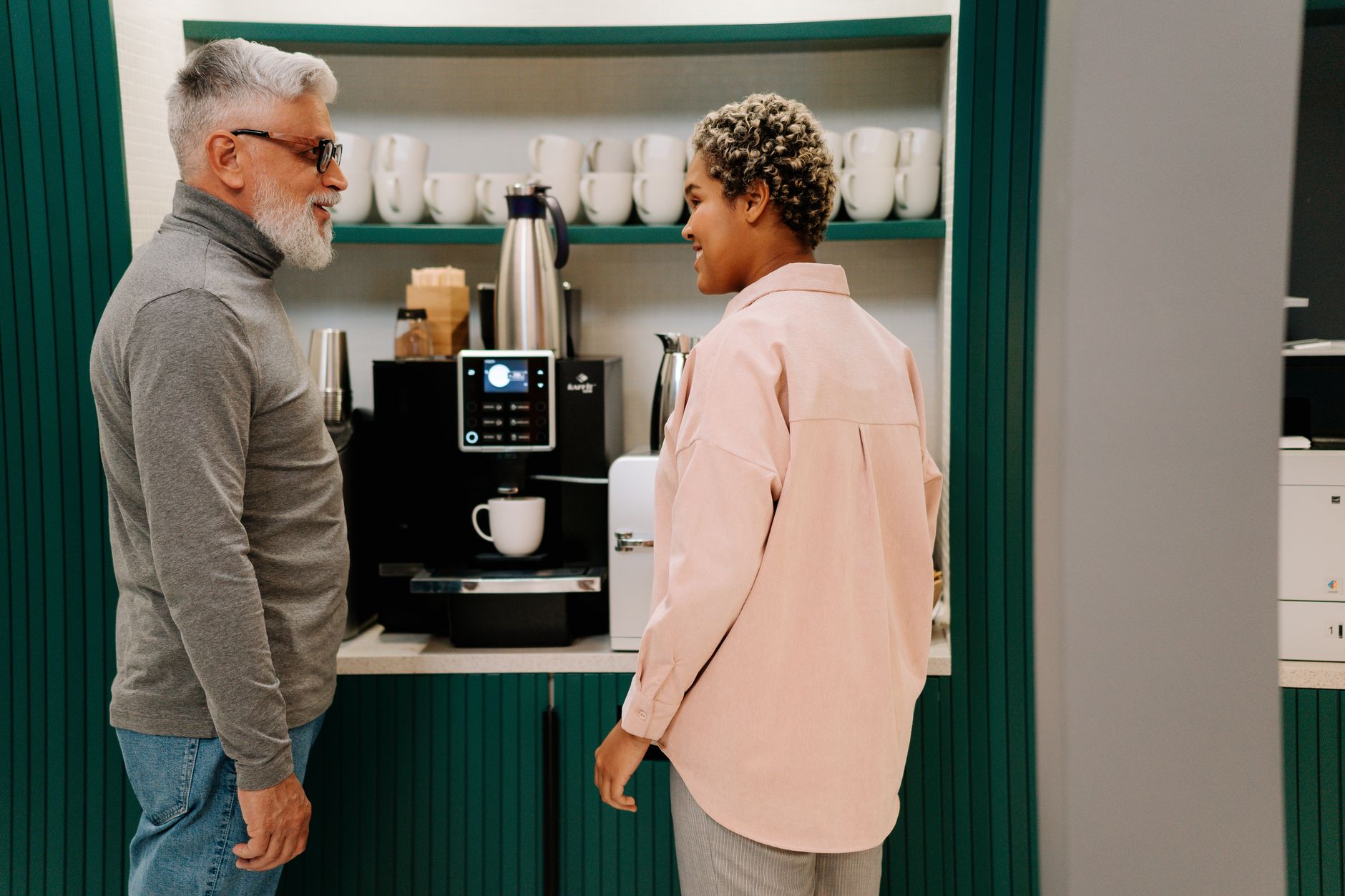
For office programs, offering quality decaf signals that you care about employee wellbeing. A study published in the Journal of Occupational Health (2023) found that employees who had access to decaf options reported 12% higher satisfaction with break-room amenities. Plus, decaf drinkers are less likely to experience the afternoon crash that comes from over-caffeination.
3. Guest experience differentiation
In hospitality, decaf is often the first thing guests ask for after dinner. A hotel with a premium decaf program earns higher satisfaction scores. According to a survey by the American Hotel & Lodging Association, 67% of business travelers rated "quality of in-room coffee" as important, with decaf being a top unmet need.
4. Cost management
Decaf beans often cost slightly less than premium regular beans (though not always), but the bigger story is reducing waste. When you have a proper program, you prepare decaf to order rather than letting a full pot go cold. That saves money and reduces environmental impact.
For more on why decaf specifically benefits office settings, read Benefits of Decaf Coffee for Office Programs.
How to Launch a Decaf Coffee Program: Step-by-Step
Starting a decaf program doesn't have to be complicated. Here's a practical framework based on what I've seen work for businesses of all sizes.
Step 1: Assess your audience and volume
Before buying anything, determine who will drink your decaf. In a 100-person office, you might need only one decaf option, but a hotel restaurant may need a decaf espresso for after-dinner cappuccinos. Survey your team or guests. Use the 80/20 rule: if 20% of your coffee consumption is decaf, allocate accordingly.
Step 2: Choose the right decaf bean
Not all decaf is created equal. The two main processing methods are:
- Swiss Water Process – Uses water and osmosis to remove caffeine, preserving more flavor. Preferred for premium programs.
- Direct Solvent Process (Methylene Chloride or Ethyl Acetate) – More common for commercial decaf; cheaper but can leave trace chemicals. Ethyl acetate (from fruit) is considered natural.
For high-volume use, you need a bean that holds up under heat and time. Check out How to Choose Decaf Beans for High-Volume Use. I recommend sourcing from a roaster that provides detailed origin and roast date—Busy Bean Coffee offers several single-origin decafs that perform well in busy settings.
Step 3: Dedicate equipment (or prepare to clean)
The single biggest mistake is using the same grinder for regular and decaf. Coffee oils from regular beans can ruin the flavor of decaf and vice versa. Ideally, buy a second grinder. For espresso, you need a separate grinder. For drip, you can use the same machine if you purge with a small amount of decaf first, but it's not ideal.
If you're in the market for equipment, check our review of Top Commercial Decaf Coffee Machines Reviewed. Many of our clients at Busy Bean Coffee choose a dual-hopper super-automatic machine that allows switching between regular and decaf at the touch of a button.
Step 4: Train your team
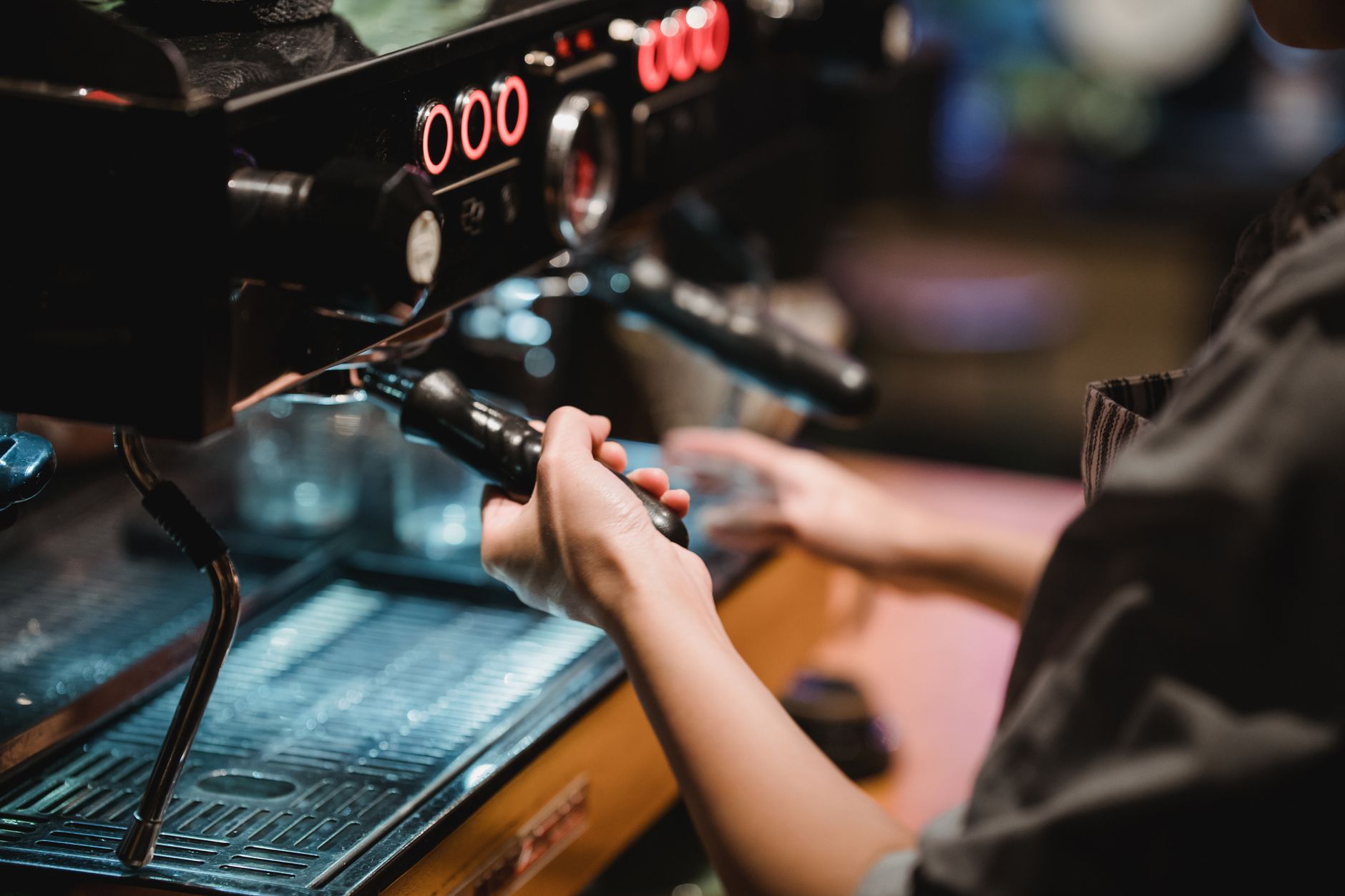
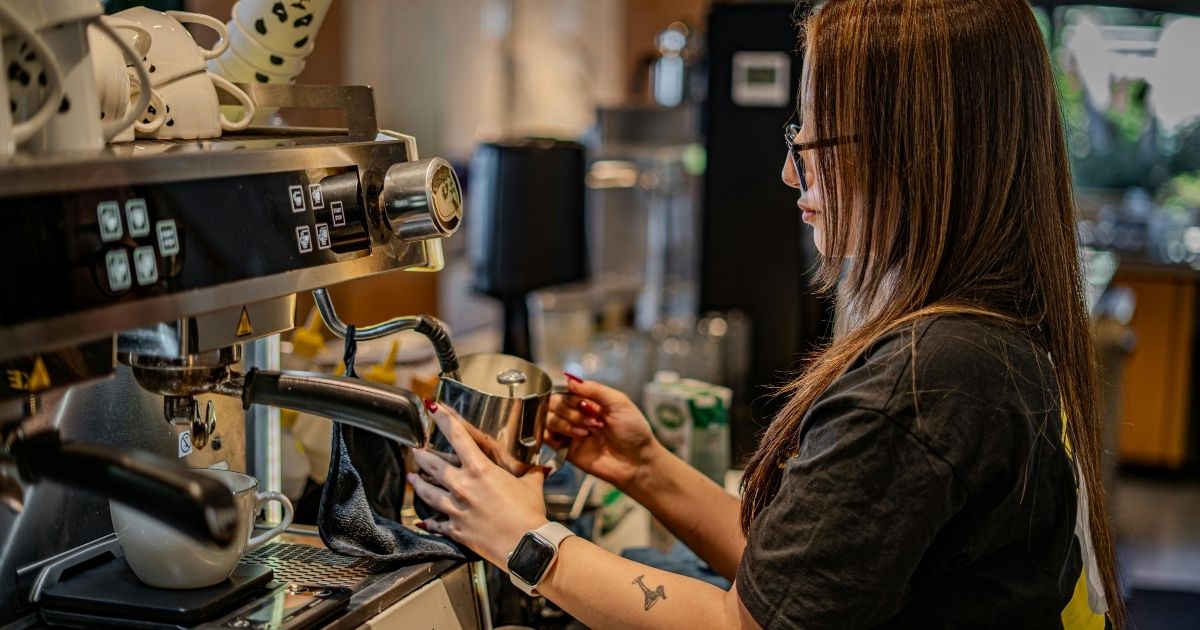
Baristas and staff must know that decaf requires the same care. Use a dedicated tamper, don't let shots run too long, and always taste the decaf before serving. I've seen hotels ruin a guest's evening by serving a burnt, over-extracted decaf shot. Training is cheap; reputational damage is not.
Step 5: Market your program
Let people know you have decaf! Add a sign near the coffee station, include it on your menu, and mention it in employee newsletters. For hotels, include a note in the welcome package. Decaf drinkers often feel like second-class citizens—change that narrative.
Step 6: Monitor and adjust
Track consumption. If you're throwing away decaf, reduce batch size. If you run out, increase order volume. Use a simple log for the first month.
For a deeper dive on bean selection specifically for restaurants, see Best Decaf Coffee Beans for Restaurants and Cafes.
Common Mistakes When Starting a Decaf Program
Even with the best intentions, businesses make these errors:
1. Treating decaf as an afterthought
Buying the cheapest decaf available signals that you don't care about a significant portion of your audience. Decaf doesn't have to be expensive, but it should be fresh and from a reputable source.
2. Cross-contamination in equipment
Sharing grinders without cleaning is the #1 complaint from decaf drinkers. The result is a cup that tastes like a blend of regular and decaf—usually bad. Invest in separate equipment or meticulous cleaning protocols.
3. Stale beans
Decaf beans degrade faster because the decaffeination process makes them more porous. Rotate stock weekly and don't buy more than a two-week supply. Avoid pre-ground decaf at all costs.
4. Ignoring the decaf espresso shot
In cafes and hotels, a poor decaf espresso ruins the experience. Use a dedicated grinder, proper dose, and fresh beans. Pull a test shot daily.
5. Not training staff
Staff often assume decaf is easy to make, but they neglect timing or temperature. Include decaf preparation in your onboarding and ongoing training.
Frequently Asked Questions
What is the best decaf coffee for an office program?
The best decaf for an office is one that satisfies the widest range of tastes. A medium-roast Swiss Water Process decaf from a reputable roaster like Busy Bean Coffee is a safe bet. It's smooth, low-acid, and pairs well with milk or sugar. Avoid dark roasts that can taste ashy and light roasts that might be too acidic for casual drinkers.
How much decaf should I order for my business?
A good starting point is 20% of your total coffee volume. If you go through 10 pounds of regular coffee per week, order 2 pounds of decaf. Monitor consumption after the first month and adjust. In hotels, decaf demand can spike after dinner, so consider ordering more for the evening shift.
Can I use the same coffee machine for regular and decaf?
Yes, but with caveats. For drip machines, run a rinse cycle between batches. For espresso machines, you should never use the same grinder without a thorough cleaning. The best practice is separate grinders. Some super-automatic machines offer dual hoppers, which is ideal.
How long does decaf coffee stay fresh?
Decaf stays fresh for 2–3 weeks after roasting if stored properly—in an airtight container away from light, heat, and moisture. Because decaf beans are more porous, they stale faster than regular beans. Buy smaller batches more frequently to ensure peak flavor.
Is decaf coffee healthier than regular coffee?
Decaf retains most of the antioxidants and beneficial compounds found in regular coffee, minus the caffeine. For individuals with anxiety, heart conditions, or pregnancy, decaf is a safer choice. However, some decaffeination processes use chemicals like methylene chloride—choose Swiss Water or ethyl-acetate processed decaf if you're concerned.
Conclusion
Starting a decaf coffee program is a smart, low-risk way to improve employee satisfaction, delight guests, and capture a growing market segment. The key is to treat decaf with the same respect you give your regular coffee: choose quality beans, dedicate equipment, train your team, and listen to feedback.
For a complete guide on selecting the best decaf beans, including tasting notes and sourcing tips, revisit our Ultimate Guide to Decaf Coffee Beans for Foodservice. If you're ready to simplify the process, Busy Bean Coffee offers all-inclusive managed coffee solutions that include premium decaf options, professional installation, and ongoing maintenance—so you can focus on serving great coffee, not managing logistics. Visit Busy Bean Coffee to learn more.
Recommended Readings
To deepen your understanding of these topics, we recommend reading the following articles:
- Ultimate Guide to Decaf Coffee Beans for Foodservice
- Decaf Coffee Options for Hotels and Guest Experience
- Decaf Soluble Coffee Solutions for Businesses
- Best Decaf Drip Coffee Makers for Commercial Use
About the Author
Travis Estes is the CEO and Founder of Busy Bean Coffee. With over a decade in the coffee industry, he has helped hundreds of businesses launch successful coffee programs—including decaf—with a focus on quality, simplicity, and ROI.
Free Coffee Pairing Guide & Specialty Roast Cheat Sheet
Unlock the secrets of perfect brewing ratios, water temperatures, and specialty roast profiles. Download the guide.