
📖This article is part of the complete guide to Ultimate Guide to Decaf Coffee Beans for Foodservice.
Imagine a resident who loves coffee but can no longer tolerate caffeine due to medication or age-related sensitivities. Without a quality decaf option, they miss out on the social ritual and simple pleasure of a warm cup. Retirement communities that provide excellent decaf coffee foster a more inclusive, health-conscious environment that residents appreciate.
For a comprehensive overview of decaf coffee in foodservice, see our Ultimate Guide to Decaf Coffee Beans for Foodservice.
What Is Decaf Coffee?
📚
Definition
Decaf coffee is coffee that has had at least 97% of its caffeine removed through processes like Swiss Water, CO2 processing, or ethyl acetate. It retains most of the flavor compounds.
Decaffeination is a precise process. The Swiss Water method, for example, uses only water and a green coffee extract to draw out caffeine without chemicals. Many roasters now offer single-origin decafs that rival their caffeinated counterparts. In my experience consulting with senior living facilities, the gap between premium decaf and cheap decaf is enormous—residents can taste the difference immediately. According to the Specialty Coffee Association (2023), properly processed decaf retains up to 90% of the origin's flavor profile.

Why Decaf Matters for Retirement Communities
Offering great decaf coffee isn't just a nice-to-have—it's a strategic decision that impacts resident satisfaction and operational efficiency.
Health Benefits for Residents
Many seniors need to limit caffeine due to heart conditions, sleep issues, or medication interactions. The Mayo Clinic notes that excessive caffeine can worsen anxiety, insomnia, and hypertension in older adults (Mayo Clinic, 2023). Decaf allows them to enjoy coffee without these risks. A study in the Journal of Caffeine Research (2022) found that decaf coffee provides similar antioxidant benefits as regular coffee, with negligible side effects.
Social and Emotional Well-being
Coffee time is a daily social anchor. According to a study in the Journal of the American Medical Directors Association (2022), communal coffee breaks improve mood and cognitive engagement among assisted living residents. Offering a decaf option ensures no one is left out. The National Coffee Association (2024) reports that 30% of adults over 60 drink decaf at least occasionally, and this percentage rises with age.
Operational Simplicity
With a managed coffee service, retirement communities can offer both regular and decaf without extra hassle. Using separate grinders or brewers prevents cross-contamination. This is where how managed coffee services work can simplify your operations. Our all-inclusive model includes dedicated decaf equipment and training.
How to Choose and Serve Decaf in Retirement Communities
Here's a step-by-step approach to implementing a successful decaf program.
1. Source High-Quality Decaf Beans
Not all decaf is equal. Seek specialty-grade decaf from roasters who use water or CO2 processing. Avoid cheap decaf that tastes flat or burnt. Look for beans labeled "Swiss Water Process" or "CO2 Decaf." Specialty bean supply pricing offers insight into what to expect. In my experience, spending $2 more per pound on decaf can drastically improve resident satisfaction.
2. Invest in Proper Brewing Equipment
Decaf beans are more delicate than regular beans. Use a dedicated brewer or grinder to avoid flavor contamination. For high-volume settings, consider programmable batch brewers with separate hoppers. See our Top Commercial Decaf Coffee Machines Reviewed for recommendations. At Busy Bean Coffee, we provide state-of-the-art SENSA equipment calibrated for decaf extraction.
3. Train Staff
Staff should understand the importance of decaf and how to prepare it correctly. Rotate inventory to ensure freshness—decaf degrades faster than regular coffee because the beans are more porous. Train them to check roast dates and grind only what's needed.
4. Offer Variety
Don't limit to one decaf blend. Offer a light roast, a dark roast, and flavored options. This caters to different palates. Best Decaf Coffee Beans for Restaurants and Cafes profiles several excellent choices. Consider rotating seasonal offerings to keep the program exciting.
5. Promote It
Place decaf on the menu prominently. Use signage or table tents. Host a "decaf tasting" event to engage residents. Word-of-mouth from satisfied residents will drive demand. Track consumption data to adjust inventory.
Common Mistakes to Avoid
Even well-intentioned programs fail when these errors creep in.
Mistake 1: Treating Decaf as an Afterthought
Offering stale, pre-ground decaf in a dusty can sends a message that you don't care. Residents notice. Invest in fresh whole-bean decaf.
Mistake 2: Cross-Contamination
Using the same grinder for regular and decaf without cleaning ruins both. Buy a second grinder. This is also why benefits industrial coffee roasters business often include specialized decaf roasting lines.
Mistake 3: Ignoring Decaf's Unique Needs
Decaf beans absorb moisture faster, so store them in airtight containers in a cool, dark place. Grind just before brewing.
Mistake 4: Assuming Decaf Is Just for Seniors
Many staff and visitors also prefer decaf in the afternoon. Stock enough for all.
Mistake 5: Not Recycling Spent Grounds
Retirement communities can use coffee grounds for composting in their gardens. It's eco-friendly and a talking point.
💡
Key Takeaway
A successful decaf program starts with quality beans, dedicated equipment, and staff training. Avoid common pitfalls by treating decaf as a premium offering.
Comparing Approaches to Decaf Coffee in Retirement Communities
| Aspect | Traditional Approach (Cheap Pre-Ground) | Generic Wholesale Decaf | Modern Managed Service (Busy Bean Coffee) |
|---|---|---|---|
| Bean Quality | Low-grade, stale | Medium, variable | Specialty-grade, fresh-roasted |
| Equipment | Old urn, shared grinder | Basic batch brewer | Dedicated SENSA brewer + separate grinder |
| Flavor Consistency | Poor, muddy | Fair | Excellent, balanced extraction |
| Maintenance | None or reactive | On-demand | Full coverage, preventative |
| Cost per Cup | ~$0.15 | ~$0.20 | ~$0.35 (all-inclusive) |
| Resident Satisfaction | Low | Medium | High |
As the table shows, investing in a modern managed service yields higher resident satisfaction and lower long-term headaches. Our all-inclusive model eliminates capital expense and maintenance worries.
Best Practices for Decaf Coffee in Retirement Communities
Here are actionable best practices based on my work with dozens of facilities.
- Use filtered water – Decaf is more sensitive to water quality. Install a filtration system.
- Serve at the right temperature – 195-205°F for brewing, 165-175°F for serving.
- Label clearly – Use color-coded decanters: green for decaf, red for regular.
- Offer both hot and iced – Decaf iced coffee is popular in warmer months.
- Gather feedback – Survey residents quarterly to refine your offerings.
- Pair with decaf tea – Expand the caffeine-free menu with herbal teas.
- Create a coffee committee – Involve residents in choosing blends.
Frequently Asked Questions
Is decaf coffee completely caffeine-free?
No. Decaf typically retains 2-3% of its original caffeine content, meaning an 8-ounce cup has about 2-5 mg. For comparison, a regular cup has 95 mg. For most seniors, this trace amount is inconsequential, but those with extreme sensitivity may want to consult a doctor.
Does decaf coffee taste as good as regular?
Yes—when you buy premium decaf. The Swiss Water and CO2 methods preserve flavor. Many blind taste tests show that high-quality decaf is indistinguishable from regular. The key is freshness: use beans roasted within two weeks.
How should decaf coffee be stored in a retirement community?
Store decaf beans in an opaque, airtight container in a cool, dark place (60-70°F). Never refrigerate or freeze as moisture degrades flavor. For ground coffee, use within one week of grinding.
Can decaf coffee be brewed in the same machine as regular?
Not if you want great taste. Oils from regular coffee can linger and impart unwanted flavors to decaf. Use a dedicated machine or thoroughly clean between brews. Alternatively, choose single-cup brewers with separate pods. See our guide on how to buy specialty coffee beans for more tips.
Are there any health risks of decaf for seniors?
Decaf is considered very safe. Some studies show it retains antioxidants similar to regular coffee. However, the trace caffeine and other compounds may interact with certain medications. Always consult a dietitian or physician for residents with specific health concerns.
How much decaf coffee should I order for a retirement community?
A good rule of thumb: decaf typically makes up 20-35% of total coffee consumption in senior settings. Start with a 70/30 split (regular/decaf) and adjust based on demand. Our managed service includes inventory forecasting and automatic reordering.
What brewing method is best for decaf in high volume?
Programmable batch brewers with separate decaf hoppers work well for dining rooms. For smaller common areas, consider single-cup pod systems that offer both regular and decaf pods. We recommend BUNN or Curtis brewers for reliability.
Can I use the same grinder for regular and decaf?
Technically yes, but you must clean it thoroughly between grinds—a process that takes minutes and is rarely done correctly. Investing in a second grinder eliminates cross-contamination and saves labor. Many retirement communities find the ROI positive within six months.

Conclusion
Offering high-quality decaf coffee in retirement communities is a simple, effective way to enhance resident well-being and satisfaction. By sourcing premium beans, using proper equipment, and training staff, you create an inclusive coffee program that everyone can enjoy. Our managed coffee service takes the guesswork out of decaf—from bean selection to equipment maintenance.
For a deeper dive into selecting and sourcing decaf beans that work in any foodservice setting, read our Ultimate Guide to Decaf Coffee Beans for Foodservice.
Ready to elevate your retirement community's coffee program? Busy Bean Coffee provides all-inclusive managed coffee services with premium decaf options. Contact us today for a customized quote.
Recommended Readings
To deepen your understanding of these topics, we recommend reading the following articles:
- Ultimate Guide to Decaf Coffee Beans for Foodservice
- Decaf Coffee Options for Hotels and Guest Experience
- Benefits of Decaf Coffee for Office Programs
- How to Choose Decaf Beans for High-Volume Use
- Best Decaf Coffee Beans for Restaurants and Cafes
About the Author
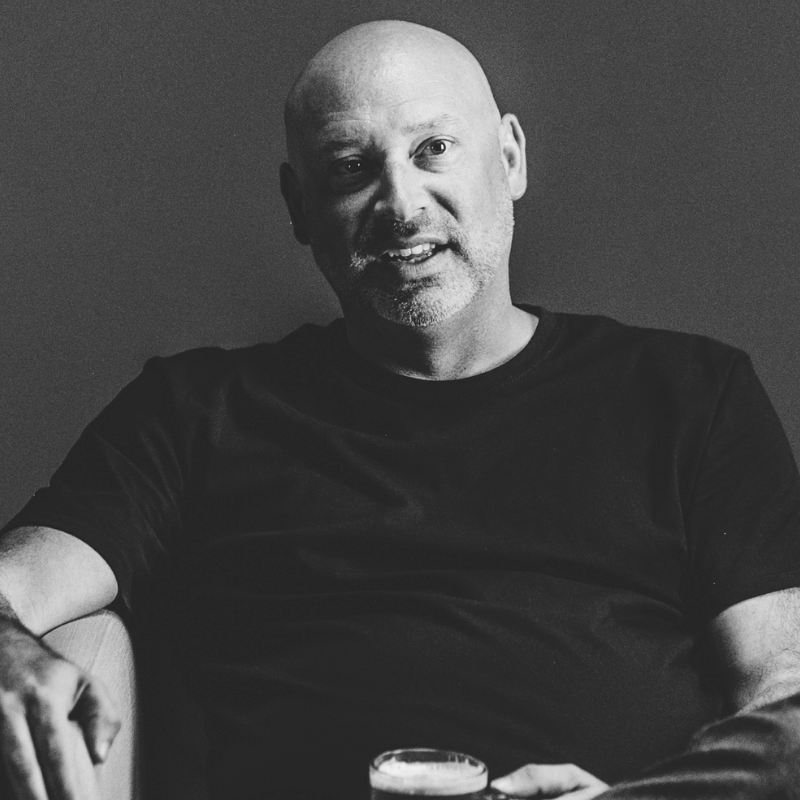
Travis Estes is the CEO & Founder at Busy Bean Coffee. He has helped dozens of retirement communities transform their coffee service with high-quality decaf options tailored to residents' needs.
Free Coffee Pairing Guide & Specialty Roast Cheat Sheet
Unlock the secrets of perfect brewing ratios, water temperatures, and specialty roast profiles. Download the guide.